

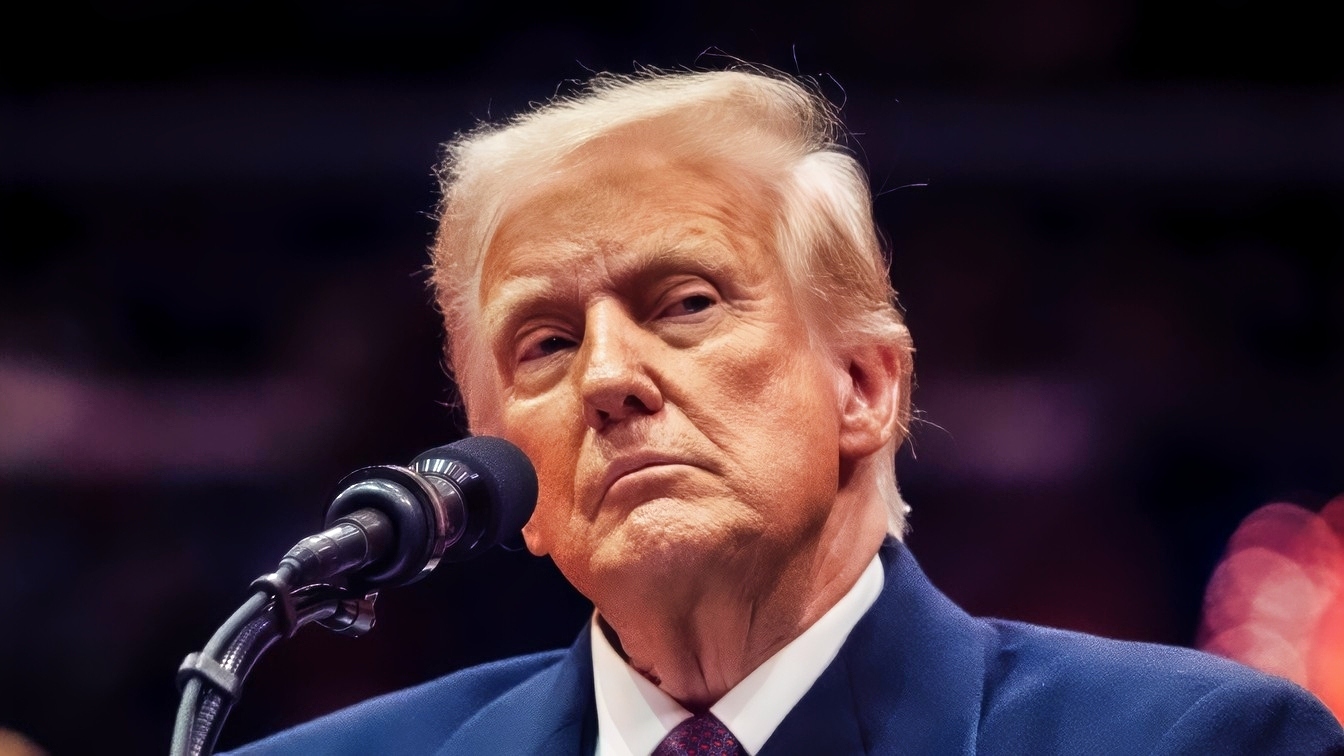
Trump’s approval rating remains near a record low, while Schumer is unpopular as well – If President Donald Trump was hoping for a rebound in his approval rating following his party’s midterm election drubbing, it doesn’t look like anything like that has happened. According to the Reuters/Ipsos poll, Trump’s approval rating is now at 32 percent, just slightly above the 31 percent figure in mid-October that represented his career low. Trump’s approval rating has held steady at 32 percent in recent weeks.
The Reuters number is worse than the RealClearPolitics polling average, which shows Trump with an average approval rating of 38.4 percent and a disapproval rating of 59.1 percent. The Reuters/Ipsos poll is included in that average.
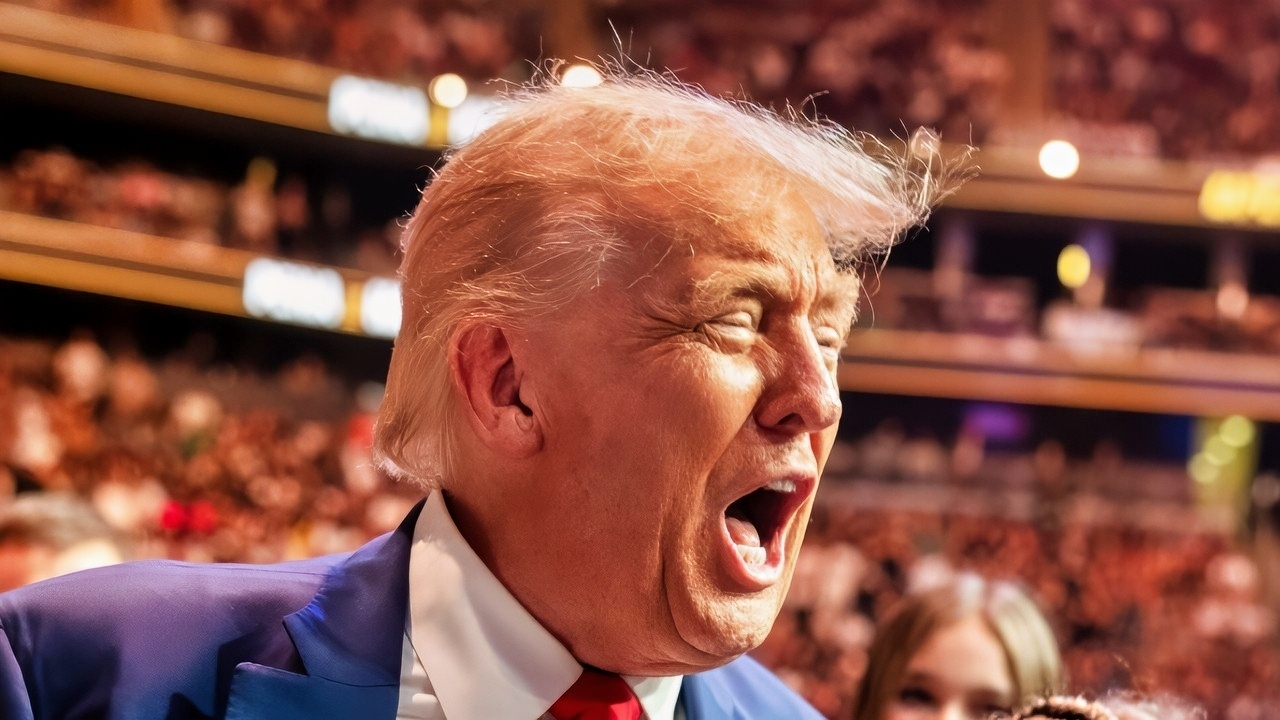
President Donald Trump congratulates Kayla Harrison after her victory during UFC 316 at the Prudential Center in Newark, NJ., June 7, 2025. (Official White House Photo by Daniel Torok)
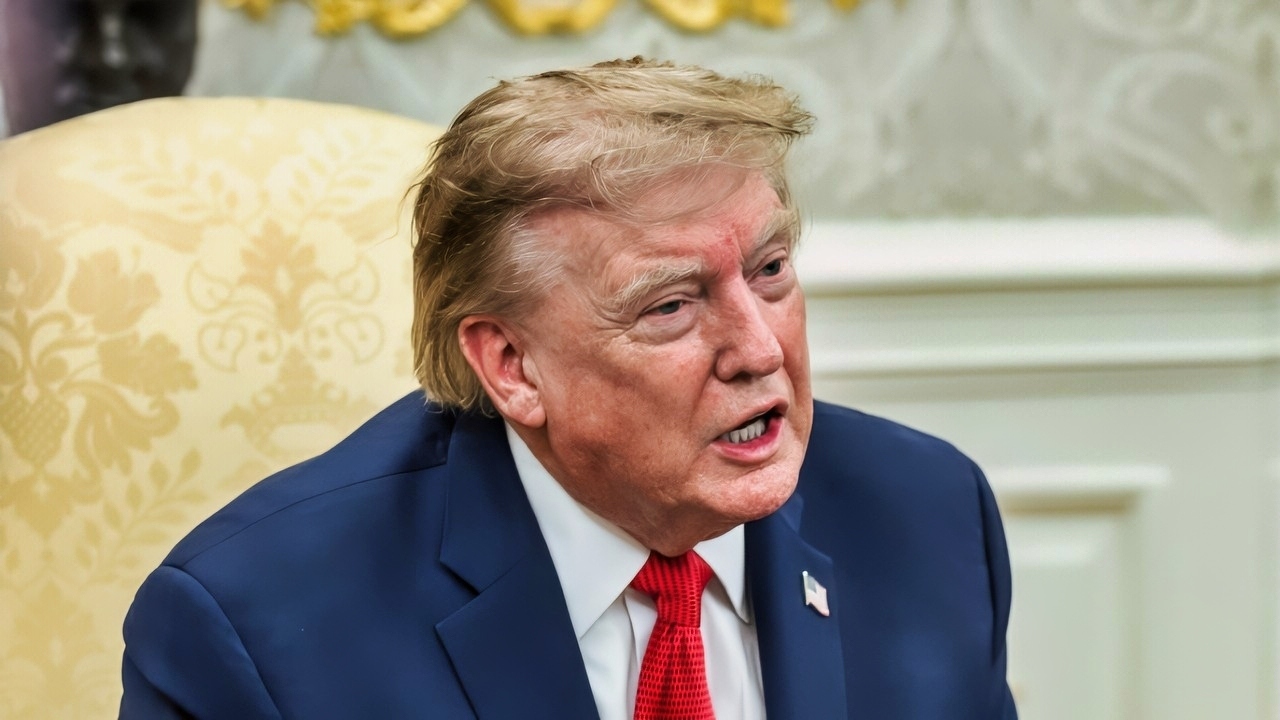
President Donald J. Trump meets with hero-lifeguard Ryder Williams, 16, and Nathaniel Nai, 10, and their families and Santa Cruz officials in the Oval Office, Monday, August, 17, 2026. Williams rescued Nai from rough surf at Seabright State Beach in Santa Cruz, California on July 25, 2026. (Official White House Photo by Daniel Torok)
The poll also found that just 31 percent of Americans approve of the Iran War. Reuters reported that the president’s “popularity has tumbled this year as the US war with Iran has hit Americans’ personal finances by pushing fuel prices sharply higher.”
But if it’s any solace for Trump, the man who will probably be the Senate’s top Democrat isn’t popular either.
Bad Numbers for Schumer
Sen. Charles Schumer (D-NY), the longtime Democratic leader who served as Senate Minority Leader during Trump’s first term, became Majority Leader during the Biden presidency and has been Minority Leader for the last two years. Following the Democrats’ midterm election victory, Schumer is in line to assume the Majority Leader position again.
However, the Reuters poll shows that Schumer isn’t especially popular, even within his own party.
Just 34 percent of Democrats view Schumer favorably, the Reuters/Ipsos poll found, while 43 percent view him unfavorably. An additional 22 percent say they’ve never heard of the New York senator.
For that reason, Schumer faces a challenge for Senate leadership, with Sen. Chris Van Hollen (D-MD) also running for majority leader. Rep. Hakeem Jeffries (D-NY), who is in positive approval territory according to the poll, is running unchallenged for the House speakership.
Among other issues, Schumer and Van Hollen disagree about policy toward Israel, with Van Hollen arguing for blocks on some weapons sales to that country. Schumer, per Reuters, has voted against blocking such sales. And while Schumer has been a staunch Israel backer for his entire career, Trump has described the longtime senator as “a Palestinian.” Sen. John Fetterman (D-PA) threatened in a televised interview to leave the Democratic caucus if Van Hollen wins.
Per The Hill, Schumer has a “big lead” in terms of how many members of the Democratic caucus have backed him. Van Hollen, per that report, would need the support of the entire progressive wing to have any hope of winning, but some of those lawmakers are in line to chair committees, and would risk angering Schumer if they back his opponent and Schumer wins.
Only four Democrats have specifically backed Van Hollen: Sen. Bernie Sanders (I-VT), Sen. Jeff Merkley (D-OR), and incoming senators Abdul El-Sayed (D-MI) and Peggy Flanagan (D-MN).
Why Schumer is Unpopular
It’s not a mystery why Trump’s approval rating is so low, with voters upset about the cost of living and Iran, and souring on the president after he hasn’t solved those problems.
But why is Schumer so unpopular among voters of his own party? There are a few reasons why.
The 75-year-old Schumer has been in Washington a long time and was first elected to the Senate in 1998. He’s also been in Democratic Senate leadership for many years, and Democrats unhappy with their party’s leadership in recent years may be sick of him, especially if they associate him with the party that lost to Trump twice, and with a lack of Democratic challenges to Trump’s agenda in the last two years.
In addition, leading a legislative caucus isn’t often conducive to popularity with voters. It’s not like being president, and it often involves telling people no and whipping tough votes. Historically, party leaders in Congress haven’t gotten credit for big policy wins; presidents tend to enjoy the spoils.
Schumer has, at various times, angered both the moderate and progressive wings of the party, and has also found reasons to upset those who both support and oppose a strong U.S. relationship with Israel.
About the Author: Stephen Silver
Stephen Silver is an award-winning journalist, essayist, and film critic, and contributor to the Philadelphia Inquirer, the Jewish Telegraphic Agency, Broad Street Review, and Splice Today. The co-founder of the Philadelphia Film Critics Circle, Stephen lives in suburban Philadelphia with his wife and two sons. For over a decade, Stephen has written thousands of articles on politics, national security, technology, and the economy. Follow him on X (formerly Twitter) at @StephenSilver, and subscribe to his Substack newsletter.


