
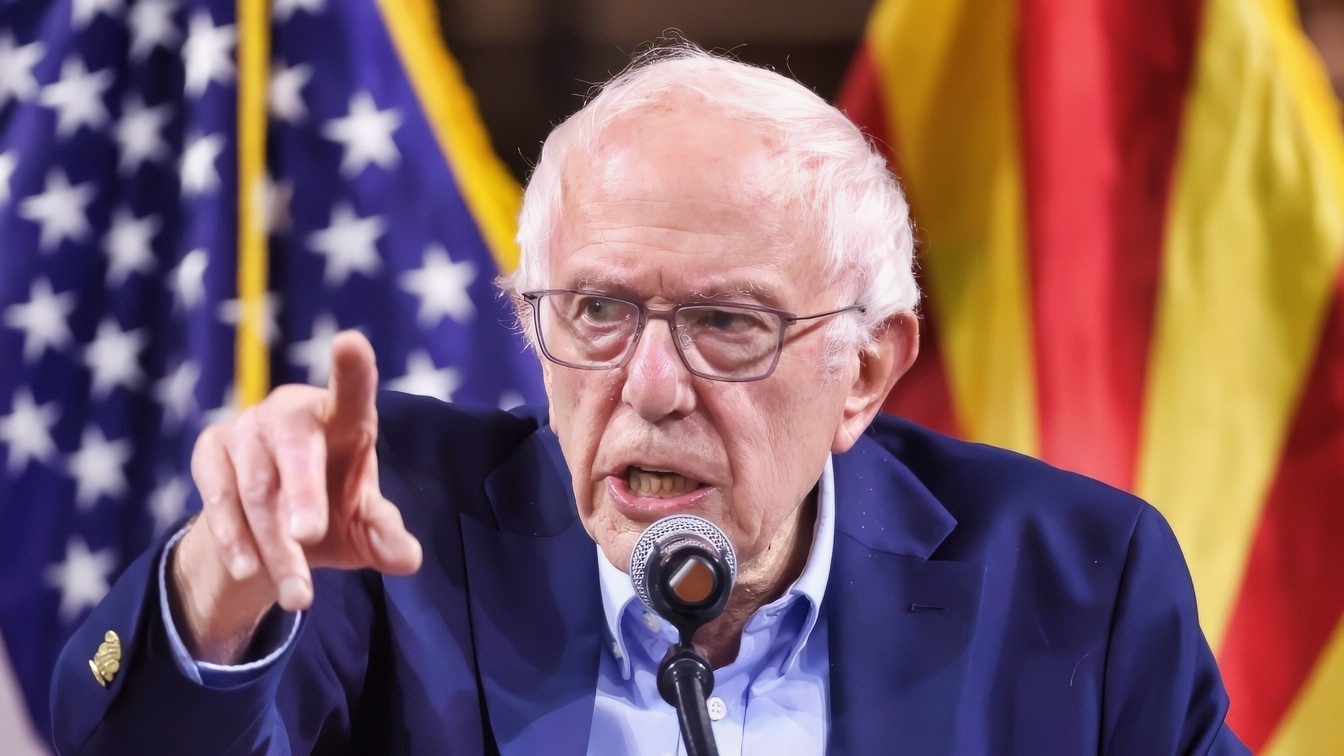
While some progressives in next year’s Democrat-controlled Congress are preparing to launch investigations into alleged corruption and other issues surrounding President Donald Trump’s administration, others have a different agenda.
Vermont Senator and former presidential aspirant Bernie Sanders said his top priority would be to push for “Medicare for All,” the universal healthcare initiative he and his allies have championed for years.
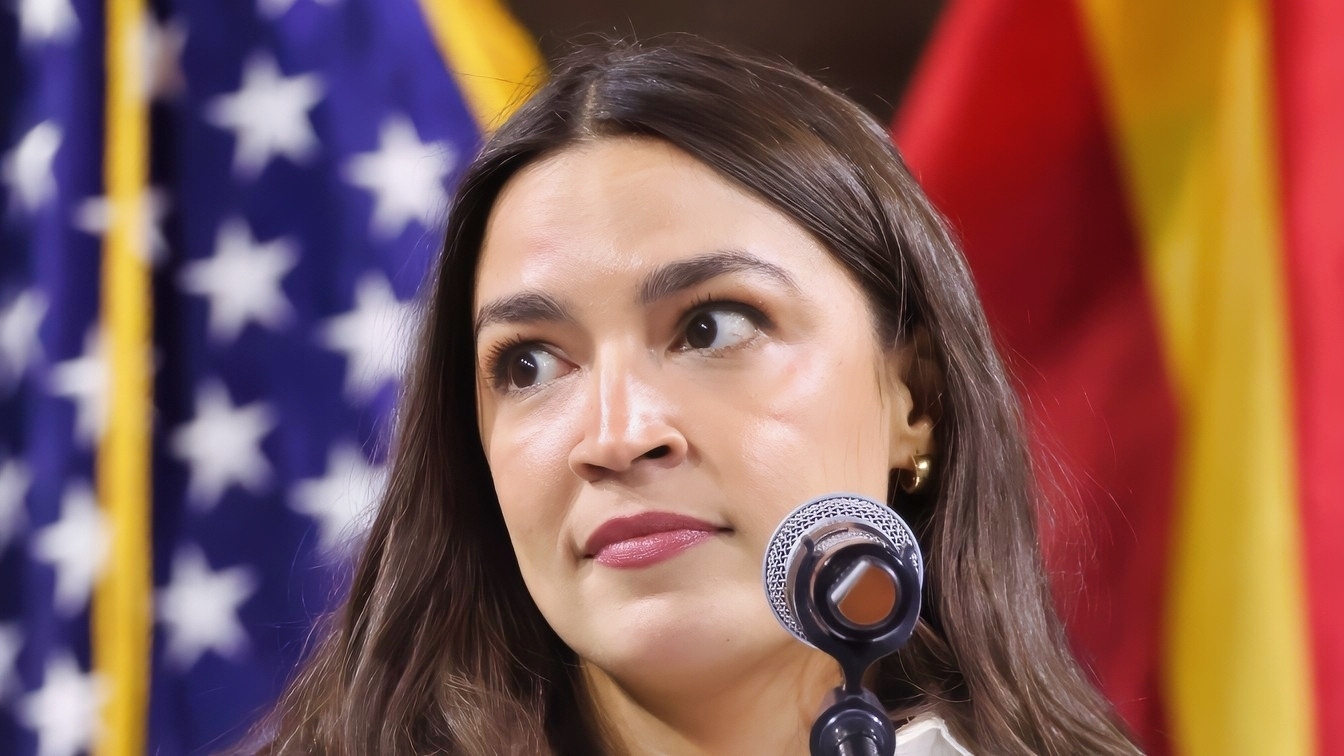
AOC Speaking Creative Commons Image

AOC. Image Credit: Creative Commons.
Four-Year Plan for Universal Healthcare
Sanders, an Independent who caucuses with Democrats, said that his plan for universal healthcare is achievable within four years.
If all goes to plan, the Vermont senator is looking to lower the Medicare eligibility age from 65 to 55, with children covered until they reach 18.
Coverage for dental, vision, and hearing would also be added. The eligibility age would fall further to 45 in the second year and 35 in the third. By the fourth year, all Americans would be covered by Medicare.
Sanders brushed off criticism that his ideals were too utopian, saying, “This is where the American people are.”
“Transforming a system which is 18% of the GDP of America, you don’t do that overnight,” the senator added. Sanders is set to assume the chairmanship of the Senate Health, Education, Labor and Pensions Committee once the new Congress convenes in January next year.
The Vermont senator says that initiative would be paid for by shifting funding toward payroll contributions and increased taxes on wealthy individuals and corporations.
Sanders added that he expects the first stage to pass a vote through a budget reconciliation process, since that only needs a simple majority. Following their midterm victory, Democrats hold their largest Senate majority in 16 years, 56-44.
Years of Disappointment
Sanders’ newfound optimism about the Medicare for All measure follows years of failed attempts to push for it. In a 2023 interview, the 85-year-old lawmaker said that “we ain’t gonna get” a universal healthcare bill to pass, believing it would only get “15 to 20 votes in the Senate and would not win in the House.” Around the same time last year, Sanders sent a letter to colleagues saying that his bill still lacked majority support in the Democratic caucus.
Sanders also proposed several healthcare reforms he believes should be implemented immediately.
These include extending Affordable Care Act (ACA) tax credits to prevent the doubling of premiums, repealing President Donald Trump and the Republicans’ cuts to Medicaid and ACA, expanding Medicare to cover dental, vision, and hearing, reducing the price of prescription drugs by 50%, and expanding primary healthcare.
“I hope that we can unify our caucus in support of these policies and work together to rally the American people behind them so that they are enacted into law,” Sanders wrote.
Assessing Support for Universal Healthcare
In general, Democrats support a measure to expand Medicare. Earlier this year, Democratic California Representative Ro Khanna said he believed Democrats in the House would support such a measure, calling it “arguably the most important priority.”
“It would save money, and it would save lives,” Khanna said.
Hakeem Jeffries, who leads the Democrats in the House, said Democrats would work to lower the age of eligibility for Medicare, cover all children, and add coverage for dental, hearing, and vision services. However, he clarified that the current push for Medicare for all is “not legislation that I currently am cosponsoring or that I support.”
White House: ‘Medicare for All’ = ‘Medicare for None’
As far as the Trump administration is concerned, measures pushing for universal healthcare are unproductive.
“The Radical Democrats’ socialist proposal for a government takeover of healthcare should really be called ‘Medicare for None’ as it destroys access to the life-saving care Americans rely on daily,” White House spokeswoman Allison Schuster said.
She further accused Democrats of pushing “ideas that have devastated economies and ruined healthcare quality anywhere they have been implemented.” The Trump administration also cited an analysis by the US Council of Economic Advisers that said implementing Medicare for All would add around $47.4 trillion to the federal government’s budget deficit from 2027 to 2036.
Schuster was reacting specifically to a proposal from Michigan Senator-elect Abdul El-Sayed, who called on Trump to take up the push for universal healthcare and call it “Trumpcare for All.”
About the Author: Tim Ramos
Tim Ramos has written for various publications, corporations, and organizations, covering everything from finance, politics, travel, entertainment, and sports – in Asia and the U.S. for more than 10 years.