

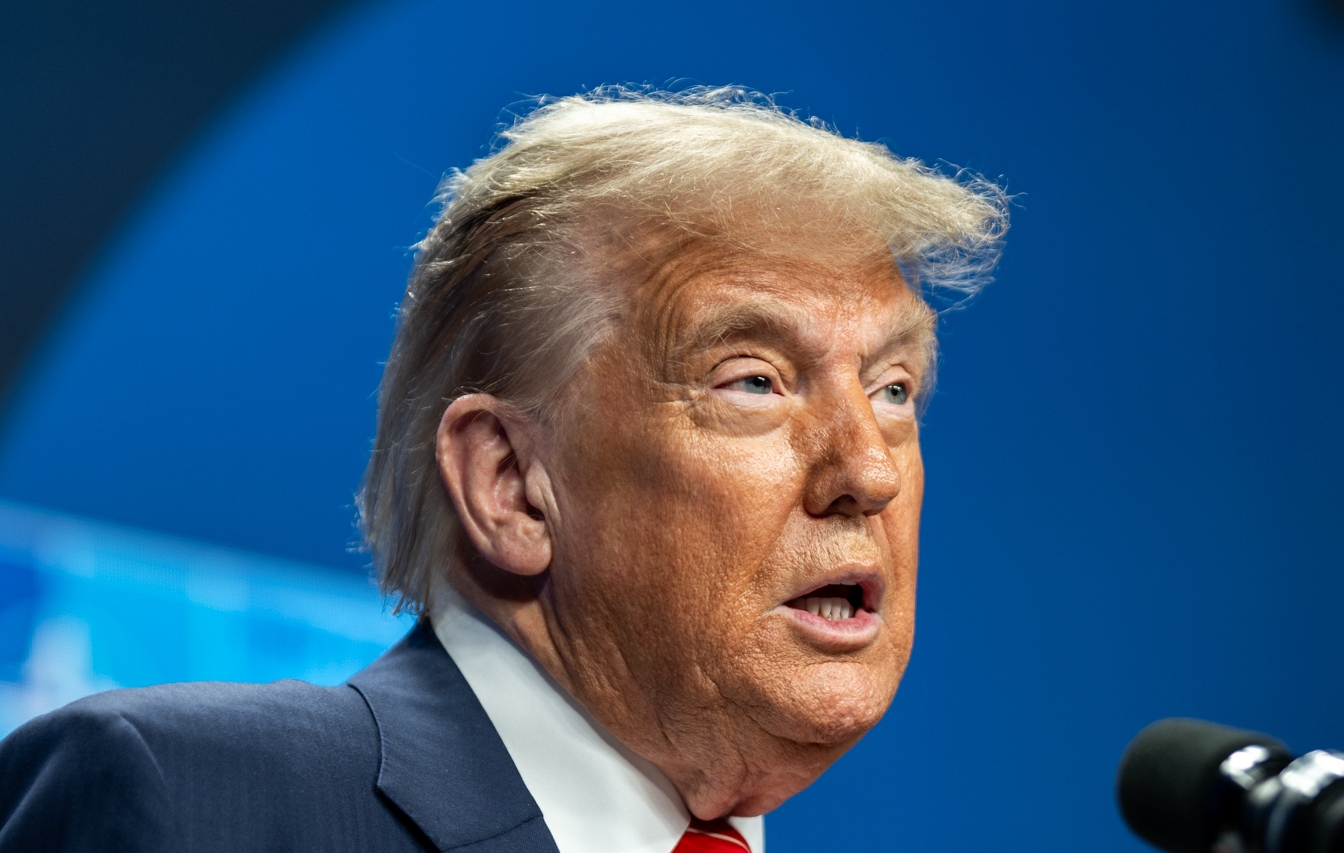
On Wednesday, November 18, U.S. District Judge Tanya Chutkan extended her temporary restraining order against President Donald J. Trump’s massive triumphal arch project in Washington, D.C.
The president said he was trying to make his arch project part of the military budget, but the judge isn’t buying it.
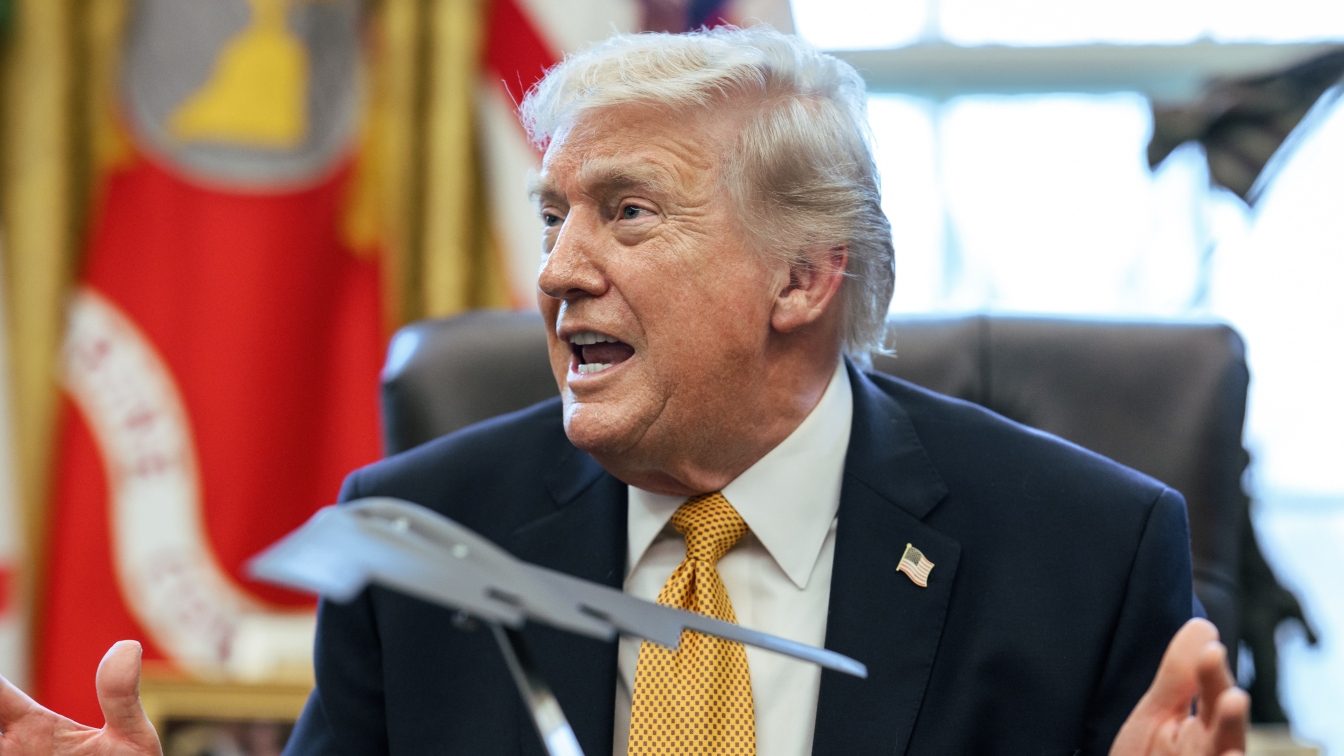
President Donald J. Trump signs an Executive Order creating an anti-fraud task force to be led by Vice President JD Vance, Monday, March 16, 2026, in the Oval Office. (Official White House Photo by Molly Riley)
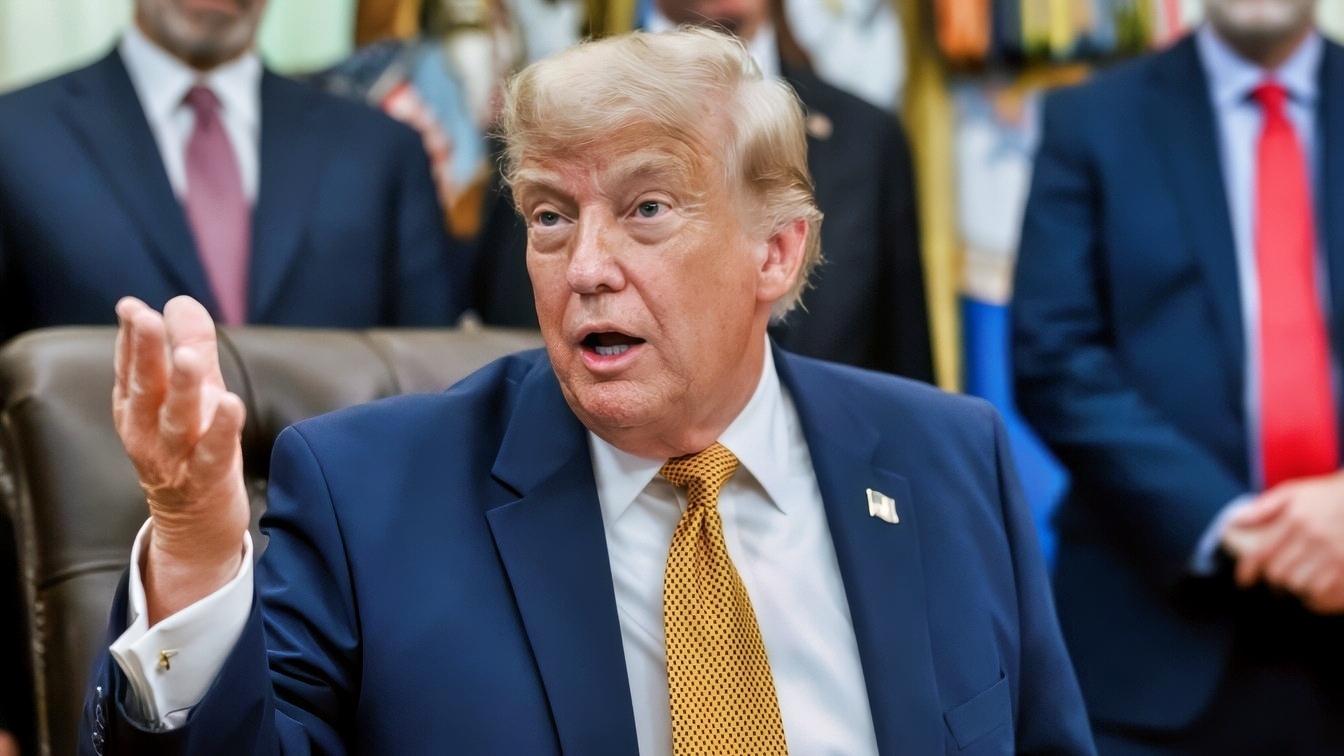
President Donald J. Trump, joined by Secretary of War Pete Hegseth, Physicist John M. Martinis, Science and Technology Policy Director Michael Kratsios, Secretary of Commerce Howard Lutnick, Secretary of Energy Chris Wright, OMB Director Russ Vought, and others, delivers remarks after signing an Executive Order on quantum computing in the Oval Office, Monday, June 22, 2026. (Official White House Photo by Joyce N. Boghosian)
In fact, the court’s decision is the latest legal complication stymying Trump’s efforts to leave a physical imprint on the nation’s capital long after he leaves office.
The Court Order
Chutkan’s ruling gives Virginia and the District of Columbia additional time to seek a preliminary injunction that could prevent construction for considerably longer.
The ruling does not stop the construction of the monument.
It simply maintains the status quo until the court can evaluate legal challenges to the project.
Let’s compare for a moment. The French arch in Paris is 164 feet tall.
The president’s arch in Washington, D.C. would be 250 feet tall.
In renderings of the proposed presidential vanity project, a gigantic granite structure sits, adorned with ornate golden statues.
A winged female figure also holds a flame.
President Trump claimed the monument would celebrate America’s 250th anniversary and honor America’s veterans.
He has insisted that the project will go forward, despite judicial backlash.
This is easier said than done, especially because some veterans are annoyed with the project, believing it would obstruct the view of the historic Arlington National Cemetery rather than enhance its image, as Trump claims.
This is more than a fight between an unpopular president pursuing a vanity project and an intransigent judiciary.
Real concerns about checks and balances and executive overreach are at stake here.
The core question is whether the president has the statutory authority to build a monument without obtaining new congressional approval.
The president is hanging his hat on the fact that Congress authorized this project way back in 1925. Administration officials argue that this century-old congressional authorization still applies and therefore they do not need any additional input from Congress.
Opposition Rises
Opponents dispute that interpretation, arguing instead that congressional approval for an earlier project cannot automatically authorize a substantially different monument of unprecedented scale.
Interestingly, the National Capital Planning Commission approved the president’s plan earlier this month by an 8-4 vote.
But Chutkan intervened before construction could start. The litigation cuts to the core of arguments over presidential authority.
The arch is part of Trump’s larger effort to remake Washington, D.C. in his image.
The forty-seventh president has torn down the East Room of the White House and is building a new ballroom.
Trump also presided over controversial renovations to the Lincoln Memorial Reflecting Pool.
Many of these initiatives have encountered fierce legal opposition from preservationists.
Now that the GOP so decisively lost the midterm elections, the incoming Democratic majority plans to mount significant opposition to these architectural projects.
Between Judge Chutkan’s extension of the temporary restraining order and the Democratic majorities in Congress, the president’s remake of Washington is at risk.
And it isn’t only elected Democrats and the courts who oppose these projects. As noted, many veterans are.
So are nine Kennedy relatives leading the effort to challenge the monument, worried the arch could disrupt the historic landscape around Arlington National Cemetery, including the gravesite of President John F. Kennedy.
How Does This End?
The administration is pursuing appeals if Judge Chutkan does issue a longer-term injunction. And this matter could ultimately reach the Supreme Court.
For Trump, the arch is his opportunity to remind everyone that he was president for decades–centuries–after he is gone.
For his opponents, the arch is another reminder of how he has bent the rules and, in their eyes, overreached with his executive authority.
None of this really matters, because at this rate, the project seems less and less likely to be completed before Trump leaves office in January 2029.
That in itself is likely a victory for many of Trump’s fiercest critics.
The president has torn up multiple historic sites in Washington in the name of his vanity project without proper approval, and now his critics are pouncing, meaning the city will be in disrepair until authorities resolve the legal dispute.
About the Author: Brandon J. Weichert
Brandon J. Weichert is the Senior National Security Editor. He also manages The Weichert Brief on Substack. Weichert is the co-host of The Mario Nawfal Show on Twitter/X. He is the author of four bestselling national security books, most recently A Disaster of Our Own Making: How the West Lost Ukraine (Encounter Books). His next book, Fortress Americas: A New Monroe Doctrine (Tucker Carlson Books), is due out December 8. Follow him via Twitter/X @WeTheBrandon.


