

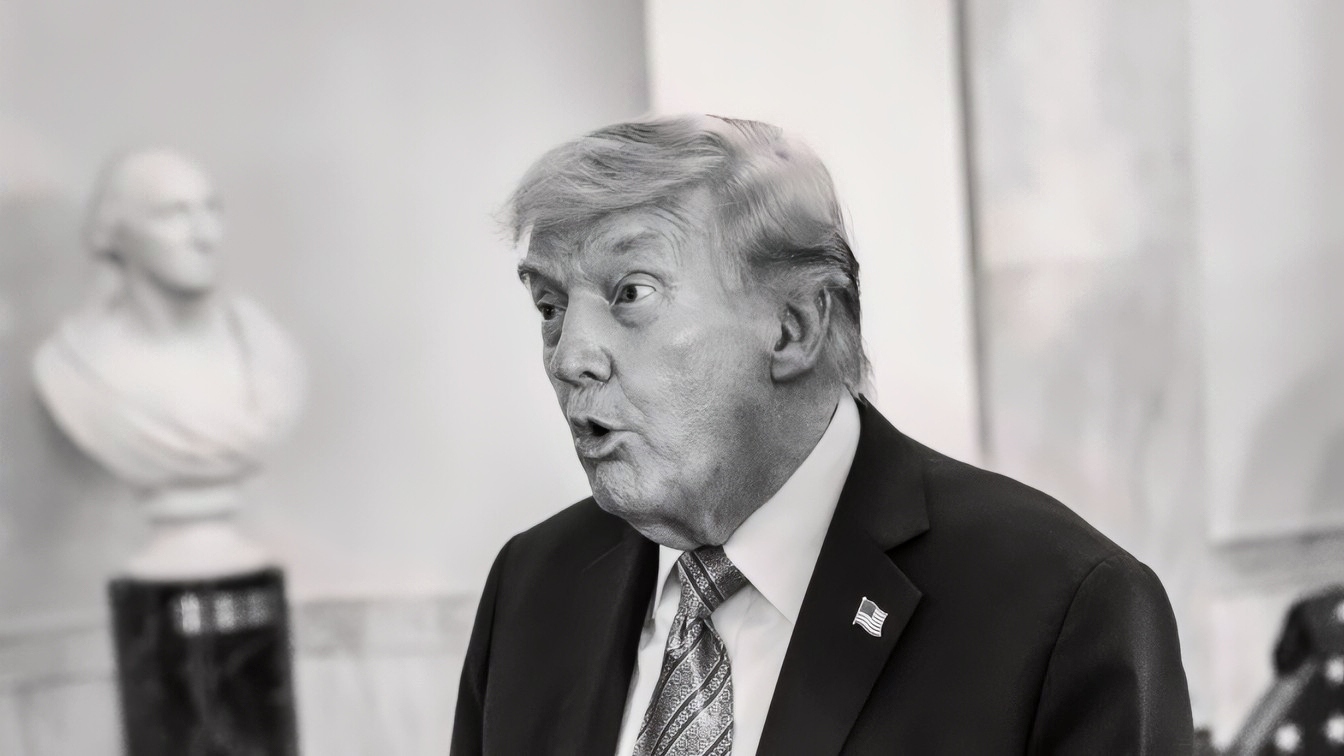
Words matter in diplomacy. President Trump doesn’t care much. Speaking in Manila on Wednesday during a meeting with Philippine President Ferdinand Marcos Jr., Trump touted American energy dominance and then folded Venezuela into the tally like a new line item on a balance sheet.
“We have more energy than any country in the world,” Trump said, adding that U.S. output tops Russia and Saudi Arabia combined. “And then you add Venezuela, which was our new acquisition. It was an acquisition, whether people like to say that or not.”
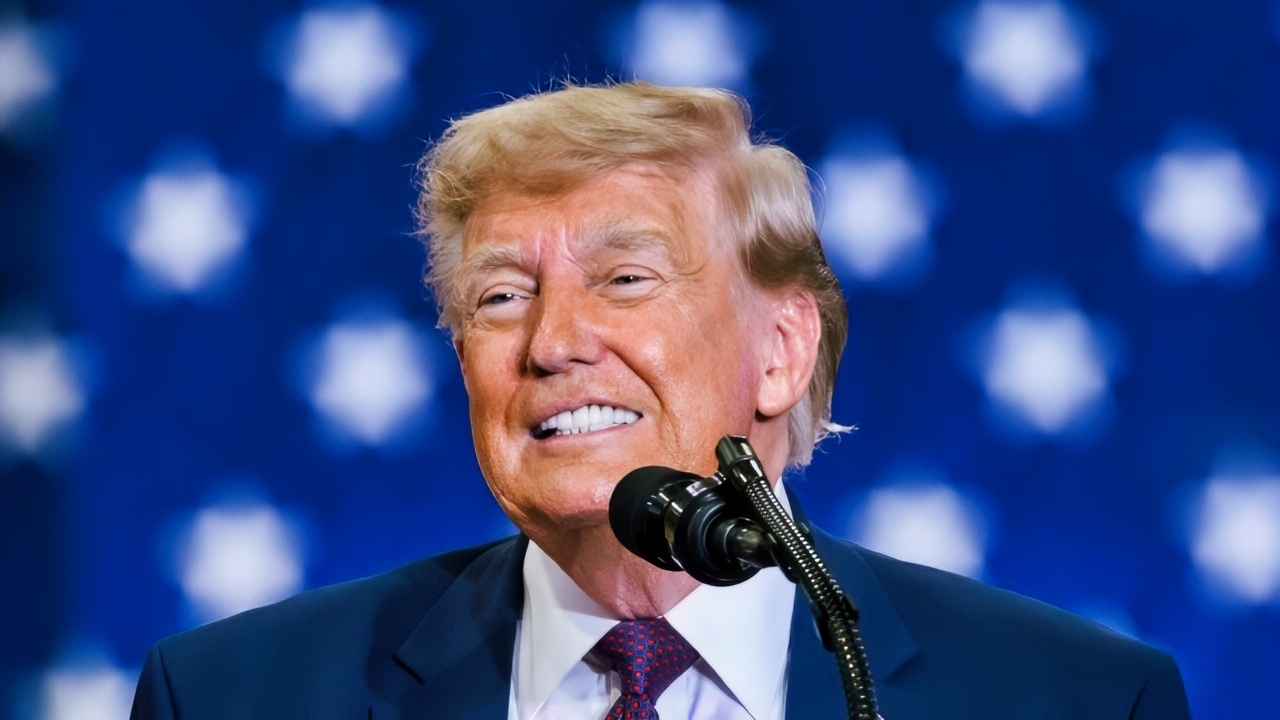
President Donald J. Trump delivers remarks at the Mack Trucks facility in Macungie, Pennsylvania, Tuesday, June 23, 2026. (Official White House Photo by Molly Riley)
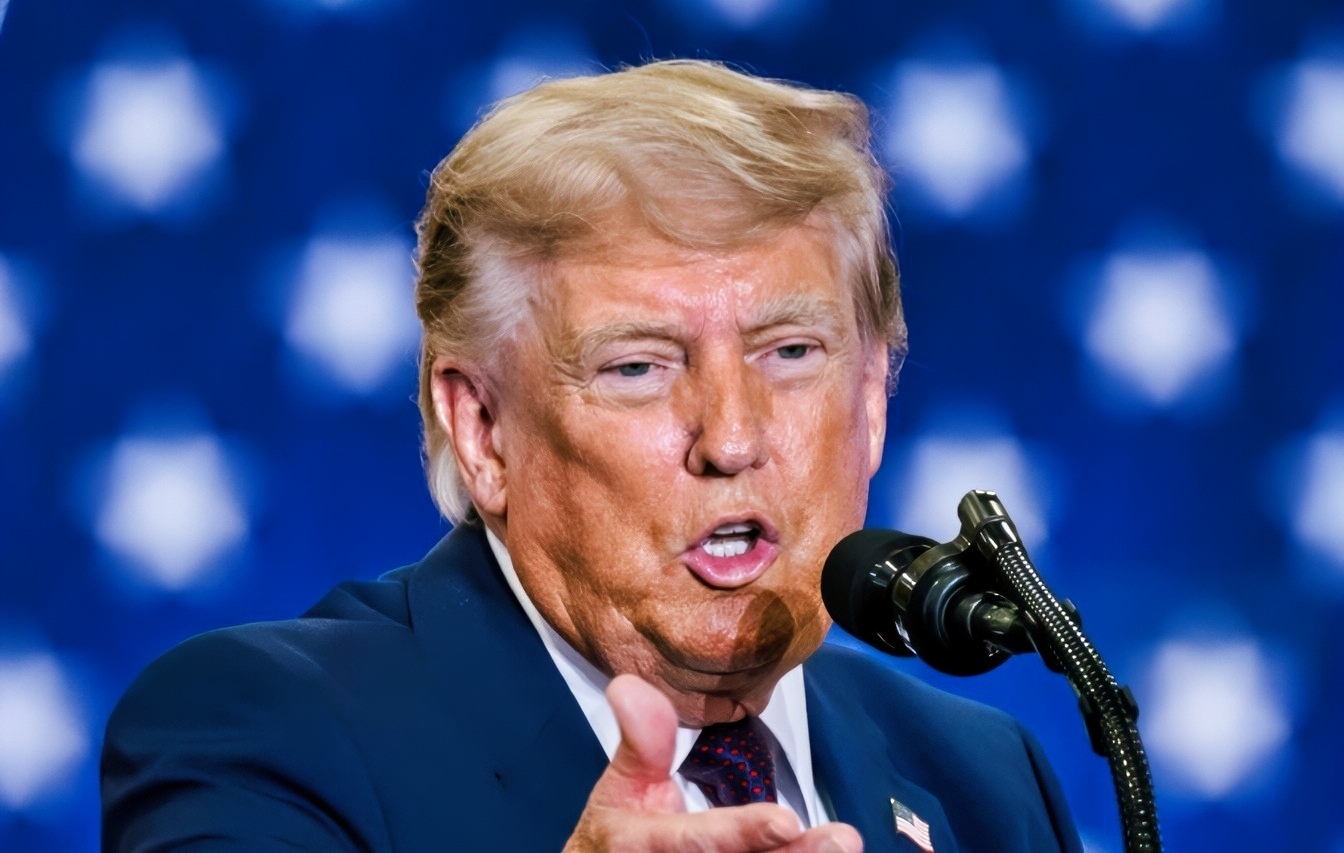
President Donald J. Trump delivers remarks at the Mack Trucks facility in Macungie, Pennsylvania, Tuesday, June 23, 2026. (Official White House Photo by Molly Riley)
Half a world away, on the same day, War Secretary Pete Hegseth made an unannounced trip to Caracas and signed a defense cooperation agreement with the interim government of Delcy Rodríguez.
Put the two events side by side, and you get a pretty clear picture of how this administration views Venezuela. Oil asset on one side of the ledger. Security partner on the other.
Trump Used US Gas As A Sales Pitch To Manila
The energy angle was a key component of the US-Filipino alliance meeting. According to Bloomberg’s reporting, the Philippines’ Malampaya gas field, which has fueled roughly a fifth of the country’s power plants, is running down.
Manila began importing liquefied natural gas for the first time in 2023 as output dropped. That’s a real vulnerability for a treaty ally staring down Chinese pressure in the South China Sea.
Trump’s answer was American supply. He praised plans for a major new pipeline in Alaska to move energy to Pacific allies and called the Philippines a natural partner.
He also floated nuclear cooperation, saying the U.S. would “probably do something very big having to do with nuclear.”
“For the Philippines to embrace American technology in its first modern nuclear project would underscore the strength of the important relationship, and we’re going to do something very big having to do with nuclear probably,” he added.
Venezuela fits into that pitch because of what happened after January.
Following the special operations raid that captured Nicolás Maduro, Trump announced in late August that a public-private partnership had secured majority U.S. control of more than 65 billion barrels of proven Venezuelan reserves.
U.S.-backed North American Blue Energy Partners picked up 14 contracts, including fields previously run by Chinese companies and a Russian firm. The company now plans to more than double Venezuelan crude output in just over two years.
For perspective, Venezuela pumped just 1.16 million barrels a day in July. That’s from a country sitting on the largest proven reserves on the planet. That gap is the whole opportunity.
“Acquisition” Is A Loaded Word In Latin America
Say what you will about Trump’s phrasing. At least it’s honest about the leverage. However, it will land very differently in Caracas, Bogotá, and Mexico City than it did in Manila.
The leftist governments in those countries have condemned the U.S. intervention as a threat to sovereignty and regional precedent, while several right-aligned leaders welcomed Maduro’s removal.
Washington effectively controls Venezuela’s oil revenue right now. A State Department report found more than $12 billion passed through U.S.-controlled accounts between January and September, and Caracas needs U.S. approval to release those funds. That’s leverage in its purest form.
The Venezuelan side is working hard to frame things differently. Defense Minister Gustavo González López said cooperation would respect Venezuela’s “sovereignty, independence and territorial integrity,” and that the armed forces would keep control of their own leadership and operations.
Hearing the President of the United States call your country an acquisition on the same day you’re selling that line at home doesn’t make the job any easier. In fact, it sounds pretty insulting and mean-spirited.
Hegseth Closes The Deal In Caracas
This was Hegseth’s first visit to Venezuela since the January raid. Rodríguez received him at Miraflores Palace and later spoke from the U.S. Embassy, where he didn’t mince words.
“Venezuela has gone from our most aggressive regional threat to a compliant security partner,” Hegseth said, calling the deal “a historic agreement that reestablishes a renewed military partnership.”
He also had a message for the cartels and armed groups in the region. Their time is up. “And we will kill you,” he said.
The agreement covers joint training and intelligence sharing with the Venezuelan military, along with defense equipment and border security.
The full terms haven’t been made public, including how any joint operations would actually work. Hegseth also tied the energy piece back in, saying the oil deal makes the Strait of Hormuz “a nonfactor for the Western Hemisphere.”
Hegseth then traveled from Caracas to Bogotá, where the regional focus shifts to armed groups like the ELN operating along the Venezuela-Colombia border.
That border has been a lawless sanctuary for decades. The two countries need to work together on this border issue. It would be beneficial to both.
Foreign Internal Defense Is The Key
Here’s where “Joint training” with a foreign military, or Foreign Internal Defense, comes into play. FID has been a core US Army Special Forces mission since the early 1960s.
It’s been done well in many countries, but has been very unsuccessful in others. The difference almost always comes down to whether the host nation’s officer corps actually goes “all-in” and puts their best foot forward.
That’s the problem in one sentence.
Many of the senior officers in Venezuela’s FANB served under Maduro and greatly benefited from the corruption that was rampant in his regime.
Phil Gunson of the International Crisis Group said the Venezuelan military “is not in a position to resist US influence, for good or ill,” while warning that some of those holdovers may try to sabotage reforms. This is the same force that hosted military drills with Russia, China, and Iran in 2022.
However, during the 1980s and early 1990s, Venezuela and the US Special Operations Command (SOCOM) had a strong military relationship.
They conducted counter-narcotics operations, joint training, and Cold War regional security efforts.
This era of cooperation ended abruptly in 1999 with the rise of Hugo Chávez.
Intelligence Sharing And Congress Will Bear Watching
The trickiest part will be intelligence sharing, which deserves the hardest look—sharing with a service that was tied at the hip to Havana and Moscow until this year is a counterintelligence headache waiting to happen.
Vetting will matter far more than the equipment. And that is an area that the US has not done well with.
Then there’s the politics at home.
On November 10, the House voted 211-204 against impeaching Hegseth, for now, on articles tied to the Iran war, the drug boat strikes, and the Venezuela operation itself.
After the midterms, Venezuela policy will face much more scrutiny on the Hill in January.
Analyst Carlos Pina read the Caracas trip as a move to lock in the policy before the new Congress convenes. That analysis is spot on.
What Happens Now?
So is this good for the United States? Pushing Chinese and Russian oil interests out of our own hemisphere is a strategic win, and giving allies like the Philippines an alternative to unreliable suppliers matters. However, a partnership built on leverage tends to last only as long as the leverage does. Calling a sovereign country an acquisition makes for a good line in Manila. It’s a harder sell in Caracas. Trump got the oil. Hegseth is trying to win the loyalty of Venezuela’s senior military officers. That will probably be a hard sell.
About the Author: Steve Balestrieri
Steve Balestrieri is a National Security Columnist. He served as a US Army Special Forces NCO and Warrant Officer. In addition to writing on defense, he covers the NFL for PatsFans.com and is a member of the Pro Football Writers of America (PFWA). His work was regularly featured in many military publications.


