
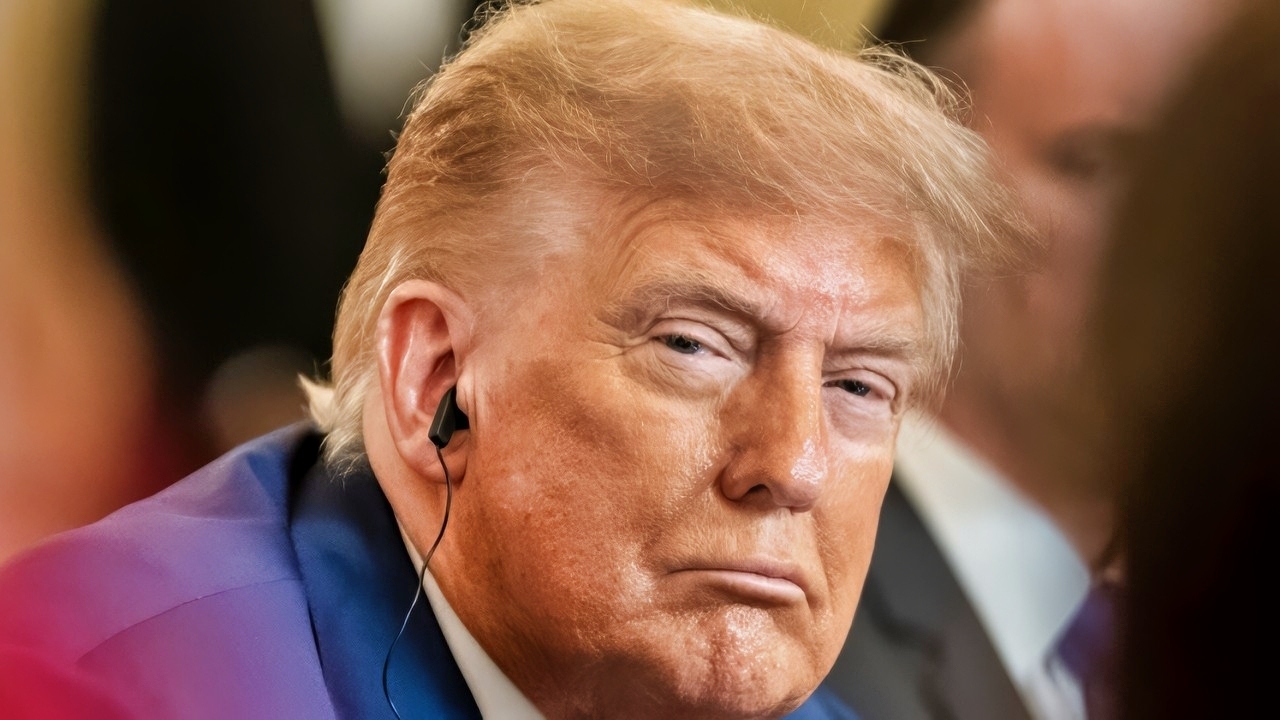
President Donald Trump has suffered a series of major legal defeats throughout his second term.
Still, his administration plows ahead, finding ways to move forward despite rulings that present major challenges to his legislative—and construction-related—agenda.
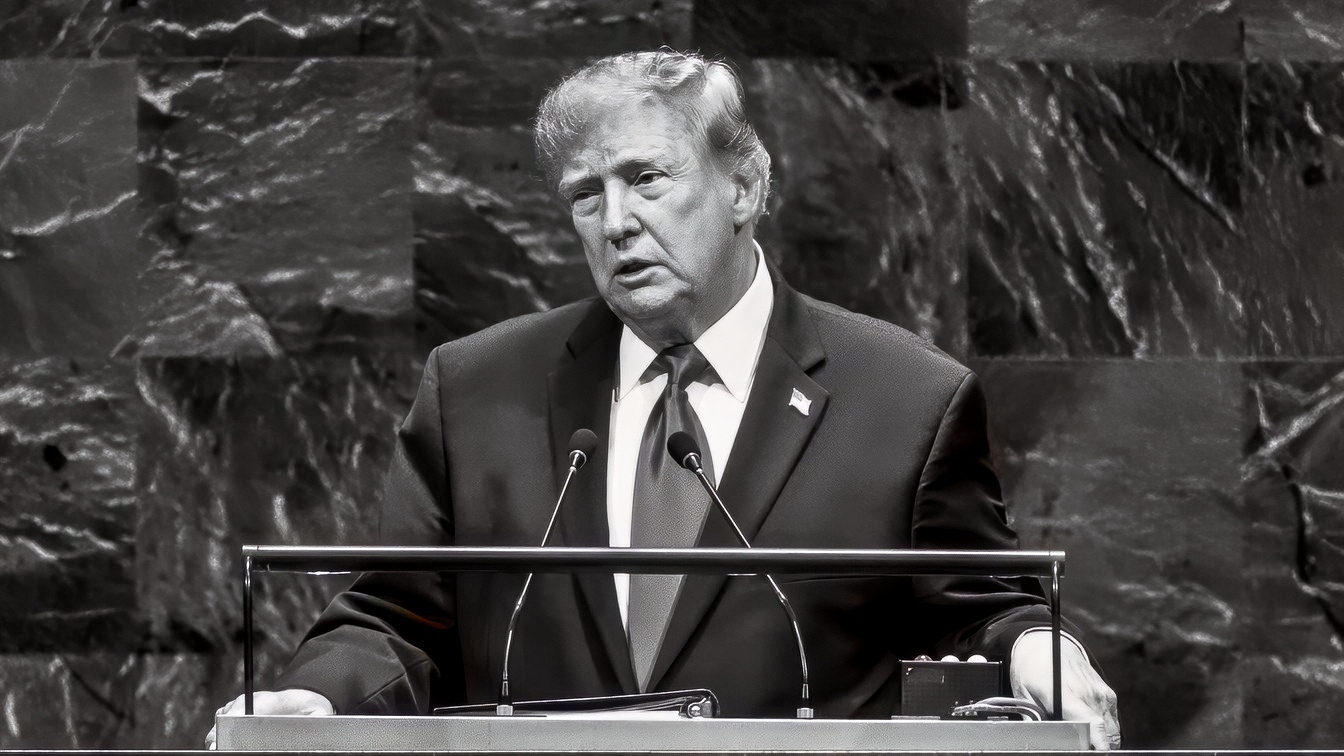
President Donald J. Trump delivers remarks to the 81st session of the United Nations General Assembly, Tuesday, September 22, 2026, at U.N. Headquarters in New York City. (Official White House Photo by Daniel Torok)
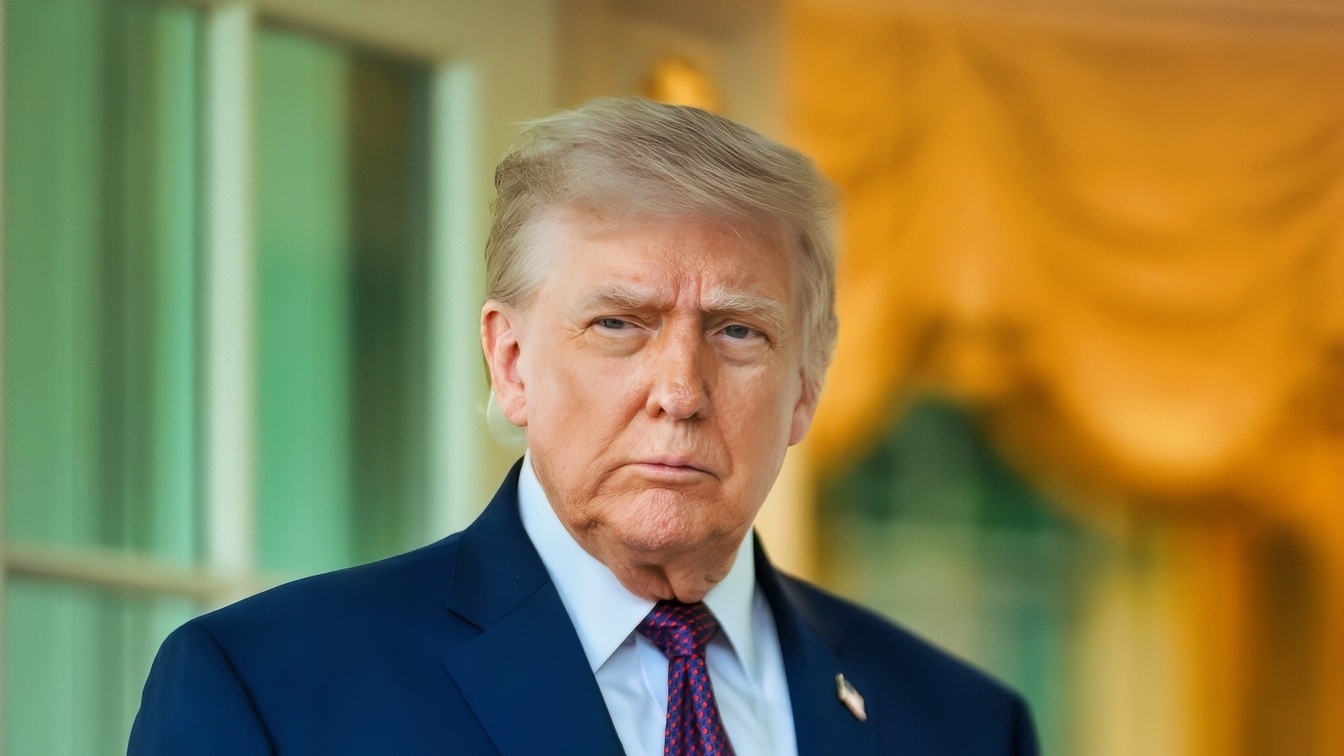
President Donald J. Trump accepts a DoorDash delivery from Sharon Simmons outside of the Oval Office, Monday, April 13, 2026. (Official White House Photo by Daniel Torok)
From the construction of the new White House ballroom to his controversial tariff policies, the administration is using alternative legal authorities, combined with extremely aggressive timelines, to pursue the president’s objectives in the face of legal opposition.
And with just two years left in office, it should perhaps come as no surprise that this enormously ambitious president is working to make major achievements despite pushback.
On Sunday, November 22, the Washington Post reported that the administration’s approach is sparking criticism and raising concerns among legal experts about the ability of the federal courts to restrain executive power.
The report comes as President Trump and his Republican Party accept a new reality in which Democrats have taken control of several historically Republican states and prepare to assume control of both chambers of Congress in January.
Separate reports on Sunday also reveal how the administration announced that the U.S. Army intends to proceed with a controversial explosives disposal operation in Iowa despite a federal court ruling temporarily blocking the environmental permit that authorizes it.
Trump Admin Works Around Court Rulings
The November 22 Washington Post report describes how President Trump’s administration has continued to pursue its objectives even when federal judges have ruled against it.
Rather than simply abandoning policies after these legal defeats, which is a more traditional route for a president, Trump has used government lawyers to identify alternative statutory powers to move forward anyway. In some instances, he has pursued more specific, or narrower, actions that are legally permissible.
Georgetown University law professor David Super told the newspaper that the administration’s behavior has surprised some judges who are more accustomed to federal government attorneys being cooperative.
“This administration doesn’t respect some orders that are not legally binding and some orders that are,” he said. “They just rush ahead. Judges who are accustomed to the Justice Department bending over backward to be compliant are surprised”
In a statement provided to The Washington Post, the White House rejected suggestions that the administration was disregarding rulings and maintained that it would always comply with court orders.
The statement also said that the White House is conducting the appropriate legal reviews for its various projects.
It argued that Trump was deliberately acting quickly to fulfill his campaign promises.
“President Trump is moving at lightning speed because we don’t have time to waste in our mission to make America greater than ever before,” Davis Ingle, White House spokesman, said.
White House Ballroom and Tariffs
Among the best examples of how Trump is changing the game and moving at “lightning speed” is the White House ballroom project.
In August, the Supreme Court allowed construction of the new ballroom, which replaces the White House’s East Wing, despite several legal objections.
Chief Justice John Roberts also described the project as likely unlawful.
By the time the case reached the Supreme Court, lawyers representing the Trump administration said construction was 65% complete, and the administration argued the project was too far along to stop.
The court’s decision allowed the construction to continue without actually resolving any of the underlying questions about whether the president had the authority to do it.
The same kind of strategy has been adopted with tariffs. After the Supreme Court struck down President Trump’s sweeping import duties in February, the administration simply introduced new tariffs using a different legal authority.
The new measures, which were announced in July, saw tariffs of 10% and 12% imposed on more than 60 countries, covering virtually all American imports.
The Trump administration justified them by arguing that foreign governments were failing to address forced labor adequately. Still, critics argue the measures effectively replace the tariffs the Supreme Court previously rejected.
A New Court Drama in Potomac
Meanwhile, reports this week revealed that the U.S. Army intends to proceed with plans to detonate 68 barrels of unstable lead azide at a military facility in Iowa.
The news comes despite the temporary suspension of the environmental permit that authorizes the operation. A lawsuit by environmental groups led the Eighth Circuit Court of Appeals to strike down the plans.
The Army, however, argues that the explosives pose an immediate risk to public safety and will go ahead with the plans by invoking alternative emergency authority to proceed before November 24.
This comes as the Trump administration also faces litigation over President Trump’s proposed redevelopment of East Potomac Golf Links in Washington.
A federal judge has blocked further tree removal from the site without court approval, complicating President Trump’s plans to redevelop it fully.
About the Author: Jack Buckby
Jack Buckby is a British researcher and analyst specializing in defense and national security, based in New York. His work focuses on military capability, procurement, and strategic competition, and he produces and edits analysis for policy and defense audiences. He brings extensive editorial experience, with a career output spanning over 1,000 articles at National Security Journal, and has previously authored books and papers on extremism and deradicalization.


