

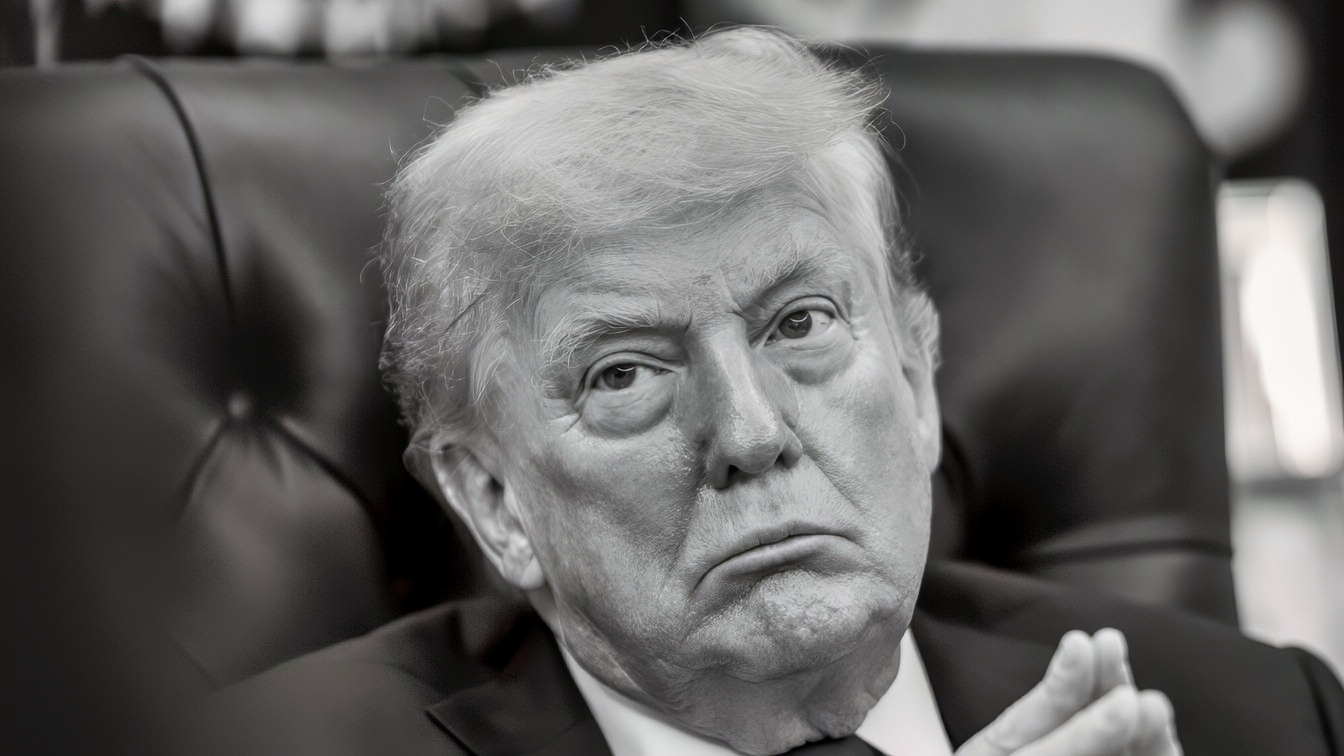
With Democrats set to assume control of both the United States House of Representatives and the United States Senate, newly elected leaders are preparing for potentially significant confrontation with the Trump administration over its executive authority and congressional oversight.
Already, the White House is taking drastic steps to limit investigations into White House activities, government contracts, and the president’s business relationships.

AOC. Image Credit: Creative Commons.
The confrontation intensified Friday when Trump signed an executive order requiring federal contractors and subcontractors to coordinate with the administration before responding to any congressional inquiries.
The Limits of Executive Power
This comes after Trump elevated the Right-wing firebrand, Stephen Miller, as his next White House Chief of Staff and after Attorney General Todd Blanche warned Democrats that any congressional investigation into the Trump administration would result in a concomitant Department of Justice investigation into the Democratic lawmakers.
That executive order requires companies to consult federal agencies and the White House before transmitting any information or communicating with the Legislative Branch.
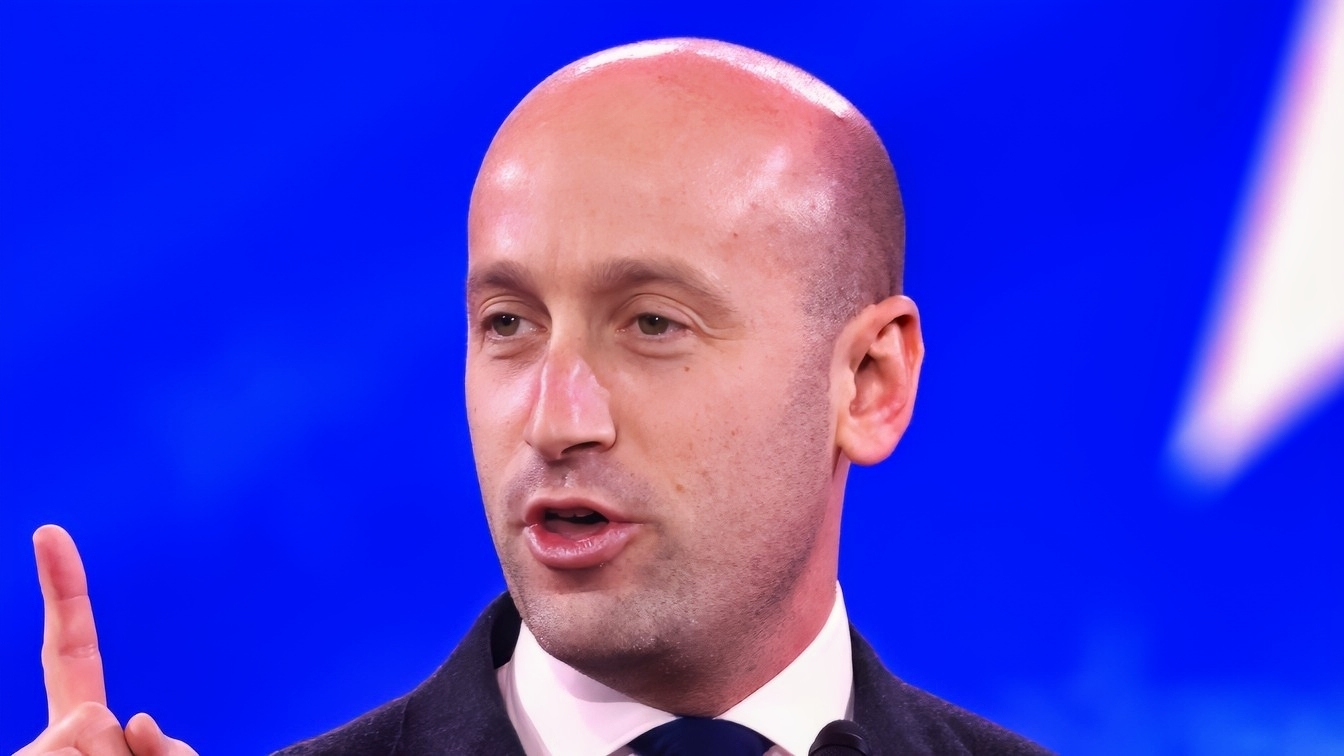
White House Deputy Chief of Staff for Policy Stephen Miller speaking at the 2025 Conservative Political Action Conference (CPAC) at the Gaylord National Resort & Convention Center in National Harbor, Maryland. By Gage Skidmore.
Businesses that refuse to comply would face contract cancellations, suspensions, and restrictions on future federal work.
Meanwhile, the incoming Democratic majorities are preparing numerous investigations into the various aspects of Trump’s second non-consecutive term in office.
For example, Rep. Robert Garcia of California has already disseminated document preservation requests to Vice President JD Vance’s staff, to Stephen Miller’s office, and to Attorney General Blanche.
Members of the Trump family have also received similar document preservation requests.
Democrats will not only investigate controversial immigration law enforcement at the Department of Homeland Security (DHS); the Democratic majorities will soon investigate any questionable financial activities of Trump’s relatives, notably allegations of conflicts of interest involving federal contracts.
What’s more, the Democrats seem committed to investigating the administration’s mishandling of the Jeffrey Epstein file release last year.
Another source of controversy the Democrats want to investigate is the construction and financing of Trump’s White House ballroom, any relationships between administration officials and private corporations, and the origins and conduct of the ongoing Iran War.
In fact, Sen. Richard Blumenthal has requested any information from companies associated with the ongoing ballroom project.
Democrats on the House Intelligence Committee also intend to examine decisions involving Elon Musk’s SpaceX and Starshield satellite communications system.
Get Ready for a Constitutional Crisis
This all sounds pretty bad, to put it bluntly. We face one of the most significant constitutional crises since the Watergate scandal, because Congress is (finally) asserting real oversight power over the executive branch, while the executive branch is clearly trying to prevent it by relying on things like executive privilege.
The Trump administration maintains that Democrats are preparing politically motivated investigations intended to harass officials and undermine the president.
Executive privilege has historically allowed presidents to withhold certain internal communications from Congress and the courts.
However, that privilege has been proven to have its limits–notably during the Watergate scandal.
At that time (and in subsequent rulings), the courts have ruled that presidential confidentiality interests must sometimes yield to other constitutional requirements.
A contretemps has already occurred between incoming House Judiciary Committee chairman Rep. Jamie Raskin (D-MD) and the White House over this issue.
According to Raskin, private companies receiving federal funds remain subject to lawful congressional inquiries, including subpoenas seeking records relevant to legislative oversight.
Democrats could potentially compel cooperation through funding decisions, pressuring agencies and contractors that refuse to cooperate with investigations.
Such measures would likely produce more legal disputes between the Legislative and Executive branches, but such a fight might be necessary, considering the murkiness of these delineations.
Who Has the Power?
Congress has the right to conduct oversight.
The president is entitled to a degree of privacy in his communications, given the nature of the role.
Yet, there are–and there must be–limits to that executive privilege. Courts have already imposed such limits in other political scandals.
The courts will likely again be forced to further delineate the separation of powers.
It is strange to see this news, because Trump has been taking on a more conciliatory tone with the Democrats since the generational defeat of the Republican Party in the Midterms.
Nevertheless, the administration is clearly taking pains to resist investigative demands that it considers illegitimate.
Neither side has demonstrated a willingness to retreat on this matter.
These disputes will increasingly define the final two years of Trump’s presidency.
About the Author: Brandon J. Weichert
Brandon J. Weichert is the Senior National Security Editor. He also manages The Weichert Brief on Substack. Weichert is the co-host of The Mario Nawfal Show on Twitter/X. He is the author of four bestselling national security books, most recently A Disaster of Our Own Making: How the West Lost Ukraine (Encounter Books). His next book, Fortress Americas: A New Monroe Doctrine (Tucker Carlson Books), is due out December 8. Follow him via Twitter/X @WeTheBrandon.


