

Fearing that Kaliningrad, the Russian exclave on the Baltic Sea, could be cut off, Russia is moving to strengthen its links there by expanding its ferry connectivity.
The move would give Kaliningrad a new route for delivering a variety of goods, should it otherwise be separated from mainland Russia.

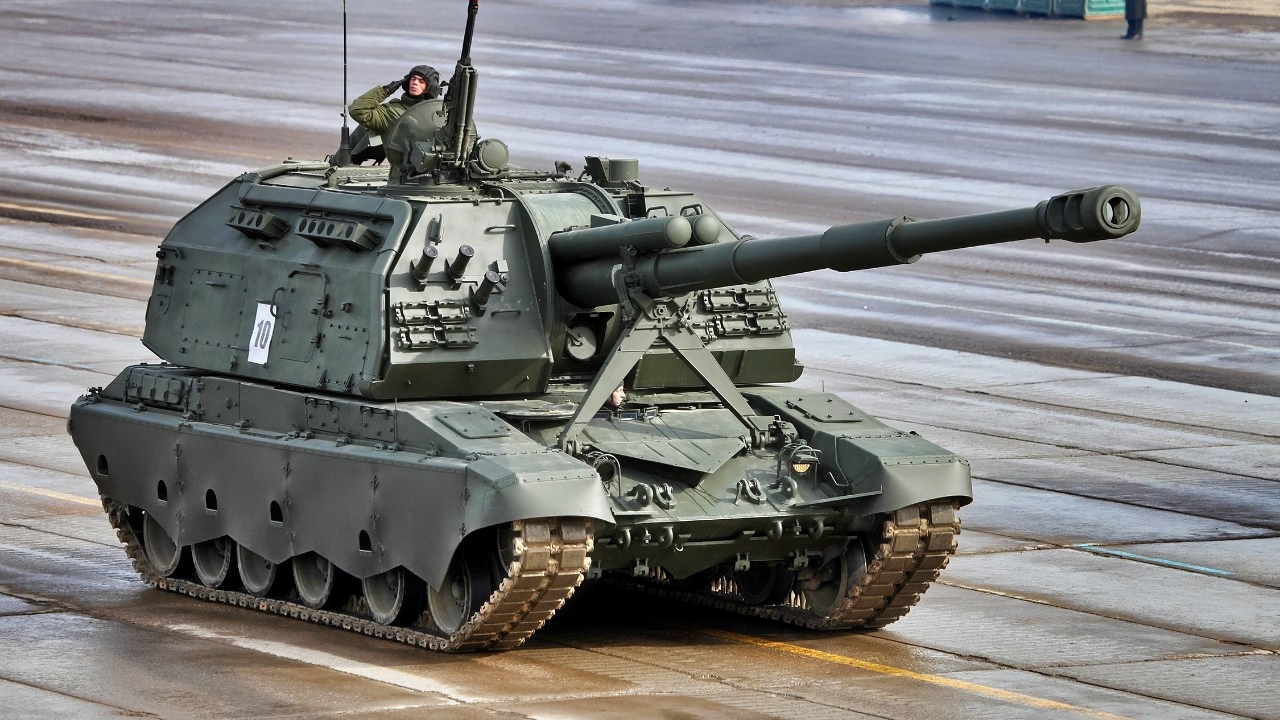
MSTA-S Russian Army. Image Credit: Creative Commons.
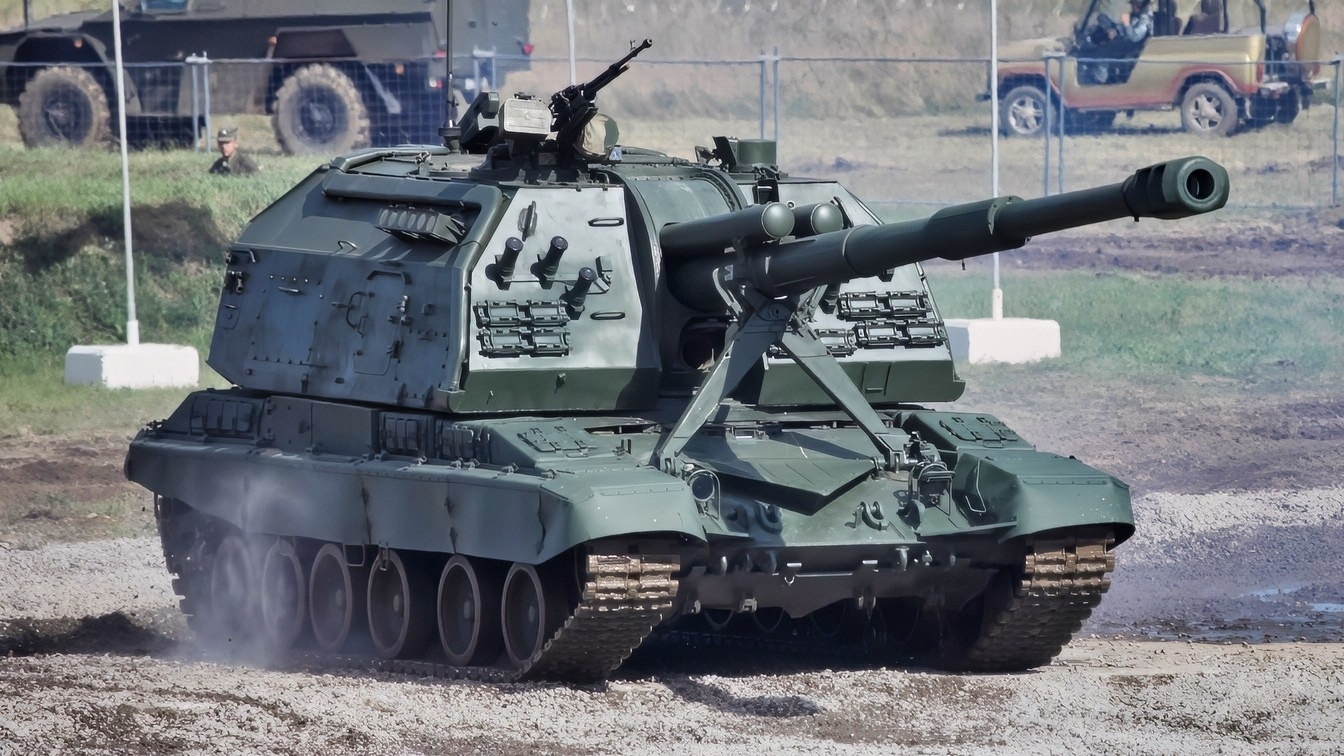
MSTA-S Russian Artillery. Image Credit: Creative Commons.
Once finalized, the ferry links would tie Russia’s Ust-Luga port on the Baltic Sea with Kaliningrad’s Baltiysk port facility.
Squeezed between Lithuania and Poland, Russia’s Kaliningrad exclave was held by the Soviet Union after the conclusion of the Second World War.
Before 1945, however, the area had been known as East Prussia, and its capital was called Königsburg,
New Links to the Russian Exclave
According to recent reporting from The Insider, an independent Russian investigative and fact-checking outlet, Russia is set to spend around $620 million to build a pair of railway ferries that could keep its Baltic Sea exclave supplied if a war breaks out and overland access to Kaliningrad becomes impossible.
The Insider reports that Russian Prime Minister Mikhail Mishustin said the ferry vessels would be built at port facilities in Russian-occupied Crimea, the Ukrainian peninsula annexed by Moscow in 2014. Currently, rail lines from Russia to Kaliningrad run through Lithuania.
Opening rail ferries via the Baltic Sea would allow Russia to skirt NATO territory completely—though ferries transiting that body of water en route to Kaliningrad would be well within range of a variety of weapons and platforms available to NATO forces.
Why Kaliningrad?
The relatively small exclave provides Russia with a valuable port on the Baltic Sea and a strategic toehold within Europe.
Russian military facilities there allow the Kremlin to project power well within the NATO alliance, and the exclave hosts Russian warships, air defense assets, and other weaponry.
In the event of a war with NATO, Kaliningrad could be useful to Russia by tying up alliance forces and putting much of the Baltic and Nordic countries at risk.
But cut off from Russia, Kaliningrad would also have to contend with finite supplies of food and ammunition—hence Russia’s interest in keeping the exclave connected to the rest of the country.
What Could Cause a Crisis There?
The Kremlin has accused Europe of being a direct party to the conflict in Ukraine thanks to its support of Kyiv and its fight against the full-scale Russian invasion launched by Putin in 2022.
But safely behind the protection of the NATO alliance, it is difficult to see how Russia could fight — and win — against the combined might of Europe.
Thanks to a recent data breach of Rosstat, a Russian federal statistical body, by a pair of hacking groups, high-quality information about Russian deaths uncovered that in its current fight against Ukraine, Russia has lost around half a million men, a figure that does not include those wounded in action or missing.
The figures beggar belief and represent more losses suffered by the Kremlin in all the wars it has fought — combined — since the end of the Second World War.
So while a full-fledged invasion of a European country by Russia is exceedingly unlikely, there is certainly the possibility of a miscalculation.
There have been several incidents on NATO’s eastern flank involving Poland and the Baltic countries that have seen errant Russian drones or missiles stray into NATO airspace and land on NATO territory.
Those incidents were, however, not massed attacks, but misguided munitions or potentially probing pinprick attacks intended to test the response of the NATO alliance.
Alternatively, the considerable infrastructure—communications and internet cables—underwater in the Baltic Sea could be disrupted by Russia in attacks that would be difficult to determine as accidental or nefarious in nature.
Weekend Disruptions
Over the weekend, flights to Kaliningrad’s main airport were disrupted after a Russian military cargo ship had been attacked by dozens and set ablaze, the latest in a spate of attacks against Russian shipping in the Baltic and Mediterranean Seas.
At the moment, it seems, the risk to Russia is perhaps not Kaliningrad itself—but the ships that criss-cross the Baltic and other seas, transporting Russian goods.
About the Author: Caleb Larson
Caleb Larson is an American multiformat journalist based in Berlin, Germany. His work covers the intersection of conflict and society, focusing on American foreign policy and European security. He has reported from Germany, Russia, and the United States. Most recently, he covered the war in Ukraine, reporting extensively on shifting battle lines in Donbas and writing about the war’s civilian and humanitarian toll. Previously, he worked as a Defense Reporter for POLITICO Europe. You can follow his latest work on X.


