

The Iran War has raged for nearly nine months.
There is no end in sight.
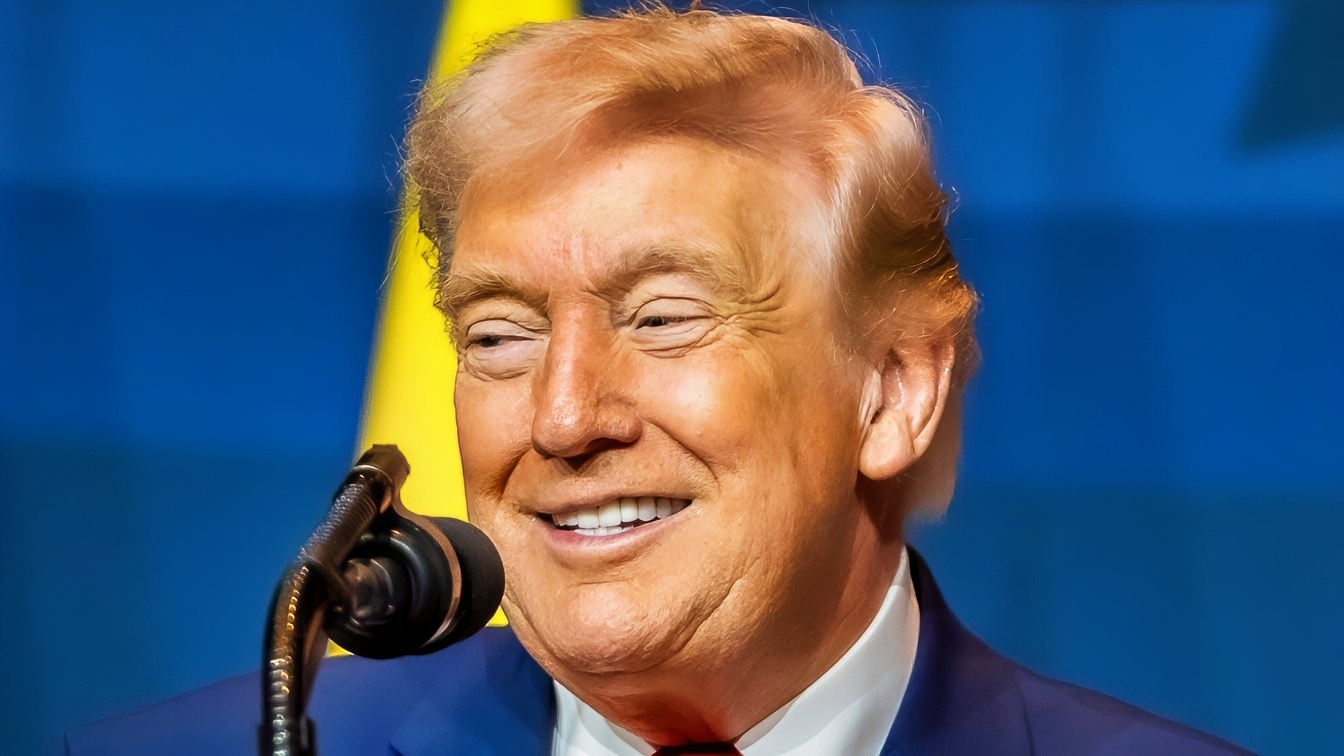
Donald Trump Creative Commons WH Photo
When it began, the White House insisted that the conflict would last at most five weeks.
In fact, President Donald J. Trump said he believed the war would last only a few days.
All these projections were wrong.
And because of the war, the American people have struggled immensely.
The economy has declined.
People’s standards of living have declined, too.
The cost of most goods has exploded.
People are angry–and they know that the war is a main reason behind their economic woes (which is why so many people voted against the Republican Party in the 2026 Midterms).
The Most Unpopular War in the History of Polling
A study featured in Responsible Statecraft highlighted the problem facing the Republican Party and President Donald Trump.
According to the study, the Iran War is the most unpopular war the United States has ever fought since firms started polling war sentiment (going back to the Second World War).
That means that the Iran War is more unpopular than the Vietnam War, which had been the most unpopular war this country has ever fought since firms started tracking war support in America.
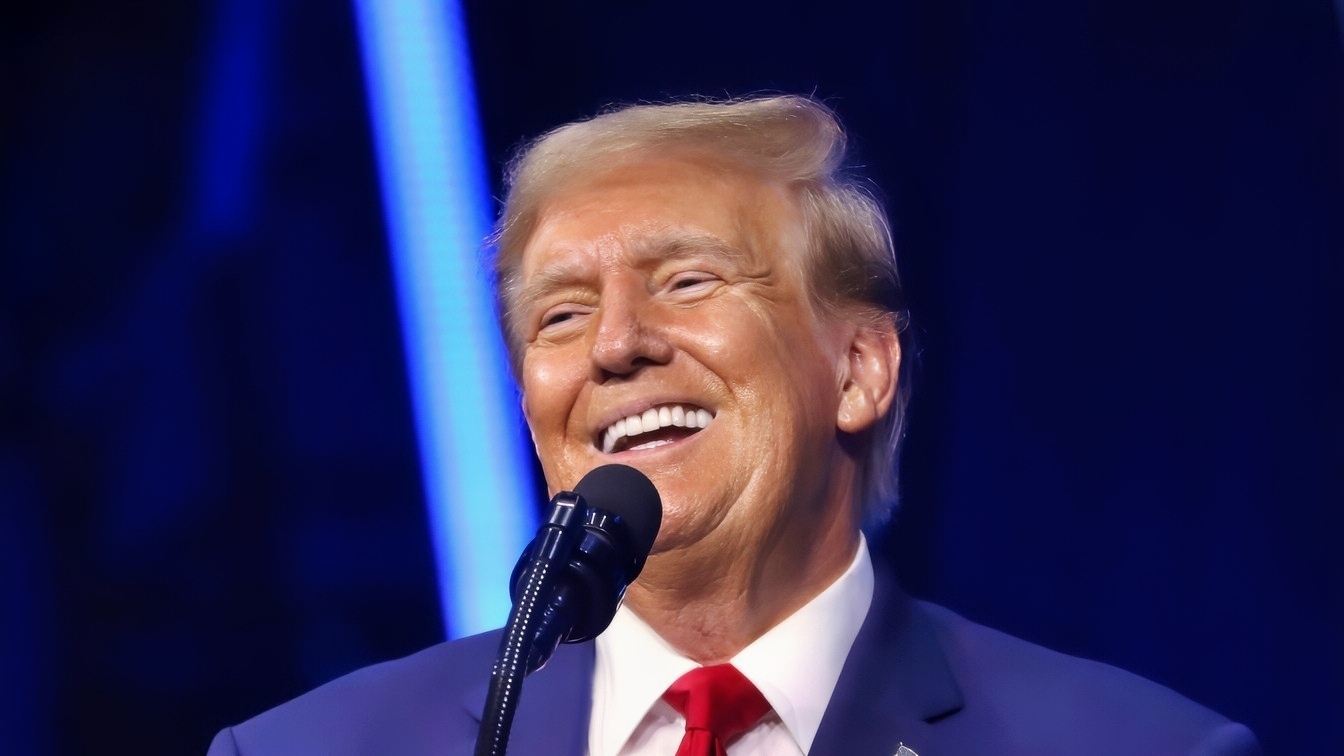
Trump Happy Back in 2024 Creative Commons Photo
This might confuse some people.
After all, there have not been many American casualties in the war. Only pilots and sailors are engaged in combat. Yet, the American people hate this war the most.
Even Vietnam started with a degree of support that the Iran War lacked.
From day one of the Iran War, there was no popular sentiment supporting the war. Only a faction of war hawks in Washington, D.C., and Tel Aviv wanted the war. No one else in America wanted this fight.
The apparent lack of an endgame has also upset Americans. In fact, the lack of a justification for the war has caused much opposition to the conflict.
The president did not do as either Lyndon B. Johnson at the start of the Vietnam War or George W. Bush in Iraq did. Trump, the ultimate salesman, never really sold the case for war.
Almost like it wasn’t even really his product.
Sure, Trump made some references to Iran getting nuclear weapons and how that was unacceptable. But he also insisted that his administration “obliterated” Iran’s nuclear weapons program last year.
The Justification for War
Some administration officials referred to the popular protests that erupted in Iran at the start of 2026. According to them, Trump wanted to help the protesters (he posted as much on Truth Social in January 2026). Even that case, though, was relatively muted.
LBJ justified the Vietnam War by claiming the North Vietnamese had attacked American warships operating in the Gulf of Tonkin.
Although that turned out to be false, the claim was powerful enough to set things in motion and give LBJ the war powers he needed.
Similarly, President George W. Bush had the fallout of the 9/11 attacks to give him license to make the flimsy case that Saddam Hussein in Iraq was secretly building weapons of mass destruction (WMD) and sharing them with al Qaeda, who planned to conduct a nuclear 9/11 on the United States with those Iraqi weapons.
It was fantastical.
The claims proved to be categorically false.
Nevertheless, Bush made his case, and convinced many Americans at least for a time to give him license to wage war in Iraq.
Before the US invaded Iraq in 2003, a poll from the Brookings Institute indicated that upwards of 53 percent of Americans supported the case for waging war on Iraq.
After US troops invaded Iraq on March 19, 2003, that level of support surged to 72 percent. The Bush administration rode that wave for a time.
Once the first major casualties came in, though, the American people started turning on the war.
By then, however, the country was already committed.
Bush became unpopular, as did his war of choice. But that process took longer than the Trump war of choice against Iran.
A Fast Opposition
Similarly, it took years for the public to turn against Vietnam fully.
When they did turn on it, though, the opposition was so acute that the Democratic majorities that were elected in 1974 had the impetus to finally defund the war (something that opponents of the Iraq War after 2006 could never do).
The Iran War’s opposition, while not marching in the streets as the opposition to the Vietnam War (and even to the Iraq War) had, delivered a decisive rebuke to the war in the 2026 Midterms.
Democrats ran on an antiwar platform and overwhelmingly defeated the Republicans.
Trump never adequately made his case for war, meaning the American people had less interest in giving Trump the wiggle room he needed to implement a sweeping offensive campaign.
Now that every American is feeling the knock-on effects from the war, and that there is no end in sight, the American people have no capacity to give Trump any leeway.
They want Trump to pull the US out of the war immediately. That is why the opposition to the Iran War is so much more akin to the political opposition of the Vietnam War.
A Constitutional Crisis Is Coming
What’s more, this experience raises significant questions about executive authority and congressional oversight.
You see, when the war began, the Republicans had control over both houses in Congress, and the president was allowed to basically start the war without even so much as making his case to the public.
One day, the president awoke and decided to bomb Iran.
The American people opposed this and voted for the Democrats.
The president will face several challenges from the new Democratic majorities in Congress.
He will fall back on executive privilege and the inherent authorities given to the executive to wage war.
Just as with Vietnam, though, one can anticipate that the Democrats in Congress will push back hard on the executive branch, along with the courts, and that this pushback might create a real constitutional crisis as Trump clings desperately to the one policy field–war–making– where he has greater constitutional authority.
About the Author: Brandon J. Weichert
Brandon J. Weichert is the Senior National Security Editor. He also manages The Weichert Brief on Substack. Weichert is the co-host of The Mario Nawfal Show on Twitter/X. He is the author of four bestselling national security books, most recently A Disaster of Our Own Making: How the West Lost Ukraine (Encounter Books). His next book, Fortress Americas: A New Monroe Doctrine (Tucker Carlson Books), is due out December 8. Follow him via Twitter/X @WeTheBrandon.


