
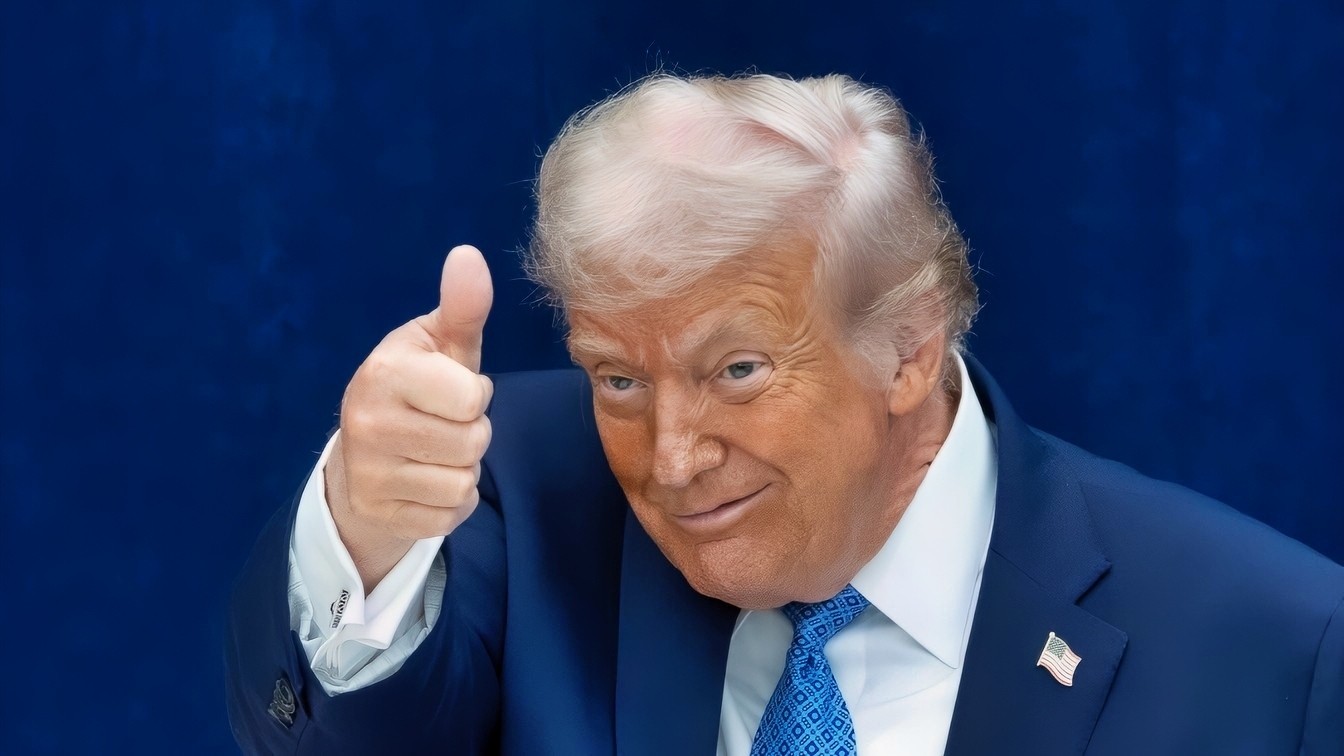
The Trump administration is reportedly considering targeting senior members of the regime in Tehran, with the president still weighing his options and considering what a resumption of major military strikes against Iran could look like in the new year.
The plans are said to be supported by senior members of the administration, who believe eliminating some of the most hard-line figures in the Iranian government could make it easier for Washington to reach a diplomatic agreement with Tehran and finally end the war.
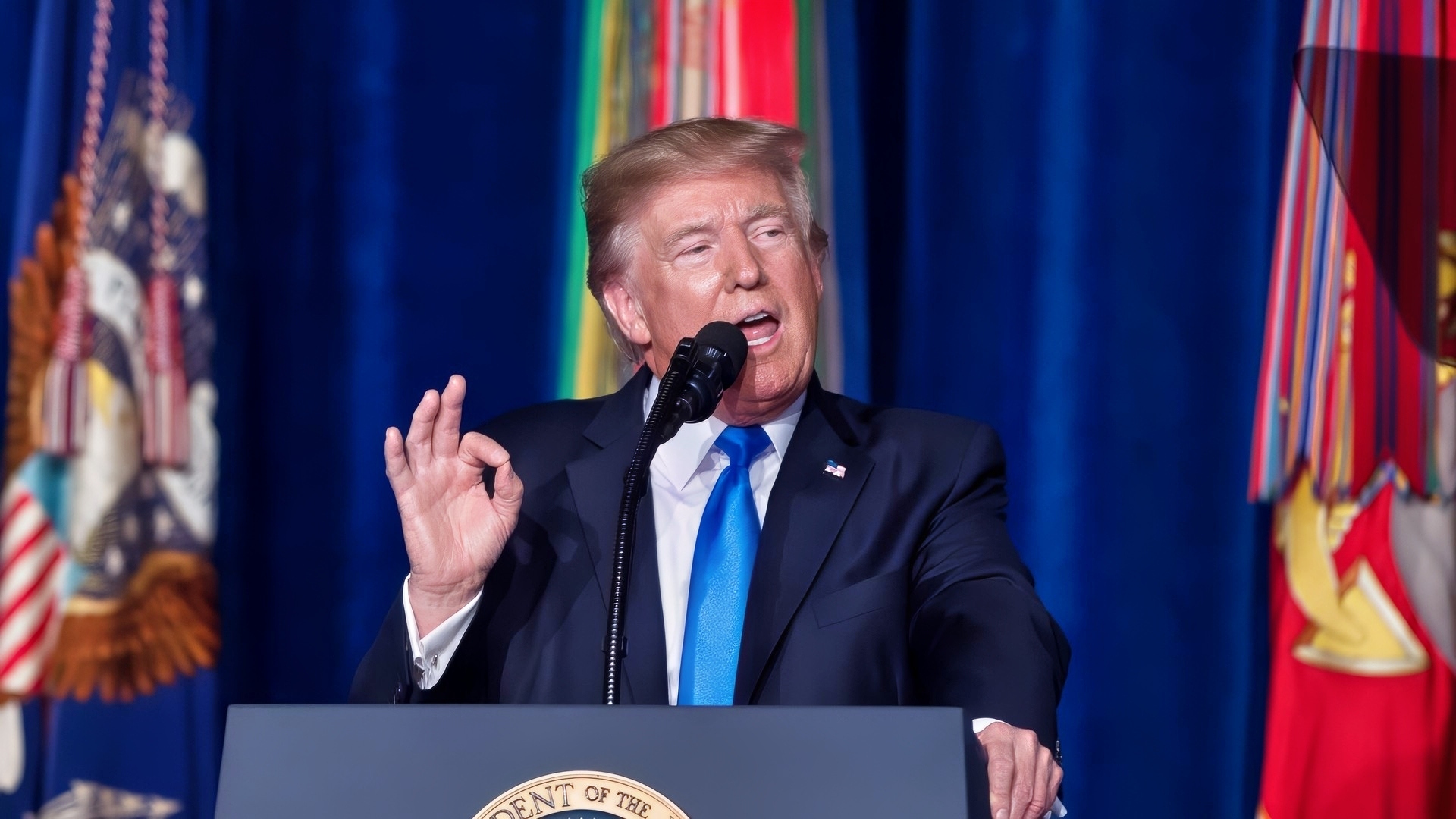
President Donald J. Trump addresses the nation on the South Asia strategy during a press conference at Conmy Hall on Fort Myer, Va., Aug. 21, 2017. (DoD photo by Army Sgt. Amber I. Smith)
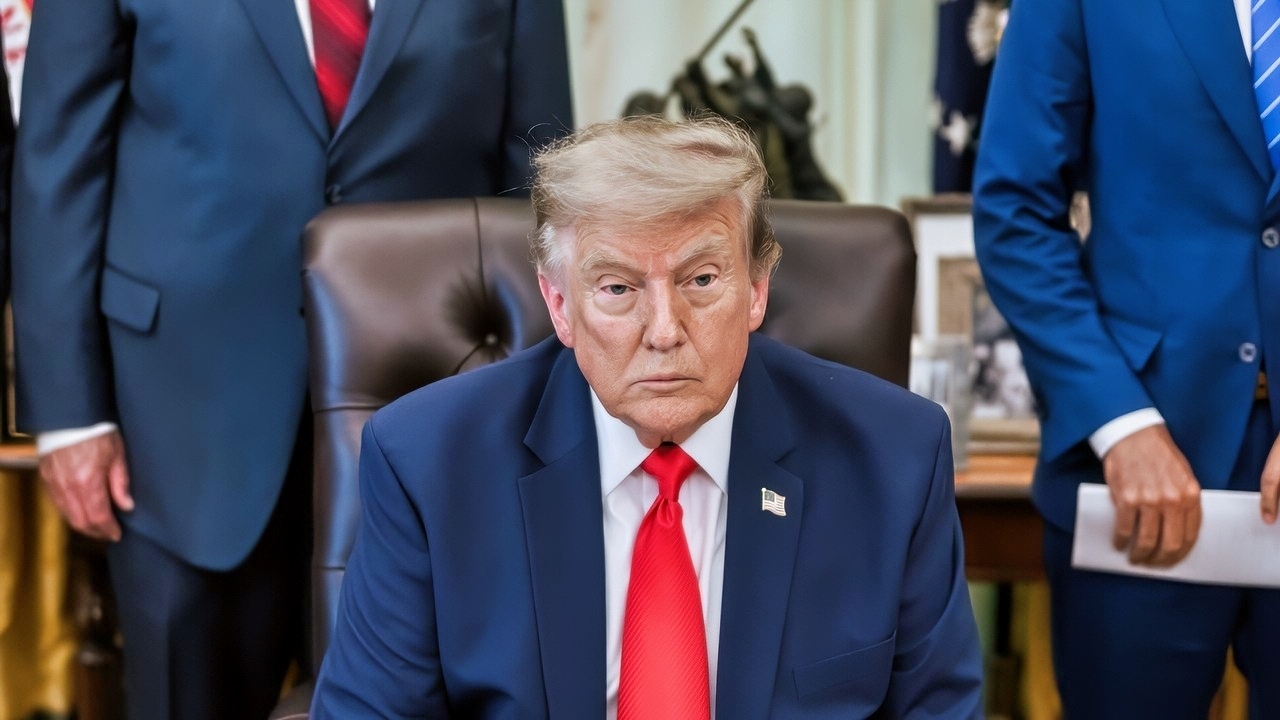
President Donald J. Trump makes an announcement regarding Dulles International Airport alongside Transportation Secretary Sean Duffy in the Oval Office, Wednesday, July 29, 2026. (Official White House Photo by Daniel Torok)
Reports this week reveal that members of the administration are divided over the plans, with some concerned that the strikes could make it harder for Washington to negotiate an agreement.
The reports also come as Israel makes serious accusations about Tehran’s alleged development of chemical weapons, and as Iranian military commanders claim to have strengthened their ability to control traffic through the Strait of Hormuz.
They Did It Before: Who Trump May Target, and Why
When the U.S. and Israel launched Operation Epic Fury and Operation Roaring Lion on February 28, the very first round of strikes was intended to take out senior members of the Iranian regime in Tehran. And those strikes achieved that goal, killing Iranian Supreme Leader Ayatollah Ali Khamenei and Islamic Revolutionary Guard Corps (IRGC) Commander Mohammad Pakpour.
On March 17, Israeli strikes killed Iranian national security chief Ali Larijani and Basij paramilitary commander Gholamreza Soleimani.
But despite killing some of the regime’s most influential and powerful figures, the Trump administration is still struggling to secure concessions from their successors.
While some regime figures have expressed interest in making a deal with Washington, several hardliners remain committed to fighting for as long as it takes.
Among them is Mohsen Rezaei, a former IRGC commander who was appointed secretary of the Supreme National Security Council on August 9. Rezaei has insisted repeatedly throughout the conflict that Iran will never agree to remove its stockpile of enriched uranium.
He has even entertained the possibility of Tehran changing its official policy on developing nuclear weapons.
And then there’s Iranian Parliament Speaker Mohammad Bagher Ghalibaf, who has played a central role in negotiations with Washington.
Ghalibaf insists that Tehran will not give up its ambition to maintain control over the Strait of Hormuz, even after the war, telling reporters again in November that the waterway will never return to its pre-war status. Ghalibaf, among others, believes that Iran should retain the right to charge fees for companies and vessels transiting the strait.
Other senior military figures in Iran have also said that they would prefer to continue fighting than make concessions to Washington, even as the country’s domestic economic crisis deepens amid the U.S. naval blockade and ongoing sanctions.
Speaking at a ceremony in Mashhad on August 24, Iranian Army Commander Amir Hatami even said that Iran was prepared to continue fighting Washington for centuries.
“We will fight for 10 generations, 20 generations,” Hatami said. “The only way is to use the language of force to make the enemy understand that it cannot do whatever it wants.”
If Washington goes ahead with the reported plans, these are precisely the kind of figures likely to be targeted.
Why Some Trump Officials Oppose the Plans
One of the arguments reportedly being made by proponents of the plans within the White House is that killing more senior leaders would demonstrate to the surviving regime figures that Washington still has the intelligence and military capabilities it needs to keep eliminating them, without sending in American troops.
But there are still concerns about the consequences of establishing this precedent.
Opponents of the proposal have reportedly warned that launching the operation could encourage Tehran to pursue retaliatory attacks.
And while Iran cannot reach the United States with a missile, it can use its terror proxy network to instill fear inside the United States or trigger terror attacks.
Taking out more Iranian senior leaders would also likely result in the attempted assassination of the president and other senior figures in the Trump administration.
And given that several rounds of strikes against the Iranian leadership have already fundamentally failed to change Tehran’s negotiating position, there’s no telling just how many times the United States may need to kill leadership figures before that position changes.
Iranian Retaliation
In mid-November, reports revealed that U.S. intelligence was indicating that Tehran is already exploring the possibility of using radioactive or chemical weapons against senior members of the Trump administration in the U.S. capital.
Speaking to reporters at the White House, President Trump confirmed that his administration is examining the reports.
White House spokeswoman Lauren Bis later said that there were no credible threats to the U.S. homeland at the time — a comment that doesn’t necessarily mean that Iran isn’t exploring possibilities, but that the Trump administration is confident that any such threat can be neutralized.
However, on November 24, Israeli Defense Minister Israel Katz accused Tehran of actively plotting to assassinate President Trump and members of his family.
About the Author: Jack Buckby
Jack Buckby is a British researcher and analyst specializing in defense and national security, based in New York. His work focuses on military capability, procurement, and strategic competition, and he produces and edits analysis for policy and defense audiences. He brings extensive editorial experience, with a career output spanning over 1,000 articles at National Security Journal, and has previously authored books and papers on extremism and deradicalization.


