

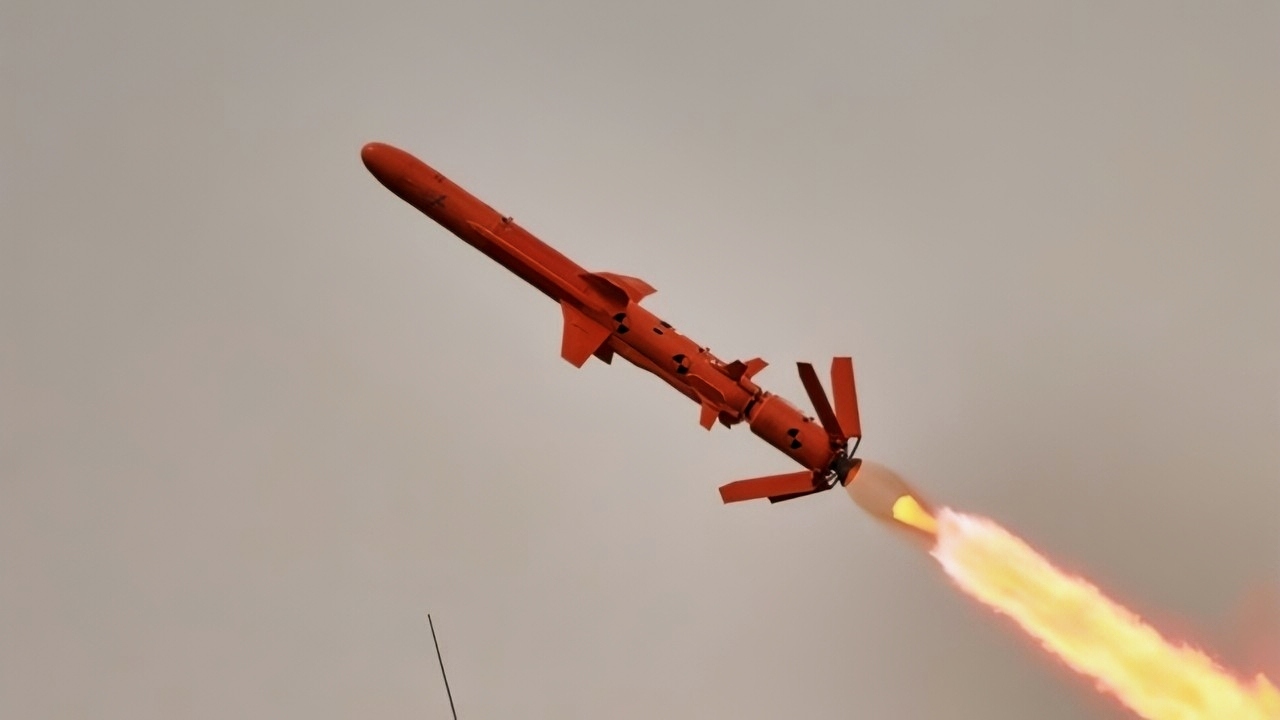
Ukrainian forces struck a pair of oil refineries in Russia’s Samara Oblast overnight, attacks that saw fires break out at the facilities, Ukraine’s General Staff reports.
“Two oil refineries caught fire simultaneously in the Samara region,” the General Staff wrote on its Telegram Channel. “Ukrainian defense forces, in coordination with the “Black Spark” insurgent movement operating within the Russian Federation, struck the Kuibyshev Oil Refinery in Samara and the Syzran Oil Refinery in Syzran.”
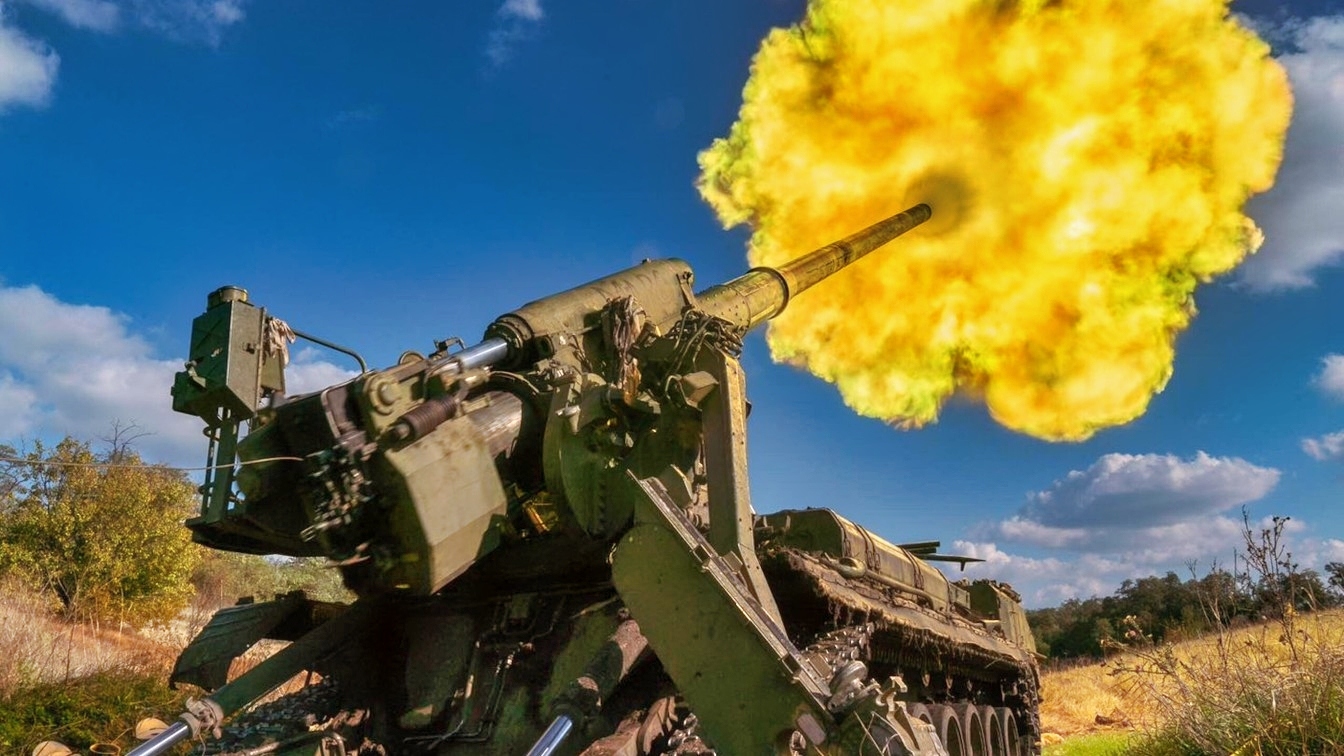
Ukraine Artillery Strike. Ukraine Armed Forces Photo.
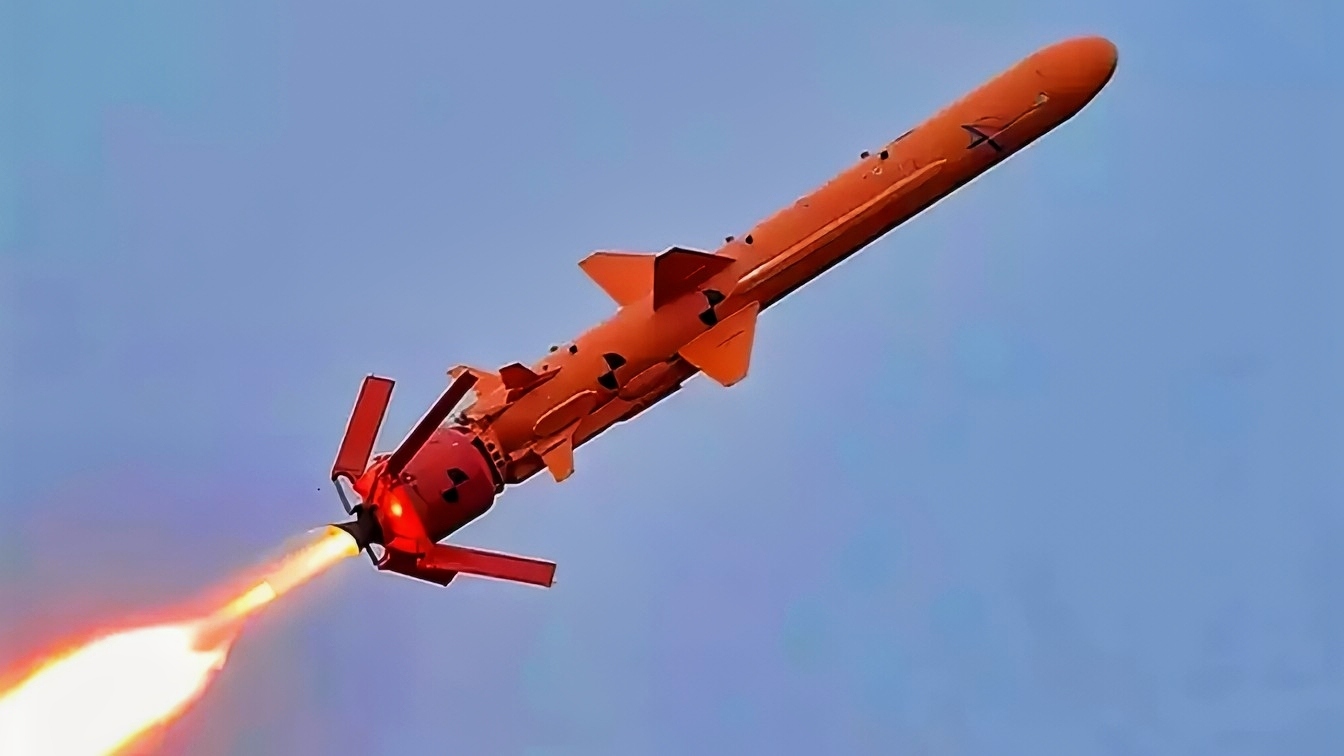
Ukraine Cruise Missile Ministry of Defense Photo
According to the Kyiv Independent, Ukraine’s leading English-language newspaper, the two refineries are about 800 kilometers, or roughly 500 miles, from Ukraine’s front lines. The Kuibyshev is believed to be one of the largest oil refineries in the region.
Recent reporting indicates that almost fifty percent of Russia’s oil refining capacity has been cut due to the strikes on infrastructure by Ukrainian forces, with some refineries struck two or more times.
Consequently, Russian oil refining capacity has sunk to a nearly two-decade low. The strikes have forced surprising domestic fuel shortages for one of the world’s leading fuel exporters.
The energy squeeze was so acute earlier this fall that Russian authorities moved to relax environmental regulations to speed refining and make more fuel available to commuters.
Additionally, the export of diesel abroad was temporarily banned to prioritize domestic consumption of the fuel. The measures were, however, not enough to avoid the kinds of long at-the-pump lines witnessed earlier this summer.
While Europe as a whole took significant steps to wean itself off of Russian energy following Moscow’s full-scale invasion of Ukraine in February of 2022, the continent continues to purchase Russian liquefied natural gas in significant quantities.
Beginning January 1st, Europe will, however, cease to purchase Russian LNG, though in the first ten months of 2026, imports increased by more than six percent, according to Reuters.
Tit-for-tat Strikes
Although American President Donald Trump had implored Kyiv to refrain from hitting Russian oil and gas infrastructure, a move seemingly aimed at cooling at-the-pump prices in the United States ahead of the American midterm elections earlier this month, Kyiv said it would do so only when and if Russia also ceased its targeting of Ukrainian civilian energy infrastructure.
But Moscow has shown little interest in reaching some sort of compromise with Ukraine.
“We see that the Kyiv regime continues to attack our refining facilities, despite the US president’s appeal and direct request to refrain from such attacks. But the Kyiv authorities are ignoring this advice,” Putin said during a meeting with oil executives.
“In this regard, I would like to stress that retaliatory measures on our part are inevitable,” Putin added.
Overnight, Ukraine’s general staff also reported that five Russian warplanes parked at Russia’s Savasleyka airfield had been hit, about 300 kilometers or 185 miles east of Moscow, the Russian capital.
The hits included three MiG-31s and two Su-34 aircraft. The airfield there has been an important node in Russia’s campaign against Ukrainian civilian infrastructure and has frequently been used by Russian forces to launch glide bombs and a variety of missiles.

MiG-31 Russian Air Force. Image Credit: Creative Commons.
But it is not only Russia’s refineries and aircraft that have found themselves in Kyiv’s crosshairs — some of Putin’s pet projects too have come under fire.
Russian Bridge Down
Earlier this week, Ukraine struck the Kerch Strait bridge, a rail and road connector that crosses the Kerch Strait and links mainland Russia with Ukraine’s Crimea peninsula, annexed by Russia in 2014.
Footage of the bridge strike posted to social media showed Ukrainian drones and missiles hit the bridge, causing one of its spans to sink into the water, seemingly unusable, though later videos posted to social media appeared to show that at least part of the bridge was still standing and apparently open to traffic.
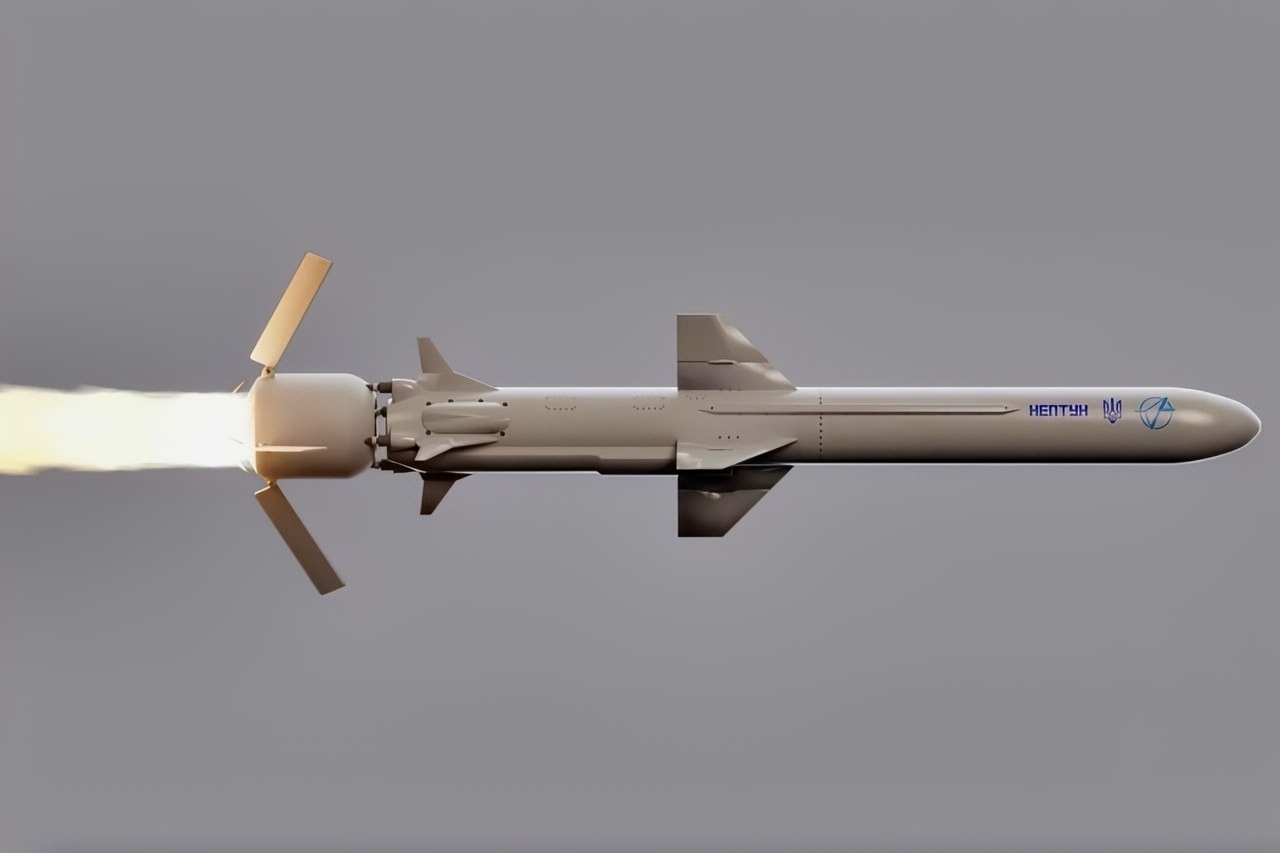
Neptune Missile. Image Credit: Government of Ukraine.
The bridge is considered an important project of Vladimir Putin, who opened it to great fanfare in 2018, and it cost nearly $ 4 billion.
Posting on X, formerly Twitter, Ukraine’s Minister of Foreign Affairs, Andrii Sybiha, did not mince his words. “If Putin doesn’t like Ukraine’s strikes on his oil refineries, he can order an end to the war. If he doesn’t want his military vessels hit, he can order an end to the war.”
The minister drew attention to the hundreds of thousands of Russian soldiers that have been killed or wounded in the course of the fighting in Ukraine. “Stop complaining,” Sybiha added. “End the war.”
About the Author: Caleb Larson
Caleb Larson is an American multiformat journalist based in Berlin, Germany. His work covers the intersection of conflict and society, focusing on American foreign policy and European security. He has reported from Germany, Russia, and the United States. Most recently, he covered the war in Ukraine, reporting extensively on shifting battle lines in Donbas and writing about the war’s civilian and humanitarian toll. Previously, he worked as a Defense Reporter for POLITICO Europe. You can follow his latest work on X.


