

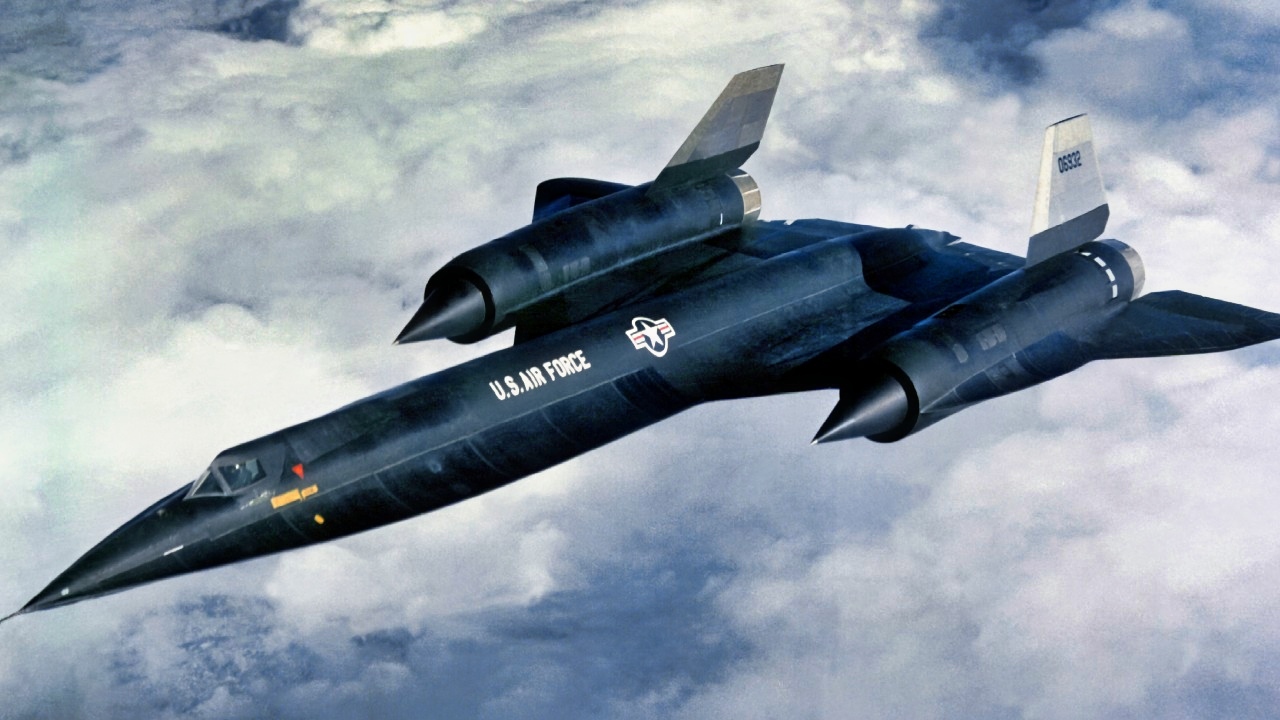
The SR-71 Blackbird is one of the most novel aircraft of the Cold War. The reconnaissance jet operated at 85,000+ feet at Mach 3+ speeds. It was never shot down. The SR-71’s JP-7 fuel was purpose-designed by Shell Oil. The fuel could not be ignited by an open flame. Each SR-71 burned 80,000 pounds of JP-7 per flight. JP-7 cost up to 3 times commercial jet fuel. Each SR-71 was equipped with triethylborane to ignite the JP-7. JP-7 was so corrosive that traditional fuel tank liners would dissolve. The Blackbird’s 6 main fuel tanks formed the exterior skin of the aircraft. The fastest recorded Blackbird flight was set by an A-12 — the SR-71’s CIA predecessor. A-12 #128 hit Mach 3.56 for 15 seconds during a test flight over Area 51. That’s just under 2,400 mph. The test pilot dropped his nose to find cooler air. The speed was never duplicated.
The SR-71 Was Really Fast: The A-12 Made That Happen
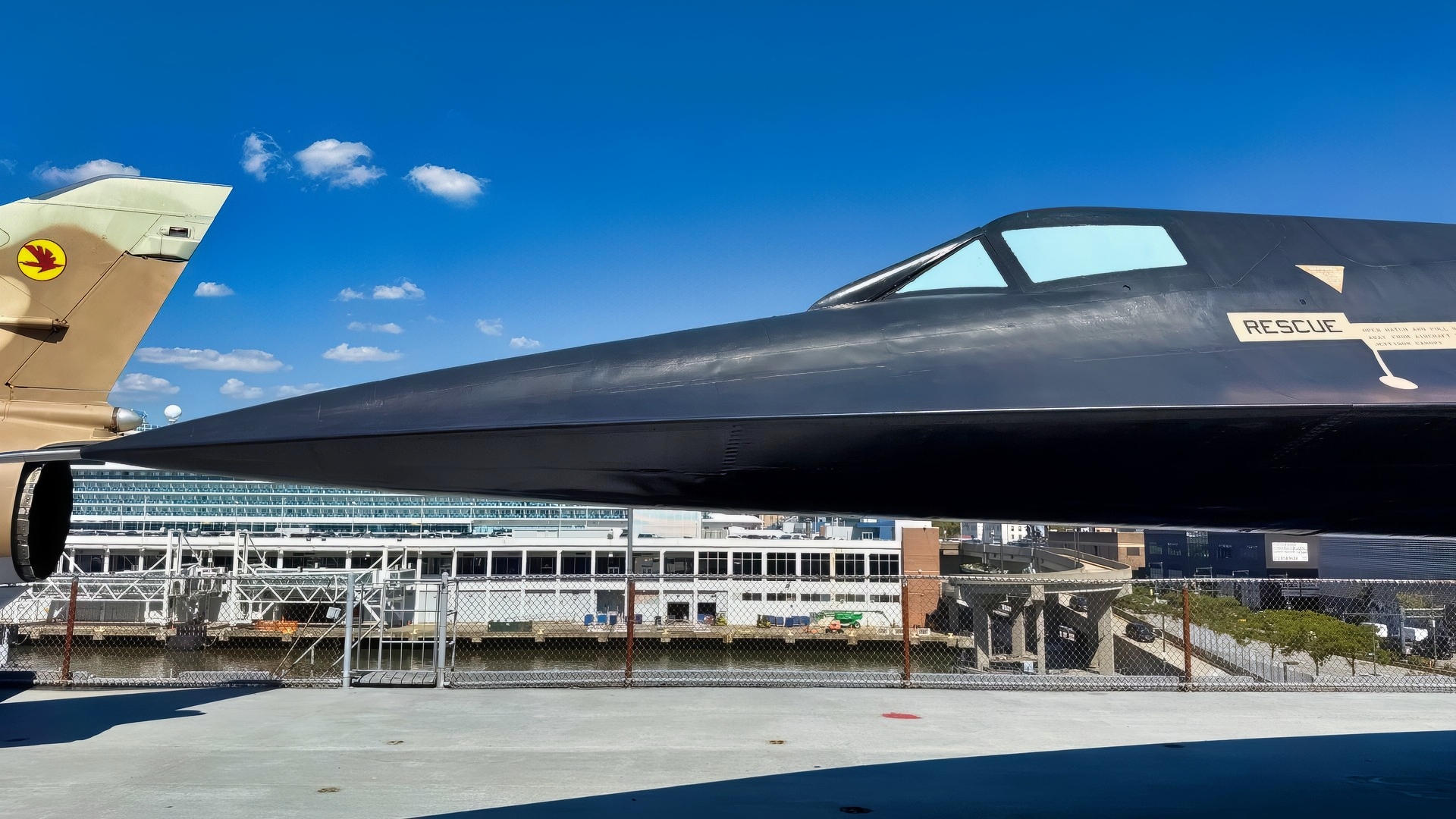
A-12 CIA Spy Plane. Image Credit: National Security Journal.
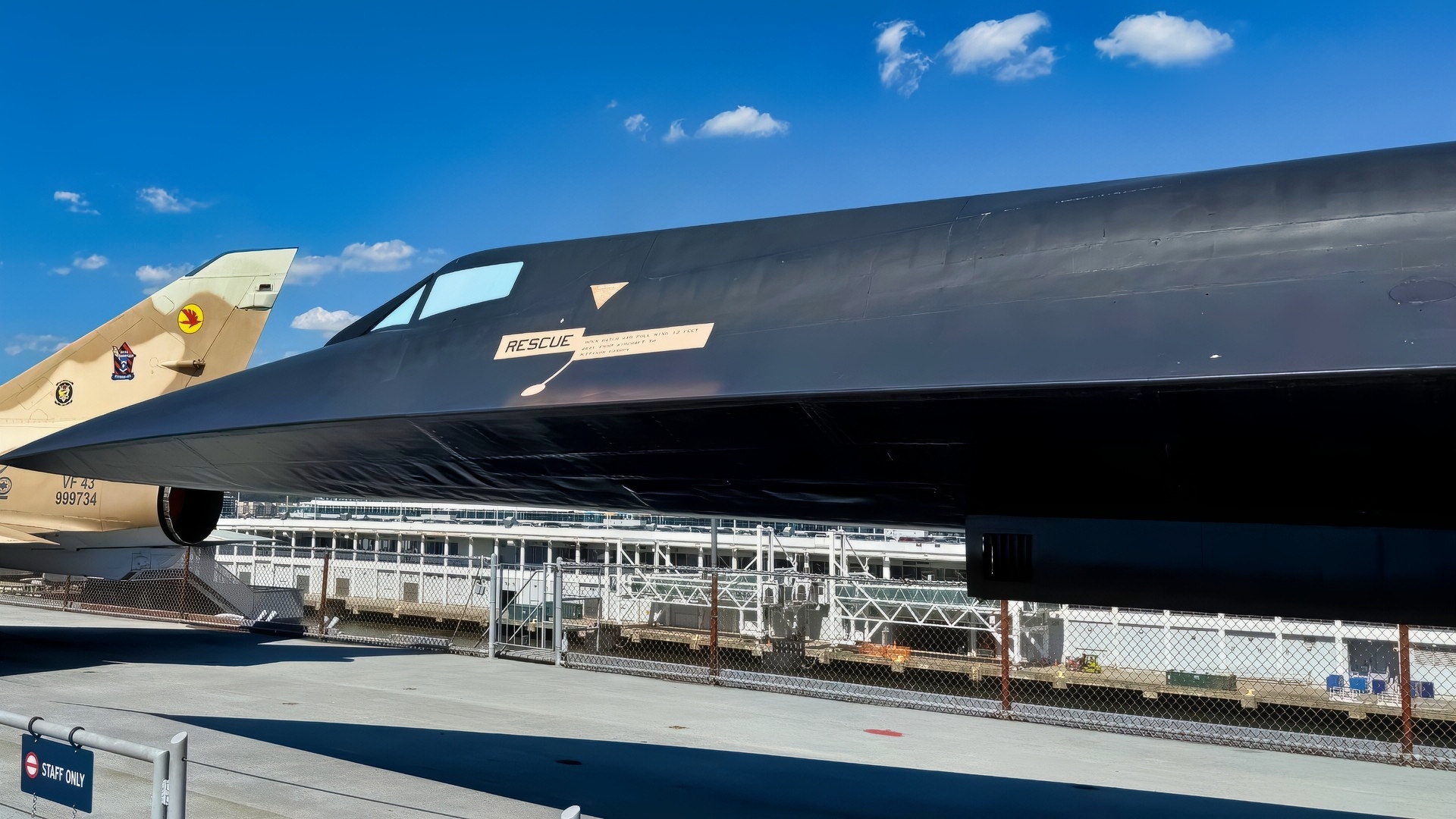
Lockheed A-12 from USS Intrepid. National Security Journal Photo.
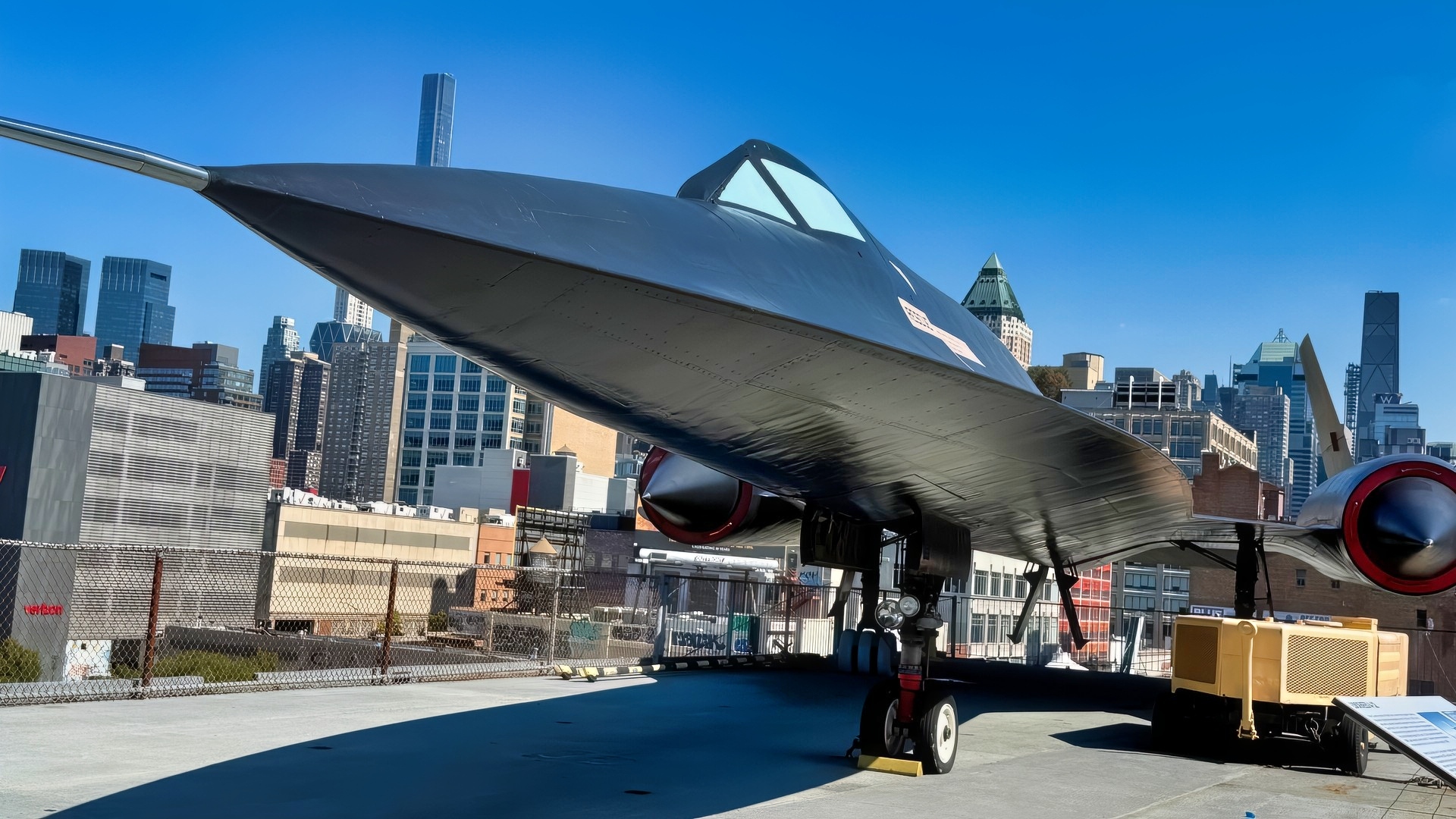
Lockheed A-12 National Security Journal Photo. Taken Onboard USS Intrepid on September 18, 2025.
Arguably, one of the most novel aircraft of the Cold War was the SR-71 Blackbird. Designed to overfly sensitive political and military sites anywhere in the world, the high-speed reconnaissance aircraft was remarkably never shot down. Thanks to its 85,000-foot-plus flight altitude and flight speeds in excess of Mach 3, or three times the speed of sound, the Blackbird outflew all the aircraft and missiles that it ever went up against.
The jet’s airspeed records are impressive. But what was just as impressive were the technologies that had to be invented for the Blackbird to function. One of these was the jet’s fuel — purpose-designed by Shell Oil, and incapable of ignition by an open flame.
Hot, Hot Fuel
The fuel that powered the SR-71 certainly enabled the aircraft to reach Mach 3-plus speeds, though it also served other purposes. As one account explains, “the 80,000 pounds of JP-7, or about 12,000 gallons, needed a flash point high enough to avoid unintended combustion, partly because fuel was used as the primary heat sink to dissipate the high temperature in the airframe.”
But JP-7 was not ordinary jet fuel. Costing up to three times the price of commercial airliner fuel, the Blackbird’s fuel was specially formulated by Shell Oil. The standards were exacting: the fuel needed to contain low aromatics — compounds that include sulfur, oxygen, nitrogen, and others — in essence, a relatively pure, “clean” fuel. But given the fuel’s intended role as a heat sink for the Blackbird, it also needed to be extremely stable. And stable it was.
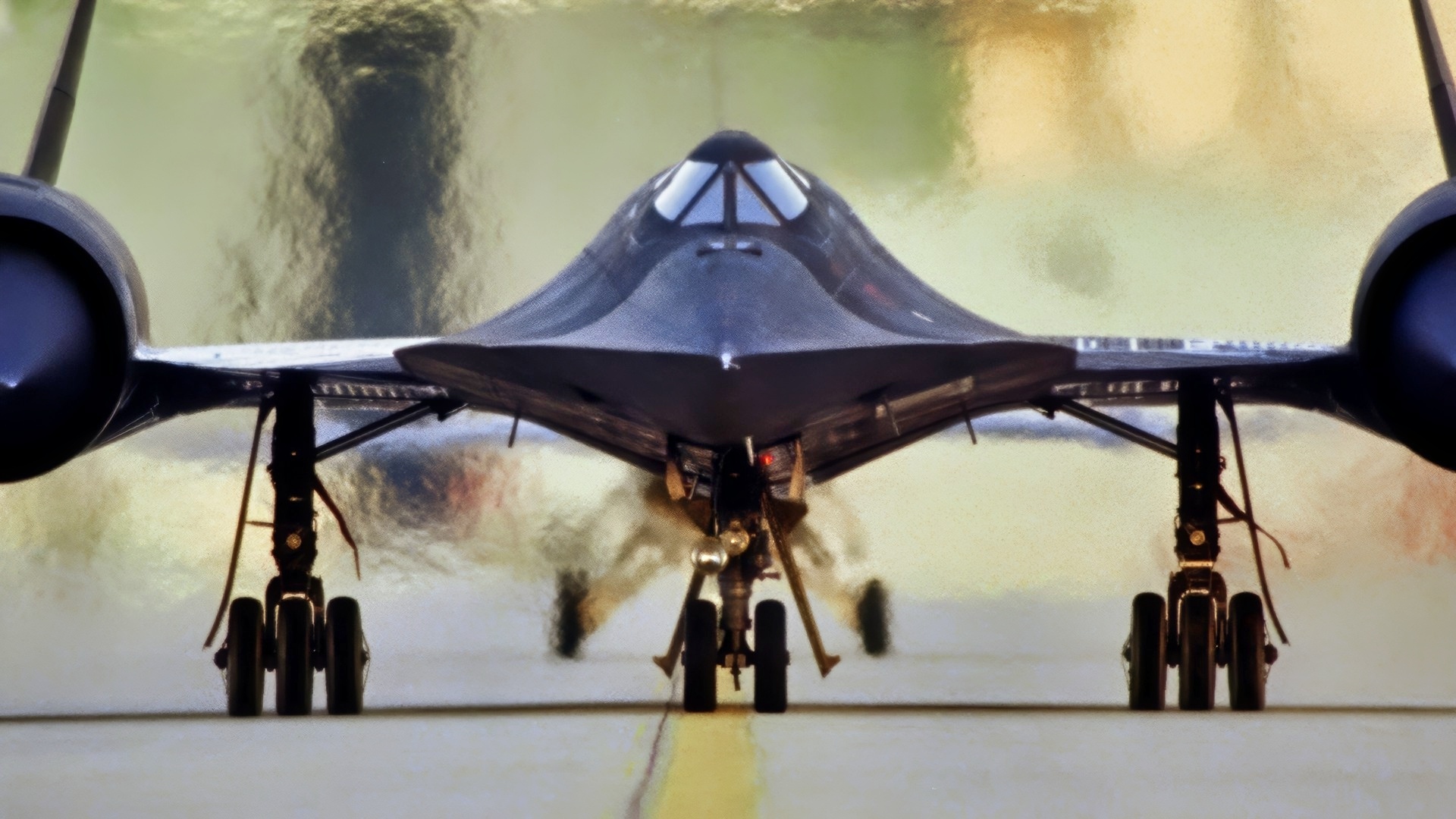
SR-71 Blackbird on the Runway. Image Credit: Creative Commons.
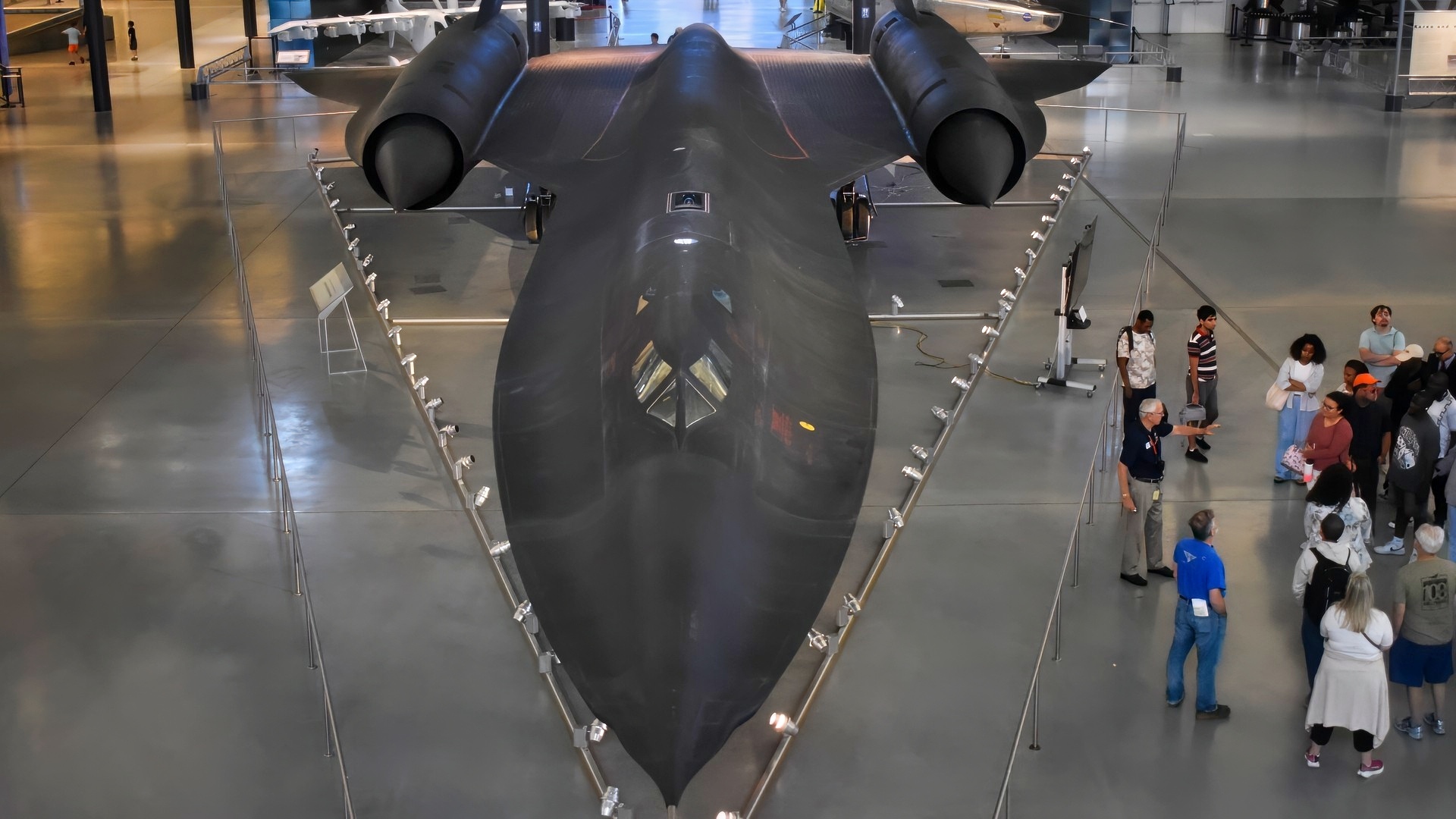
SR-71 Photo Taken September 26, 2025. Image Credit: National Security Journal.
“One anecdote from Lockheed’s Skunk Works tells of a crew chief tossing a match or a lit cigarette butt into a pail of fuel. Legend doesn’t explain how such a man got a job as a crew chief, but does claim that JP-7 extinguished the flame,” a remarkable characteristic — though it should be noted that other “low-volatility” fuels behave in a similar manner.
Each SR-71 was equipped with a small amount of triethylborane, which burned with enough intensity to ignite the JP-7 fuel that powered the pair of Pratt & Whitney J58 engines that propelled the Blackbird. And while the fuel Shell Oil developed worked as intended, it was not without drawbacks. Among the fuel’s more difficult engineering challenges was its extreme corrosiveness.
“A traditional fuel tank liner would dissolve in JP-7, so the six main tanks themselves formed its exterior skin, and were not fully sealed against leaks, allowing for the expansion of the tanks from heat during high-speed flight. Photos of the Blackbird at low altitude often show fuel on its fuselage,” Smithsonian explains.
“In flight, as each pound of JP-7 was burned, the cavity was filled with inert nitrogen gas pumped from the nose wheel well to replace the volatile vapors, and prevent the empty tanks from caving in as the Blackbird descended into higher air pressure.” In the end, however, those challenges were overcome, and JP-7 powered the SR-71 Blackbird to blisteringly high speeds, enough to set records.
All Systems Go
One of the fastest flights recorded was set by an A-12, the SR-71’s closely related predecessor operated by the Central Intelligence Agency. That flight, a test flight over Area 51 in Nevada, was unremarkable — except for 15 seconds of the flight that blew past previous speed records.
“During a routine top speed envelope expansion flight, A-12 #128 was having a hard time getting past Mach 2.7 as the outside air was too warm. The reason for the flight test card that day was to validate a new inlet bypass door schedule,” an SR-71pilot explained.
The test pilot “said he dropped the nose down a bit to see if he could at least reach Mach 3.0.” Something strange happened, however. “Out of nowhere… [the A-12] “hit good air, and in the dive with good air, he redlined everything. He went into his descent profile and headed back to the test site.”
“When all was said and done, and for a very brief 15 seconds…” [that aircraft] hit Mach 3.56, or just under 2,400 mph. Mind you, this was a one-time event and was never duplicated.”
Costs and Benefits
There is no denying that the SR-71 was one of the great technological marvels of the Cold War. It was, however, far from an affordable aircraft to fly and maintain. Though justifiable during the height of the Cold War, the Blackbird’s relatively high price tag was difficult to swallow following the collapse of the Soviet Union and the end of Cold War-era hostilities. During the United States’ unipolar moment, the relative dearth of applications for the Blackbird was a death knell. Wear and tear on the platform had also taken a toll on the Blackbird fleet. Though each SR-71 had withstood decades of operational use, keeping the jets operational naturally cost time and money.
Satellite technology, too, ensured the Blackbird’s retirement, as they could offer a persistent eye in the sky to keep track of sensitive sites around the world, all without a pilot in the loop. Why risk a repeat of the embarrassment caused by the Gary Powers U-2 shoot-down over the Soviet Union? It was a difficult question to answer, but in the end, the Pentagon said “no” to the SR-71.
About the Author: Caleb Larson
Caleb Larson is an American multiformat journalist based in Berlin, Germany. His work covers the intersection of conflict and society, focusing on American foreign policy and European security. He has reported from Germany, Russia, and the United States. Most recently, he covered the war in Ukraine, reporting extensively on the shifting battle lines in Donbas and writing about the war’s civilian and humanitarian toll. Previously, he worked as a Defense Reporter for POLITICO Europe. You can follow his latest work on X.


