
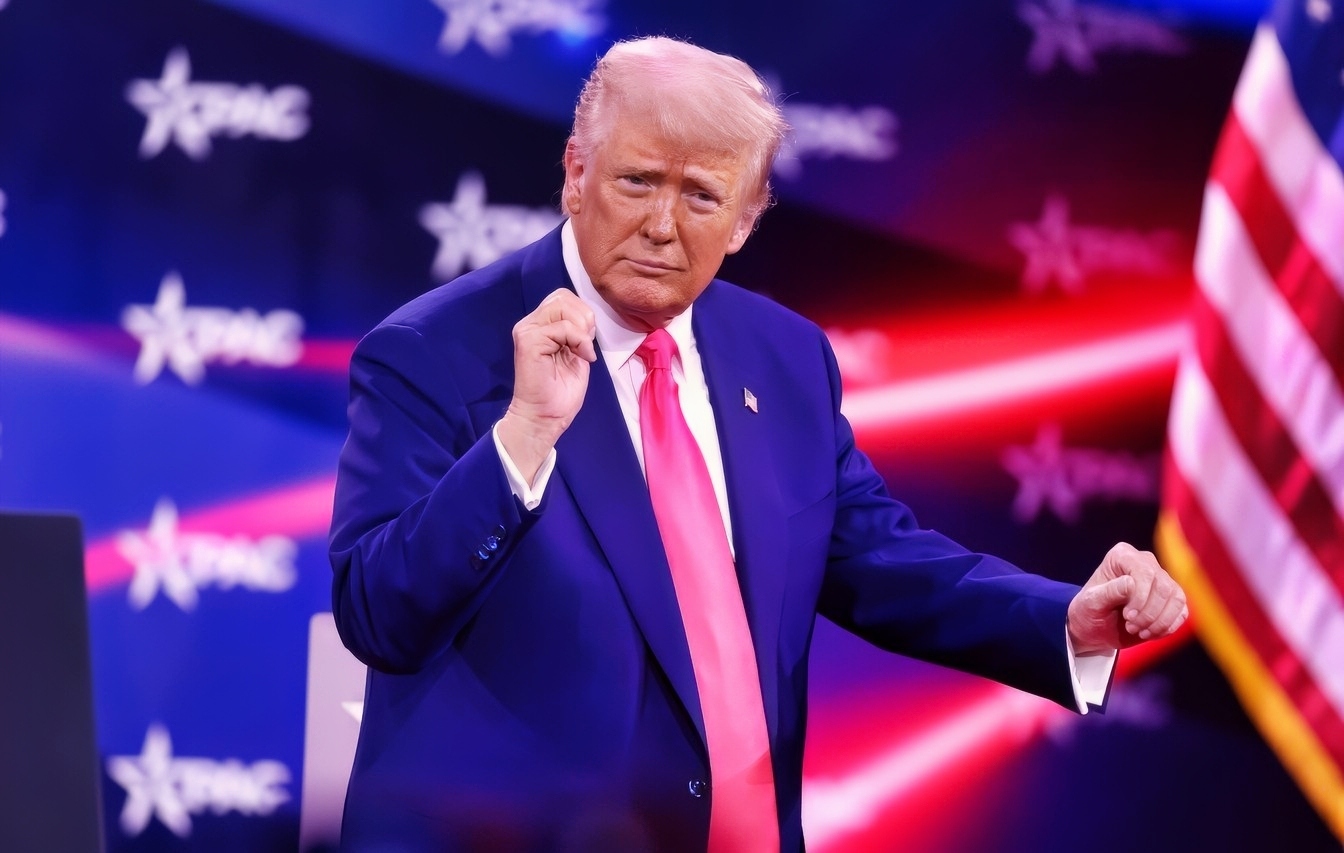
Sweeping midterm Republican losses have revealed glaringly obvious divides among those who voted for Trump in 2024, especially regarding the Iran war and the handling of immigration.
The Loyalists vs. The Disaffected
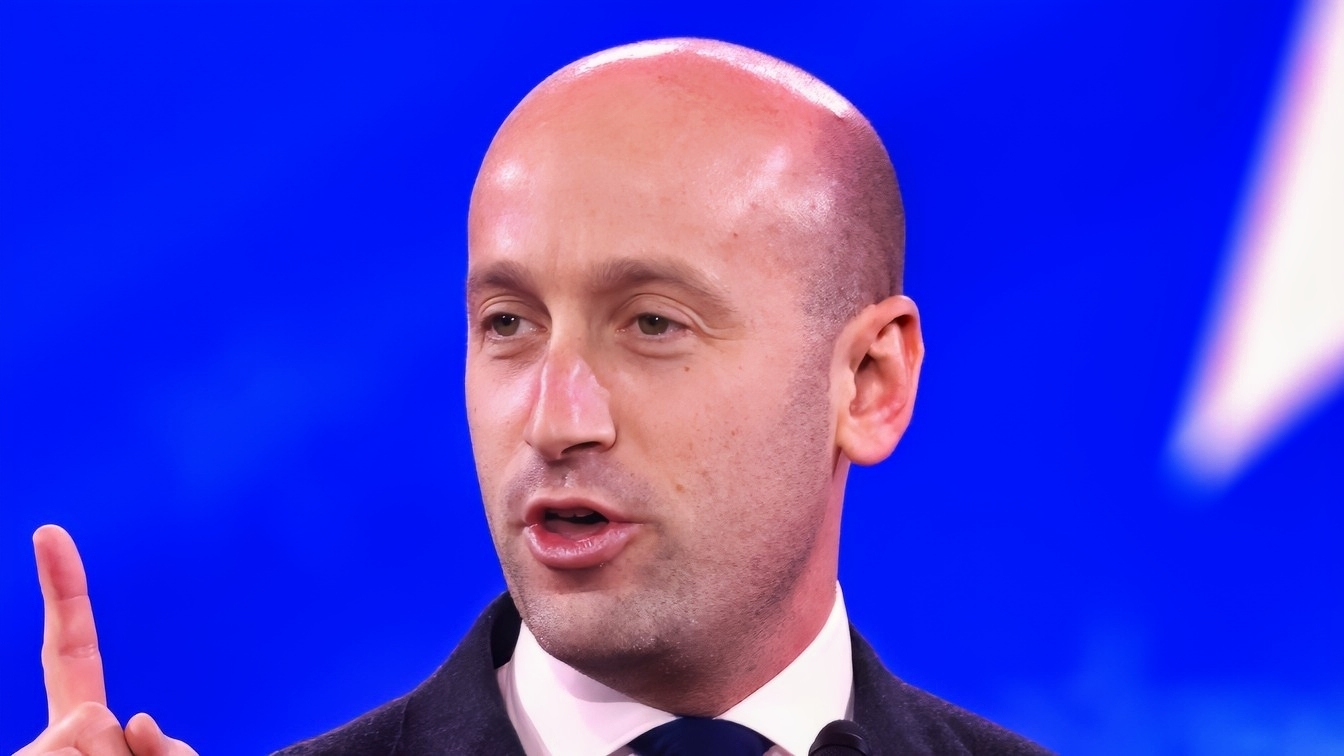
White House Deputy Chief of Staff for Policy Stephen Miller speaking at the 2025 Conservative Political Action Conference (CPAC) at the Gaylord National Resort & Convention Center in National Harbor, Maryland. By Gage Skidmore.
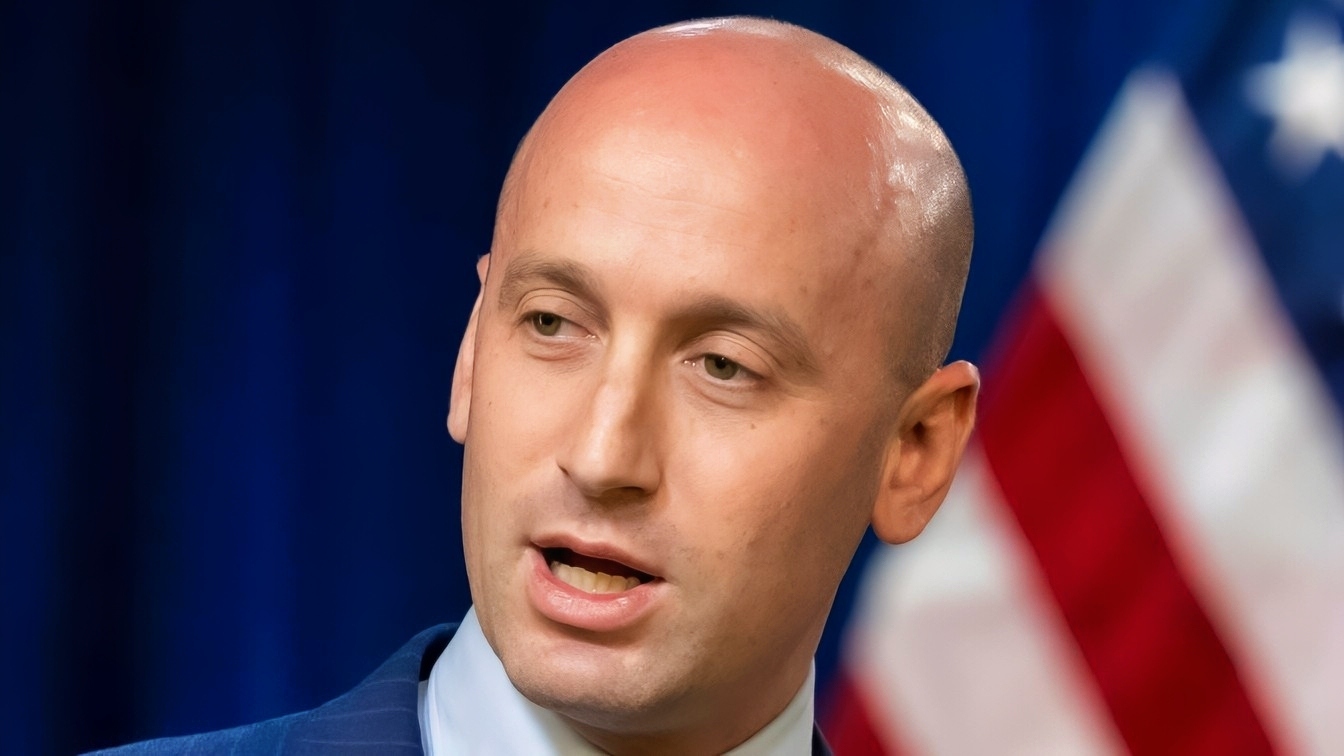
White House Deputy Chief of Staff Stephen Miller speaks to U.S. Immigration and Customs Enforcement (ICE) Special Agents in Charge and Field Operations Directors from around the country at ICE Headquarters in Washington, D.C., May 20, 2025. (DHS photo by Tia Dufour)
The Republican Party is facing a problem that can no longer be ignored after the recent midterm elections: the MAGA movement is no longer a unified front, and faith in US President Donald Trump has deteriorated.
Many of US President Donald Trump’s voters in 2024 were unaffiliated or independent voters whom he convinced to join him through populist messaging.
This same group makes up much of those now disaffected with the administration, but it also includes many die-hard loyalists who turned away after years of supporting him.
A new poll from Politico shows that MAGA loyalists are avoiding placing blame on Trump for the GOP losses, and are more likely to believe unifying around Trump is the way forward.
Voters who do not identify as “MAGA” disagree and blame the president for what happened on November 3, and have distanced themselves from him and his administration.
One out of five respondents said they decided to vote for Democrats in the midterms.
Is It Trump’s Fault or the GOP Candidates Who Ran?
Most non-MAGA voters who helped return Trump to the White House blame the president and his actions during his current term rather than the campaigns of the candidates who ran for House and Senate positions.
This contrasts with Trump himself, who said voters simply did not like the GOP candidates, shifting blame away from his falling popularity and onto the campaigns.
Even voters Trump did not lose are seemingly not very confident he can make a comeback from the midterm losses, with just over half saying they believe he can.
The Top Grievances
Perhaps the main reason voters turned away from the GOP in the midterms is the cost of living and the state of the economy, which should come as no surprise — yet this reason is perceived by voters to be inextricably tied to others, most notably the war in Iran, foreign aid, and illegal immigration.
While voters who remained loyal often cite a more secure border as the true reason, those also concerned about immigration who turned away feel the administration has not fulfilled its Agenda 47 promise of carrying out “the largest deportation operation in American history.”
This represents another divide, one between typically GOP voters who now identify as “America First” and those who remain loyal to Trump and identify as “MAGA.”
One side believes Trump has not done enough about immigration, while the other believes Republicans simply need more time.
Another stark contrast between the two sides is how they view the US government’s close ties to the Israeli government, consistent aid being provided to Israel, and a belief that Israel pressured the US into the Iran war.
The Iran War and Hesitations to Escalate Further
On November 5, an AP Voter poll showed that 6 out of 10 voters believe taking military action against Iran was the “wrong decision,” and that most of those who felt this way voted for Democratic candidates in the midterms. The survey polled over 100,000 voters.
Even Trump’s second-in-command had to admit the war was central to the Republican defeat on November 3.
The day after the midterms, Vice President JD Vance published a lengthy statement on his X account analyzing the reasons voters turned away from GOP candidates.
Citing a poll of voters who planned to switch sides and what it would take to win them back, Vance said the top four reasons given were ending the war with Iran, focusing on the cost of living, putting American interests first, and changing the US’s relationship with the state of Israel.
In his conclusion, Vance said it was clear that the reason Republicans lost “is the war,” something he noted Trump also admitted the night before when the losses became clearer.
Trump now seems hesitant to carry out any more military operations against Iran, and the election results may be one of the reasons why.
The president recently announced that he asked Vance to shift his focus onto crime and corruption in Democrat-run areas rather than trying to reach a deal with Iran, the possibility for which he said is “long since passed.”
Trump believes economic pressure will be all that is necessary to end the conflict. However, in a previous statement days before, on November 9, he reminded Iran that the US is “locked and loaded,” and ready to strike again if necessary.
About the Author: Tim Ramos
Tim Ramos has written for various publications, corporations, and organizations, covering everything from finance, politics, travel, entertainment, and sports – in Asia and the U.S. for more than 10 years.