
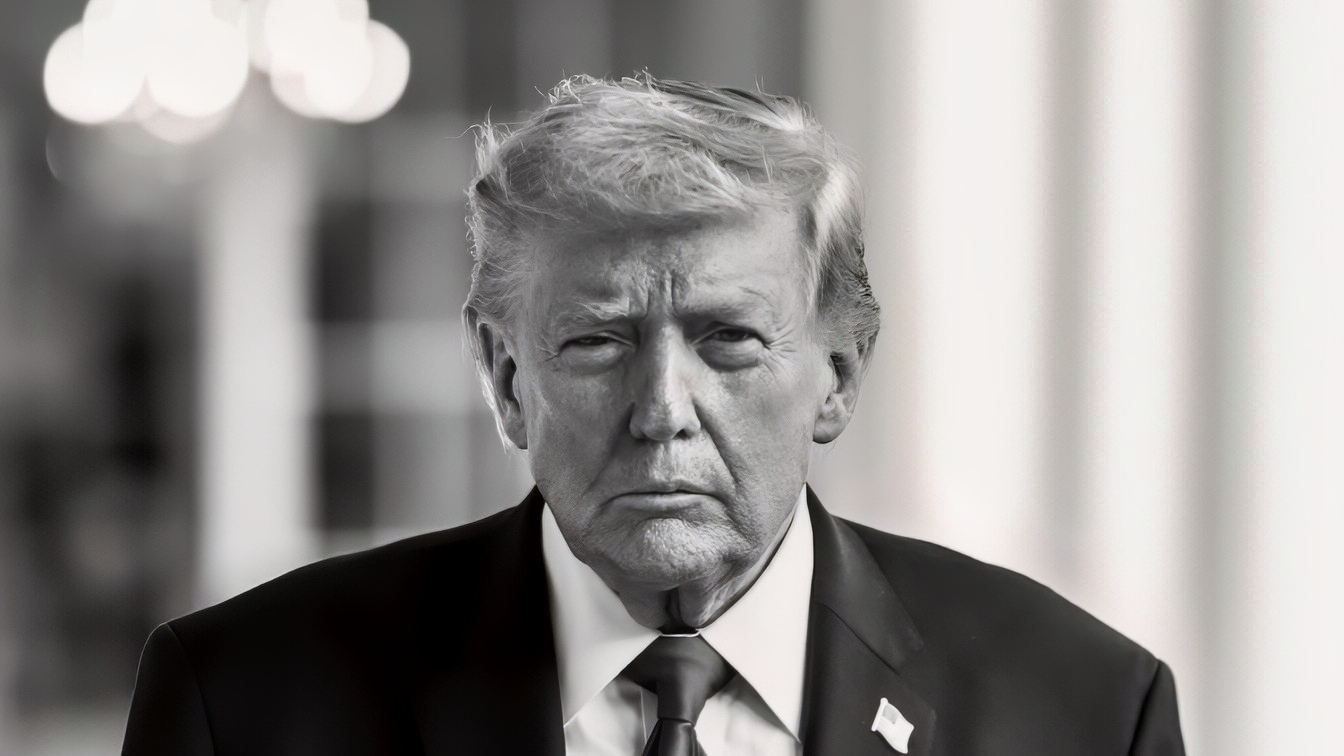
US President Donald Trump’s outside advisers and private companies he has dealt with are now in the crosshairs of probes from a post-Blue Wave Congress next year. And the president is already gearing up to delay court proceedings.
Incoming Democrats Gearing Up to Issue Subpoenas
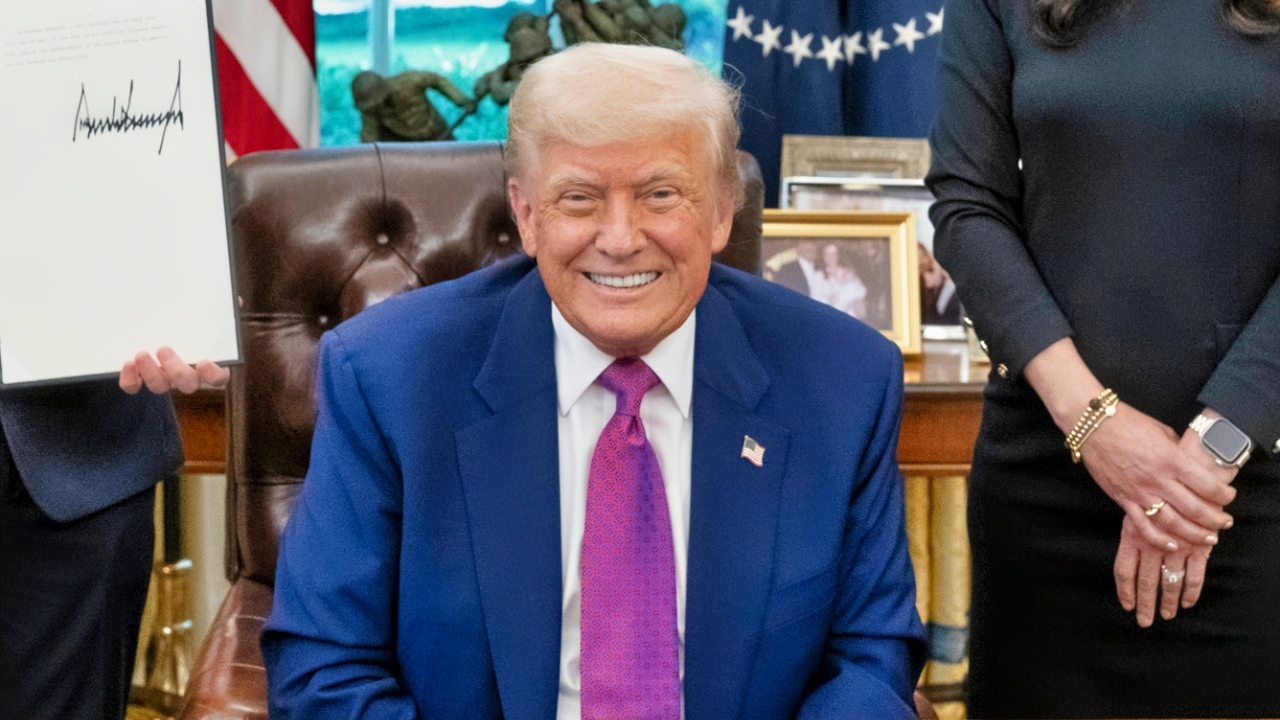
President Donald J. Trump holds a bill signing with members of Congress, Friday, May 9, 2025, in the Oval Office. (Official White House Photo by Molly Riley)

President Donald Trump is joined by Secretary of Commerce Howard Lutnick, Vice President JD Vance, British Ambassador Peter Mandelson, U.S. Trade Representative Jamieson Greer, and Secretary of Agriculture Brooke Rollins, while announcing a trade agreement with the U.K., Thursday, May 8, 2025, in the Oval Office. (Official White House Photo by Emily J. Higgins)
Before the midterm elections’ victory sweep by Democratic candidates on November 3, it was already clear what the strategy would be in 2027 if a Blue Wave took over Congress.
Democrats were already pursuing leads from non-governmental sources while investigating the president and his allies. Likewise, the Trump administration already made it clear that they will fight the imminent probes.
Before the election, Democratic letters were already being sent out related to the Trump administration’s efforts to pressure law firms pursuing him, ties between members of his cabinet and industries those cabinet members are supposed to regulate, and ties between the president’s family and the cryptocurrency industry.
Some of these inquiries have been public, but many of the pre-election inquiries have been private.
After the election, Democrats have ramped up this activity, and past suggest Trump’s strategy will likely be to delay.
Standard Practice
A lawyer from the Gibson Dunn law firm, Michael Bopp, told CNN that Democrats will focus on the president’s use of outsiders to carry out his agenda in office, as well as his efforts to punish anyone in the private sector who does not comply, because it has simply been happening “more this time.”
Using non-governmental sources and pursuing outside companies when exercising oversight over presidential administrations is a precedent that goes back decades in Congress. Bopp says more of these interactions between the Trump administration and third parties are now “of interest to Congress.”
Trump and Allies Not Going Down Without a Fight
Will Scharf, who served as White House Staff Secretary from 2025 to September 2026 and is now the White House counsel, sent a letter to Democratic Rep. Robert Garcia on November 9 and warned him that the Trump administration would “not be extorted” and “cowed.” Garcia is the incoming House Oversight Committee chairman.
Scharf described the probe threats as unlawfully motivated by “animus, pettiness,” and “hatred,” claiming the goal was to “intimidate,” penalize, and “interfere” with the government’s lawful functions.
Garcia appeared on NPR three days later, on November 12, and responded to Scharf, saying the House Oversight Committee would not “be deterred” or “intimidated” by Trump or anyone in his administration.
A Strategy of Delay
It is plausible that Trump will try to shield third parties from complying with subpoenas, which will of course be challenged in court.
The snail-like pacing of the litigation process will then allow the president and his allies to keep the process delayed with appeals.
The Trump administration has already used the argument of executive privilege in existing cases to protect private-sector individuals from subpoenas.
Vermont Democratic Senator Peter Welch mocked Trump’s executive privilege argument, accusing him of applying it to anyone the president “talks to or whose name pops into his mind during a dream.” Welch described it as “damaging” to Congress’s “oversight authority.”
Top investigative lawyers are also preparing to defend congressional witnesses from retaliation if they decide to cooperate with the Oversight Committee.
Washington Litigation Group attorney Mary Dohrmann said recent tactics used by the administration to go after witnesses could chill others from being willing “to air tactics” before the committee.
One notable example is Cassidy Hutchinson, who served as a White House aide during Trump’s first term and later became a key witness in investigations into the January 6 Capitol riot.
The Trump administration tried to bring charges against her but failed after a federal grand jury declined to indict her.
Two more examples include two former FBI agents charged by the DOJ with lying to Congress during a probe related to the Hunter Biden laptop scandal and whether FBI investigators tried to minimize evidence of corruption within the Biden family.
The day before the midterm elections, a federal judge threw the case out. With Democrats now preparing to exercise their newly acquired oversight powers and the White House signaling its intention to resist, the American public can probably expect two years of legal battles and political chaos.
About the Author: Tim Ramos
Tim Ramos has written for various publications, corporations, and organizations, covering everything from finance, politics, travel, entertainment, and sports – in Asia and the U.S. for more than 10 years.