


Less than 1 percent of Americans serve in the military, and approximately 6 percent are veterans.
With these low numbers, critics have claimed that the Global War on Terror did not touch enough citizens for the public to fervently demand that the wars in Iraq and Afghanistan stop sooner.
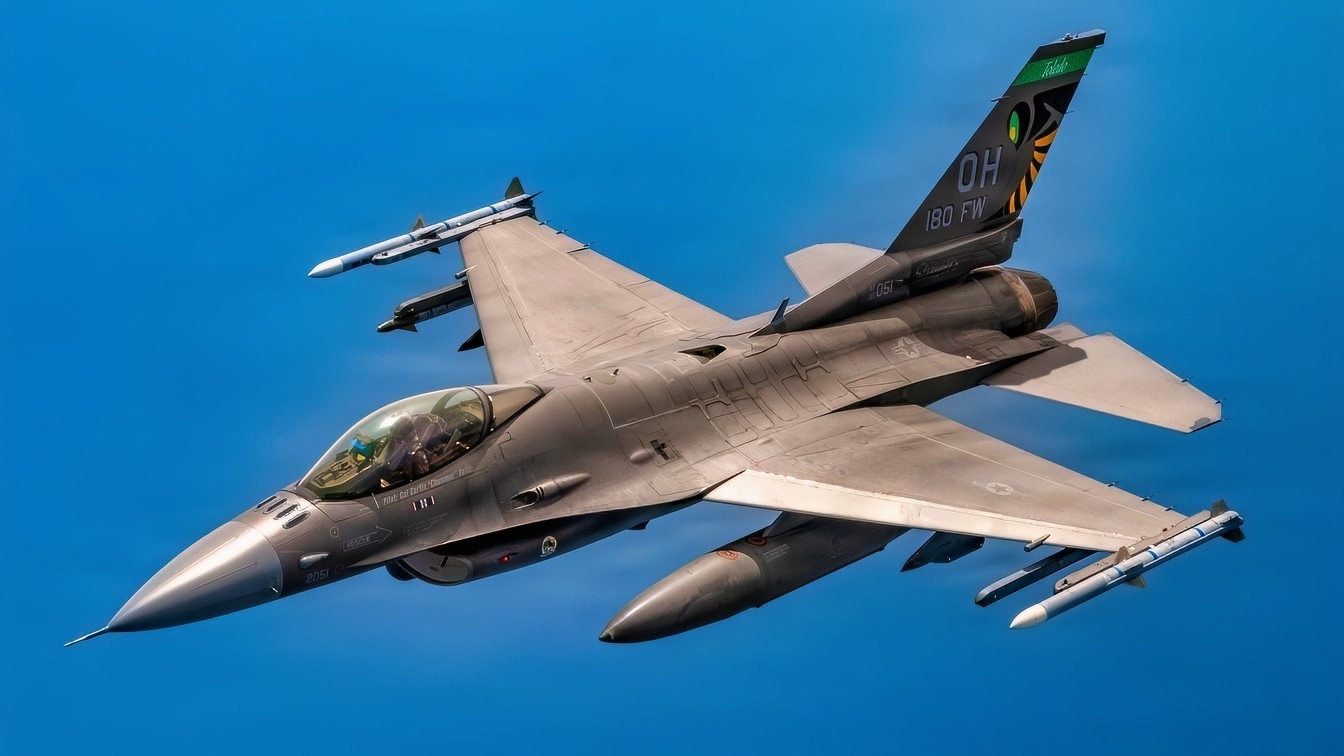
An F-16 Fighting Falcon, assigned to the 180th Fighter Wing, flies alongside a KC-135 Stratotanker with the 121st Air Refueling Wing over the skies of Canada, May 20, 2026. The F-16 Fighting Falcon can fly more than 500 miles, but the KC-135 can extend its radius beyond that and deliver airpower anywhere, anytime, globally. (U.S. Air National Guard photo by Airman 1st Class Taylor Warehime)
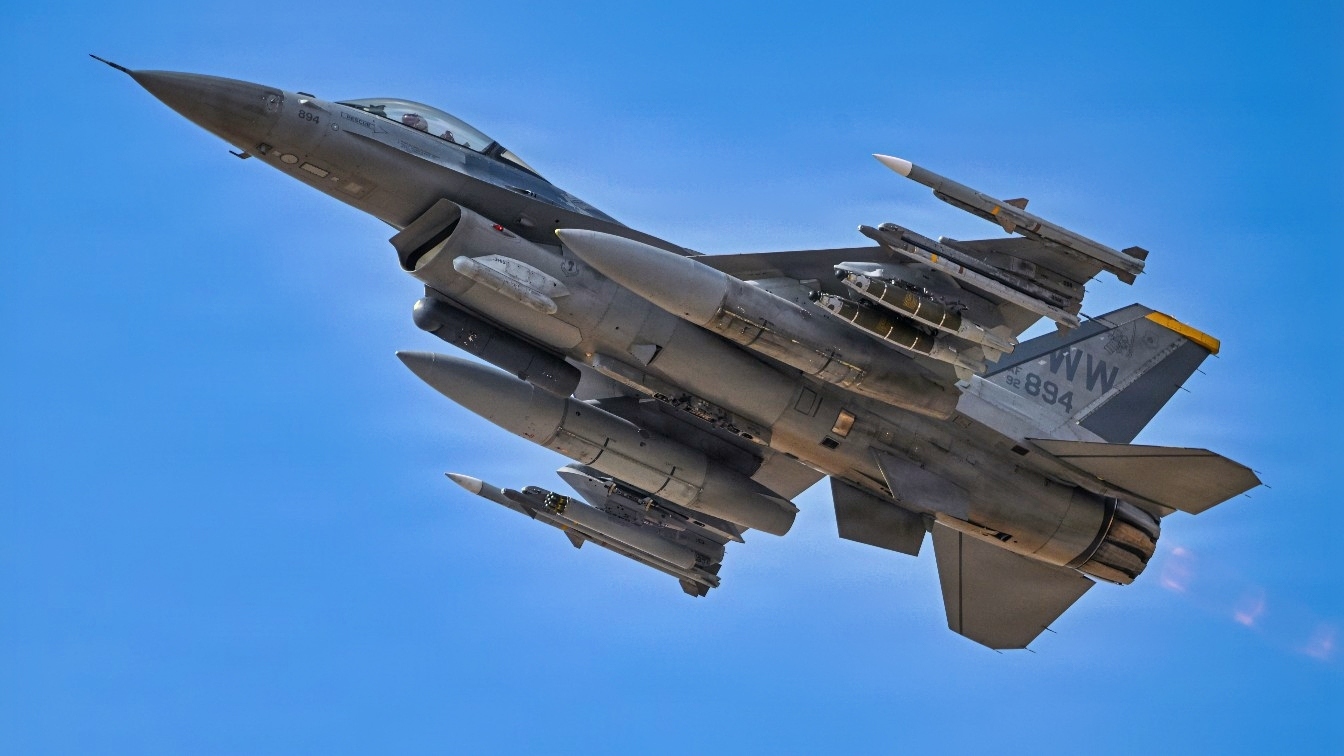
A U.S. Air Force F-16 Fighting Falcon takes off from a base in the U.S. Central Command area of responsibility May 21, 2026. (U.S. Air Force photo by Staff Sgt. Justin W. Moore)
The fighting was in far-off lands separated by continents and oceans.
Despite incessant news coverage, many Americans did not feel that conflict was ever at its doorstep. Russia went through a similar period during its war with Ukraine.
The fighting was ever-present on television news, but it seemed far away from the hustle and bustle of Moscow and St. Petersburg.
Many of the soldiers were from far-away provinces in low-income areas. The elites from the top-tier cities did not experience the war up close.
Ukraine Goes Hard
Volodymyr Zelensky and his intrepid drone and ballistic missile forces have changed that blissful state of affairs.
War has now visited the ordinary Russian, and they have found that conflict can be ugly. Ukrainian drones have run havoc over Russian oil refineries – actions that have eliminated 20 to 40 percent of the country’s crude processing capacity.
The People Are Now Feeling the Pain
This has resulted in expensive fuel and long gas lines due to the shortages of energy products. Fisticuffs in the queues happen regularly, and some gas is being sold on the black market. People are waiting up to 36 hours to fill up.
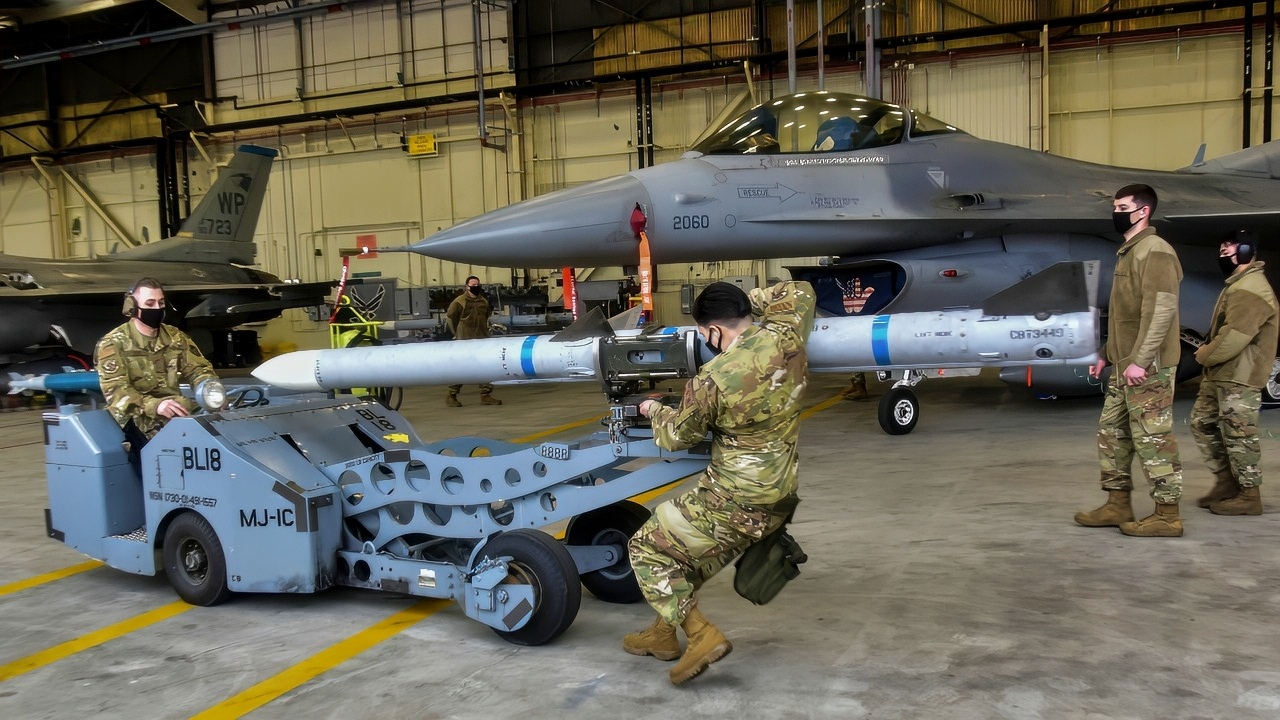
Airmen from the 35th Aircraft Maintenance Unit weapons load crew, transport an AIM 9 L/M Sidewinder with an MJ-1 bomb lift truck during the Annual Load Crew Competition at Kunsan Air Base, Republic of Korea, Feb. 6, 2021. Weapons load crews from the 35th Aircraft Maintenance Unit, 80th AMU and 8th Maintenance Squadron were evaluated on how quickly and effectively they could load munitions onto F-16 Fighting Falcons. (U.S. Air Force photo by Tech. Sgt. Kristin High)
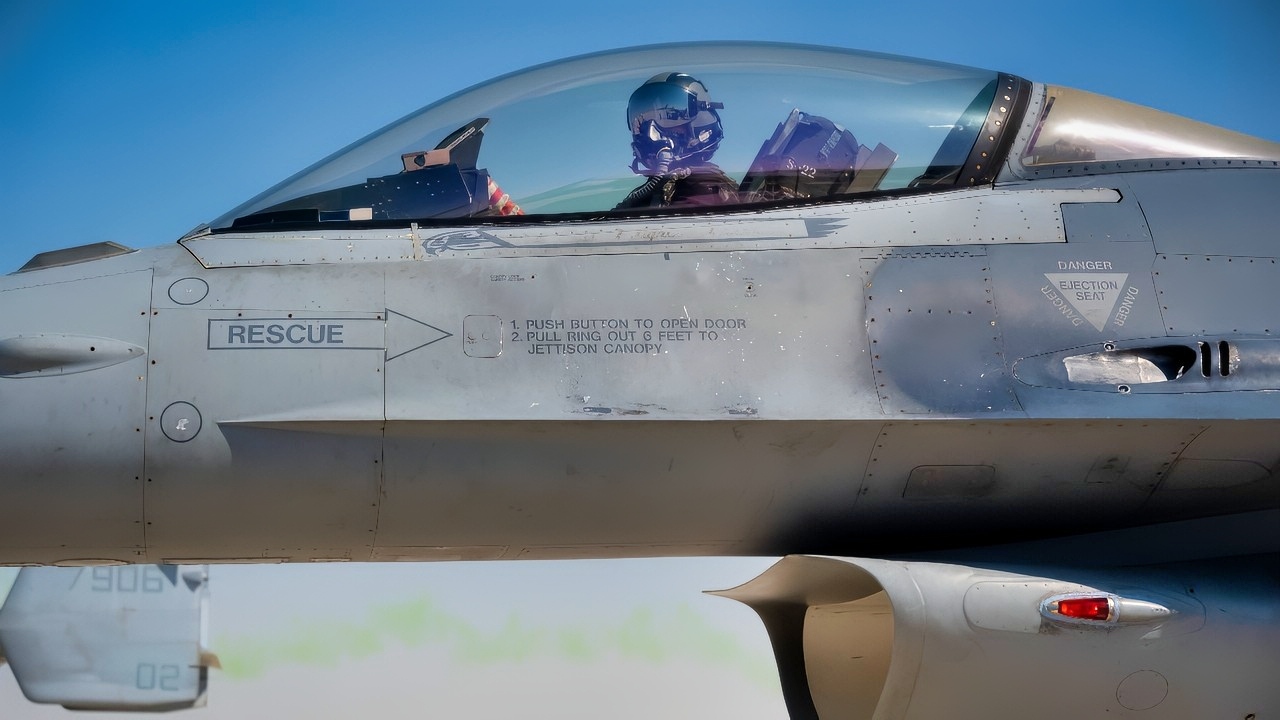
U.S. Air Force Maj. Josiah “Sirius” Gaffney, Pacific Air Forces Demonstration Team commander, prepares to fly a practice sortie before the Dubai Airshow in Dubai, United Arab Emirates, Nov. 11, 2021. In addition to the PACAF F-16 Demonstration Team routine, the air show will highlight a variety of U.S. Air Force, Navy and Marine Corps aircraft showcasing the range of U.S. military airpower capabilities. (U.S. Air Force photo by Staff Sgt. Matthew Kakaris)
Hit Them In An Unlikely Place
That’s not all. Ukraine has found another weak point in the Russian economy. The drones have decimated warehouses of the e-commerce giant Wildberries.
This is Moscow’s version of Amazon. The attacks killed eight Russians and wounded 80 more. Unmanned loitering munitions destroyed $1.9 billion worth of products. Some of these were dual-use military goods, including drones and spare parts.
There were also army supplies like uniforms, body armor, and helmets that went up in flames.
Revenge Is a Dish Served By Drones
This was music to Zelensky’s ears.
His countrymen were tired of barely surviving strikes on cities and villages. Ukrainians must hide in bomb shelters and in the relative safety of subways nearly every night.
The Russians have even gone after museums and other heritage sites to further insult the Ukrainian people.
At first blush, it would seem like Russia could swallow an attack on Wildberries and continue fighting as if nothing happened.
What is the big deal about a few warehouses catching fire? These were no ordinary facilities. The destruction will affect numerous Russians and the way they conduct business.
“The attacks on Wildberries warehouses have affected nearly 100% of the population in one way or another: some physically, some financially, and others psychologically,” says Elena Panfilova, a Russian political scientist, interviewed by The Economist.
War Pain Is Felt Close to Home
Many Russians use the online retailer to hawk wares that include arts and crafts like the Americans sell on the e-commerce site Etsy.
This is the only work that many can find in Russia. Without Wildberries, these citizens are robbed of their livelihoods.
Ukraine has found a weak point that is allowing it to have greater momentum in the long war. Citizen morale is an important aspect of military strategy.
With a struggling public, there will be new pressure on Vladimir Putin to show steady, decisive gains in a war that has seen no let-up.
Getting Inside Their Heads
Ordinary Russians are being introduced to a “cognitive” form of warfare. The death and destruction stings psychologically and drains morale.
The drone attacks have created a new reality for many Russians.
They think this war may be lost forever. This is due to close encounters with violence that many have not had to witness when the conflict was seen as only a “special military operation.”
Don’t Lie to Me
Plus, the attacks on energy infrastructure and on e-commerce warehouses have shown a disconnect between what Russians see on propaganda channels and what they can ascertain with their own eyes and feel in their pocketbooks.
The government and the media are lying to them.
“Public discontent is rising.
According to VCIOM, a pollster close to the Kremlin, satisfaction with government policies has fallen from 45% in January to 21% in June.
The number of people who think Russia is heading in the wrong direction has doubled from 17% to 35% in the past year, says Levada, an independent pollster.
President Vladimir Putin’s own approval ratings are falling, too, though from a high level,” according to The Economist.
More Grind for the Propaganda Mill
Most Russians get their news from television, and more are concluding that the government-run media complex is like the old Soviet era when nothing could be trusted.
Look for more attacks on civilian targets from the Ukrainians. Russia is known for being able to take a punch in warfare and come back to hit the enemy harder.
But this level of violence that affects the ordinary civilian is a different matter for Putin.
He may control all levels of power in Russia, but the people know when they are being lied to, and they are growing sick of this war.
Putin may have found that he has lost his countrymen, and these recent civilian attacks could be Russia’s version of the Tet Offensive that foreshadowed the Vietnam War’s failure.
About the Author: Brent M. Eastwood, PhD
Author of now over 3,500 articles on defense issues, Brent M. Eastwood, PhD, is the author of Don’t Turn Your Back On the World: A Conservative Foreign Policy and Humans, Machines, and Data: Future Trends in Warfare, plus two other books. Brent was the founder and CEO of a tech firm that predicted world events using artificial intelligence. He served as a legislative fellow for US Senator Tim Scott and advised the senator on defense and foreign policy issues. He has taught at American University, George Washington University, and George Mason University. Brent is a former US Army Infantry officer. He can be followed on X @BMEastwood.


