


In a 2005 U.S. Navy war game, a Swedish Stirling AIP-powered Gotland-class submarine slipped past the screen and “sank” a U.S. aircraft carrier. Twenty-one years later, the Navy still refuses to build Air-Independent Propulsion submarines, even though Sweden, China, Japan, and Germany all operate them at a fraction of the cost of a nuclear boat. A Virginia-class nuclear submarine costs $2 to $3 billion. A modern AIP diesel-electric costs $200 to $600 million. China is building the Type 039 Yuan-class family at scale. The Pentagon’s $1.5 trillion defense request will fund more nuclear boats, not cheaper ones.
AIP Submarines? A Game Changer or Not?

BALTIC SEA (March 13, 2016) Swedish submarine HSWMS Halland surfaces in preparations for a small-boat transfer during exercise BALTOPS, June 7, 2016. BALTOPS is an annual recurring multinational exercise designed to improve interoperability, enhance flexibility and demonstrate the resolve of allied and partner nations to defend the Baltic region. (U.S. Navy photo by Lt. Daniel Foose/Released)
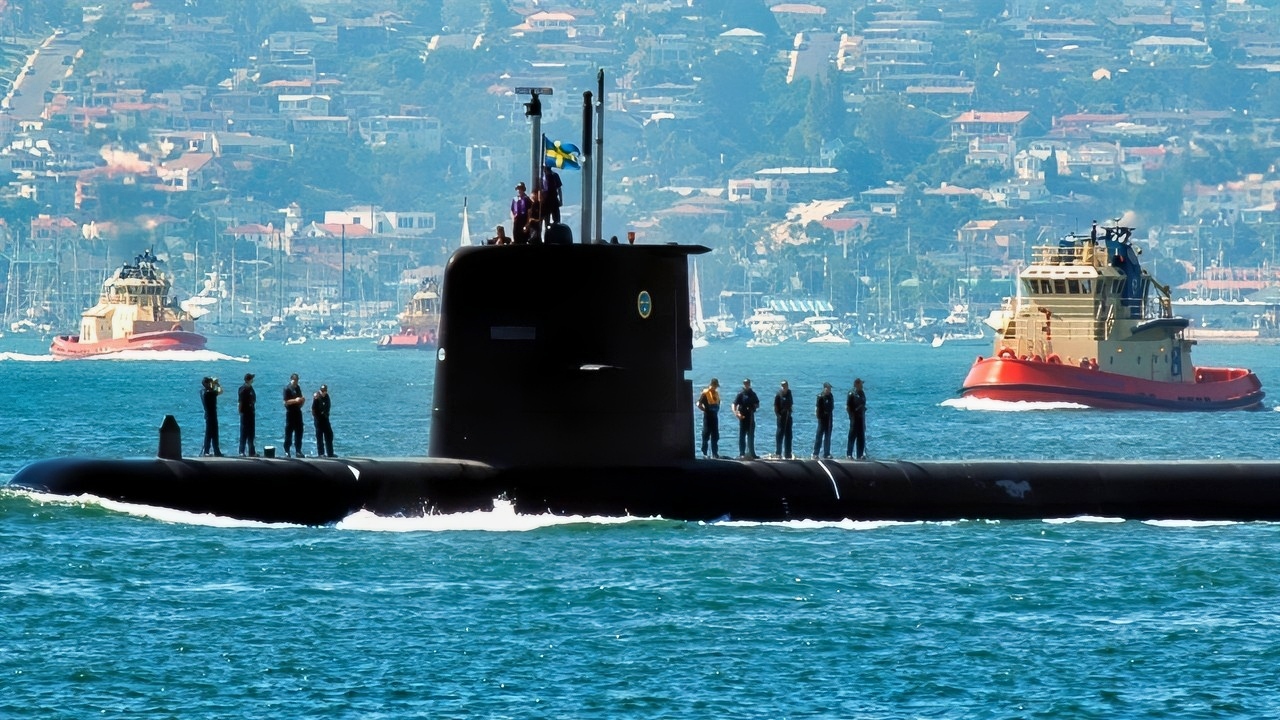
(Oct. 1, 2005) – The Swedish diesel-powered attack submarine HMS Gotland transits through San Diego Harbor during the “Sea and Air Parade” held as part of Fleet Week San Diego 2005. Fleet Week San Diego is a three-week tribute to Southern California-area military members and their families. U.S. Navy photo by Photographer’s Mate 2nd Class Patricia R. Totemeier (RELEASED)
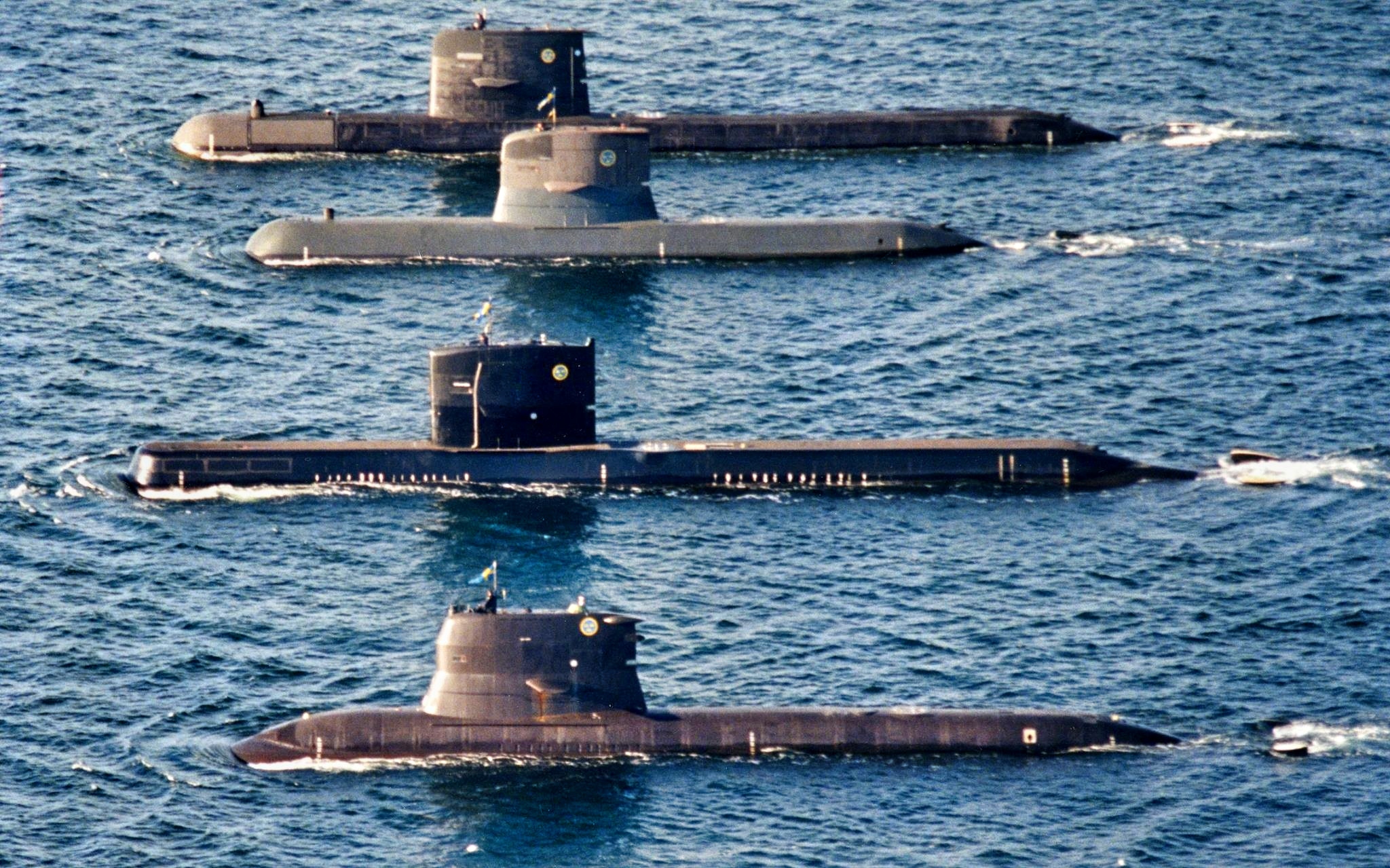
Gotland-Class Submarines. Image Credit: Creative Commons.
The U.S. Navy could build cheaper and easier-to-construct diesel-electric Air-Independent Propulsion (AIP) submarines. But it never will. Yes, the AIP boasts would be a welcome addition to the Navy. They could patrol for homeland defense, prowl in a wolfpack with other attack submarines, and sneak in and out of enemy shipping to their heart’s desire.
Yet the Navy depends solely on nuclear-powered submarines.
These can bring the attack to land targets with Tomahawk cruise missiles or blast nuclear weapons in a second strike if needed. There is just too much sea to patrol around the world, and the nuclear submarines can stay underwater longer than AIPs, and their range and firepower are the best in the world.
What Nuclear-powered Subs Need – Time and Money
However, it can seem that a nuclear-powered submarine like the Virginia-class can take forever to build. Shipyards are being pushed beyond their capabilities, and delays mount amid long lead times.
They are also more expensive. The Department of Defense is requesting a $1.5 trillion defense budget. This will include investment in new nuclear submarines, and that is music to the Navy’s ears.
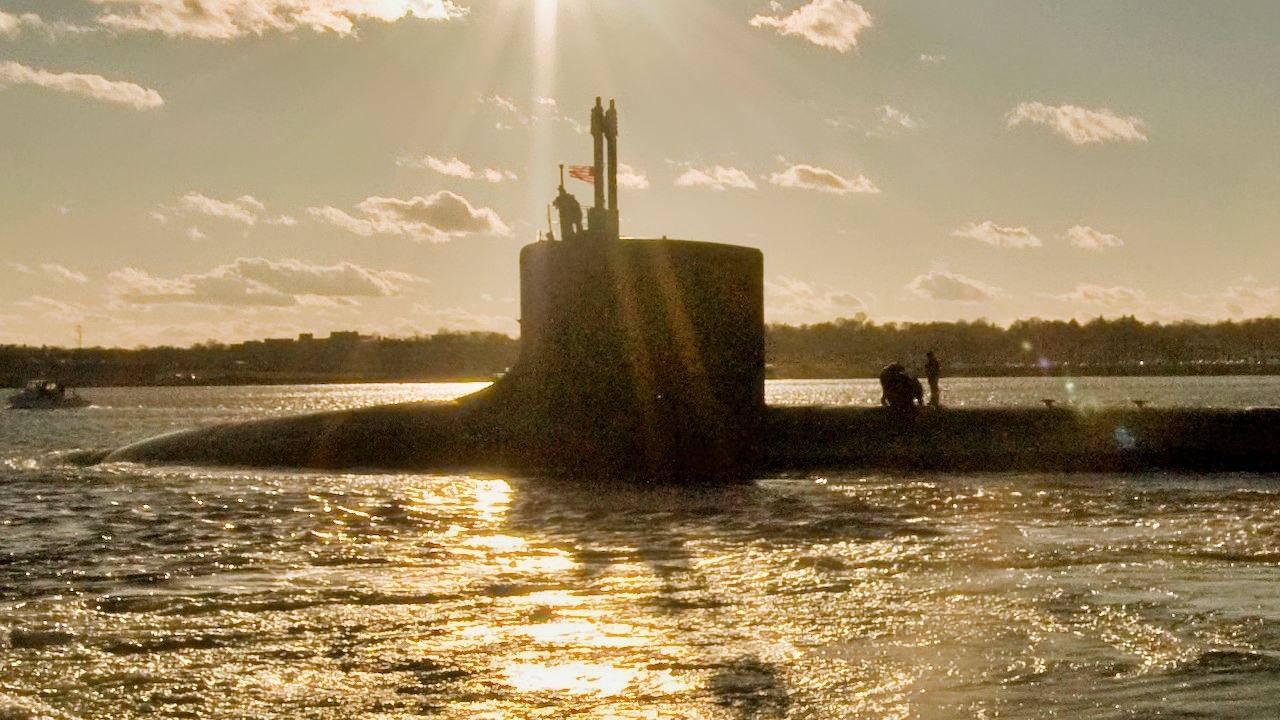
The Virginia-class attack submarine USS Virginia departs for a six-week underway. During this deployment, Virginia will undergo an Operational Reactor Safeguard Examination and a Tactical Readiness Evaluation to assess the submarine’s reactor along with its capacity to combat casualties through damage control.

110630-N-ZZ999-002.ATLANTIC OCEAN (June 30, 2011) The Virginia-class attack submarine USS California (SSN 781) underway during sea trials. (U.S. Navy photo by Chris Oxley/Released).
Bargain Hunters Love the AIP Boats
For other countries, AIP submarines are a good option. Sweden’s AIP Gotland-class boats are excellent. China is proud of its Type 039 A/B/C family of Yuan-class diesel-electric AIPs. Stealth is not as good as that of U.S. Navy nuclear-powered boats, but for those who need a quicker-to-build or cheaper model, AIP makes sense.
China Has Nuclear-powered SSBNs, too
Countries that do not have nuclear weapons, such as Sweden, also do not need “boomer” ballistic missile boats, so the AIP choice is adequate. China has six nuclear-powered Type 94 Jin-class ballistic missile submarines (SSBNs).
Expect Beijing to order more in the future. The extended range to make a second strike against the United States serves them well. The Chinese would never try to fashion a nuclear missile on an AIP diesel-electric.
Hat Tip to the Swedes for an Effective AIP War Game Against the U.S. Navy
In battle drills, one of the Swedish Stirling AIP-powered Gotland-class got the best of the U.S. Navy. The attack submarine “sank” a U.S. aircraft carrier in 2005 during the exercise.
The Americans studied this carefully, and the Chinese took note. An AIP could sting the U.S. fleet, and its quiet, stealthy features are exciting for Sweden and China.
What AIPs Bring to the Table
Defenses on the AIP Yuan-class are made better with “angled sails” that make them last longer. Stirling AIPs utilize liquid oxygen and diesel fuel. Diesel-electrics must also generate their own electricity and charge their batteries.
The engines can make more noise than a nuclear-powered boat.
Nuclear-powered boats are better
Nuclear power plants, alternatively, are quiet as a dolphin, don’t need a supply of oxygen, and recharging batteries is not needed.
They can run for as long as the crew and logistics can maintain and replenish them.
Thus, nuclear-powered subs have a greater advantage over AIPs, as they can strike anywhere and at any time without the risk of detection. The United States uses its Tomahawk missiles to strike enemy targets.
Presidents can order their nuclear-powered submarines to punish adversaries without deploying ground troops. This makes them tactically, operationally, and strategically better than AIPs.
Japan and Germany Have AIPs
But for other countries, the AIPs make sense. Japan’s Soryu-class submarines are equipped with Stirling AIP, and the latest Taigei-class has the same powerplant. Germany has also acquired boats with AIP and electro-catalytic fuel cells.
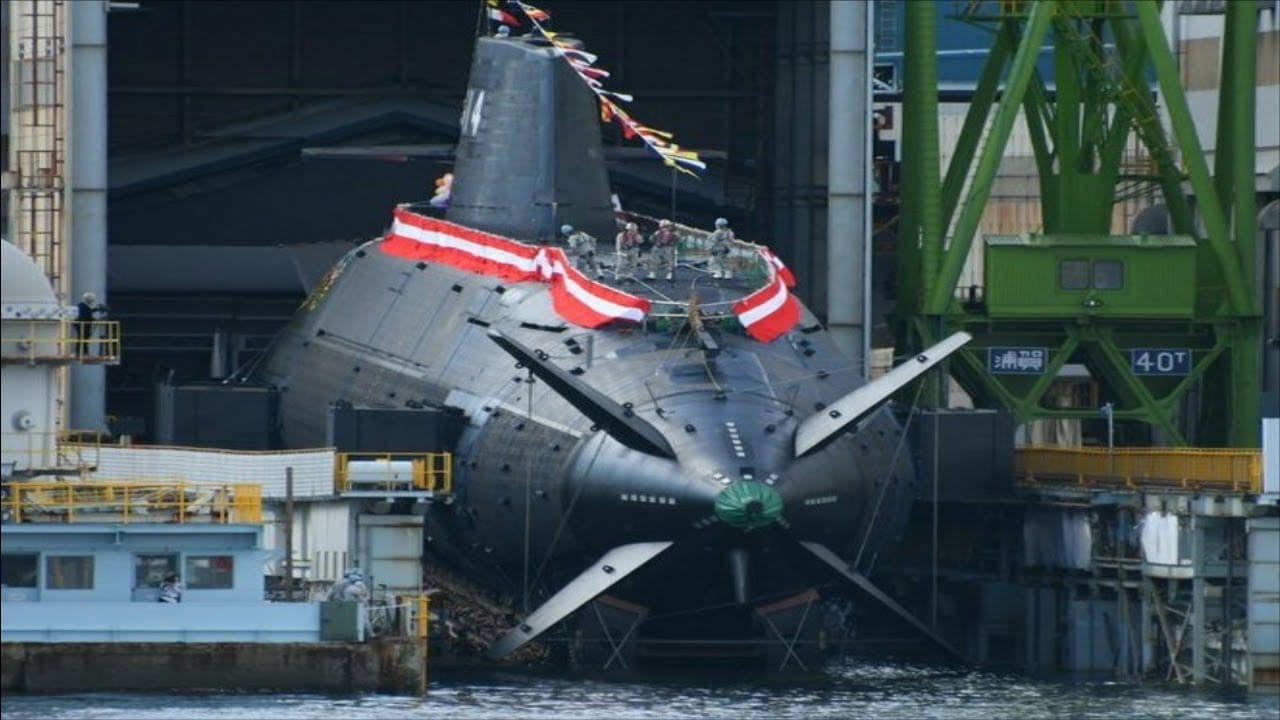
Taigei-Class Submarine from Japan. Image Credit: Creative Commons.

Taigei-Class Submarine from Japan. Image Credit: Creative Commons.
AIPs Do Not Bring Enough to the Table
Still, I’m just not that impressed with AIPs. They are more for navies on a tight budget. They are not strategic assets, and they do not have the global capability to dominate an extensive fight at any time or place. Don’t look for the United States to ever build them. The Americans would have to completely retool and reconfigure their shipyards.
Naval personnel would need to be retrained on how to operate diesel-electric AIPs. Their schooling for service on nuclear-powered submarines is already extensive. The Navy would have to create all-new training centers.
The Price Is Right
However, AIP subs are cheaper. A Virginia-class can set the Navy back between $2 billion and $3 billion; an AIP can be acquired for between $200 and $600 million. This is better for smaller, regional navies. The Virginia-class is worth the money, though. They are faster and sneakier than AIP-powered boats.
Overall, the United States should not build AIP submarines.
The Navy must plan to counteract them, though, and encourage allies with smaller defense budgets to build them as well.
They can be silent and deadly at times, and Sweden and China are probably the best operators of AIPs.
More wargames should be conducted with Sweden to see how the Americans will defend carrier strike groups.
The U.S. Navy should gather as much data as possible from after-action reviews and train more sailors to develop new doctrine and fashion advanced tactics, techniques, and procedures to counteract AIP submarines.
About the Author: Brent M. Eastwood, PhD
Author of now over 3,500 articles on defense issues, Brent M. Eastwood, PhD, is the author of Don’t Turn Your Back On the World: A Conservative Foreign Policy and Humans, Machines, and Data: Future Trends in Warfare, plus two other books. Brent was the founder and CEO of a tech firm that predicted world events using artificial intelligence. He served as a legislative fellow for US Senator Tim Scott and advised the senator on defense and foreign policy issues. He has taught at American University, George Washington University, and George Mason University. Brent is a former US Army Infantry officer. He can be followed on X @BMEastwood.


