
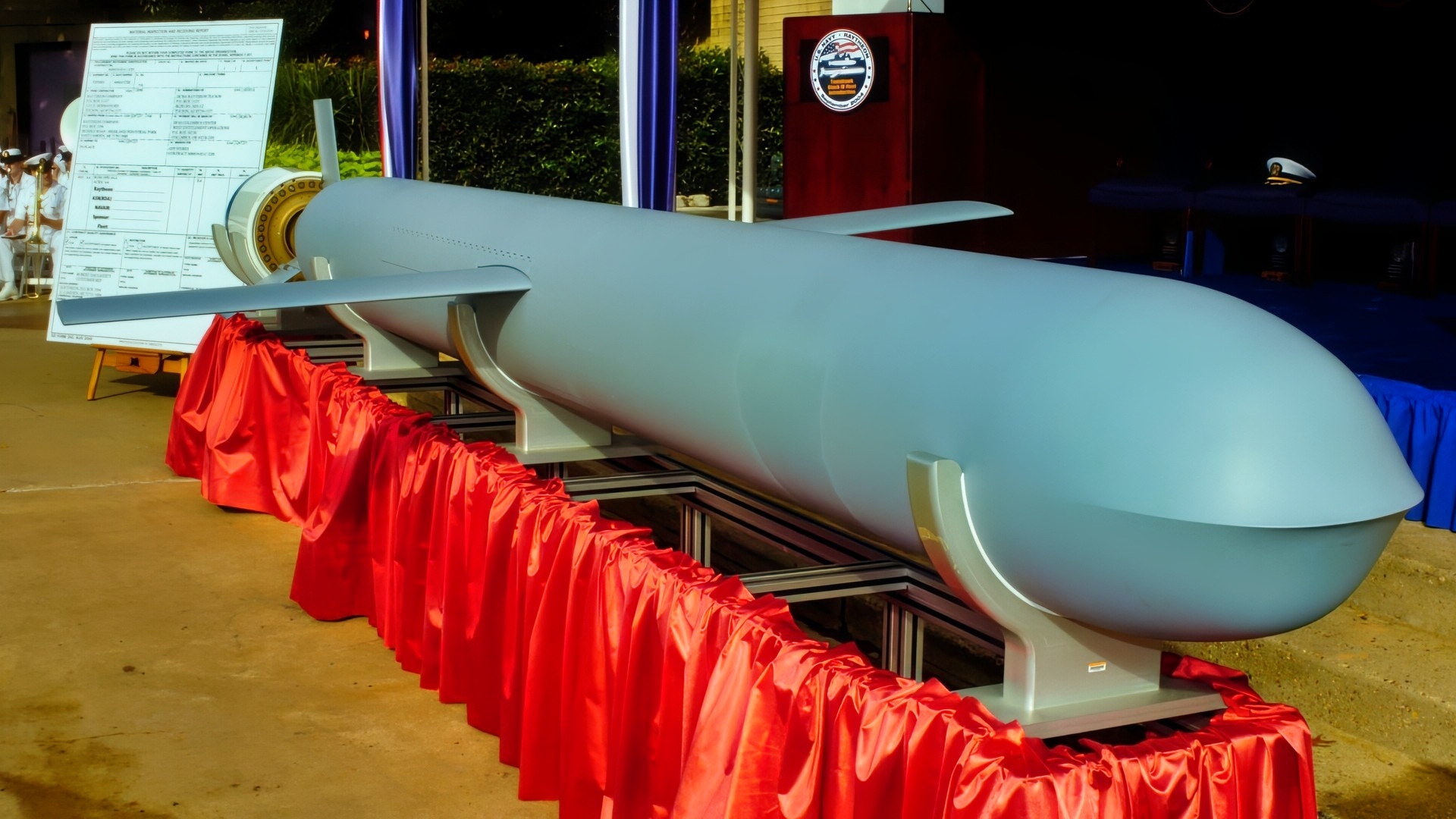
Key Points and Summary – Washington is weighing a plan to route Tomahawk long-range cruise missiles to Ukraine—likely via European allies—marking a sharp shift from earlier U.S. reluctance to provide such capabilities.
-Vice President JD Vance said President Trump will decide, framing the move as a way to put “European skin in the game.”
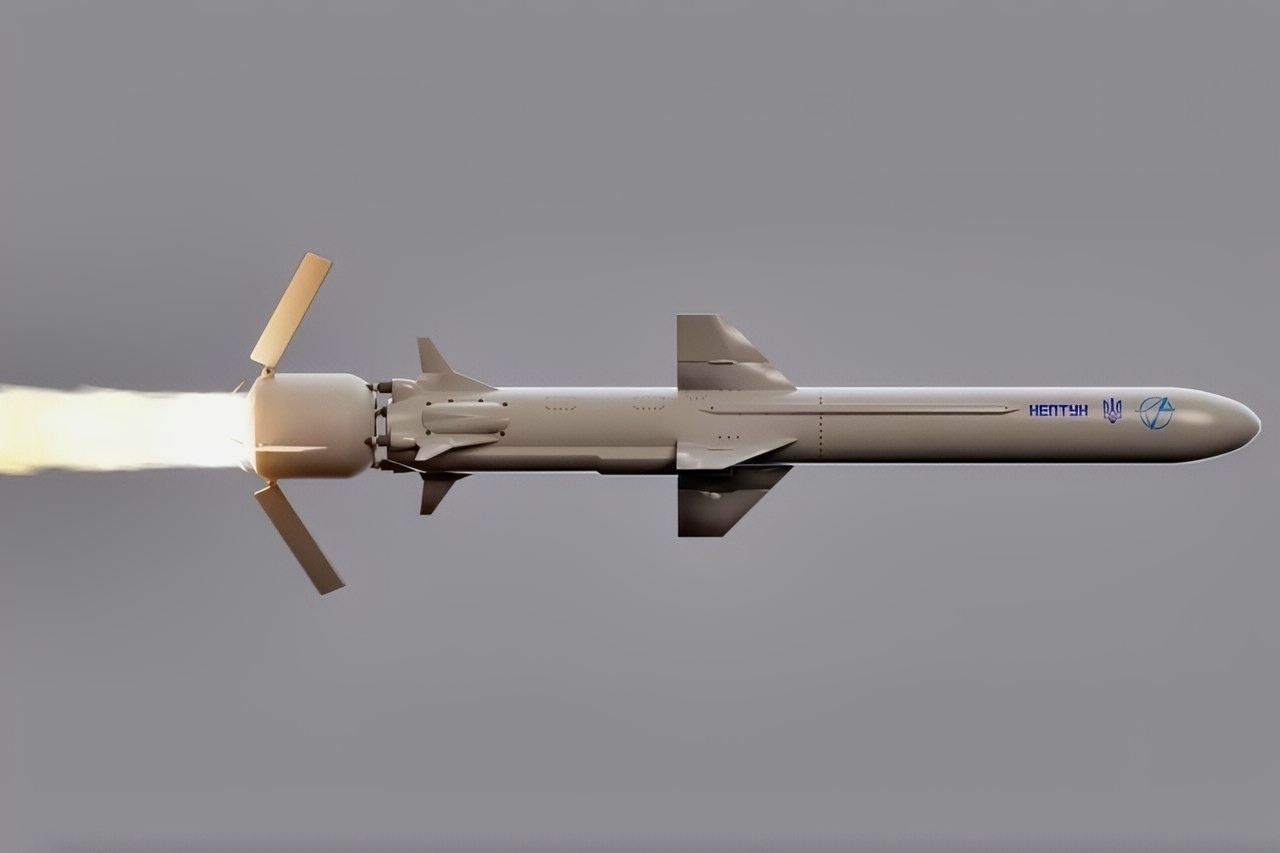
Neptune Missile. Image Credit: Government of Ukraine.
-Kyiv argues Tomahawks could pressure Moscow by holding deep targets at risk.
The missiles, with 2,500 km range, would represent a major escalation and arrive ahead of other interested U.S. partners.
-The Kremlin warns of U.S. “interference,” probing who would target and launch the weapons—an issue that could shape Russia’s response.
Will Ukraine Receive Tomahawk Missiles Before Other U.S. Allies?
The United States is considering a plan to provide Ukraine with Tomahawk long-range cruise missiles – a move that would mark a significant escalation in Western support for Kyiv as its war with Russia grinds into a fourth year.
The news also marks a significant reversal in Trump policy, which has so far involved greater hesitance to provide advanced weaponry to Ukraine.
Vice President JD Vance confirmed on Sunday that the administration is actively considering the request, telling Fox News that President Donald Trump would ultimately make the final determination. The question, Vance said, is part of a broader effort to press European allies to invest more directly in Ukraine’s defense.
“What we’re doing is asking the Europeans to buy that weaponry that shows some European skin in the game,” Vance said. “I think that gets them really invested in both what’s happening in their own backyard, but also in the peace progress that the president has been pushing for, for the last eight months.”
Ukrainian President Volodymyr Zelenskyy raised the issue directly with Trump during meetings on the sidelines of the United Nations General Assembly in New York earlier this month. According to Western officials cited by The Telegraph, Zelenskyy argued that Tomahawks could pressure Russian President Vladimir Putin into serious negotiations by placing strategic targets deep inside Russia – including Moscow – within Ukraine’s reach.

T-90 Tank from Ukraine War. Image Credit: Creative Commons.
Tomahawk missiles, which are manufactured by Raytheon, are designed for precision strikes against heavily defended land targets. Launched from U.S. and British ships and submarines, the missiles have a range of up to 2,500 km, carry a 450 kg warhead, and cruise at low altitudes around 880 km/h. At present, only the United States and the United Kingdom field the missiles, though several NATO allies have also expressed interest.
If the United States approves the decision, it means that Ukraine will receive advanced weaponry that other larger U.S. allies have yet to procure.
Ukraine has repeatedly sought long-range strike capabilities from Washington since the war began in February 2022, but the Biden administration repeatedly denied the requests during the early days of the war citing fears that it could escalate the conflict.
What Will Russia Do?
The Kremlin responded to the reports in recent days, with spokesman Dmitry Peskov accusing Washington of direct interference in the war. Moscow, he said, is “carefully analyzing” who would control and fire the missiles from Ukrainian territory, noting that it would either be by the Americans or the Ukrainians themselves.
Should the United States be deemed to be involved with the launching of the missiles, Peskov implied, it could prompt a military response from Russia.
If approved, the transfer of Tomahawks to Ukraine would mark a significant escalation in the conflict – though it will ultimately be up to Moscow to determine if it truly constitutes American – or NATO – involvement in the conflict.
About the Author:
Jack Buckby is a British author, counter-extremism researcher, and journalist based in New York who writes frequently for National Security Journal. Reporting on the U.K., Europe, and the U.S., he works to analyze and understand left-wing and right-wing radicalization, and reports on Western governments’ approaches to the pressing issues of today. His books and research papers explore these themes and propose pragmatic solutions to our increasingly polarized society. His latest book is The Truth Teller: RFK Jr. and the Case for a Post-Partisan Presidency.
More Military
China Claims New J-35 Stealth Fighter Has Radar Cross-Section ‘Smaller Than a Human Palm’
The SR-71 Blackbird Mach 3 Bomber?
5 Reasons A U.S.-China War Could Start


