

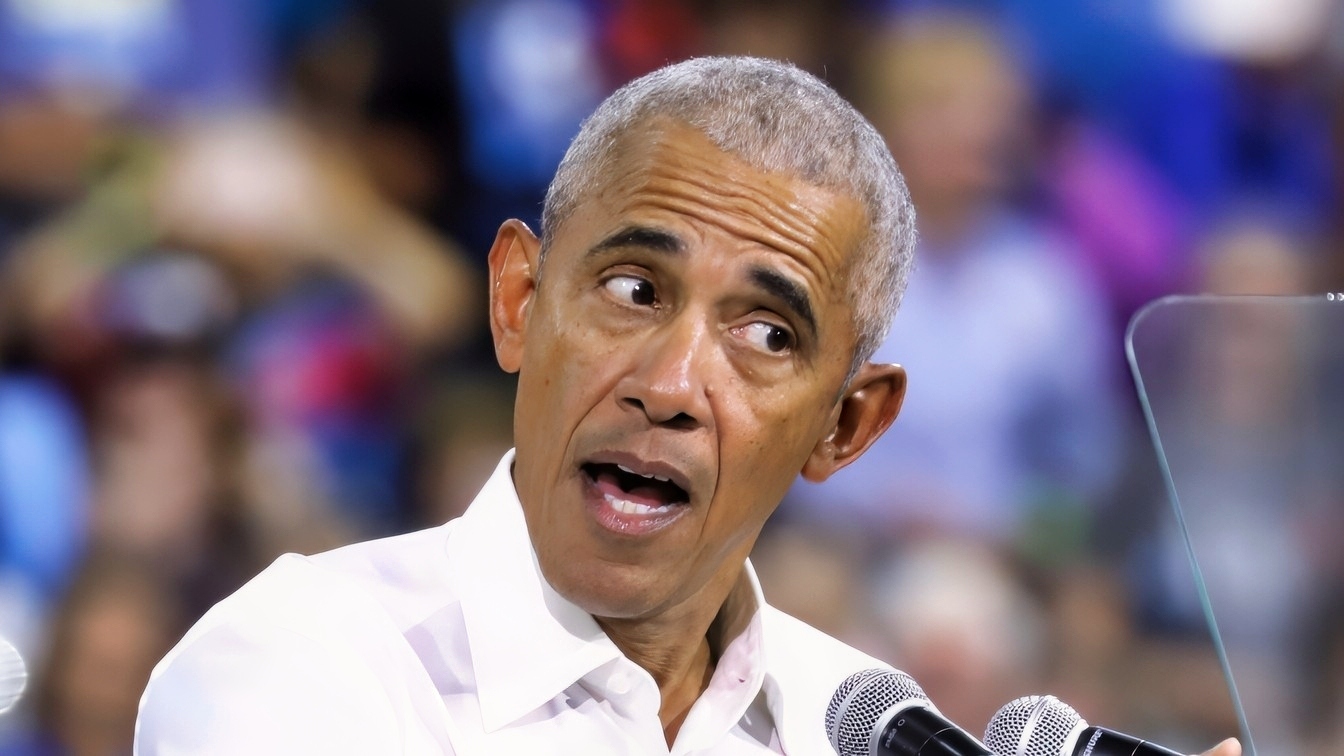
Nearly a decade after leaving office, Barack Obama remains the most popular choice for America’s best recent president. A new Politico poll asked 2,000 American adults to rank the four presidents who have served in the White House since 2001.
Obama finished comfortably ahead of the pack in first-place votes, receiving 51 percent. Donald Trump finished second with 28 percent, George W. Bush finished third with 16 percent, and Joe Biden brought up the rear with 5 percent. Trump also received the most last-place votes, with 52 percent of respondents ranking him last, showing just how divisive he is.

Former Vice President of the United States Joe Biden speaking with attendees at the 2019 Iowa Federation of Labor Convention hosted by the AFL-CIO at the Prairie Meadows Hotel in Altoona, Iowa.

President Joe Biden receives an interagency briefing on the response to Hurricane Helene, Tuesday, October 1, 2024, in the Roosevelt Room of the White House. (Official White House Photo by Oliver Contreras)
The survey was conducted online between November 7 and 10, shortly after Democrats regained control of both chambers of Congress in the midterm elections. The reported margin of error for the poll was plus or minus two percentage points.
Obama Still Popular
Obama’s popularity has proven remarkably durable since he left office in January 2017. In addition to the 51 percent who ranked Obama first, 18 percent ranked him second, and 24 percent ranked him third. Just 8 percent ranked Obama last.
Todd Belt, director of George Washington University’s Political Management program, attributed Obama’s popularity partly to his association with the economic recovery following the Great Recession. Belt also emphasized the historical significance of Obama becoming America’s first Black president. Obama’s appeal extends beyond traditional Democratic constituencies.
For example, 16 percent of Americans who voted for Trump in 2024 ranked Obama as the best recent president. Among Trump voters who do not identify with the MAGA movement, that figure rose to 23 percent. Other recent surveys have similarly found Obama enjoying higher favorability ratings than Trump or Biden.
Trump Still Polarizing
Trump’s results demonstrate the unusually polarized nature of his political appeal. While 28 percent of respondents ranked Trump first, 52 percent ranked him last. Relatively few Americans placed him somewhere in the middle: only 11 percent ranked him second, and only 9 percent ranked him third. Among moderate Democrats, 82 percent ranked Trump last.
Conversely, 81 percent of MAGA-identifying Trump voters ranked him first. Other surveys have found Republicans ranking Trump ahead of historically celebrated presidents such as Ronald Reagan and Abraham Lincoln.
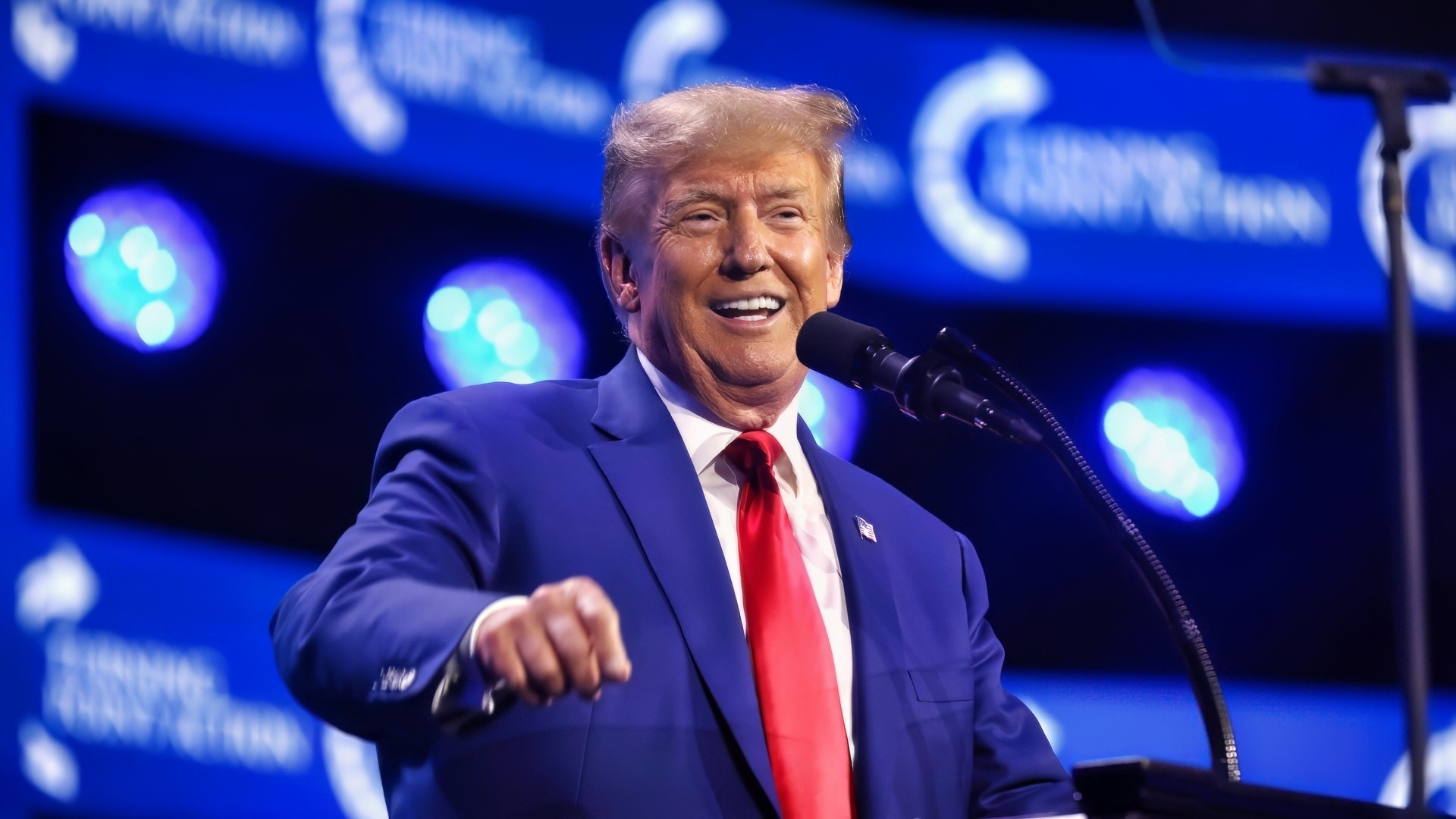
Donald Trump 2023 Rally Creative Commons Photo
Trump’s political strength has historically depended on the intensity of his supporters’ enthusiasm rather than broad bipartisan appeal, which is roughly the definition of a cult following (though Trump’s appeal is broader). In any case, the results suggest that this dynamic persists following the Republicans’ disappointing midterm election performance.
Biden’s Legacy
Arguably, the most discouraging results of the poll belong to former President Joe Biden. Just 5 percent of respondents ranked Biden as the best recent president, while 34 percent ranked him last. Biden struggled to attract first-place votes even within his own party.
Among moderate Democrats, George W. Bush received more first-place votes than Biden. Progressive Democrats were more sympathetic, with 63 percent ranking Biden second, although 83 percent of progressives chose Obama as their first choice. Belt attributed Biden’s poor standing partly to the inflation that followed the pandemic.
Biden’s decision to pursue reelection in 2024, only to withdraw mid-race, could also have damaged his reputation. Belt suggested that lingering resentment over Biden’s handling of the Democratic leadership transition continues to influence perceptions of his presidency.
It’s also possible that efforts to paper over his cognitive decline, obscuring its nature from the general public, damaged Biden’s reputation.
Bush Recovering
George W. Bush occupies an interesting position in the rankings. Although 16 percent ranked him first, only 7 percent ranked him last—the smallest share of any president. Forty percent ranked him second, and 38 percent ranked him third. Bush left office in January 2009 with his presidency overshadowed by the Iraq War and the global financial crisis.
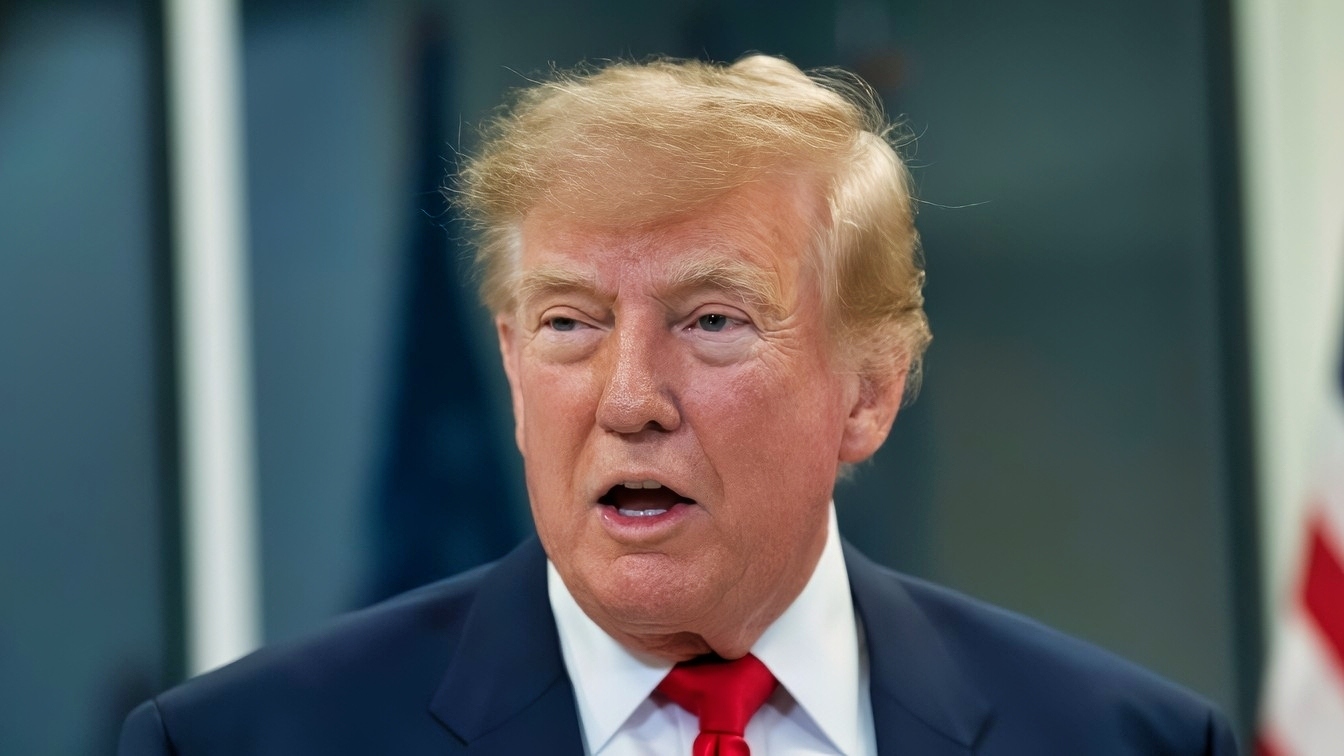
Donald Trump Voting. Creative Commons Photo.
A June CNN/SSRS survey found that 42 percent of Americans now view Bush favorably, compared with 33 percent who view him unfavorably. This relatively comfortable position illustrates how presidential reputations can evolve after leaving office.
With the passage of time and the emergence of more immediate political controversies, public attitudes toward Bush seem to have softened—odd, perhaps, given the egregiousness of his errors.
In sum, the poll shows how Americans’ assessments of presidents change over time. Obama maintains the widest cross-party appeal. Trump remains polarizing. Bush’s reputation has rebounded, whereas Biden’s has not yet.
About the Author: Harrison Kass
Harrison Kass is a writer and attorney focused on national security, technology, and political culture. His work has appeared in Tablet, City Journal, The Hill, The Spectator, and The Cipher Brief. He holds a JD from the University of Oregon and a master’s in Global & Joint Program Studies from NYU—more at harrisonkass.com.


