

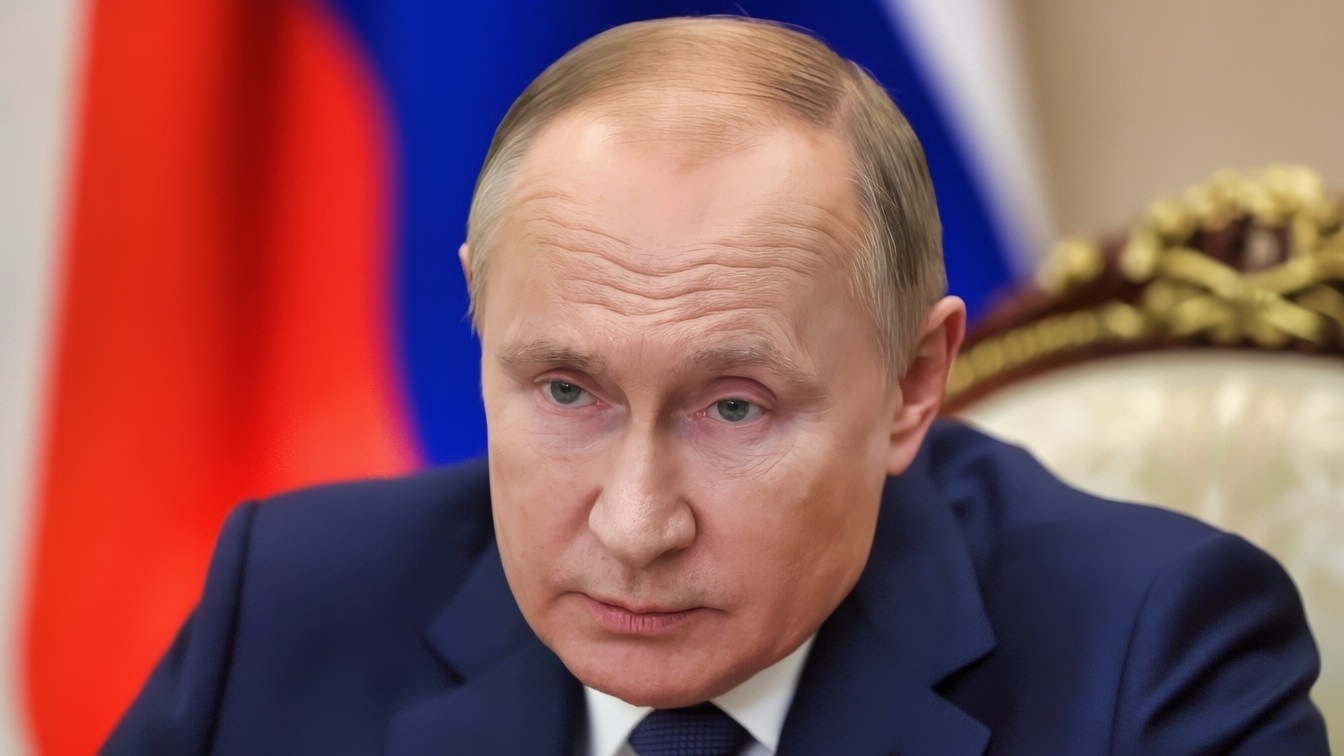
With the war in Ukraine nearing its fifth consecutive year, both sides are feeling the pressure as they struggle to finance one of the highest-intensity conflicts in recent history. The U.S. has recently toyed with the idea of giving the Kremlin a financial incentive to end the war.
For the past few months, American negotiators Steve Witkoff and Jared Kushner have offered post-war Moscow economic concessions, hoping Vladimir Putin will accept a business deal to ease his ambitious war gains.
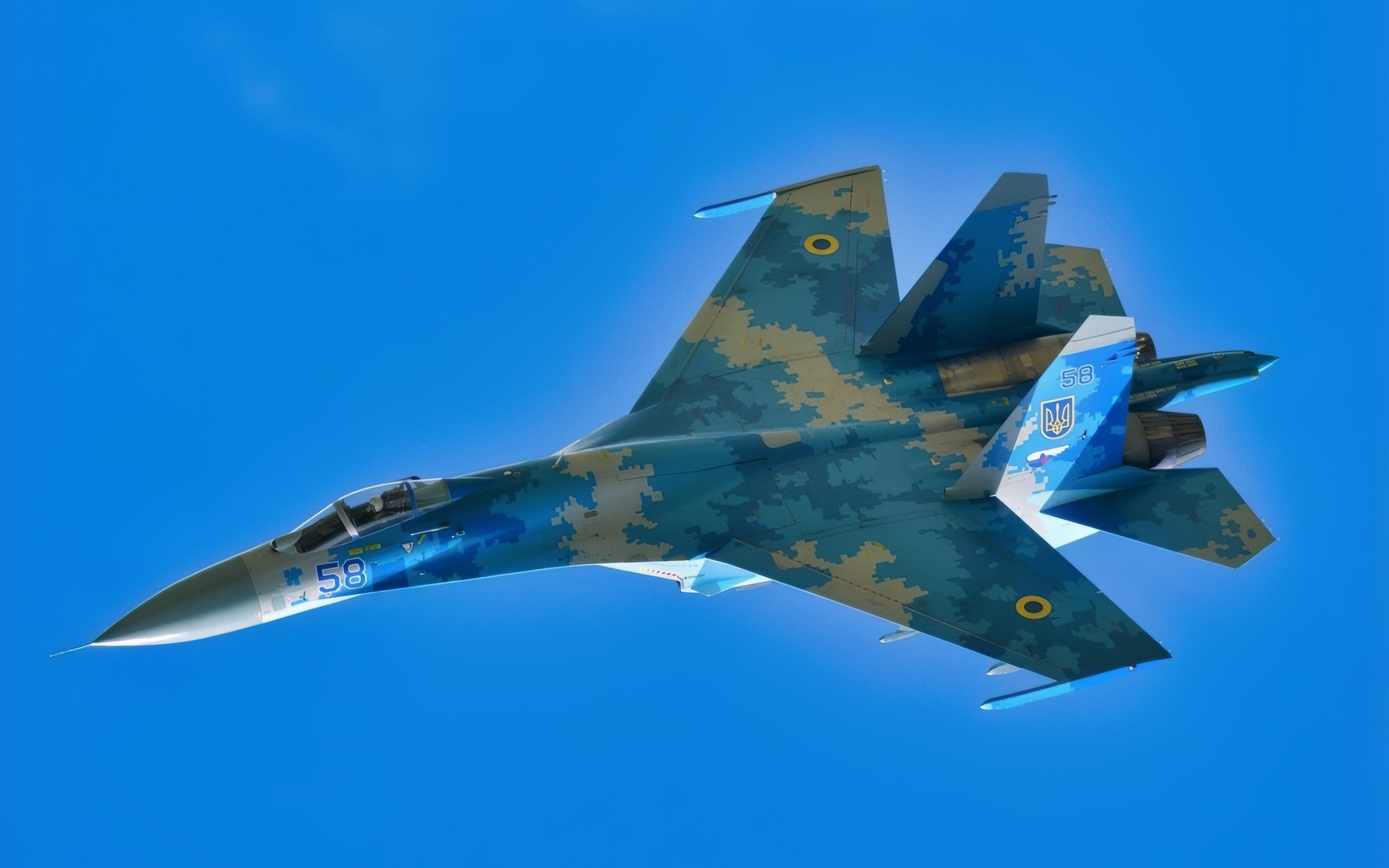
Su-27 Flanker Fighter. Image Credit: Creative Commons.

Su-27 Flanker Fighter. Image Credit: Creative Commons.
Meanwhile, Europe is preparing yet another sanctions package, this time with harsher visa restrictions against Russian athletes. Such measures are unlikely to sway those in the Kremlin, who remain steadfast in their war ambitions even as cracks start to appear in Russia’s economy.
Coalition of the Weary
Rather than tightening economic restrictions on sectors that could actually hurt Russia’s war economy or imposing harsher punishments on those smuggling Western components into Moscow, the EU is instead tightening its visa restrictions for Russian athletes and tourists.
European officials have justified these measures as a means of countering Russian “hybrid warfare.” However, as noted in a recent article published by The Spectator, such measures only play into the hands of Kremlin propagandists.
Russian tourists who want a vacation in Western Europe are likely the kind of citizens who do not view the West as their ideological enemies. By placing these kinds of restrictions, the EU is not only playing into the Kremlin’s hands but is also ensuring that potential tourists spend more of their money inside Russia, thereby fueling Moscow’s war machine.
Heading into 2027, things are looking rough for Ukraine’s coalition of the willing. France has officially entered a recession, and Marie Le Pen’s party, which has called for cutting financial assistance for Ukraine, is leading in the polls.
In Germany, the right-wing AfD party, also critical of support for Ukraine, has been gaining momentum as support for Friedrich Merz and the CDU Party crumbles. Likewise, the UK, under Prime Minister Andy Burnham, is looking to address its many domestic issues.
This does not mean that support for Ukraine will collapse in 2027, as Moscow likely hopes, but securing funding for Kyiv will likely become more precarious. Recently, President Zelenskyy stated that Ukraine needs around $90 billion in funding for FY 2027. In its current state, Europe, which has already failed to meet Kyiv’s financial needs fully, is unlikely to cobble together $90 billion.
Economic Woes in Russia
However, on the bright side, Moscow is not exactly in a good position either. Recently, the Duma, Russia’s federal parliament, passed the state budget for 2027. The defense budget, up a quarter from last year, accounts for more than a third of the entire budget, and with increases to security forces and police spending, the total sits at around 44%.
The deficit is expected to reach around 3.2% of GDP after closing at 2.6% last year, far exceeding the planned 0.5%. The burden of paying for the increased defense budget falls on the Russian taxpayer. Earlier this year, Russia raised its value-added tax (VAT) from 20% to 22%.
According to some Russian sources, the increased VAT has already generated roughly $9.5 billion in state revenue (with inflation also credited), while taxes in other sectors have also increased.
Meanwhile, Russia’s economy is showing signs of stagnation. GDP growth is expected to be only 1% this year. Civilian manufacturing has fallen by 5% compared to 2024, while its defense plants are working overtime to feed Putin’s war machine.
With the energy market now stabilizing, oil premiums from the U.S.-Iran war have decreased. Oil exports have been further strained by repeated strikes on Russian oil refineries, forcing Moscow to halt exports in the summer and import fuel from neighboring countries.
The Russian economy is not currently facing the collapse many analysts have predicted since 2022. Still, current signs indicate a growing rot inside Russia that is bound to slow future growth if things continue as they are.
Victory at the Cost of the Economy
According to some reports, Russia has enough money to fund another year of war. In all likelihood, Moscow will find a way to fund the war for as long as it takes. Russia’s economic situation, worrying as it may be, is unlikely to force Putin to the negotiating table. The Kremlin fully believes that it has more time than Ukraine and its Western supporters.
Russia’s economy will take more hits in the future. Still, with Kyiv’s economy essentially on life support and major European nations facing worse financial troubles, Moscow wagers that it is only a matter of time before one side folds. Putin is therefore content to let his economy stagnate as long as he ultimately achieves his ambitious war goals.
About the Author: Isaac Seitz
Isaac Seitz, a Defense Columnist, graduated from Patrick Henry College’s Strategic Intelligence and National Security program. He has also studied Russian at Middlebury Language Schools and has worked as an intelligence Analyst in the private sector.


