

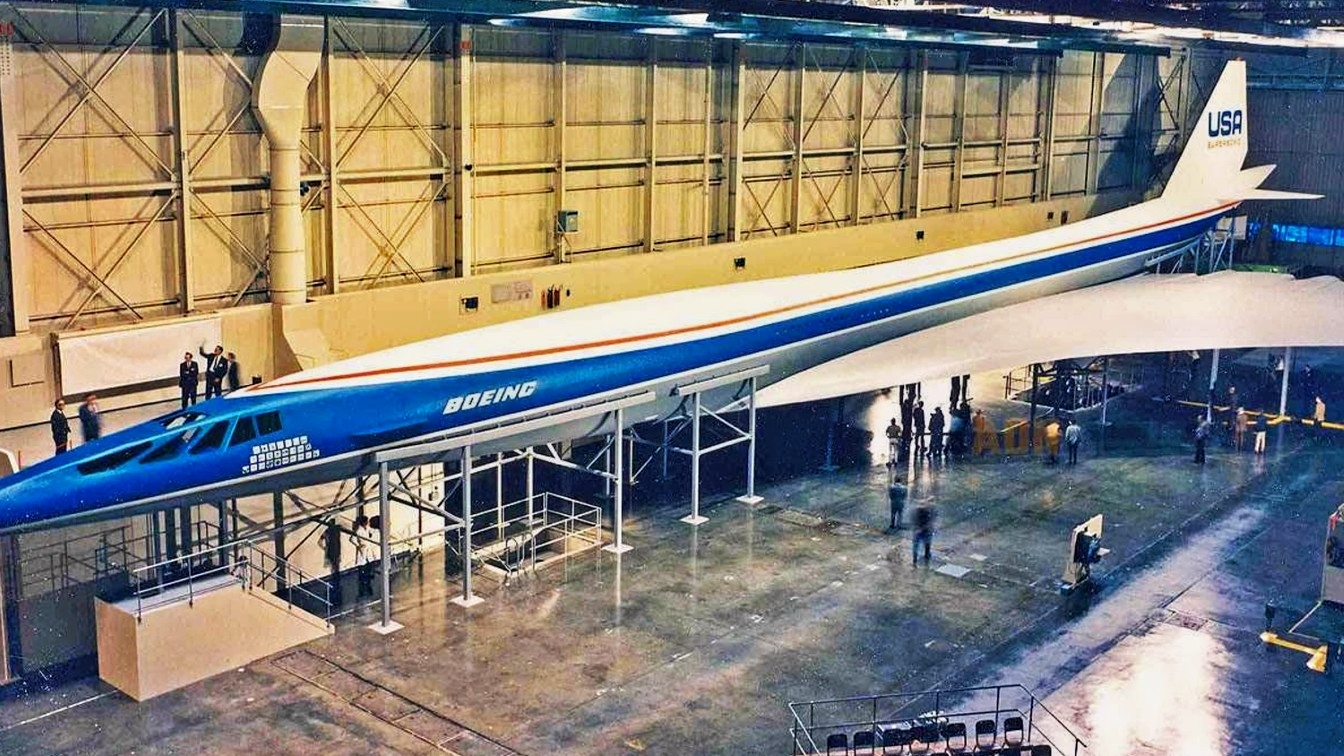
Boeing’s 2707 supersonic transport was designed to fly at Mach 2.7 — 2,071 miles per hour — carrying up to 277 passengers, more than triple the capacity of the Anglo-French Concorde. Powered by four General Electric GE4 turbojets, the largest straight turbojet engines ever built, two prototypes were under construction in Seattle when Congress killed the program in 1971 by a single Senate vote. Boeing laid off more than 60,000 workers, pivoted to the subsonic 747, and 55 years later no American supersonic airliner has ever entered service.
The Boeing 2707 Never Had a Chance
The Boeing 2707 supersonic transport (SST) was supposed to be the United States’ answer to the Concorde SST.
However, it was canceled in 1971 due to escalating costs, insurmountable engineering challenges posed by its swing-wing design, severe environmental concerns about sonic booms and ozone depletion, and limited economic viability.
Congress ended federal funding before it ever flew, making the project’s massive expenses unsustainable. It marked the end of American supersonic civil aviation.
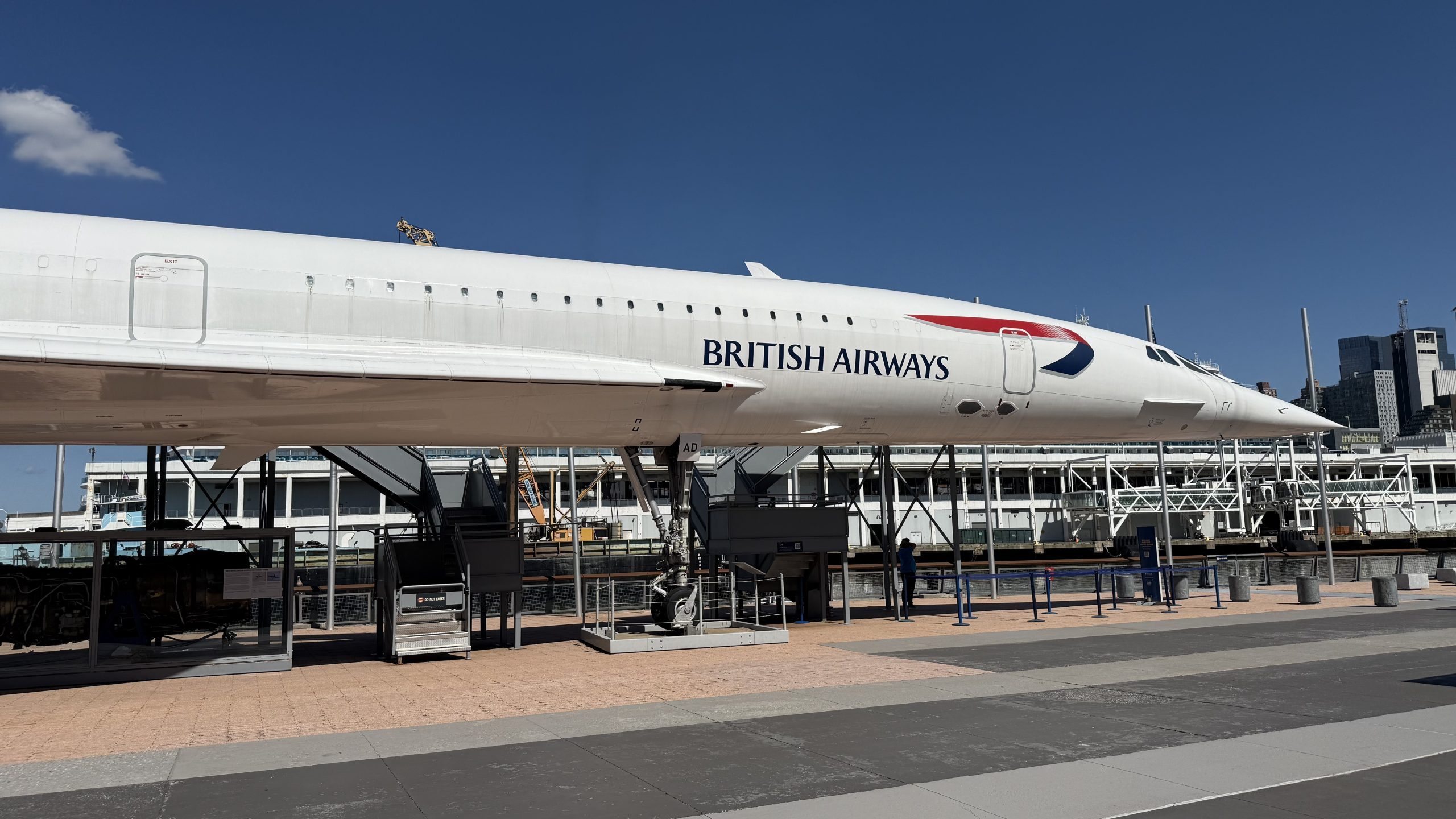
Concorde. National Security Journal Original Photo.
Bigger And Faster Than The Concorde
Boeing began to develop supersonic passenger aircraft in the late 1950s. The engineers set out to design a widebody passenger jet capable of carrying 250-300 passengers, flying at Mach 3, and having a range of 4,000 miles.
They decided to use four powerful General Electric GE4 turbojet engines to power the aircraft. It would push the 2707 to Mach 2.7 (2,071 mph). The GE4 was the largest straight turbojet engine ever built.
It was a very ambitious project, with the aircraft alone dwarfing the Concorde SST, which carried only 80 passengers. However, concerns were immediately raised in the very negative news stories at the time (along with the Concorde) about sonic booms (noise pollution) and the depletion of the ozone layer.
Shortly after he took office, President Kennedy tasked the Federal Aviation Administration (FAA) to prepare a report on “national aviation goals” by 1970. Boeing won a competition between several competing aviation firms and received government funding for the project.
Outward Design Similar to the B-1 Bomber
Boeing’s design, officially known as the 2707, but was internally referred to as a 737-197. Its design was very similar in shape to the B-1 Lancer bomber, with the difference that the four engines were mounted in individual nacelles rather than paired pods used on the BONE.
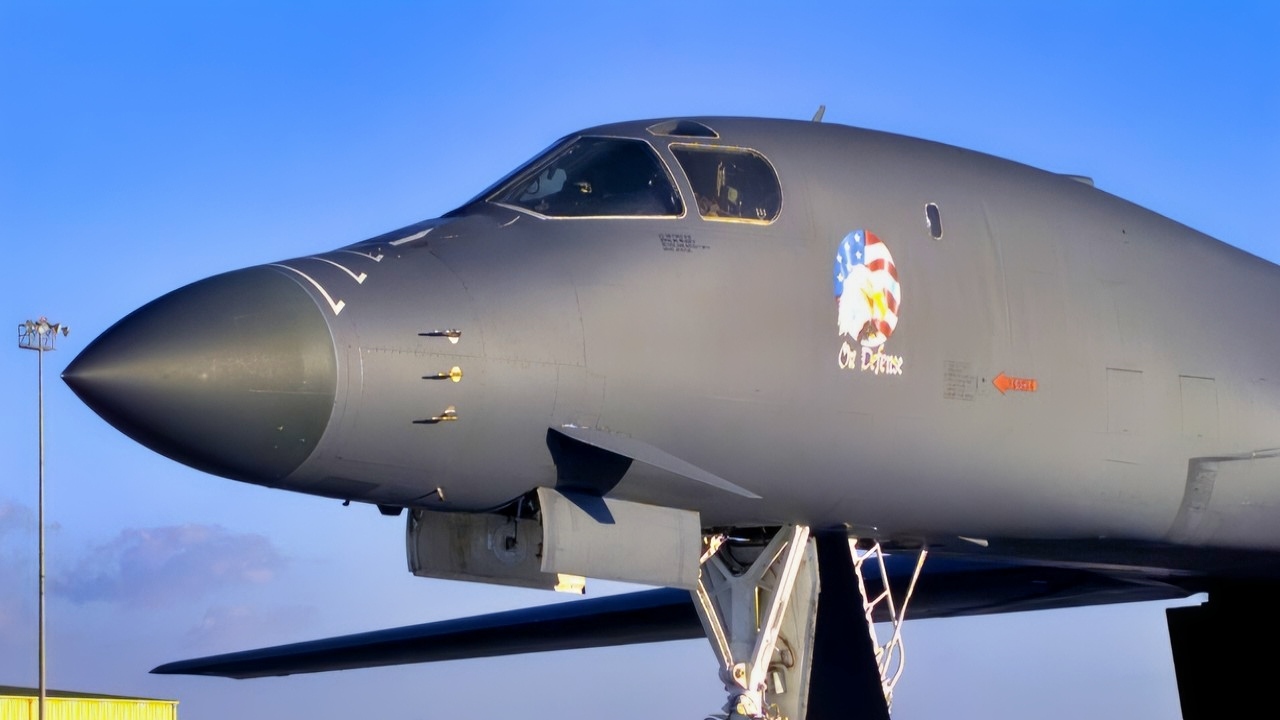
Crew Chief Senior Airman Mike Parks talks through his headset with the crew of a U.S. Air Force B-1B Lancer bomber as they go through the pre-flight checklist at an air base in the Persian Gulf region on Dec. 10, 1998. The Lancer, deployed from Dyess Air Force Base, Texas, is a multi-role, long range, heavy bomber.
(DoD photo by Senior Airman Sean M. White, U.S. Air Force. (Released))
The wide-body cabin featured a 2-3-2 seating arrangement in the fuselage’s middle. The aircraft would seat 30 first-class passengers and 247 tourist-class seats.
Retractable televisions would be placed every six rows for entertainment.
Swing Wing Design Causes Weight Issues
The designers, however, decided to change the delta wing to a variable-sweep wing (swing-wing) design.
“Since swept wings are not fuel-efficient at subsonic speeds, the swing-wing design enables pilots to select an optimum sweep angle (in-flight) depending on the aircraft’s speed.”
. During the aircraft’s development, the complexity, weight, and size of the swing wing continued to grow, limiting the aircraft’s range.
These issues forced the team to switch to a conventional delta wing in 1968. Rising costs and weight issues forced Boeing to reduce the number of passengers to 234.
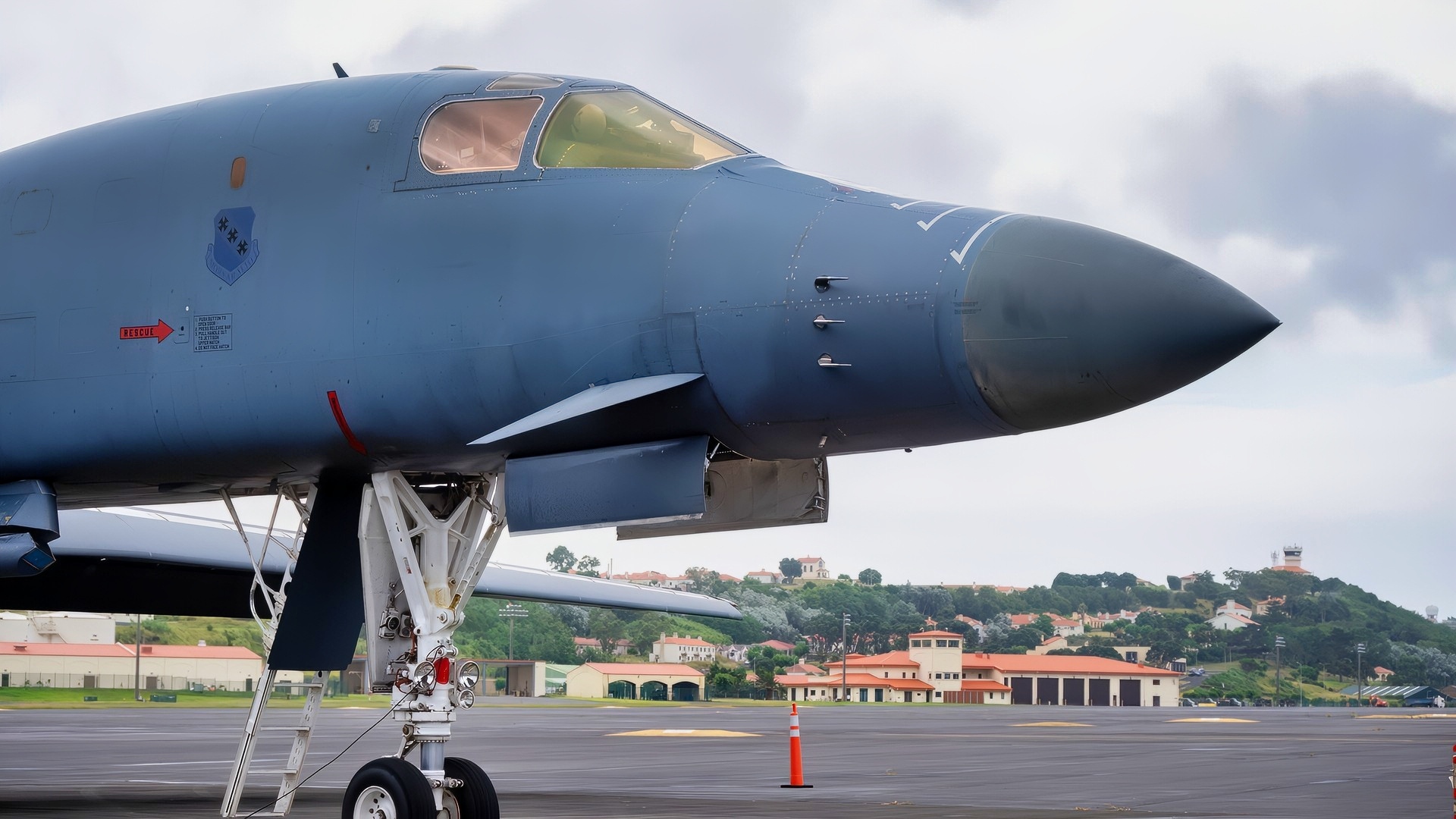
A U.S. Air Force B-1B Lancer sits on the flightline at Lajes Field, Azores, Aug. 22, 2025. The aircraft landed for a hot pit refuel during a Bomber Task Force Europe mission. (U.S. Air Force photo by Cristina Oliveira)
Work finally began on a full-sized mock-up and two prototypes in September 1969; however, the project was now two years behind schedule.
Environmentalists’ Concerns Grow, Causing Negative Press
With costs rising and calls from environmental protesters to cancel the project growing, the negativity around the aircraft intensified. The biggest concerns were the depletion of the Earth’s ozone layer and the sonic booms associated with supersonic travel.
Among the biggest environmental protesters were the Sierra Club, the National Wildlife Federation, and the Wilderness Society. These complaints about noise pollution led to the ban on supersonic flights over land in the United States.
Several states banned the Concorde or SST flights entirely.
Funding Is Cut, And The Project Is Canceled
In March 1971, despite the project’s support from President Nixon’s administration, funding for the 2707 was cut after a contentious, narrow vote in Congress.
The House voted 215-204 to cut further funding, while the Senate voted 49-48. The government had spent a total of $1 billion on the 2707, with two prototypes that were unfinished and never flew.
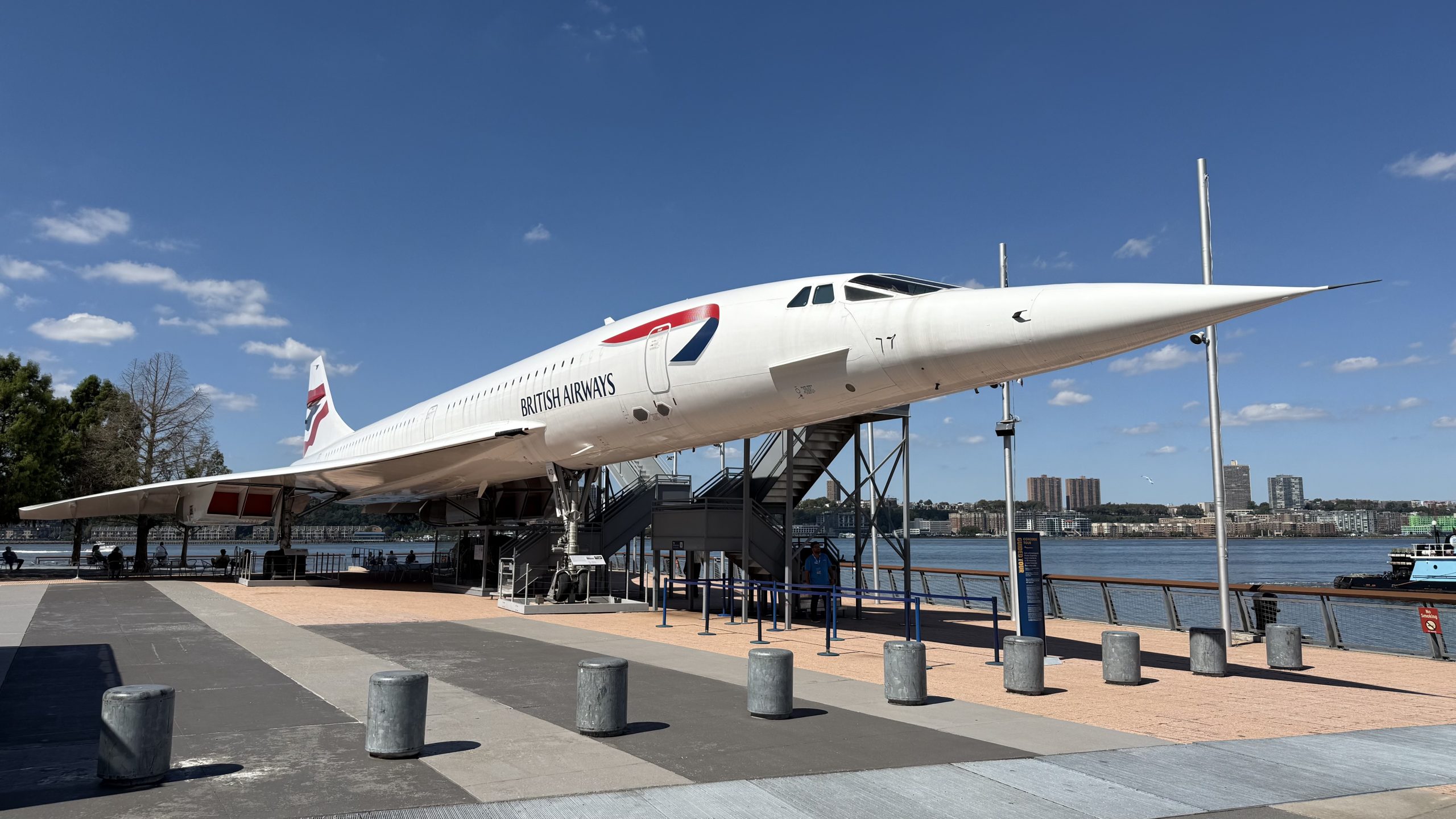
Concorde. National Security Journal Original Photo.
It caused significant stress in the aerospace industry. With the Nixon administration winding down the long US involvement in Vietnam and canceling this project, Boeing laid off more than 60,000 employees.
This marked the end of the US involvement in the supersonic civil aviation industry. Boeing pivoted to the subsonic 747, which proved to be a very successful platform.
About the Author: Steve Balestrieri
Steve Balestrieri is a National Security Columnist. He served as a US Army Special Forces NCO and Warrant Officer. In addition to writing on defense, he covers the NFL for PatsFans.com and is a member of the Pro Football Writers of America (PFWA). His work was regularly featured in many military publications.


737max_pain
May 11, 2026 at 4:52 am
just make sure the windows are bolted down