

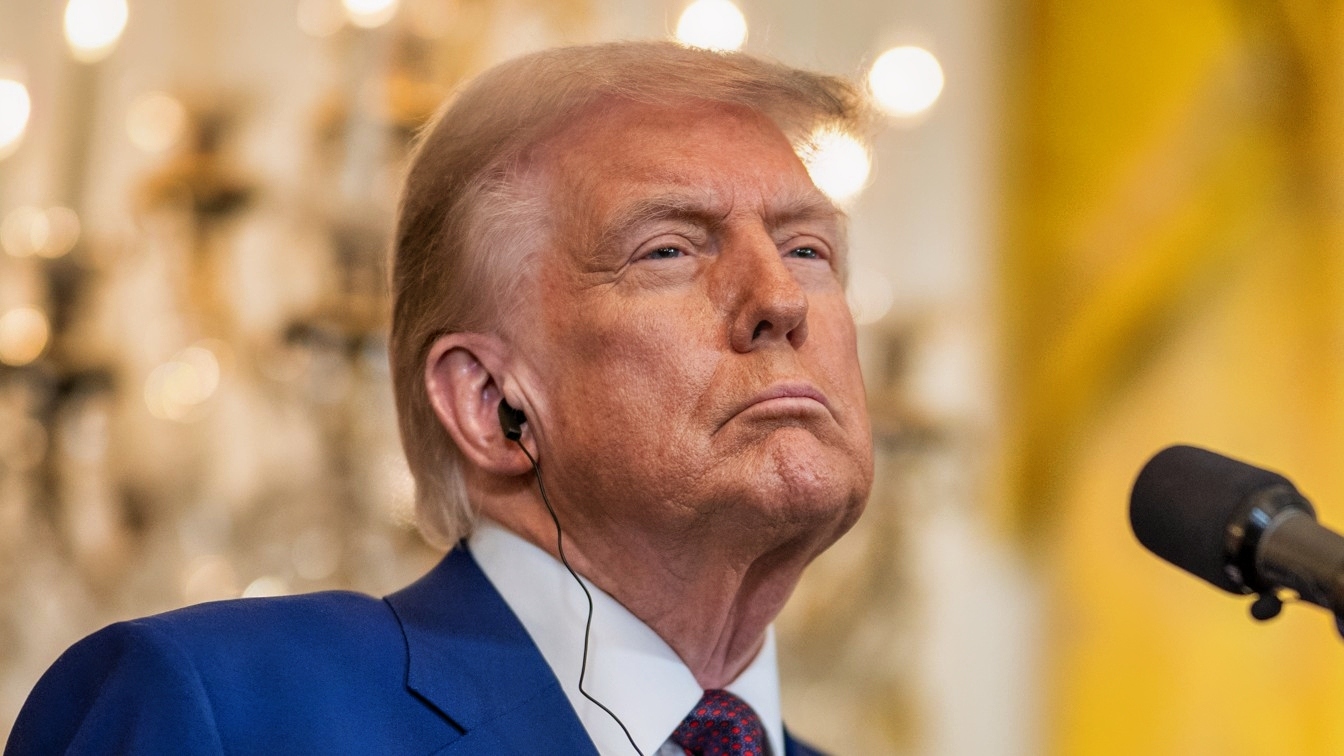
Despite US President Donald Trump’s continued popularity in the Republican Party and among a significant segment of conservative voters, a growing number of people in the GOP are privately blaming the president for what is expected to be a poor showing by the Republicans during this year’s midterm elections.
‘One Thing After Another’
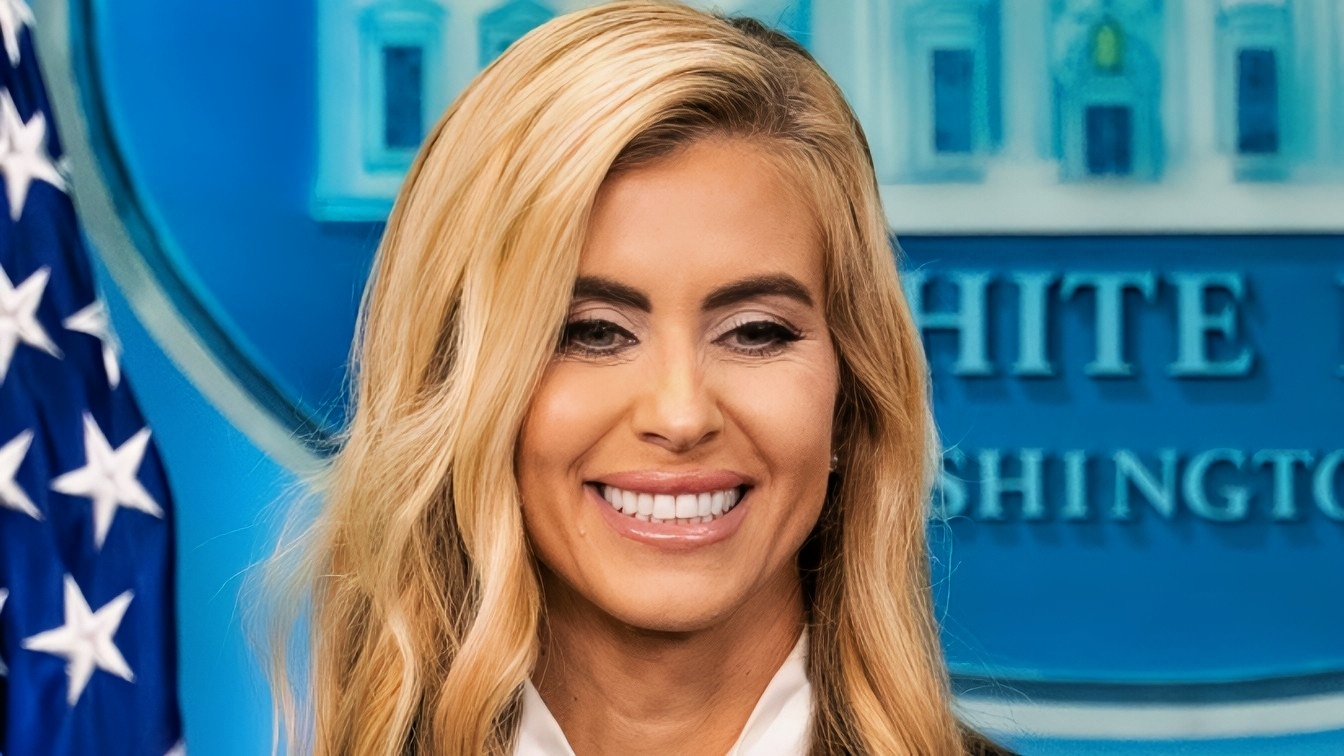
White House Press Secretary Katie Zacharia holds first press briefing in the James S. Brady Press Briefing Room of the White House, Tuesday, October 13, 2026. (Official White House Photo by Andrea Hanks)
Speaking anonymously to news outlet Politico, several Republicans called out Trump’s questionable decision-making that has had directly negative impacts on voters and constituents.
“There was a point earlier this year where we really felt like we could defy history,” one House Republican told the outlet. “And then Trump bombed Iran. And it was just one thing after another.” Another House Republican compared Trump with former US president Barack Obama, saying, “At least when Barack Obama was president, he only screwed his enemies, never his friends.”
Dismal Showing Expected at the Midterm Polls
The GOP faces a tough sell in the coming midterm elections, and even candidates in Republican strongholds admit they’re worried about their prospects.
At the beginning of the year, Republicans were expected to hold on to their 53-47 majority in the Senate.
Even in the House, where the president’s party usually loses seats in the midterms, the GOP was expected to keep a slim majority, thanks to the party’s gerrymandering efforts.
The president’s approval rating then was at 44% – a very workable number.
However, soaring gas prices and higher costs more generally have seen Trump’s approval rating tank to 35% by early October, to as low as 31% a few days later.
Even within his own party, pollsters report that among Republican voters, 53% say that they do not approve of what the president has been doing in office so far.
Trump Goes All Out Campaign Mode for GOP Candidates
Regardless of what the polls suggest, Trump has banked on his historical popularity within the Republican base to encourage voters to vote red in the midterms.
In the last 32 days, the president has attended and spoken at 30 rallies, campaigning hard for conservative candidates on the ballot.
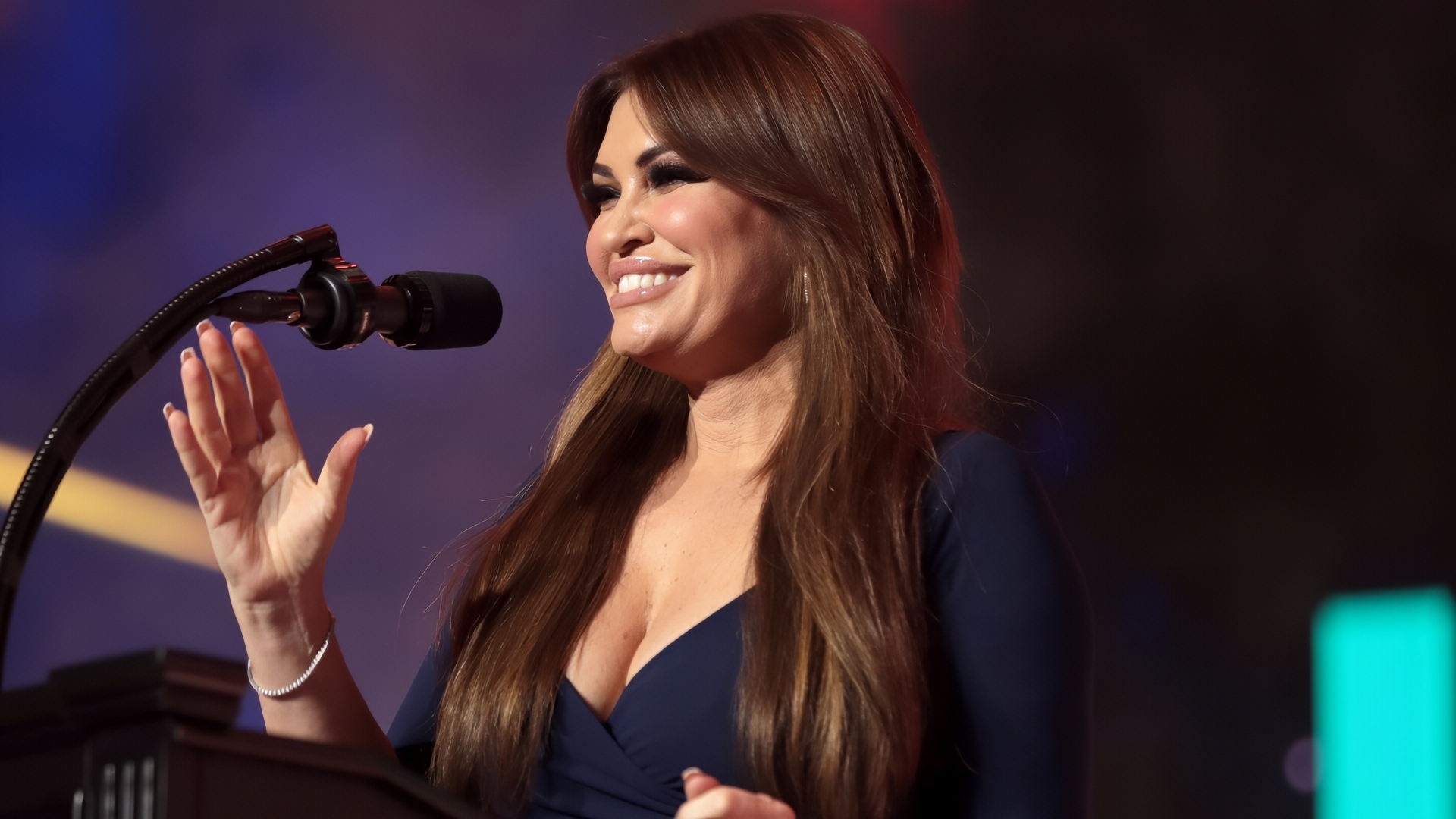
Kimberly Guilfoyle. Creative Commons Image.
He has not shied away from touching on sensitive subjects, like the war in Iran, which he continues to justify, noting that the ongoing conflict in the Middle East is “a very small price to pay for the security of this country and for the world.” He has also taken the opportunity to blast several popular Democratic candidates, among them Michigan senatorial aspirant Abdul El-Sayed, whom the president accused of being a “jihadist,” joking that the Senate would need metal detectors if El-Sayed wins a seat.
The War in the Polls Reflects the War at the Pump
While the president insists his plan is working, US inflation rose to 3.7% in September from 3.4% in August, according to figures released by the US Department of Labor’s Bureau of Labor Statistics (BLS).
The BLS attributed the increase to higher gas prices driven by the conflict in the Middle East, with gas prices rising 9.1% in September, a 34.2% jump from a year ago.
Voters from both parties have largely blamed Trump for rising prices, which runs counter to the president’s campaign promise to bring inflation down and lower prices “on day one.”
Republicans generally viewed the president more favorably than Independents and Democrats, with about one in four conservatives saying they disapproved of Trump’s economic policies.
At the same time, 92% of Democrats and 63% of Independents shared the same view.
Insiders Blame Trump, Trump Blames Everybody Else
Ultimately, the polls will make a decisive statement about what America really thinks of the president and his policies.
Trump has historically blamed Republican losses on candidates’ decisions to distance themselves from him, and there is no indication that sentiment has changed.
Projections today point to what many are calling a “Blue Wave” of Democratic victories, even in states where both the president and Republicans typically enjoy strong support.
A joint research initiative by The New York Times and Sienna University’s Sienna Research Institute shows that in battleground states like Alaska, Iowa, and Kansas, Democrats are expected to take both the gubernatorial and senatorial seats.
The first state polls close at 3 pm Pacific Time on Tuesday, November 3, while polls in Alaska will close last, at 10 pm Pacific Time.
About the Author: Tim Ramos
Tim Ramos has written for various publications, corporations, and organizations – covering everything from finance, politics, travel, entertainment, and sports – in Asia and the U.S. for more than 10 years.



Gregg Donals
November 2, 2026 at 2:53 pm
A failed president and a failed human being!