

Canada has selected Germany’s ThyssenKrupp Marine Systems to build a new class of submarines for the Royal Canadian Navy. The contract for the submarines is estimated to initially cost $24 billion, though accounting for lifetime program costs could bring that figure to over $100 billion.
Speaking in Halifax, Canadian Prime Minister Mark Carney hailed the landmark decision. “This project is about much more than acquiring submarines. It builds Canadian industrial capacity,” he said. “This government campaigned on the promise that we would fix Canada’s chronic defence procurement problems. Today’s announcement is another important step in that direction.”
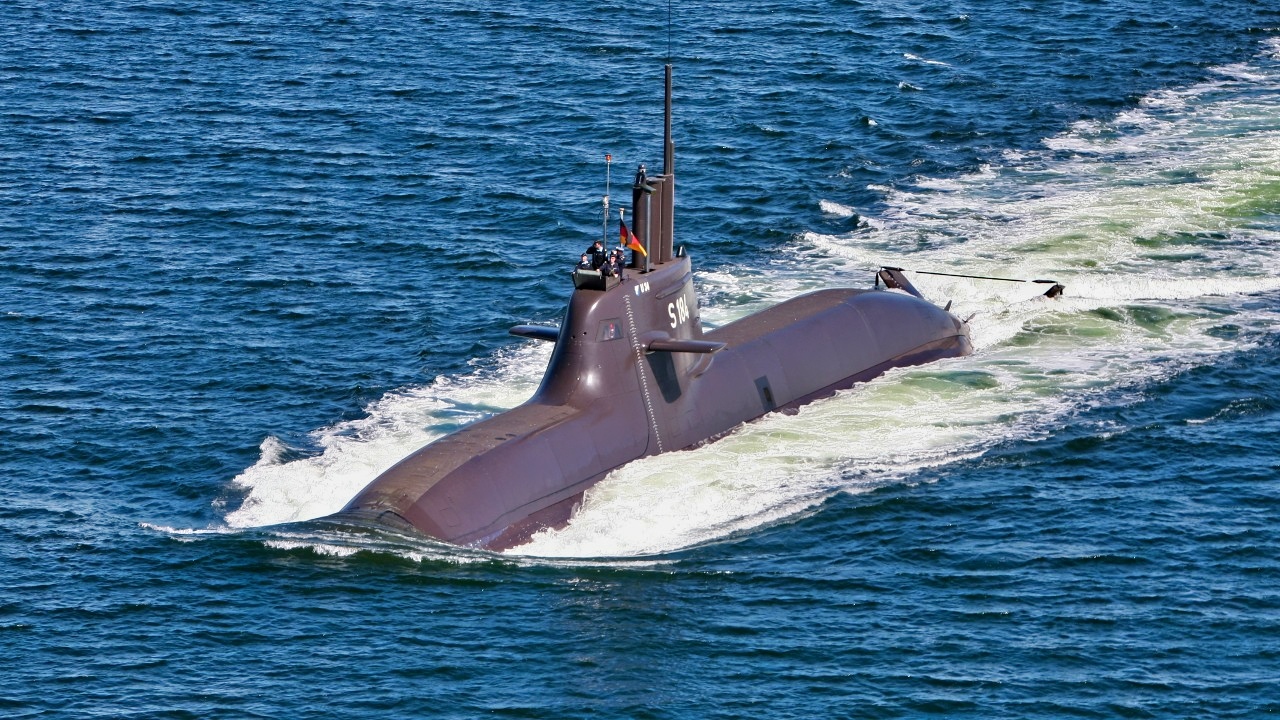
Type 212A. Image Credit: Creative Commons.
Stiff Competition for Canada’s New Submarine Contract
Ottawa’s decision to select a joint German-Norwegian bid over Hanwha Ocean, a South Korean shipbuilder, has long been anticipated, though the details of the agreement have yet to be hammered out definitively and may involve tough negotiations.
But Prime Minister Carney explained in his speech, “In the event that negotiations with TKMS are unsuccessful, Canada retains the right to designate Hanwha’s KSS-III, currently the reserve supplier, as the preferred supplier and enter negotiations with them.”
For nearly a year, Ottawa narrowed the field of boat-builders vying for the Canadian contract: TKMS’ Type 212CD, a submarine jointly procured by both the German and Norwegian navies, and Hanwa’s KSS-III. While TKMS had initially pitched a 2036 delivery of an initial tranche of four submarines to the Royal Canadian Navy, the company later revised that delivery estimate by two years, to 2034.
Canada’s Troubled Victoria-class
The Royal Canadian Navy’s current fleet of submarines, the Victoria-class, is very small. Numbering just four submarines, the fleet has been wracked by problems over the years and suffers from very low operational readiness.
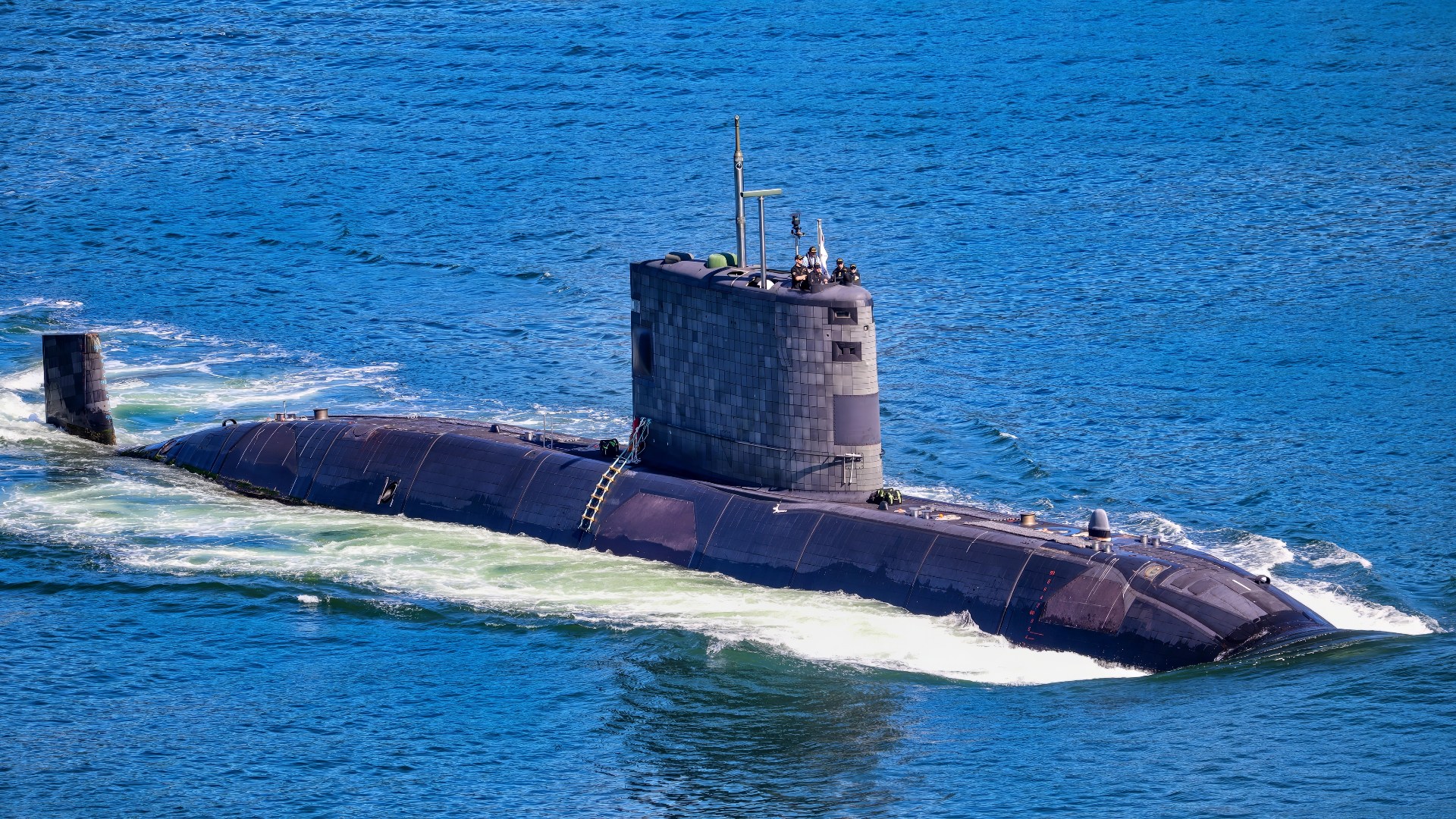
Victoria-Class Submarine of Canada

The Royal Canadian Navy long-range patrol submarine HMCS Victoria (SSK 876) arrives at Naval Base Kitsap-Bangor for a port call and routine maintenance. The visit is Victoria’s first to Bangor since 2004. (U.S. Navy photo by Lt. Ed Early/Released)
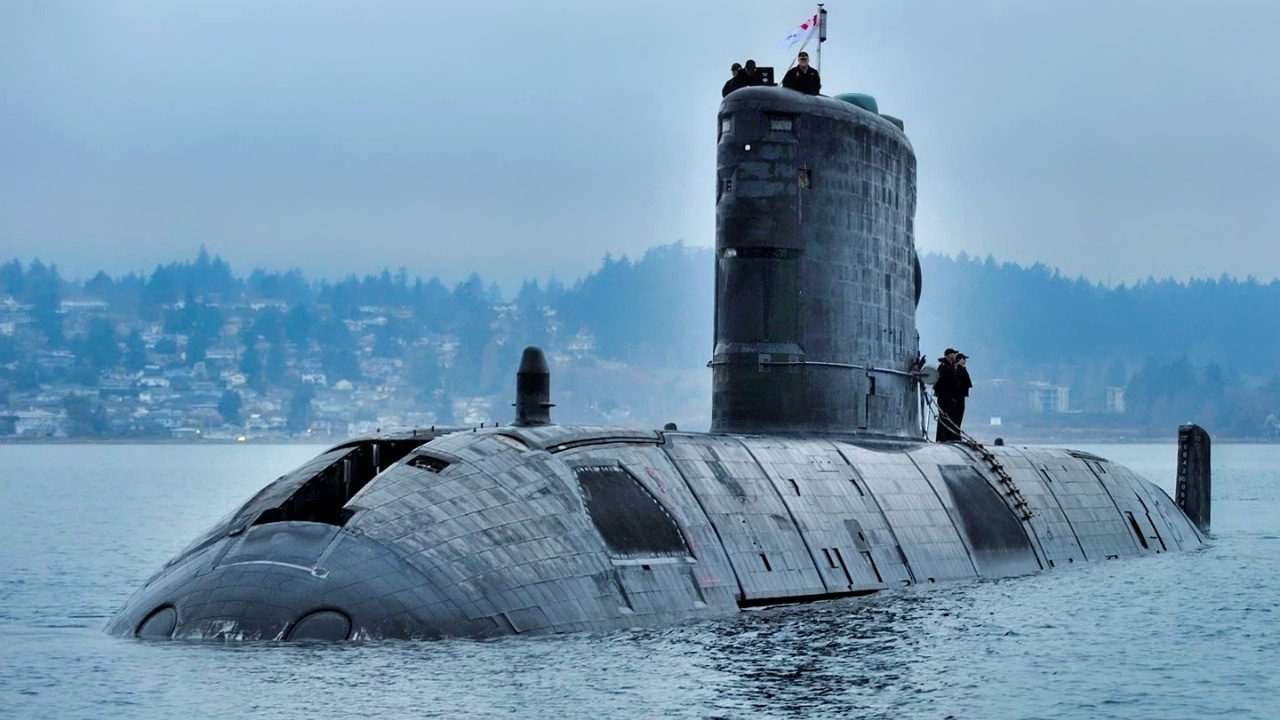
Victoria-Class Submarine Canada Navy. Image Credit: Creative Commons.
Initially in service with the United Kingdom’s Royal Navy, the diesel-electric submarines began life as the Upholder-class. Low operational readiness, significant machinery failures, dockside accidents and mishaps, and high maintenance costs have left only one submarine fit for patrol at a time.
While the current Canadian submarine fleet is just four-strong, Ottawa is expected to procure 12 submarines from TKMS, thereby tripling the fleet’s size.
Germany Versus South Korea
The decision to enter negotiations with a European supplier comes at a delicate time for Canada, a member of the NATO alliance. Battered by American President Donald Trump’s damaging trade war and the target of a number of pointed insults, Ottawa is keen to strengthen its security ties with the other members of its most important military alliance. The prospect of Canada choosing a European option had previously been raised by South Korea, which had voiced concern that Canada would lean toward a European solution even before this submarine decision was reached.
The NATO Alliance and the Indo-Pacific
Against the backdrop of the Canadian submarine agreement, NATO leaders gathered in Ankara, Turkey, for a defense summit. Like Canada, other NATO members have been battered by President Trump’s tirades, much of which has consisted of pointed criticism of members’ defense spending. The American president has also accused allies of free-riding on multiple occasions and taking advantage of the American defense umbrella without providing enough for their own defense.
While support for Ukraine was certainly a key agenda item at the Ankara summit, defense industry investments and concrete procurement plans gave NATO members an opportunity to burnish their credentials with the American president. For Canada, the submarine deal was at the center of their future defense plans.
But the decision to buy European drew criticism from some quarters, particularly in the Indo-Pacific, where countries would have liked to see greater Canadian involvement. As a nation with a large Pacific, Canada certainly has an interest in that part of the world. But Prime Minister Carney downplayed accusations that his country is moving its attention away from the region, saying, “We’re very committed to the Indo-Pacific strategy.”
Carney acknowledged that the decision would surely be a disappointment to South Koreans, but said that “there are a series of other initiatives Canada and Korea are pursuing that build our economic resilience and security footprint.”
Though a final contract on the submarine deal has yet to be committed to paper, the impending deal will see some of the most significant changes to the Royal Canadian Navy — and, indeed, the Canadian military writ large — in at least a generation. For Canada and NATO alliance allies, that is good news.
About the Author: Caleb Larson
Caleb Larson is an American multiformat journalist based in Berlin, Germany. His work covers the intersection of conflict and society, focusing on American foreign policy and European security. He has reported from Germany, Russia, and the United States. Most recently, he covered the war in Ukraine, reporting extensively on the war’s shifting battle lines from Donbas and writing on the war’s civilian and humanitarian toll. Previously, he worked as a Defense Reporter for POLITICO Europe. You can follow his latest work on X.


