
Ukraine’s military recruitment system is a critical part of its defensive efforts, but recent reports have shown that it is generating a substantial number of allegations of abuse and corruption. There are even reports of violent resistance from civilians.
More than four years since Russia launched the full-scale invasion of Ukraine, Kyiv is still fighting to recruit sufficient numbers of soldiers required to defend a front that stretches hundreds of miles.
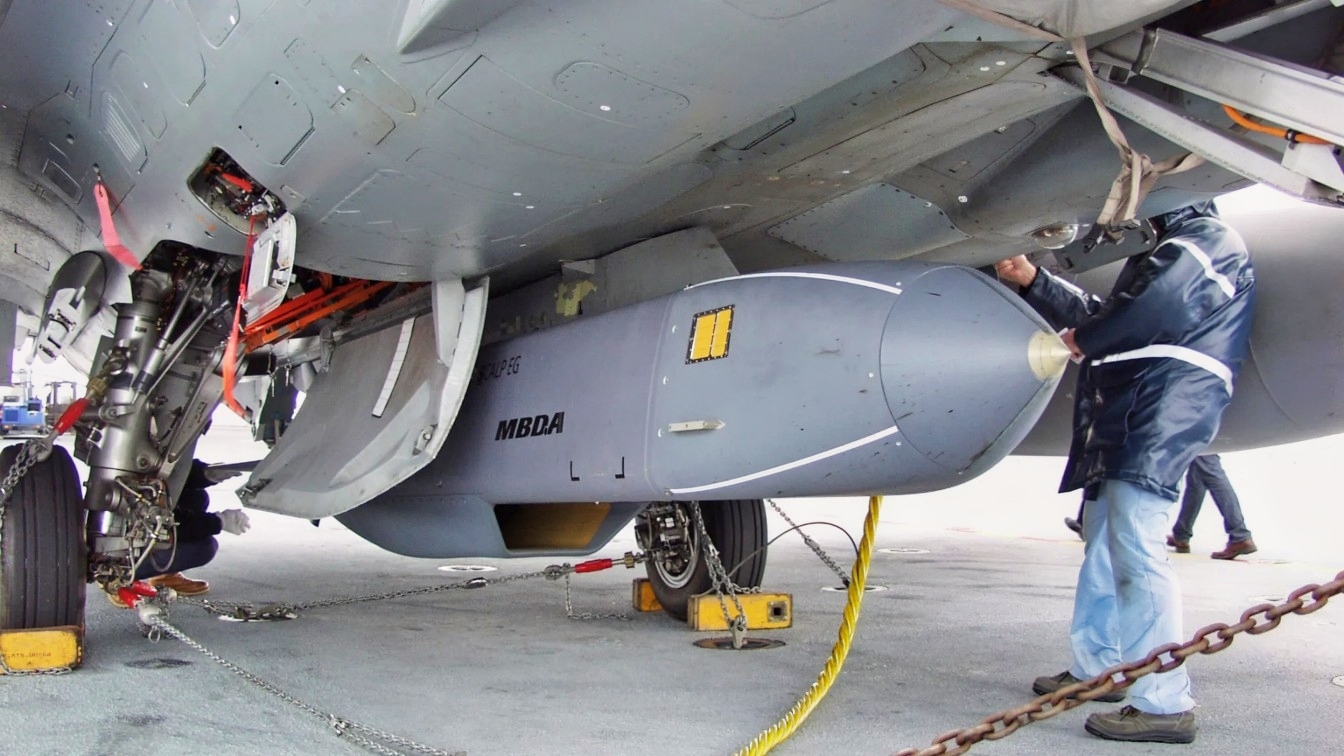
SCALP Missile Ukraine Military Photo
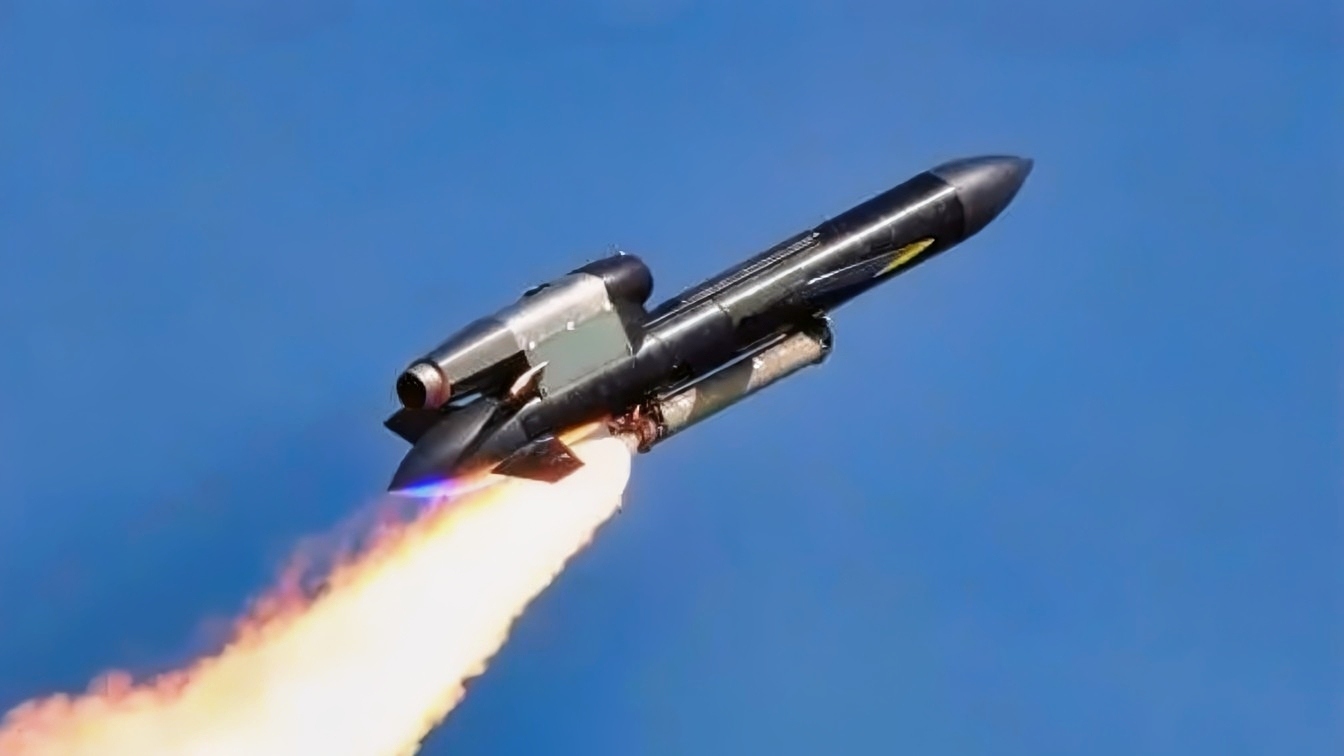
FP-5 Flamingo Cruise Missile. Image Credit: Ukraine Government
The reservoir of volunteers that has sustained the military from the beginning, however, has largely disappeared – and now Kyiv is being forced to depend on compulsory mobilization instead.
And that change carries consequences.
Recruitment officers have faced hundreds of attacks, and angry crowds have confronted military personnel as they attempt to detain suspected draft dodgers.
Ukrainian investigators are also pursuing investigations into officials inside recruitment centers who have assaulted civilians and falsified records, and even participated in schemes designed to help people avoid service.
“Busification” Drives Public Anger
Among the most controversial elements of Ukraine’s ongoing mobilization campaign is what’s known as “busification” – a term that refers to cases in which men are stopped in public, have their documents checked by a Ukrainian official, and are then subsequently taken to territorial recruitment centers.
An August 19 Al Jazeera investigation documented allegations from men who said they were forcibly detained, deprived of access to phones or lawyers, and held while their eligibility for military service was determined.
Ukraine’s parliamentary human rights commissioner has previously described violations associated with mobilization as “systematic and large-scale.”
And distrust is growing.
A Rating Group survey cited by Al Jazeera found that only 24% of Ukrainians trusted enlistment officers in July last year.
In 2024, Ukraine substantially tightened its mobilization rules and lowered the minimum draft age from 27 to 25. Kyiv also increased penalties for draft evasion and abandoned a proposed provision that would have allowed soldiers to leave military service after 36 months.
Ukrainian men are now simply expected to fight for potentially as long as it takes to win the war.
Those measures helped by providing additional personnel, but they did not eliminate Ukraine’s underlying manpower shortage.
Violence Against Recruiters Is Increasing
Resistance to recruiters is now also becoming violent, with the same Al Jazeera report describing how there have been more than 600 attacks against enlistment officers recorded since the war started.
The number of assaults also nearly tripled in 2025, while another 117 incidents were recorded in the first four months of 2026.
In Lviv on July 8, a crowd surrounded recruitment personnel who were attempting to detain a man wanted for draft evasion.
The protesters blocked an official vehicle and overturned it.
The incident prompted an investigation by both the national police and Ukraine’s Security Service.
Video footage of the incident also went viral online, with protesters heard shouting “shame!” at recruitment officers.
The incident was condemned by Ukraine’s General Staff.
A statement also said it would examine the conduct of the recruitment personnel involved for any possible violations.
It is also one example of a growing problem and shows the scale of the dilemma facing Kyiv.
Authorities must now somehow protect the officials responsible for supplying the desperately needed personnel while also responding to allegations that some officials are breaking the law – and this must all happen in the context of a general public growing tired of a conflict that they also want to win.
Ukraine Needs Tens of Thousands of Recruits – Per Month
Ukraine cannot simply abandon compulsory mobilization to prevent public backlash.
President Volodymyr Zelenskyy said last year that the military was mobilizing at least 30,000 new soldiers every month, while Russia was recruiting roughly 40,000.
Ukraine is also depending on an older fighting force. Reports indicate that the average Ukrainian soldier is 47 years old, which may explain why Ukraine is lowering its enlistment age rather than raising it.
A 2025 recruitment initiative also offered 18-to-24-year-olds contracts worth up to 1 million hryvnias, along with additional benefits.
But attracting large numbers of younger Ukrainians risks shifting the manpower crisis elsewhere, and Kyiv can’t avoid the economic damage the country faces post-war.
Ukraine Can’t Afford to Lose Young Workers
Ukraine, like Russia, has a demographic and labor problem caused by this war. Nearly six million Ukrainians are also living as refugees abroad. The IMF estimated that the country’s population fell from roughly 41 million in 2021 to 33.3 million in 2024.
Mobilization is removing working-age men from an economy that is already short of employees, and one that will certainly need even more once it has the opportunity to rebuild.
Kyiv therefore faces the brutal task of recruiting, avoiding public anger, and preparing for a post-war economy bound to face major hurdles.
About the Author: Jack Buckby
Jack Buckby is a British researcher and analyst specializing in defense and national security, based in New York. His work focuses on military capability, procurement, and strategic competition, producing and editing analysis for policy and defense audiences. He brings extensive editorial experience, with a career output spanning over 1,000 articles at 19FortyFive and National Security Journal, and has previously authored books and papers on extremism and deradicalization.


