


The war with Iran has been underway for almost half a year, and its impact on global energy is obvious. Still, the focus is no longer only on crude oil prices, but also on how fuel is refined, transported, and traded worldwide.
On Thursday, Brent crude soared to $93.81 a barrel, the highest level in more than three weeks.

Generic Oil Tanker Image. Image Credit: Creative Commons.
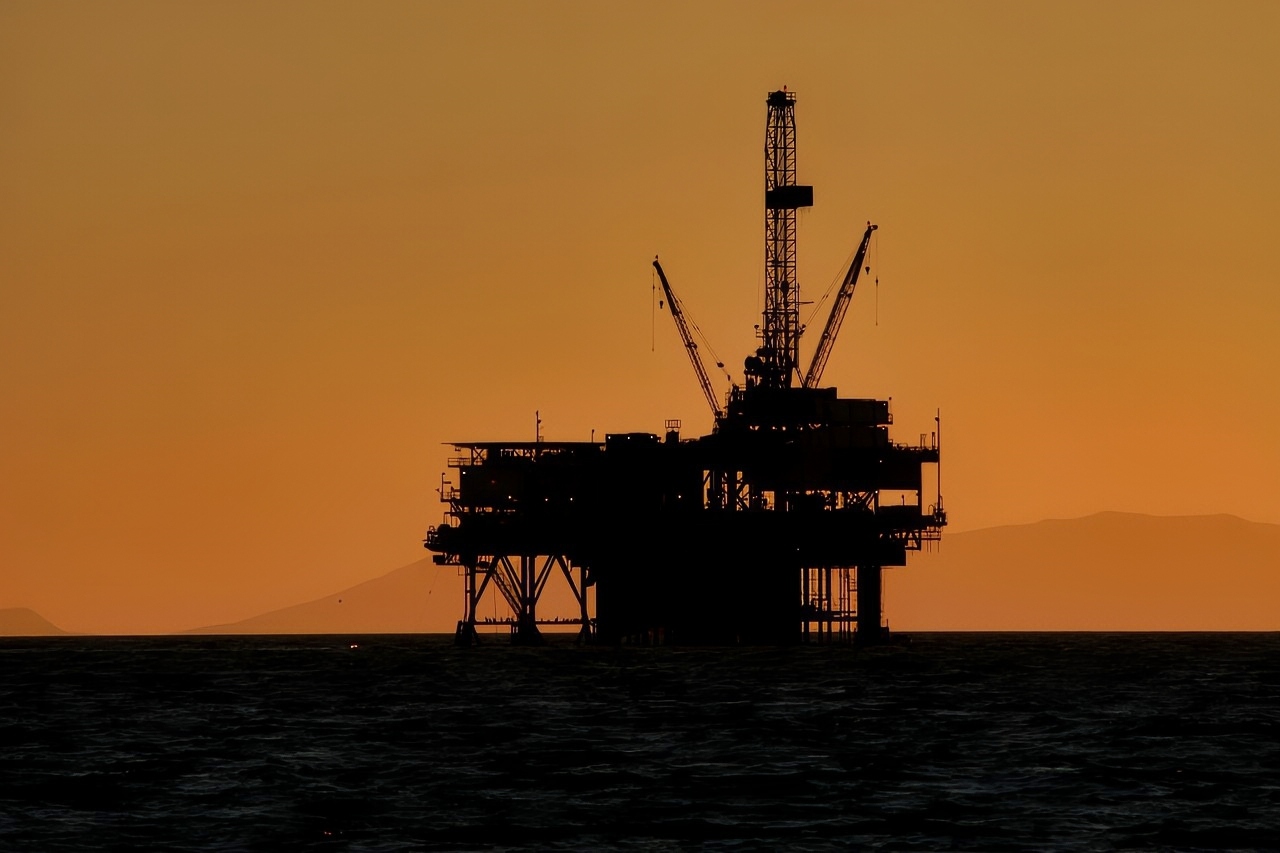
Oil Platform. Image Credit: Creative Commons.
Refined fuels, however, are facing even bigger problems. European diesel prices have surged by upwards of 70% since the U.S. and Israel launched joint attacks against Iran on February 28. American gas prices have also soared by 60%.
More Refinery Capacity Needed
Over 20% of the Middle East’s refining capacity, which usually sits at approximately 9.6 million barrels a day, has been taken out of service during the war.
Reuters reports that the Hormuz disruption has also been a major blow to fuel exports, with some Asian refiners slashing industrial production due to a shortage of crude oil from the Gulf.
Industry is also under pressure in part due to Ukraine’s strikes on Russian energy infrastructure.
Putin’s regime is suffering, with Russian refining plummeting to around 3.9 million barrels per day in July, near its lowest level in two decades.
Russia, a net diesel exporter until this summer, has also tightened diesel exports due to fuel shortages on its own soil.
Filling stations across Moscow have this week reimposed strict gas purchase limits due to Ukrainian drone attacks on Russian fuel supply networks.
Gazprom Neft has said people may only buy between 40 and 60 liters. Such restrictions were already in place in other parts of Russia.
The Ukrainian strategy of hitting Russia’s fuel supply shows no signs of abating. On Thursday, Kyiv said it had hit Russia’s TANECO refinery and the Tamanneftegaz oil terminal overnight.
The Diesel ‘Squeeze’
The U.S. diesel “crack spread” – essentially the margin between the price of crude and the diesel made from it – surpassed $100 per barrel for the first time this week, reaching a record $102.20 on Monday.
U.S. distillate inventories have also fallen to their lowest August level since 1996 despite American refiners increasing output.
Refineries have little spare capacity to quickly plug the gap. Global refinery processing in July was around 5 million barrels per day lower than a year earlier, according to the IEA.
Reuters’ August 20 analysis estimates that refinery runs in the second quarter were 5.1 million barrels per day below last year’s level.
Demand for refined products fell too, but by only around 4 million barrels per day, leaving supply shrinking faster than consumption.
What if the Strait Reopens?
Even if a diplomatic deal is struck, a resumption of shipping through the Strait of Hormuz would not necessarily aid consumers immediately.
More than 20 Gulf refineries were damaged during the conflict. Restoring them requires specialized equipment including compressors, heat exchangers, and catalysts, for which supply times were already lengthy before the war.
The West also entered the crisis with refining capacity already diminished.
The Financial Times reported Thursday that S&P Global Energy expects European refinery capacity to fall another 20% by 2035, to just over 9 million barrels per day. U.S. capacity is projected to decline 7% over the same period to 16.7 million barrels per day.
Europe shut roughly 500,000 barrels per day of capacity last year alone, while Britain lost two of its six refineries.
Refining margins might be high today, but maintenance is pricey, facilities are aging, and newer refineries in Asia and the Middle East are offering major competition.
Prices Surge
U.S. consumer prices were 3.4% higher in July than a year earlier, according to the Bureau of Labor Statistics. Energy costs jumped 14.7%, while gasoline prices rose 24.6%.
Eurostat, meanwhile, put eurozone inflation at 2.9% in July, with energy prices up 10% year on year.
Even if the Strait of Hormuz traffic reverted to pre-war levels tomorrow, much damage has been done. Gulf refineries are being repaired due to strikes, and inventories are running low.
Whatever the next move is, the crisis is far from over.
About the Author: Georgia Gilholy
Georgia Gilholy is a journalist based in the United Kingdom who has been published in Newsweek, The Times of Israel, and the Spectator. Gilholy writes about international politics, culture, and education.


