

Key Points and Summary – China is racing to field two new stealth strike platforms—the long-range H-20 strategic bomber and the regional JH-XX—that could fundamentally change the balance of airpower in the Indo-Pacific.
-Designed to penetrate deep into defended airspace, these aircraft would extend Beijing’s reach well beyond the First and Second Island Chains, putting U.S. and allied bases in Japan, South Korea, Guam, and even Australia at greater risk.
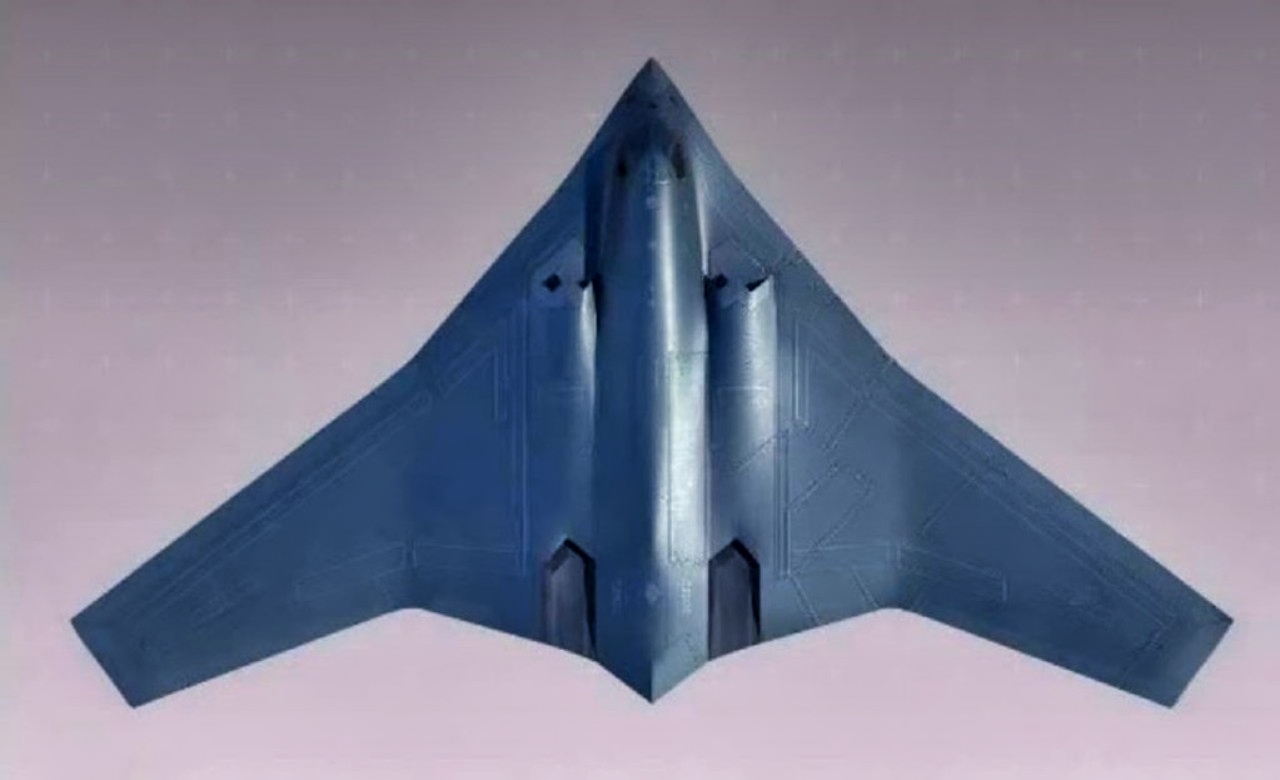
H-20 Bomber from China Artist Rendition. Creative Commons.
-Their emergence signals the end of assumed Western air sanctuary in Asia and will force Washington and its allies to rethink basing, dispersal, and integrated air and missile defenses.
China’s H-20 and JH-XX Have a Message for U.S. Airpower in the Pacific
China’s aviation ambitions are clear and have been for some time – but they’re now obviously reaching an entirely new phase of development, with two advanced stealth strike aircraft programs currently underway that have the potential to reshape the security landscape across the Indo-Pacific.
The Xi’an H-20 strategic bomber and the coming JH-XX regional stealth strike aircraft are central to Beijing’s efforts to field modern fighters and bombers that can take on the West, and represent a significant shift in not only China’s capabilities but its airpower doctrine, too.
And as they arrive, these aircraft pose new operational challenges for U.S. and allied forces in Asia.
The H-20 and JH-XX: Double Trouble?
The H-20 and JH-XX are arriving in an era of heightened regional tensions – deliberately so, it seems – that encompass increased Chinese military activity near Japan and Korea, as well as deepening cooperation between the U.S. and its allies in the region in response to those movements.
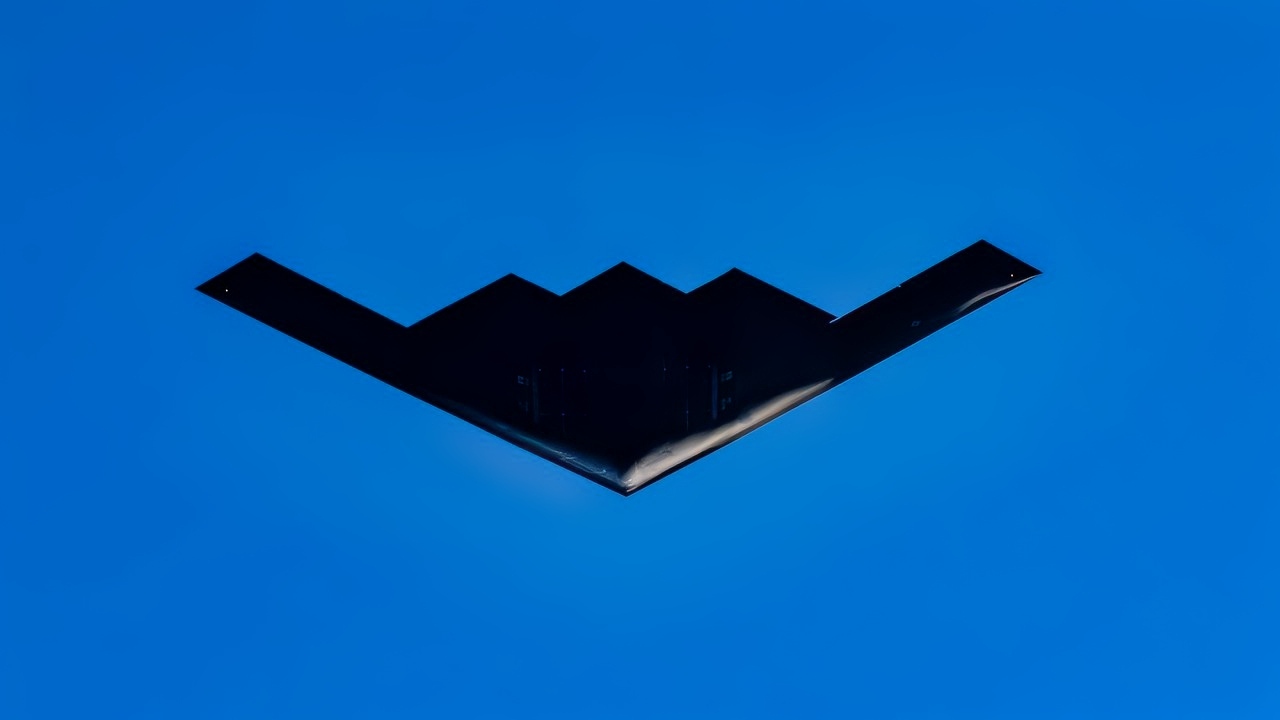
The B-2 Spirit flies over the Rose Parade at Pasadena Ca., Jan. 1, 2024. The Rose Parade is a parade of flower covered floats, marching band, and equestrian units that is produced by the Tournament of Roses. (U.S. Air Force photo by Airman 1st Class Bryce Moore)
Recent joint U.S. and Japanese bomber exercises close to Japanese airspace reflect the broader strategic contest that’s playing out across the Indo-Pacific, and to understand what China is planning to achieve, we must look at the hardware being built that will help them achieve it.
China’s Long Range Vision Through H-20 and JH-XX
China’s H-20 program is Beijing’s most ambitious attempt yet to field a long-range, stealth strategic bomber that’s capable of penetrating deep into contested airspace.
The project, first publicly acknowledged in 2016, aims to produce a flying-wing bomber with a range of at least several thousand kilometers and the ability to carry both conventional and nuclear ordnance.
The strategy is clear: Beijing seeks to mirror the strategic role of U.S. Air Force bombers and to close the decades-long capability gap with the United States.
Obviously, nothing is official, but Pentagon assessments offer a good look at China’s progress, noting that the H-20 is designed to penetrate defenses and threaten targets within and beyond the Second Island Chain – meaning that Chinese assets could target American bases and allies’ territory across the Pacific.
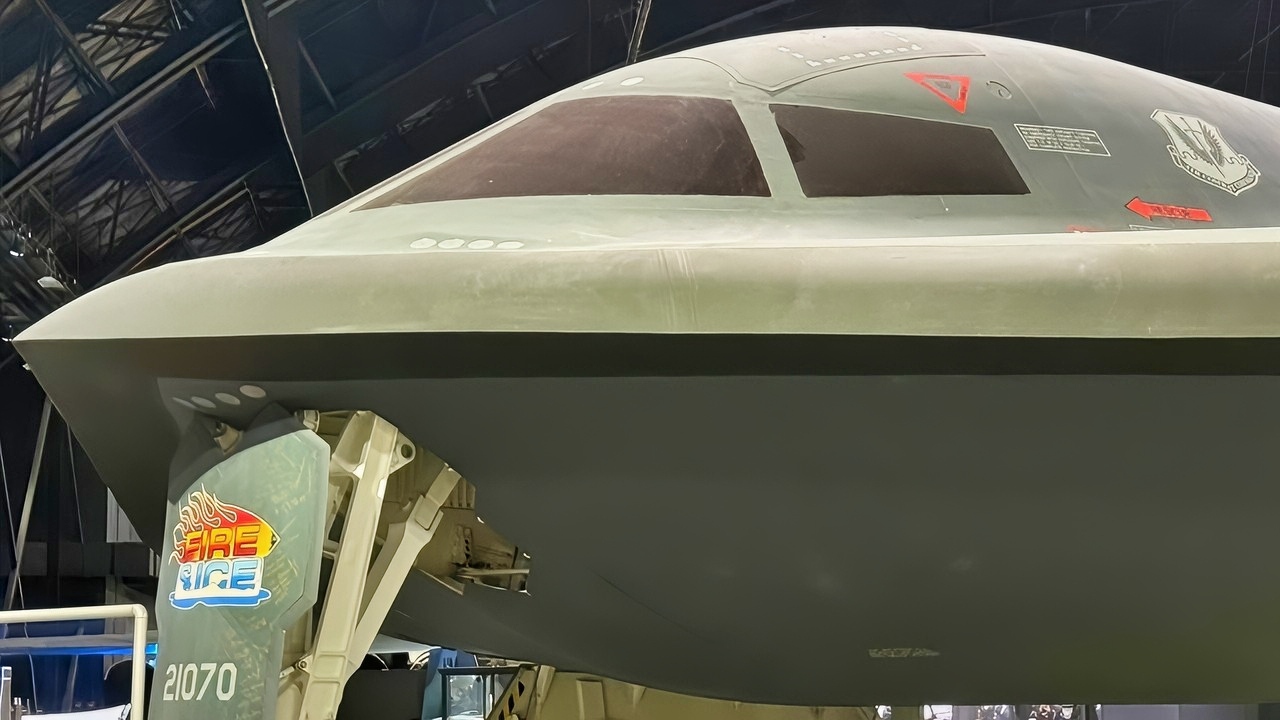
The Mighty B-2 Spirit Stealth Bomber. Image Credit: National Security Journal.
Despite the apparent secrecy surrounding its exact specifications, Western analysts suggest that the H-20 will focus on a combination of stealth and long-range strike capability rather than speed, giving China a survivable platform for deep-strike attacks against U.S. and allied infrastructure, and its flying-wing design is obviously inspired by the U.S. B-2 Spirit.
Alongside the H-20 efforts, the JH-XX designation describes what Western analysts believe is China’s simultaneous effort to field a regional stealthy strike aircraft designed to bridge the gap between long-range strategic bombers and tactical fighters.
At present, evidence suggests that the JH-XX is a stealthy platform under development that could perform long-range strikes and deliver nuclear weapons, forming part of a broader bomber fleet.
Visual sightings of a prototype aircraft at Chengdu Aircraft Corporation facilities have fueled speculation that China is indeed moving ahead with the effort.
However, its exact mission set is less well-defined than that of the H-20.
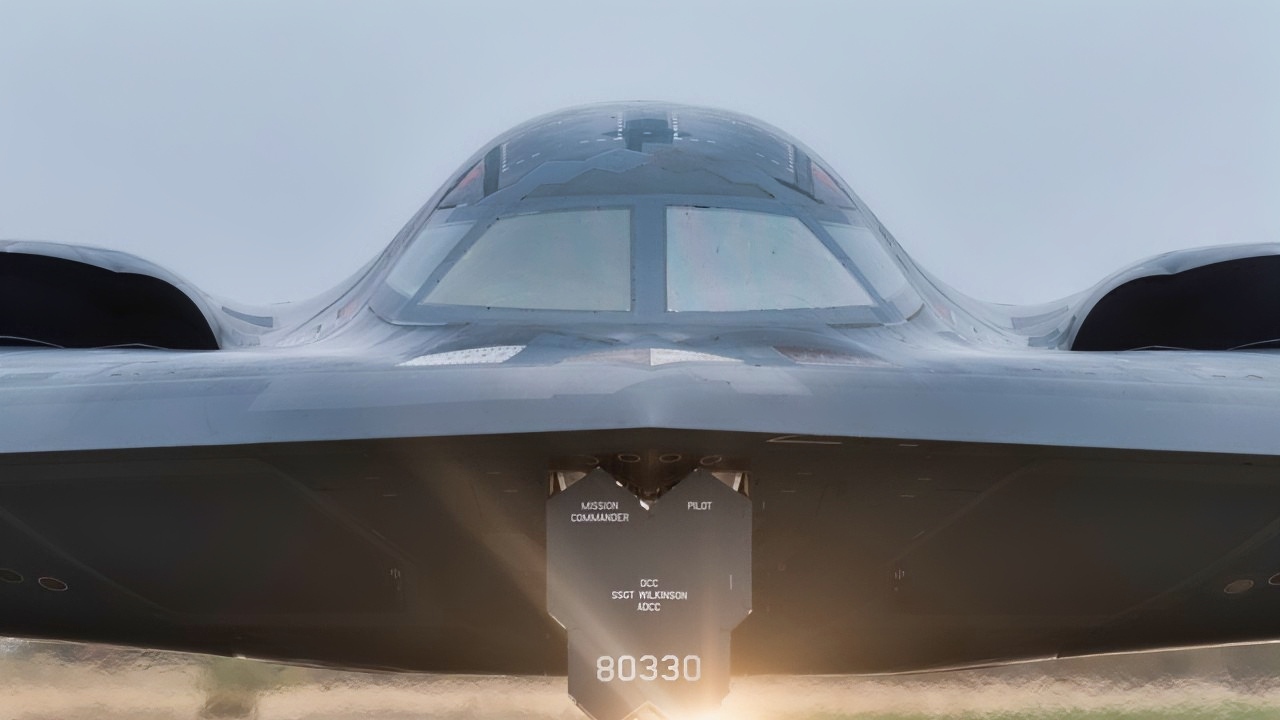
A B-2 Spirit Stealth Bomber, assigned to the 509th Bomb Wing, Whiteman Air Force Base, Missouri, taxis down a flight line, Oct 24, 2019. Total Force Airmen at Whiteman AFB are ready to execute the mission anytime, anywhere. (U.S. Air Force photo by Senior Airman Thomas Barley)
Both programs, however, are clearly in development and make sense when compared to our understanding of China’s broader airpower modernization efforts, which already include advanced stealth fighters like the Chengdu J-20 – a fifth-generation air superiority and precision strike fighter already fielded in significant numbers.
The J-20 provides the People’s Liberation Army Air Force (PLAAF) with enhanced surveillance abilities, interception, and escort capabilities that will ultimately be integral to future bomber missions.
How Will It Impact the West?
These new platforms will ultimately change how the West approaches the Indo-Pacific region – there’s no doubt about that.
From Washington to Canberra and Tokyo, analysts and planners are still assessing how these new platforms could affect campaign planning and general force posture across Asia.
The introduction of stealthy bombers and long-range strike aircraft would dramatically expand China’s threat envelope – the maximum range and altitude within which a weapon or aircraft can engage a target – beyond ballistic and cruise missiles.
That’s not a small thing – it effectively nullifies the Western advantage in air dominance and long-range precision strike that has been taken for granted for years.
For U.S. and allied forces, the prospect of H-20 or JH-XX operations targeting forward bases in Japan, South Korea, Guam, or Australia raises questions about the vulnerability of key bases and the current force dispersion.

JH-XX Mock Up. This was an early Mock Up. Image Credit: Creative Commons.
Fixed facilities that are currently out of range of China will soon be within range of its stealth bombers and would likely require additional hardened infrastructure to protect Western and allied assets.
New dispersal strategies and even greater investment in advanced air defense systems capable of detecting and engaging low-observable platforms will be needed.
The development of both the H-20 and JH-XX makes it clear that the era of air dominance for the West and its allies is coming to an end.
The U.S. and allies can no longer assume sanctuary or uncontested airspace in Asia, and as a result, there will be fundamental changes in basing, deterrence, and airpower planning.
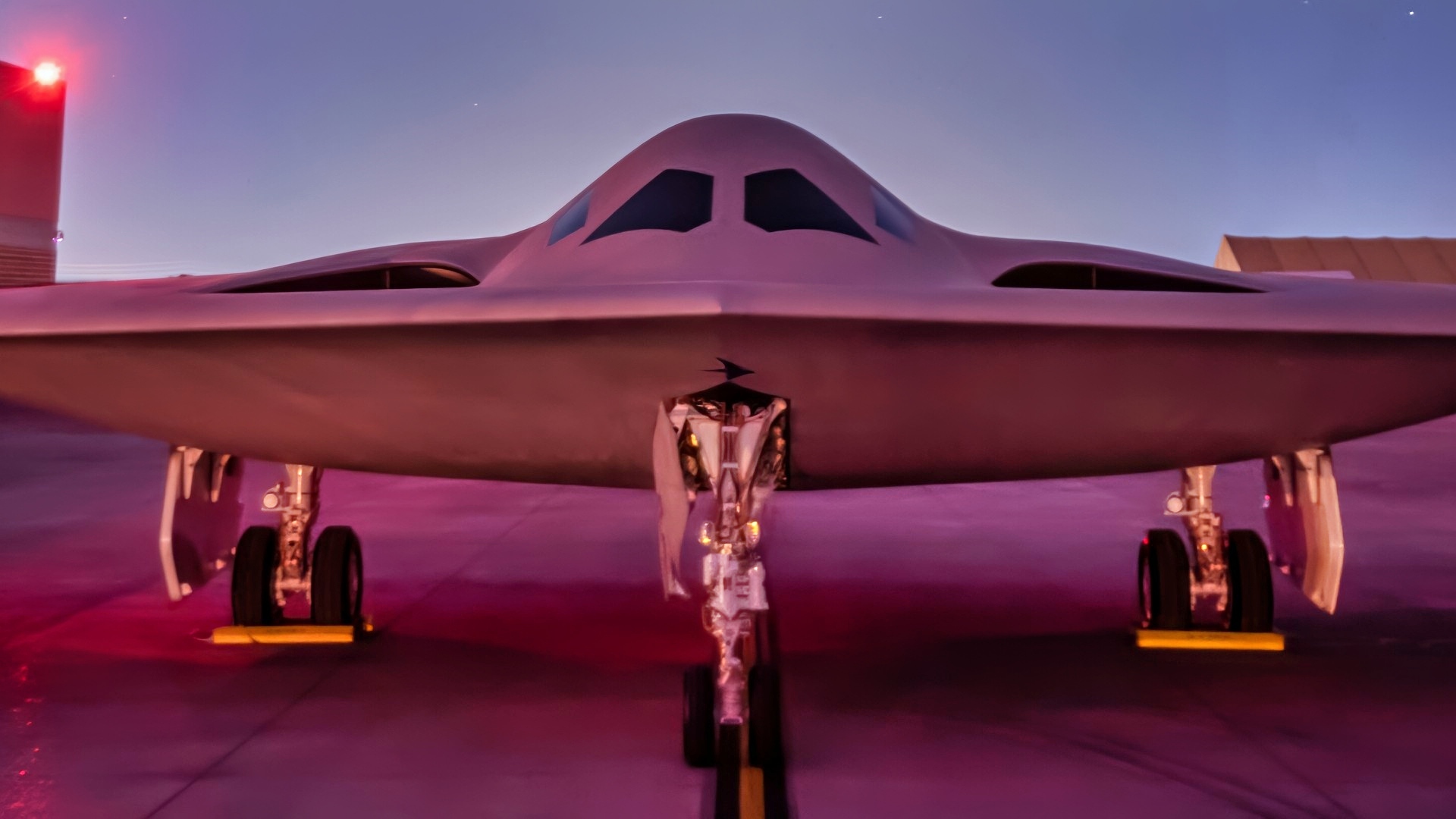
The B-21 Raider was unveiled to the public at a ceremony December 2, 2022 in
Palmdale, Calif. Designed to operate in tomorrow’s high-end threat environment, the B-21 will play a critical role in ensuring America’s enduring airpower capability. (U.S. Air Force photo)
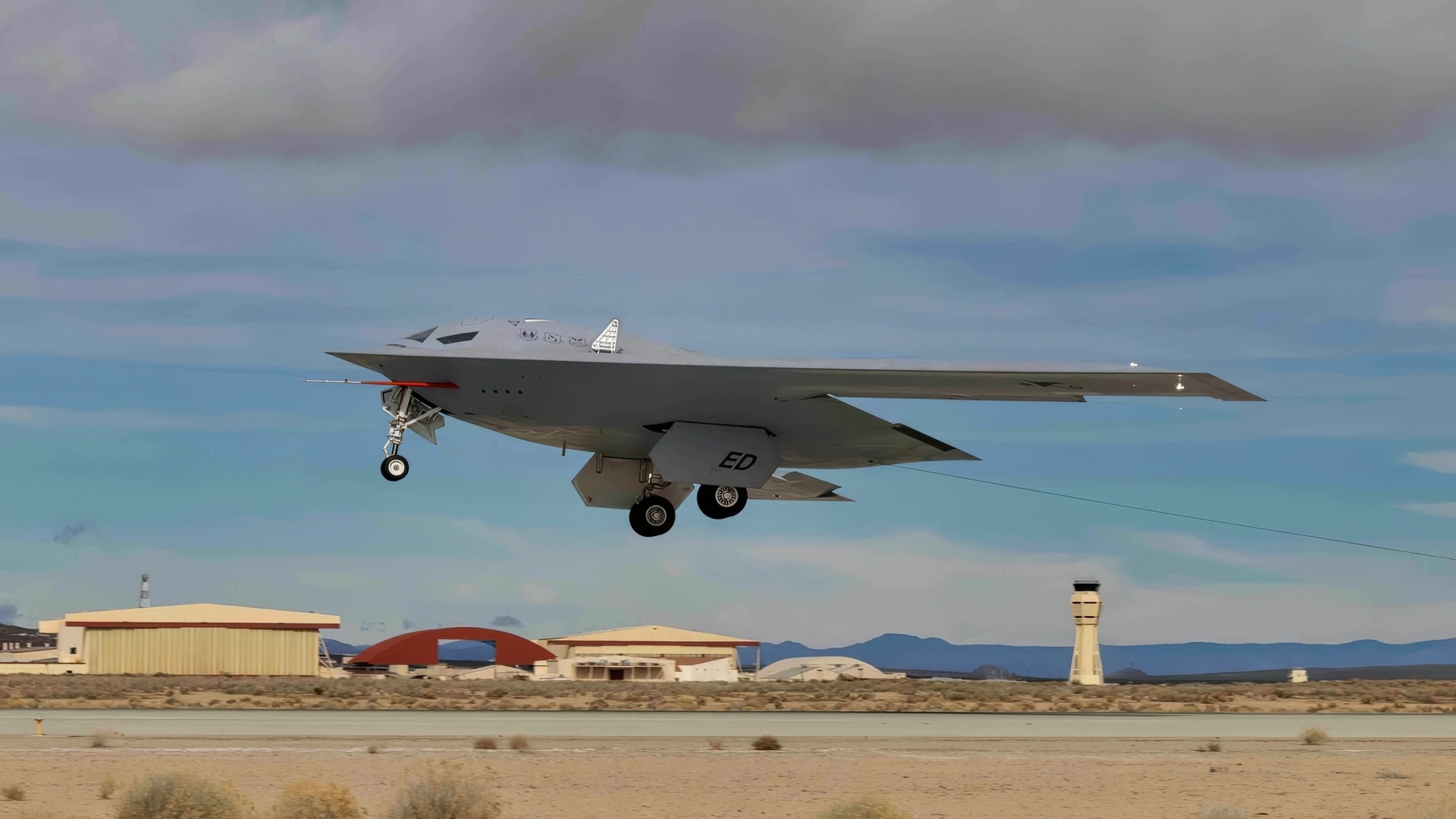
A B-21 Raider conducts flight tests, which includes ground testing, taxiing, and flying operations, at Edwards Air Force Base, California, where it continues to make progress toward becoming the backbone of the U.S. Air Force bomber fleet. The B-21 will possess the range, access, and payload to penetrate the most highly-contested threat environments and hold any target around the globe at risk. The B-21 program is on track to deliver aircraft in the mid-2020s to Ellsworth Air Force Base, South Dakota, which will be the first B-21 main operating base and location for the B-21 formal training unit. (Courtesy photo)
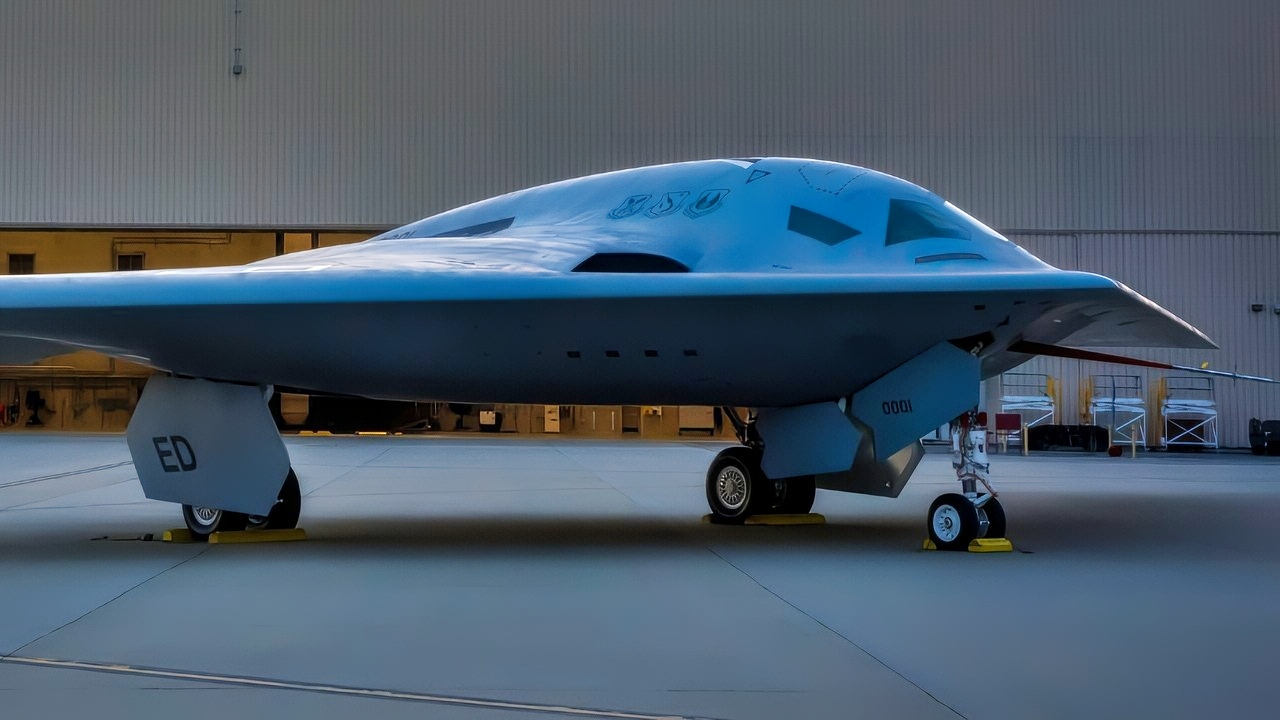
The B-21 Raider is designed with an open systems architecture, enabling rapid insertion of mature technologies and allowing the aircraft to be effective as threats evolve. The bomber was designed up front for supportability and maintainability-based upon decades of lessons learned and best practices from prior aircraft programs-to improve long-term affordability and outcomes in operations and sustainment. The B-21 first flight is anticipated to take place in calendar year 2023. (U.S. Air Force photo)
About the Author:
Jack Buckby is a British author, counter-extremism researcher, and journalist based in New York who writes frequently for National Security Journal. Reporting on the U.K., Europe, and the U.S., he works to analyze and understand left-wing and right-wing radicalization, and reports on Western governments’ approaches to the pressing issues of today. His books and research papers explore these themes and propose pragmatic solutions to our increasingly polarized society. His latest book is The Truth Teller: RFK Jr. and the Case for a Post-Partisan Presidency.


angelo corbin
December 14, 2025 at 9:39 pm
First of all china do not have a stealth bomber, that is a AI generated image.
Larry Folds
December 15, 2025 at 12:52 am
This isn’t a bad thing per se, it is good that the West is getting some competition. Competition makes you think on your feet and get better.
Catapult
December 15, 2025 at 4:10 pm
Whatever happened to the obsolescence of manned strategic bombers with ICBMs taking their place? I thought that was the reason the XB-70 was cancelled. Now here we are again, cranking out multi-billion dollar manned aircraft. Wassup?
Hacy
December 15, 2025 at 7:10 pm
Anything made in China falls apart within a year…