

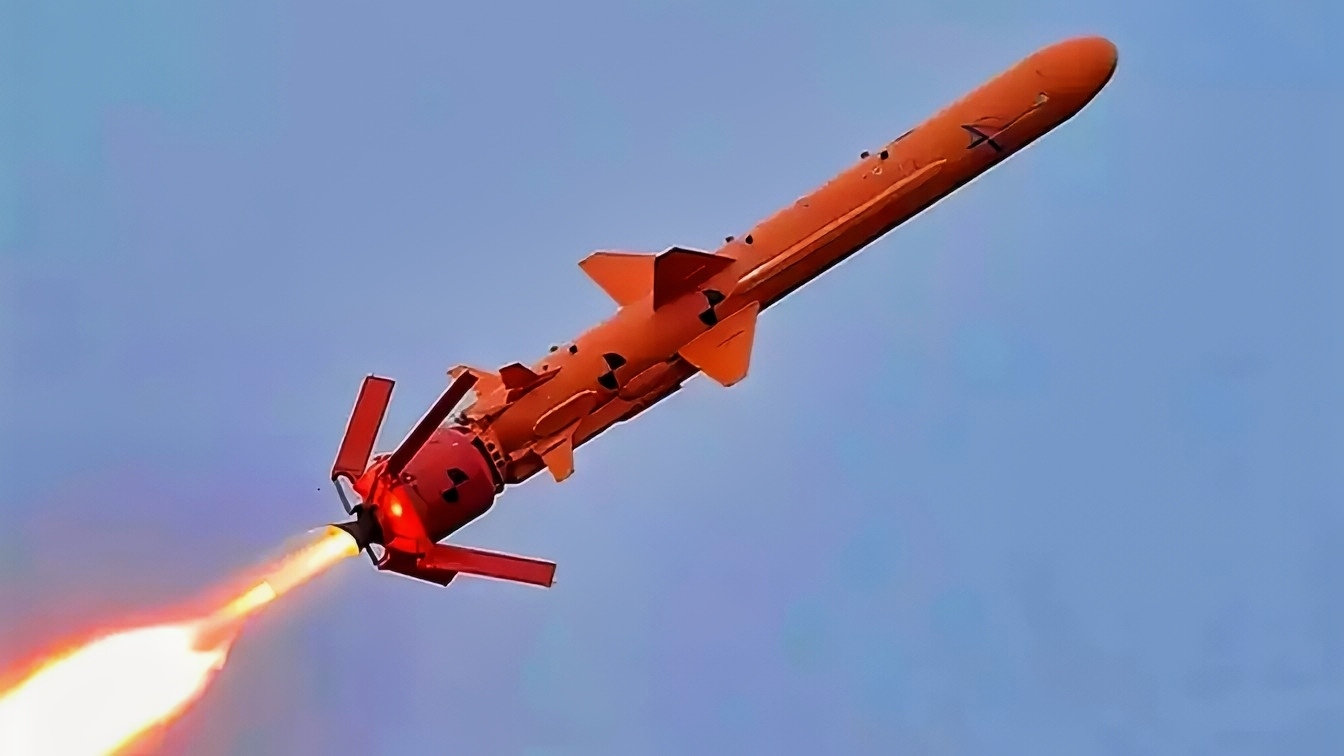
Ukraine’s ongoing strike campaign against Crimea has seen hundreds of munitions rain down on targets across the peninsula.
Fuel depots, ammunition dumps, key transportation nodes and military-relevant targets, including air defense batteries, have erupted into flame, causing an acute fuel shortage in Crimea, occupied by Russian forces since 2014.
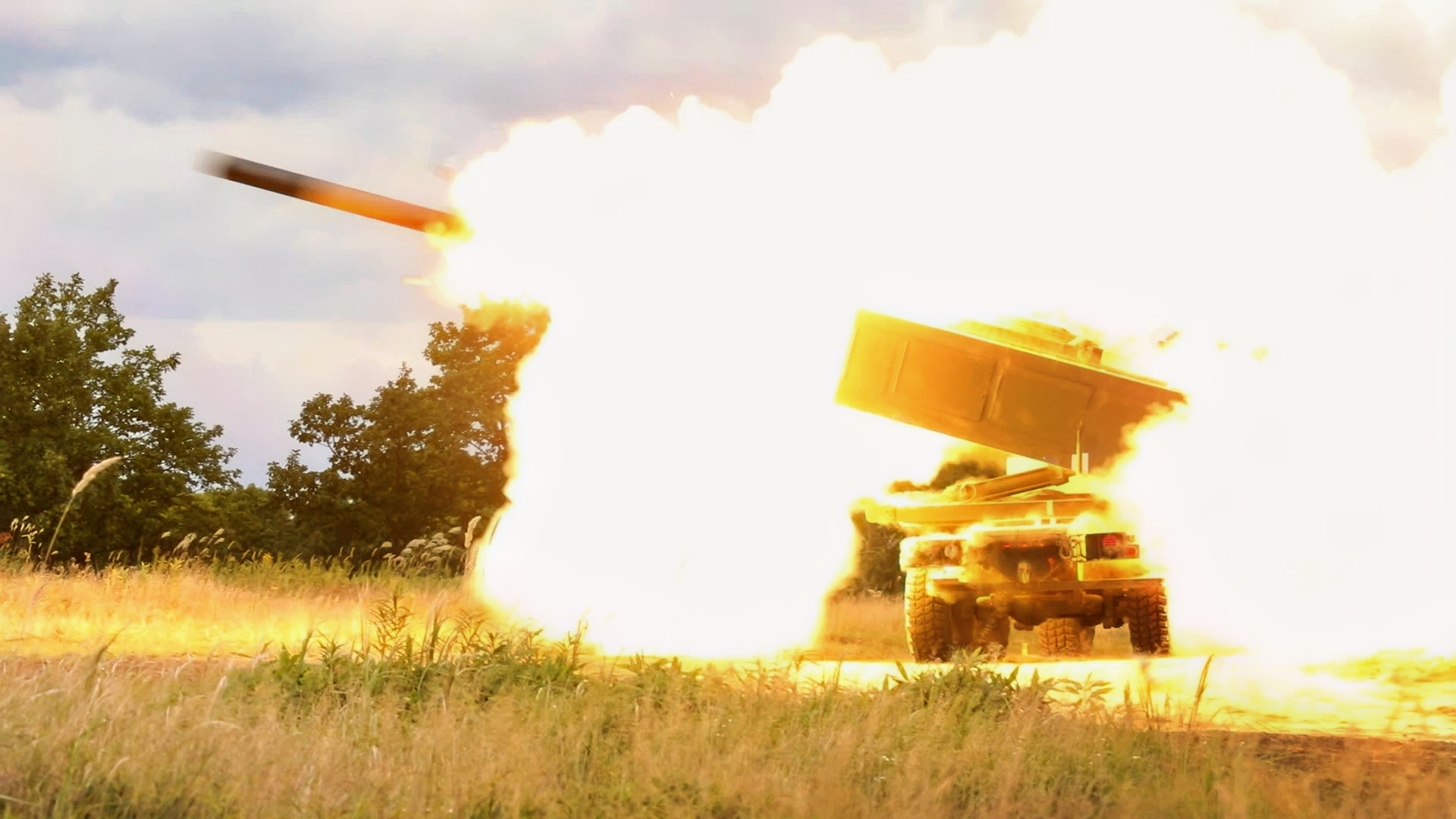
A High Mobility Artillery Rocket System (HIMARS) with the 1st Battalion, 181st Field Artillery Regiment fires toward a designated target at Yausubetsu Training Area, Hokkaido, Japan on Sept. 20, 2023. U.S. Army soldiers and Japan Ground Self-Defense Force (JGSDF) members participated in showcasing their artillery prowess in front of VIPs and dignitaries. (Photo by U.S. Army National Guard Staff Sgt. Ryan S. Gay)
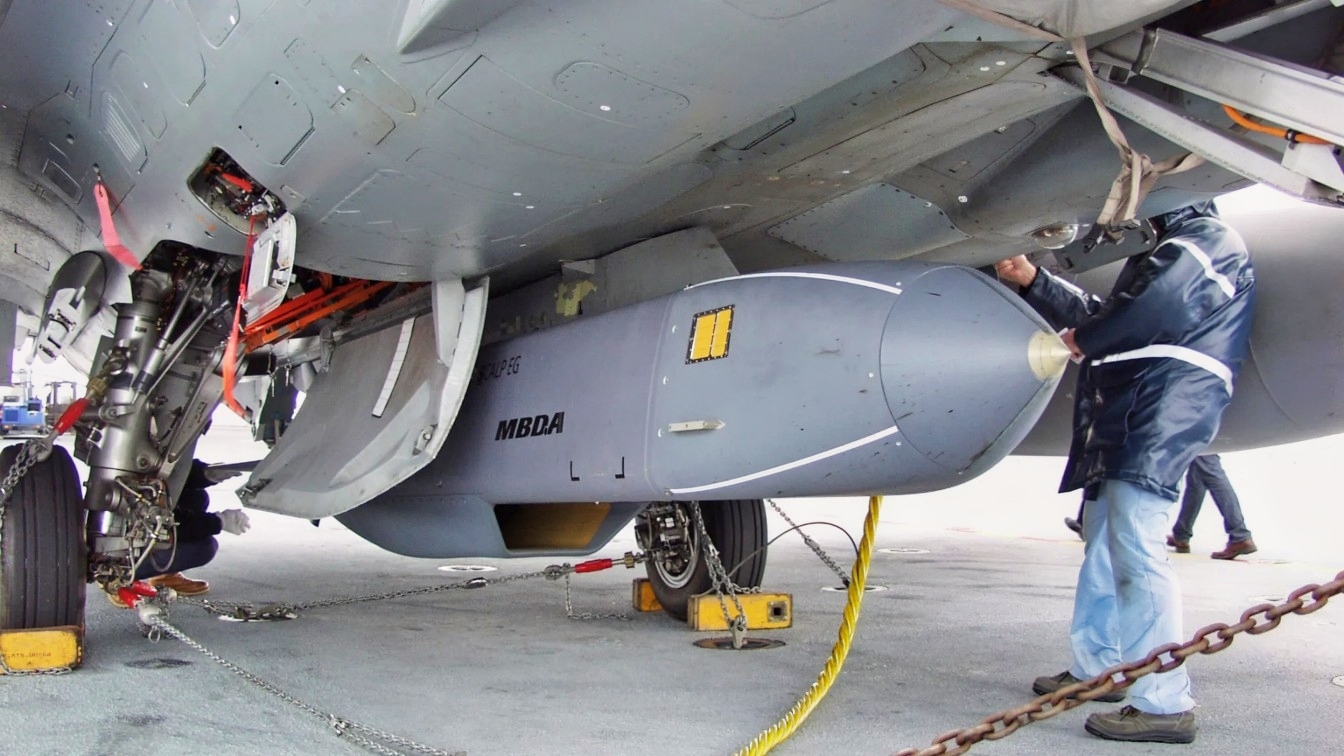
SCALP Missile Ukraine Military Photo
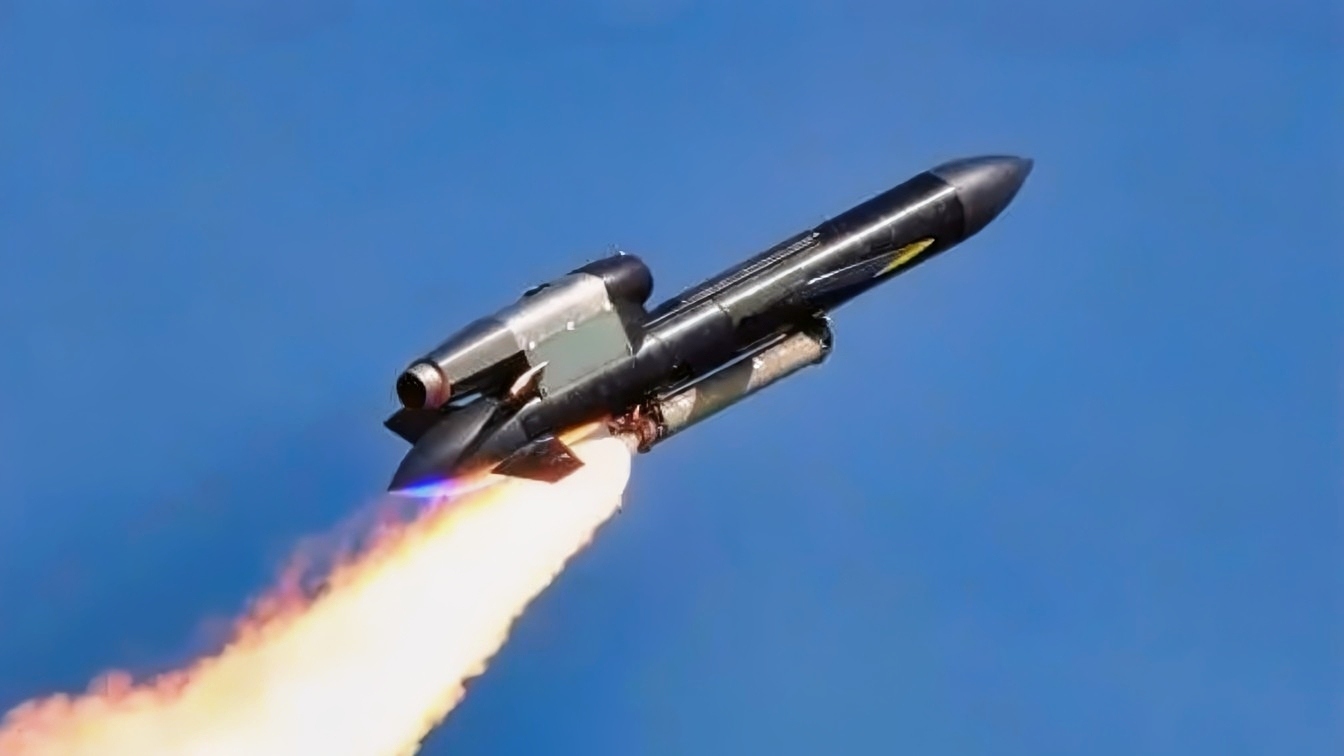
FP-5 Flamingo Cruise Missile. Image Credit: Ukraine Government
But it also strikes at the heart of Russian President Vladimir Putin’s grip on Ukraine, which has appeared looser this summer than it has perhaps at any other time since the 2023 Ukrainian counteroffensive, when Ukrainian forces threw back Russian troops from parts of Russian territory they had occupied since the early days of the full-scale invasion.
But over the past year, and most particularly during the last couple of months, Kyiv has shifted gears toward a strategy of persistent pressure instead of the kind of large-scale counteroffensives that grabbed headlines in the summer of 2023.
Rather than focusing attacks only on major military targets, like Russia’s Black Sea Fleet, or the Kerch Strait Bridge, Ukrainian forces have put the infrastructure that keeps civilian life humming and Russian forces supplied and functioning in Crimea: fuel depots, power facilities, transportation links, ferry crossings, logistics hubs, shipping routes, and air defenses.
The objective is not necessarily to retake Crimea in the near future.
Rather, it is to make Russia’s occupation of the Ukrainian peninsula increasingly costly for Russia by forcing the Kremlin to divert more resources and personnel to just keeping Crimea functioning.
Rather than serving the Kremlin as an important strategic asset, Crimea has become a growing liability.
Fuel Targeting
One of the biggest shifts in attacks has been Ukraine’s focus on fuel. Earlier in the war, strikes on Crimea concentrated on naval facilities, ammunition depots, command centers and warships.
And while those attacks degraded Russia’s military capabilities, they had only limited effects on life on the peninsula more broadly.
Ukraine has increasingly brought the supply networks that bring fuel into Crimea into its crosshairs. That includes strikes against ferry infrastructure across the Kerch Strait and transportation links by road and rail connecting occupied Crimea with southern Russia, interrupting the flow of fuel before it reaches gas stations and fuel depots.
The effects have been stark. Russian-installed authorities there have suspended civilian fuel sales completely, reserving available fuel supplies for emergency services and military or law enforcement use — or Russia’s capital city.
It was a striking admission that Kyiv exerted an acute fuel squeeze on the peninsula.
Fuel has not been the only recipient of Ukrainian ire on Crimea either. Knock-on effects of the Ukrainian strike campaign have included water systems and electricity availability, as repeated attacks on energy infrastructure and transport networks complicate maintenance and fuel deliveries needed for generators and pumping stations.
Rolling power outages and water interruptions have occurred in tandem with fuel shortages, creating perhaps the most serious disruption to civilian life in Crimea since the 2014 annexation.
Opportunity Costs
From the Kremlin’s perspective, the Ukrainian strike campaign has strategic implications beyond just inconveniencing civilian life.
Modern armies burn through enormous quantities of aviation fuel, diesel, and gasoline, and the ever-present shortage forces Russia to prioritize which units receive supplies, leaving other units to compete for limited fuel — all of which creates opportunity costs elsewhere.
Long-range Strike
But Ukraine’s campaign on Crimea is also a reflection of Kyiv’s growing confidence — and proficiency — in prosecuting long-range strike campaigns against Russia thanks to its growing crop of increasingly long-range drones and home-grown cruise missiles.
Earlier during the war in Ukraine, reaching all the way into Crimea itself was a feat for Ukraine, requiring special operations forces or use of a limited stockpile of long-range cruise missiles.
Today, however, Ukrainian forces have access to millions of drones per year and can launch them in repeated waves against Russia, placing persistent rather than occasional pressure on the Kremlin.
None of this means that Russia has lost control of Crimea, however.
Russian forces continue to occupy the peninsula, operate military bases there, and repair damaged infrastructure where possible. But the nature of operations — and the conflict — has changed decisively.
Following the Russian annexation, Crimea was a secure and prosperous symbol of Moscow’s military prowess. Kyiv’s recent campaign has tarnished that reputation by making shortages and blackouts an increasingly normal part of life on the peninsula.
Instead of a rear-area stronghold, the peninsula has transformed into another front of an expanding war, and one that undermines the Kremlin’s war aims.
About the Author: Caleb Larson
Caleb Larson is an American multiformat journalist based in Berlin, Germany. His work covers the intersection of conflict and society, focusing on American foreign policy and European security. He has reported from Germany, Russia, and the United States. Most recently, he covered the war in Ukraine, reporting extensively on shifting battle lines in Donbas and writing on the war’s civilian and humanitarian toll. Previously, he worked as a Defense Reporter for POLITICO Europe. You can follow his latest work on X.


