


It’s a Cold War-era bomber developed in the 1970s, but the Russians aren’t giving up on it. The MACH 2 Tu-160M Blackjack strike aircraft is a massive “White Swan” that can swoop in for the kill, making the enemy duck for cover in fear. The Russians have already acquired two brand new Tu-160Ms at the end of 2025 and the beginning of 2026. One reason for this is not that the Tu-160M is a modern marvel, but that the Russian air force has few other options for deep-strike missions.
Moscow would rather have a large fleet of stealth PAK DA bombers, but that next-generation strike platform has been delayed, is incurring cost overruns, and is not ready for active duty. So that gives the Russians a reason to focus on the Tu-160M.
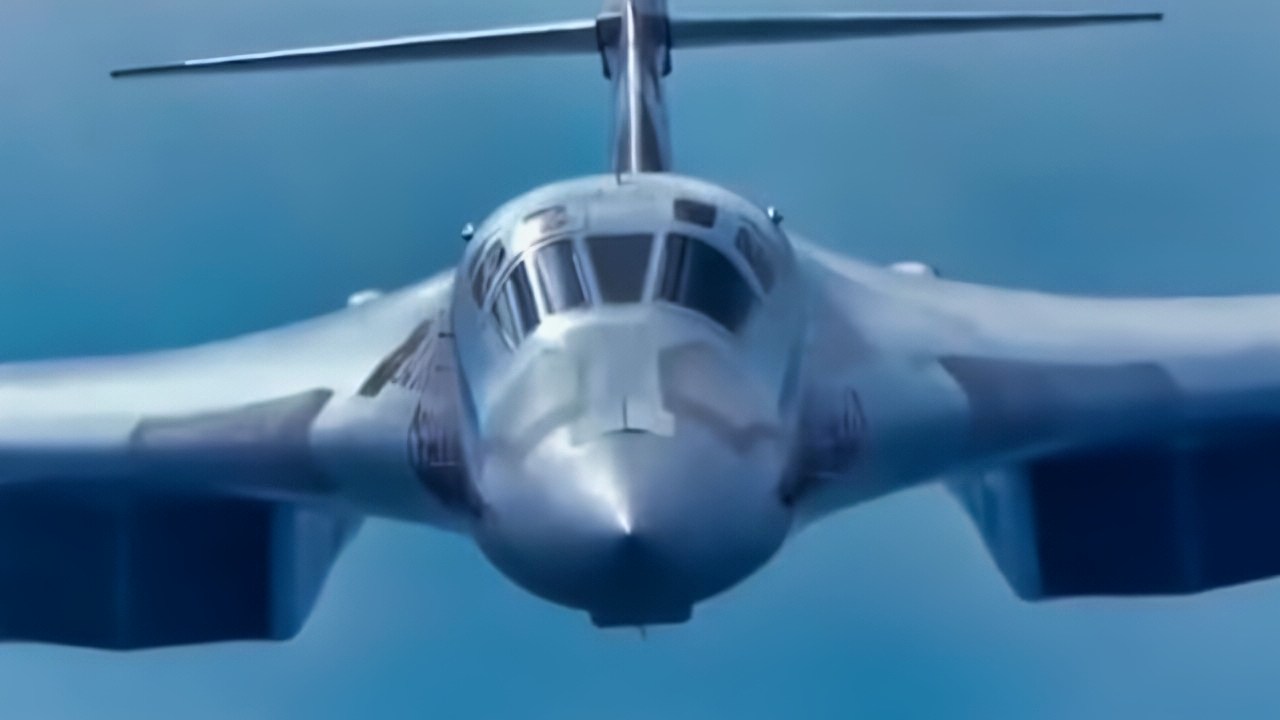
Tu-160 Bomber. Image Credit: Creative Commons.

Tu-160 Bomber Russian Air Force Photo
What Is the Best Use Case for the Tu-160M?
By now, Russia was supposed to have achieved air dominance over Ukraine. This would have allowed the Tu-160M to bomb targets with impunity. That has not become widespread now that the war has dragged on for so long.
There Is a Lot to Like About This Bomber
It’s not a bad transition bomber, though. That speed is great, so is the range. The Tu-160M has a large payload, and its broad range of ground-attack weapons is designed to make mincemeat of enemy targets. This is a heavy-duty missile truck.
Variable Sweep Wings Make It Stand Out
A neat feature of the Tu-160M is its variable-sweep wing, which allows it to transition from slow to high speeds as the mission progresses. Variable-sweep wings also optimize lift and reduce drag.
A High-flying and Speedy Stalwart in the 1980s
The Soviets first fell in love with the Tu-160M when it was introduced to the air force in 1981. By 1987, the strategic bombers were flying regularly.
This was the last bomber made before the Soviet empire fell apart. The Tu-160M has an enviable ability to launch nuclear-tipped and conventional cruise missiles, which makes it ideal for long-range, stand-off strikes, and it is still an important member of the Russian nuclear triad.
Soviet Collapse Could Have Spelled the End of the Program
The end of the Cold War was a bad time for the Tu-160M. Nuclear warfare was an afterthought, and there seemed to be no conventional role for the bomber. The new Russian Federation had little money for additional airplanes, and the Tu-160M almost died on the vine.
This airplane is finicky and expensive to maintain. There were no longer any orders for new bombers, and the Russian air force had seen better days. It looked like the Tu-160M was headed for retirement.

Tu-160M Bomber Air Force. Image Credit: Creative Commons.

Tu-160 Bomber from Russia. Image Credit: Creative Commons.
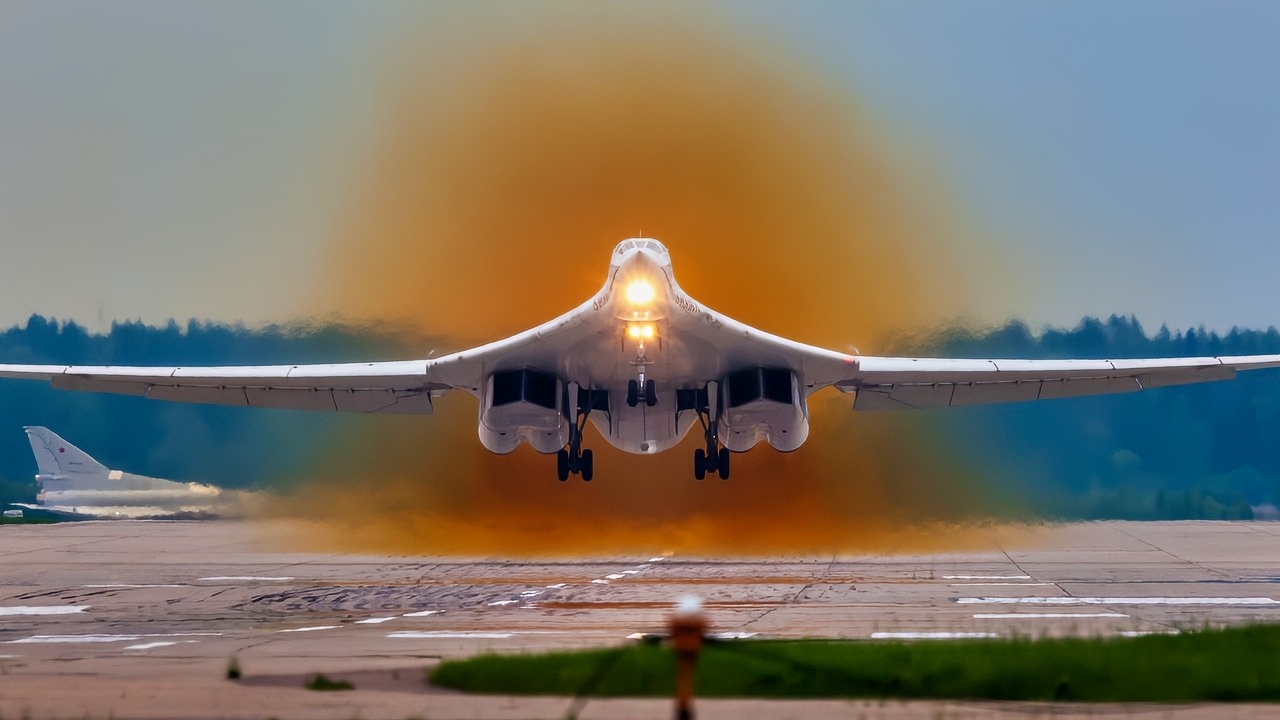
Tu-160 Bomber from Russia. Image Credit: Creative Commons.
Somehow, the program survived and became a go-to mission choice against Syria in the modern era. The bomber showed it could stay in safe airspace and launch cruise missiles for effective close air support. This role would emerge years later in the war against Ukraine.
Modernizing the Bomber
Before and during the current war, the Tu-160M underwent a modernization period that focused on new engines. This upgrade featured the next-generation NK-32-02 engines (Series 2), developed by UEC-Kuznetsov. These save on fuel and are more powerful, extending the bomber’s range.
Next, Russian engineers focused on improving the avionics. Plus, like the B-52J, the White Swan needed new radar systems that were becoming obsolete. To improve survivability, the Tu-160M was equipped with updated electronic warfare capabilities to jam and spoof enemy radar and foil incoming surface-to-air missiles.
The White Swan Is a Threat to NATO
Russia would like to build 50 new Tu-160Ms and upgrade 16 others. So we haven’t seen the last of the Tu-160M. This will improve the ability of Russia to deliver nuclear weapons and take the fight to the enemy against any NATO alliance member should Vladimir Putin ever broaden an attack on Europe.
Is the Tu-160M Better Than the B-52?
So, the Tu-160M is Russia’s version of the B-52, but more survivable, faster, and maneuverable. It’s also big, heavy, and long, measuring 177 feet by 182 feet when fully extended. It’s an immense 40 feet tall. The takeoff weight is 606,000 pounds with a 52,000-foot ceiling. The range is 7,640 miles, so it could reach the continental United States. Indeed, this bomber is a threat to the United States, and if Putin ever ordered a nuclear response to a first strike, the White Swan would be scrambled to attack America.
Not Many Answers to Counteract This Feisty Warbird
The Russians may have found a winning recipe with the Tu-160M upgrades. This is one of the best airplanes the Soviets ever built. One cannot analyze and counteract the Russian air force without taking the White Swan into account. The speed for such a large bomber is remarkable. The Russians love fast airplanes, and they designed the Tu-160M with high velocity in mind.
This bomber could have a rejuvenated future after the war in Ukraine. This should concern the United States and its allies. Putin knows that the White Swan is a part of an ever-dangerous nuclear response should the worst happen.
This airplane may not be stealthy, but it can reach the speed and deploy electronic warfare tactics required to avoid enemy air defenses. This is a good transition aircraft for the next-generation PAK DA bomber.
The White Swan can meet the ever-changing dynamics of aerial warfare and should be considered a headache for the Ukrainians and their allies.
Russia, sensing that other aircraft such as the MiG-35 have been failures, is sticking to tried-and-true airframes that have stood the test of time.
The Tu-160M upgrades make this a bomber that the Kremlin can depend on, and that has sent the world a message that the Russians will use it widely in the future.
About the Author: Dr. Brent M. Eastwood
Author of now over 3,500 articles on defense issues, Brent M. Eastwood, PhD, is the author of Don’t Turn Your Back On the World: A Conservative Foreign Policy and Humans, Machines, and Data: Future Trends in Warfare, plus two other books. Brent was the founder and CEO of a tech firm that predicted world events using artificial intelligence. He served as a legislative fellow for US Senator Tim Scott, advising the senator on defense and foreign policy issues. He has taught at American University, George Washington University, and George Mason University. Brent is a former US Army Infantry officer. He can be followed on X @BMEastwood.


