
The devastating defeat of Republican candidates across the country, and the impact it will have on the remainder of President Donald Trump’s time in office, presents a major opportunity for the Democratic Party to rebuild its political coalition and potentially attract millions of voters who have abandoned the party over issues like immigration and identity politics.
But the party’s massive victory has also emboldened its most radical elements, and it’s hard to see whether Democrats will embrace the opportunity the midterms just gave them.
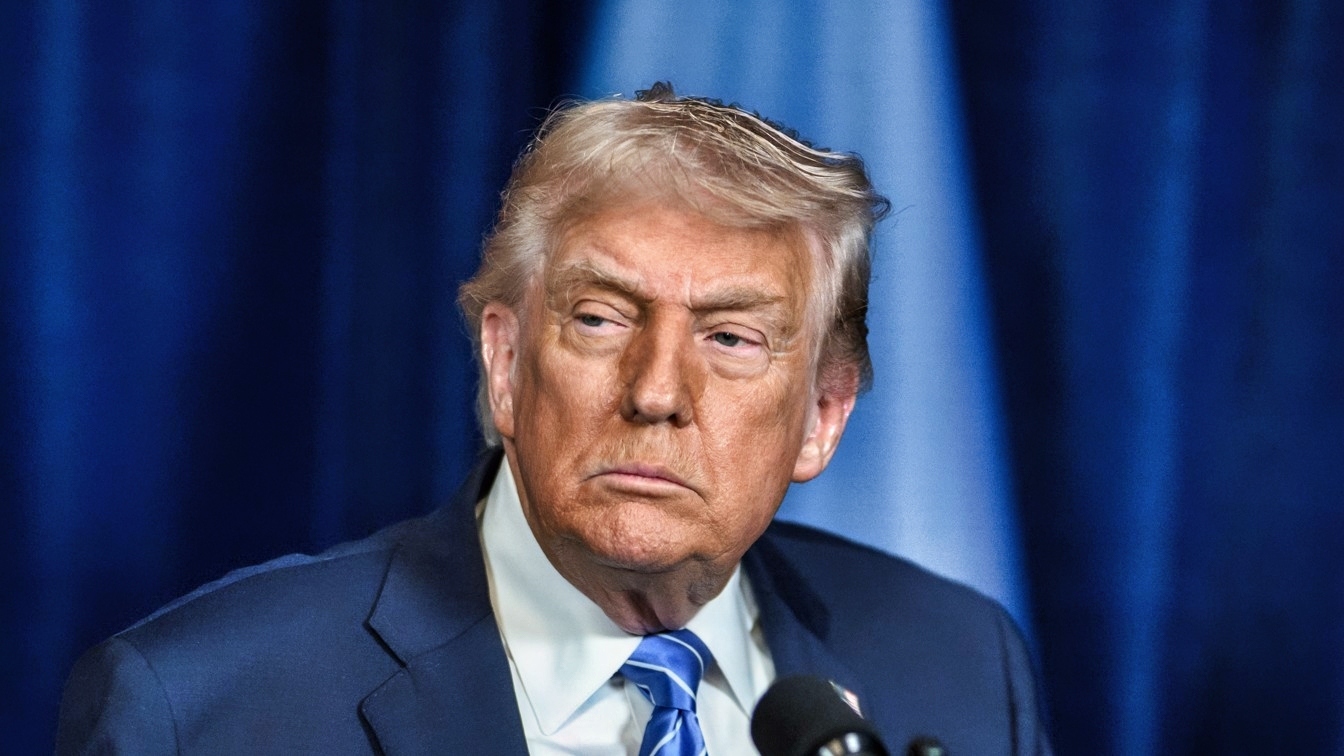
Donald Trump Looking Stern White House Photo
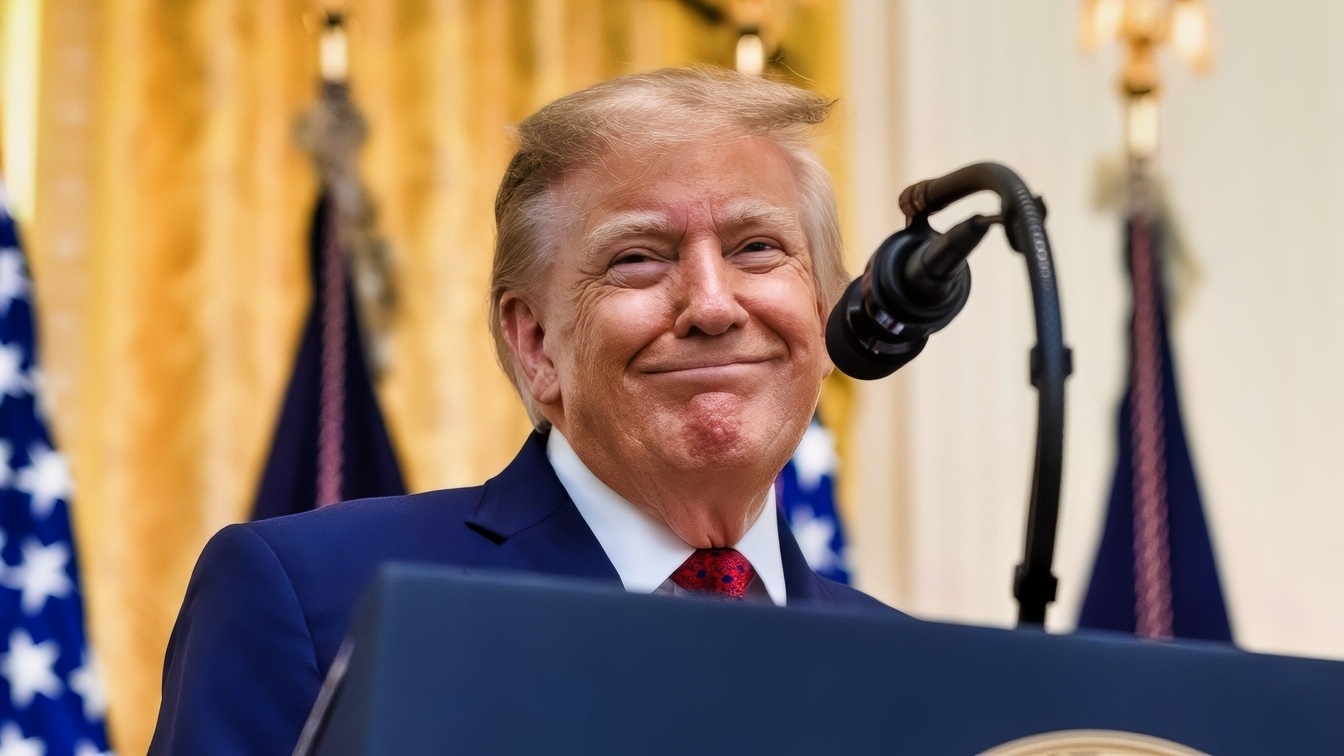
President Donald J. Trump makes remarks at a Hispanic Heritage Month Celebration in the East Room, Wednesday, September 30, 2026, at the White House. (Official White House Photo by Joyce Boghosian)
Democrats won control of both chambers of Congress on November 3, courtesy of growing dissatisfaction with President Trump’s handling of the economy and the war with Iran.
The results were so disastrous for the Republicans that even traditionally right-leaning states turned Democrat for the first time in decades.
Ultra-Progressives Are Not Retreating
Since President Trump won his second term in office, his most die-hard supporters have insisted that the era of ultra-progressivism is over.
But Tuesday’s election just produced historic gains for the most radical wing of the Democratic Party, including candidates endorsed by the Democratic Socialists of America.
Among the most successful candidates of the night were Claire Valdez and Darializa Avila Chevalier in New York, Chris Rabb in Pennsylvania, Melat Kiros in Colorado, and Donavan McKinney in Michigan.
Those victories will substantially increase the influence of lawmakers like these who advocate for democratic socialism within the Democratic congressional caucus.
The organization, which boasts more than 130,000 members, said Wednesday that it is celebrating the results and identifying several major causes its preferred candidates will advocate for.
Among them: Medicare for All, ending American transfers of weapons to Israel, abolishing Immigration and Customs Enforcement, and advocating for progressive social causes.
The organization also claimed in the statement that its candidates and ballot initiatives had secured at least 105 victories across the country.
The positions these candidates and their supporters advocate go far beyond the traditional Democratic platform — but supporters say public demand for economic reform and progressive politics has long been alien to the United States.
Michigan’s New Senator
Arguably the best example of the internal divisions within the Democratic Party came from Michigan, where progressive, anti-Israel candidate Abdul El-Sayed defeated Republican candidate Mike Rogers. El-Sayed will be America’s first Muslim senator.
His campaign attracted criticism and controversy over ads released in support of his campaign and his public criticism of Israel.
His association with controversial socialist commentator Hasan Piker, who has previously suggested the United States deserved September 11 terrorist attacks, also attracted criticism — though El-Sayed explicitly condemned that position.
The controversy became so heated that even his former Democratic primary opponent, Rep. Haley Stevens, endorsed the Republican candidate in the final days of the campaign.
But that endorsement didn’t stop El-Sayed’s victory.
What the Polls Say
Democrats may have won on Tuesday, but it wasn’t necessarily a vindication.
Nor does it mean most Americans support their most radical lawmakers’ agendas.
In fact, national polling still shows that voters have substantial concerns about the Democratic Party’s ideological direction.
In September, a Marquette Law School survey found that 50% of American adults see the Democratic Party as too liberal, and that just 22% believe its positions are about right.
Another Gallup survey, published on October 13, found that 46% of respondents considered the Democrats too liberal—down from 55% in 2022.
The findings suggest an opportunity for Democrats to appeal to voters dissatisfied with the excesses of their agenda, win back their traditional base, and reach voters who turned to President Trump in 2024 and rejected his party in 2026.
The Democrats Made Trump — And May Do It Again
It’s not difficult to make the case that the Democrats made President Trump.
A Gallup study published in 2015 documented how the party was becoming increasingly liberal on social issues. By July 2016, a Pew Research Center survey showed that 59% of Americans believed that people were becoming too easily offended by language — including 83% of Trump supporters.
President Trump went on to win 67% of white voters without college degrees, and the election was seen as the result of a large cultural and political divide among different demographics of Americans.
The cultural shift and the Democrats’ willingness to embrace radical youth politics were among the dynamics that brought President Trump, a hugely unconventional political figure, to power.
And if Democrats continue to embrace policies that culturally alienate moderate voters, rather than returning to the party’s traditional working-class priorities, then it’s also not difficult to envision a scenario in which another Trump-like figure wins in the future.
And who knows just how radical that future Republican president might also be?
About the Author: Jack Buckby
Jack Buckby is a British researcher and analyst specializing in defense and national security, based in New York. His work focuses on military capability, procurement, and strategic competition, and he produces and edits analysis for policy and defense audiences. He brings extensive editorial experience, with a career output spanning over 1,000 articles at National Security Journal, and has previously authored books and papers on extremism and deradicalization.


