

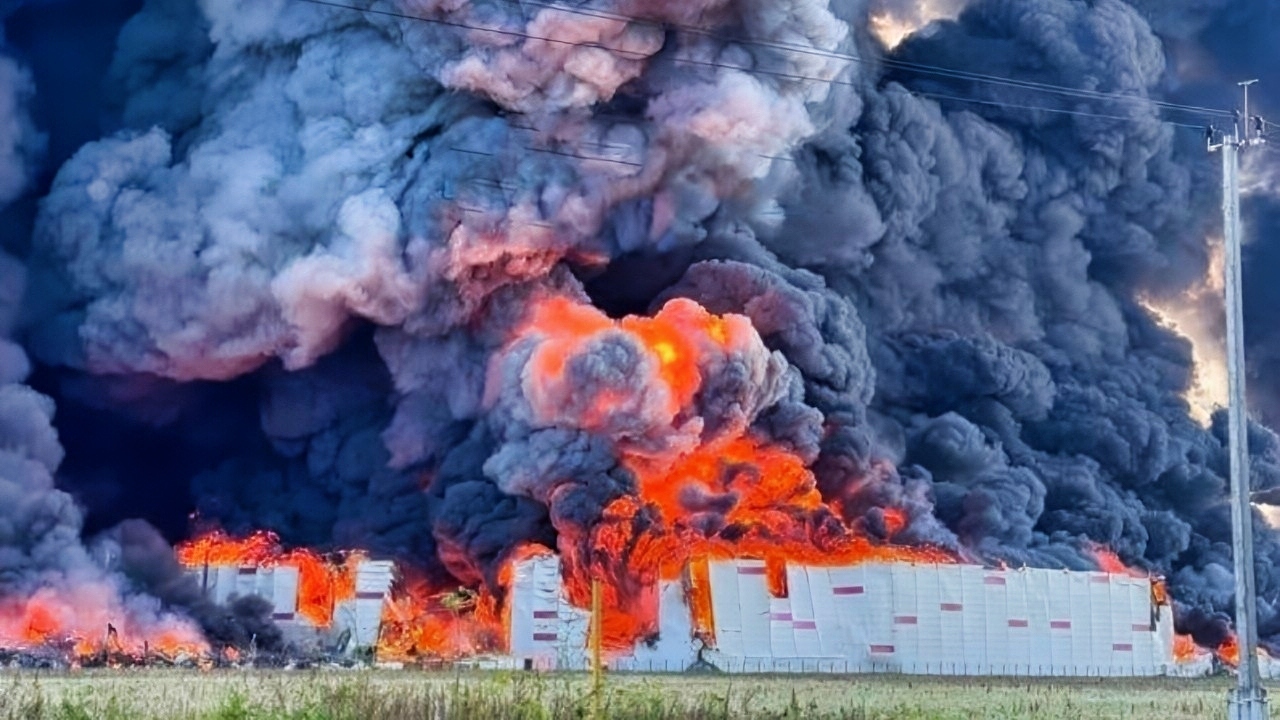
Ukraine launched attacks on two large Russian oil refineries in the Samara region overnight into Wednesday, November 25.
Ukraine’s General Staff stated on Wednesday morning that its armed forces had attacked the Syzran and Kuibyshev oil refineries, with the cooperation of “Black Spark,” an underground Russian resistance group.
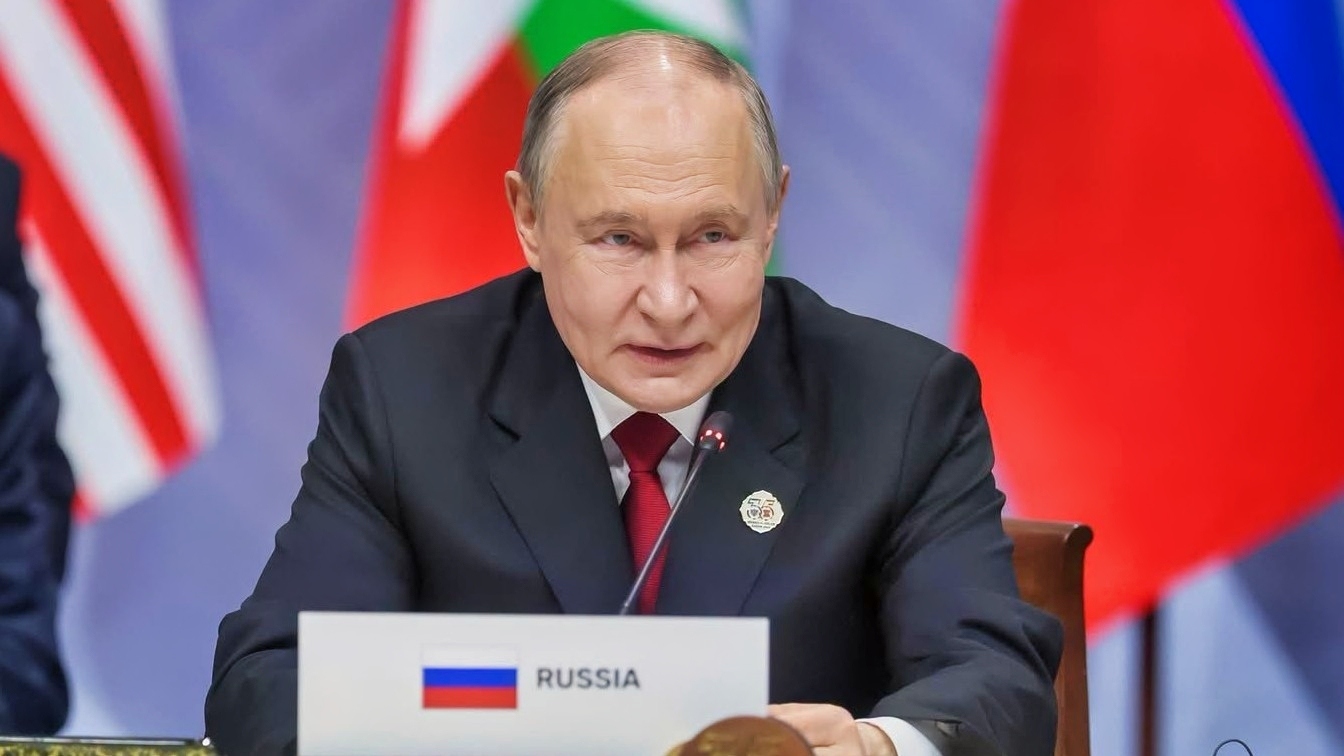
Putin at ASEAN Meeting June 2026 Russian Federation Handout Photo
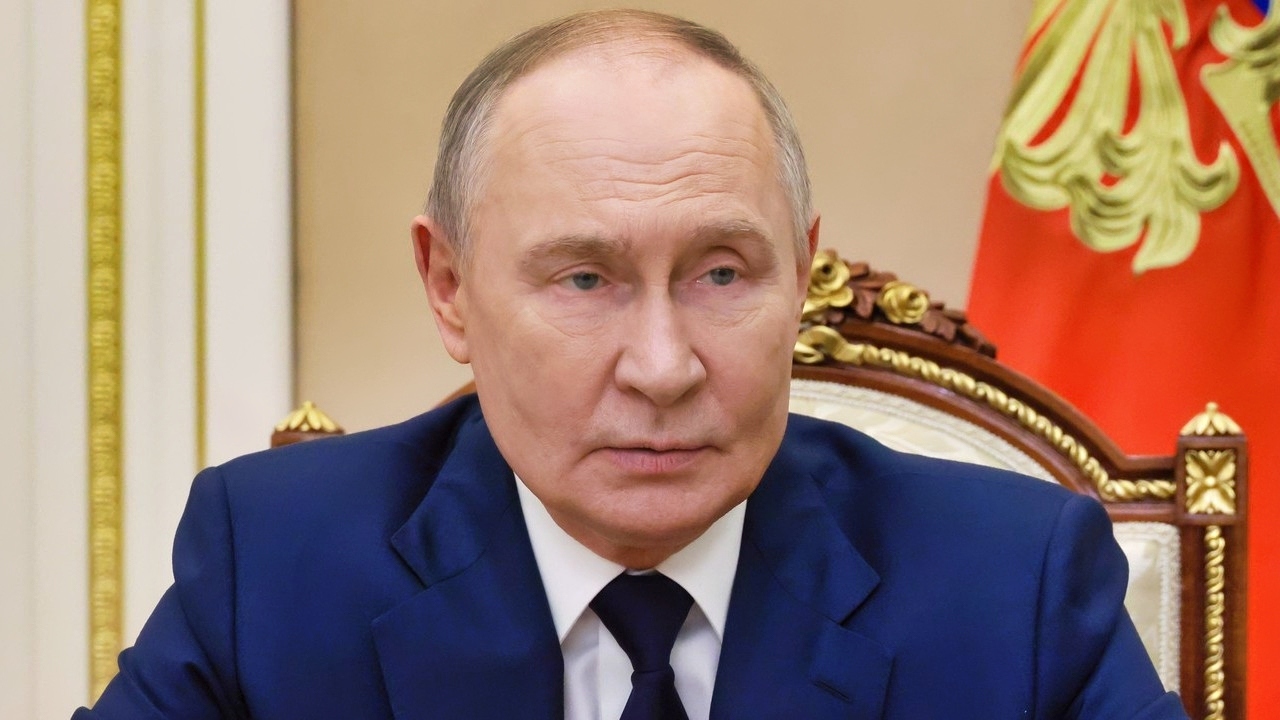
Putin in December 2025 Russian Federation Handout Image
Russian state oil firm Rosneft operates both refineries. Together, they have a combined annual crude oil refining capacity of around 16 million metric tons.
Growing evidence suggests Russia is struggling to produce enough fuel to meet domestic demand.
Two Russian Oil Refineries Hit
Russian air defenses had shot down 145 Ukrainian drones in the Samara region, Samara Governor Vyacheslav Fedorishchev said on Wednesday.
“There are consequences ‘on the ground’ that you yourselves can see,” Fedorishchev wrote on the Russian social media network VKontakte, Reuters reported.
But he also urged local people not to share videos of the attack’s aftermath. He acknowledged “power outages in certain areas,” according to Meduza, an independent Russian news source.
Ukraine’s General Staff then said that a “large-scale fire broke out” at the Syzran oil refinery. It stated that refining equipment and storage tanks had been hit.
Ukraine has previously targeted both refineries. Following an attack on September 15, the Syzran oil refinery stopped refining crude oil, the Ukrainian military news website Militarnyi said.
It remains unclear what effect, if any, Wednesday’s attacks had on the refineries’ output.
Putin Accuses Ukraine of Ignoring Trump
Speaking to government officials and members of the energy sector at a Kremlin meeting on November 18, Russian President Vladimir Putin said that Ukraine had failed to heed a plea from U.S. President Donald Trump for it to halt attacks on Russian oil refineries.
“The Kyiv authorities do not listen to such advice,” Kyiv Post quoted Putin as saying.
Putin added that “retaliatory measures on our part are inevitable.”
Ukrainian Foreign Minister Andrii Sybiha responded to Putin’s comments on Tuesday evening.
“If Putin doesn’t like Ukraine’s strikes on his oil refineries, he can order an end to the war,” Sybiha wrote on X.
“Stop complaining. End the war.”
Kyiv has previously said it would halt attacks on Russian energy infrastructure if Moscow did the same.
Russia’s Spiraling Fuel Shortages
Russia’s oil refineries have seen their crude oil throughput decline by 45 percent since late October, two industry sources told Reuters on Tuesday.
Russia has imposed fuel quotas in several areas, including Siberia.
In the city of Tomsk, motorists are restricted to buying 30 liters of gasoline and 50 liters of diesel, Reuters said on November 20.
Russia also began importing fuel from other nations such as India earlier this year.
Russian oil expert Sergey Vakulenko wrote in June that Russia’s gasoline supply depended on “a race between Ukrainian drones and Russian repair teams.”
At the Kremlin meeting on Tuesday, Putin said that the government’s key concern was to “ensure stable supplies,” the Russian Interfax news agency reported.
He said that the government had already reached agreements with energy sector figures and state officials “to increase fuel production, create reserves and restructure logistics chains.”
Putin wants Russian Oil Industry to Expand Eastward.
At the same meeting, Putin also said that more money should be invested in Russia’s eastern industrial heartland, as Asian trade partners required more goods.
“Special attention should be paid to the development of oil refining and petrochemicals in the east of the country,” Putin said, according to the Kremlin meeting transcript cited by Kyiv Post.
Furthermore, Putin promoted the development of transport links in Siberia and the Russian Far East and called for further exploitation of Arctic shipping lanes.
However, he did not indicate when new refineries might be built, nor of the likely cost of such development.
EU Could Restrict Russian Refinery Repairs
Moscow’s attempts to sustain oil refining activity may also face further challenges from Brussels.
European Commission President Ursula von der Leyen on Monday, November 23, unveiled plans for the EU’s 22nd set of sanctions against Russia.
This would bar European firms from building, operating, or repairing of Russian energy infrastructure, including oil refineries, S&P Global said.
“The aim is to keep pressure on Russia to end their war of aggression in Ukraine,” von der Leyen said in a statement on Monday.
The proposed sanctions require unanimous approval from all 27 EU member states.
About the Author: Georgia Gilholy
Georgia Gilholy is a journalist based in the United Kingdom who has been published in Newsweek, The Times of Israel, and the Spectator. Gilholy writes about international politics, culture, and education.


