

Anatoly Chubais, who managed Russia’s privatization program after the Soviet Union’s disintegration, has said that Russia may suffer at least 10 to 15 years of economic stagnation—although he ruled out economic collapse during that period.
Chubais, who stepped down as Putin’s special representative for relations with international organizations on sustainable development in March 2022, delivered his talk at Leiden University’s campus in The Hague, the Netherlands.
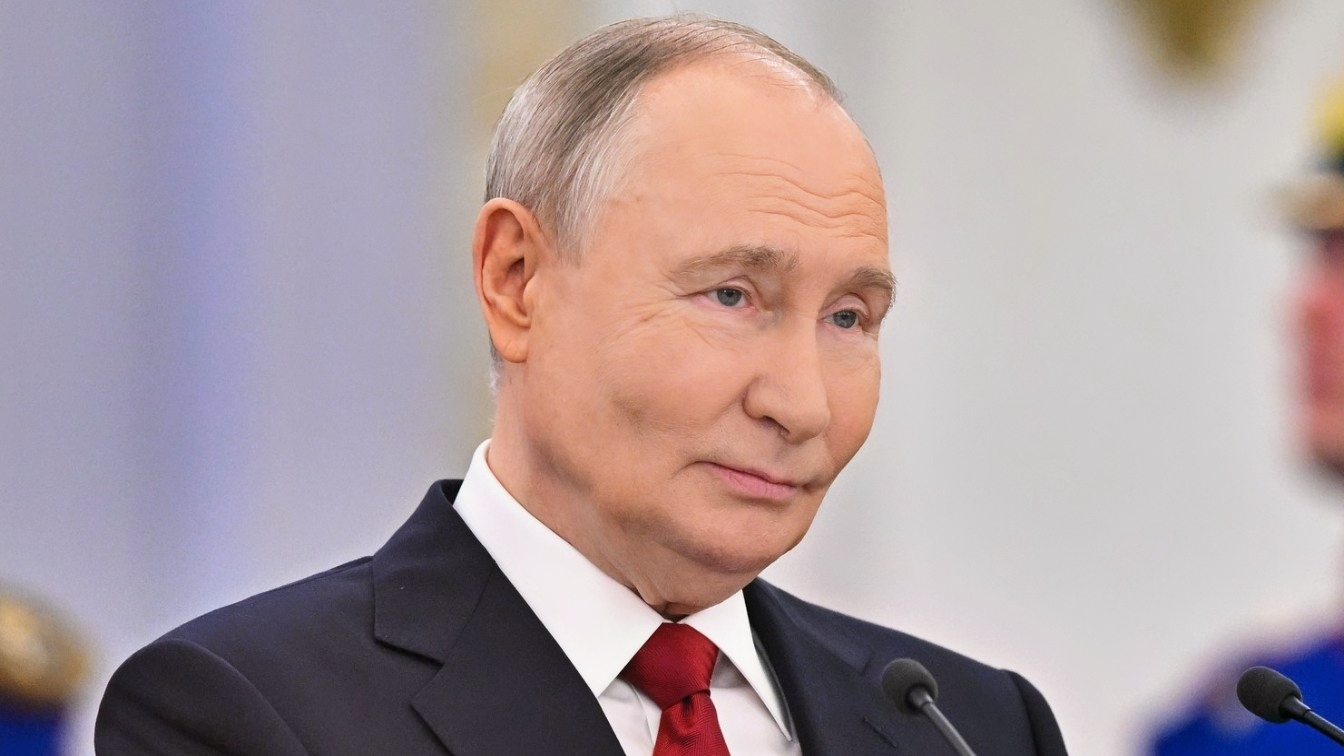
Putin in June of 2026 Image Credit Russian Federation
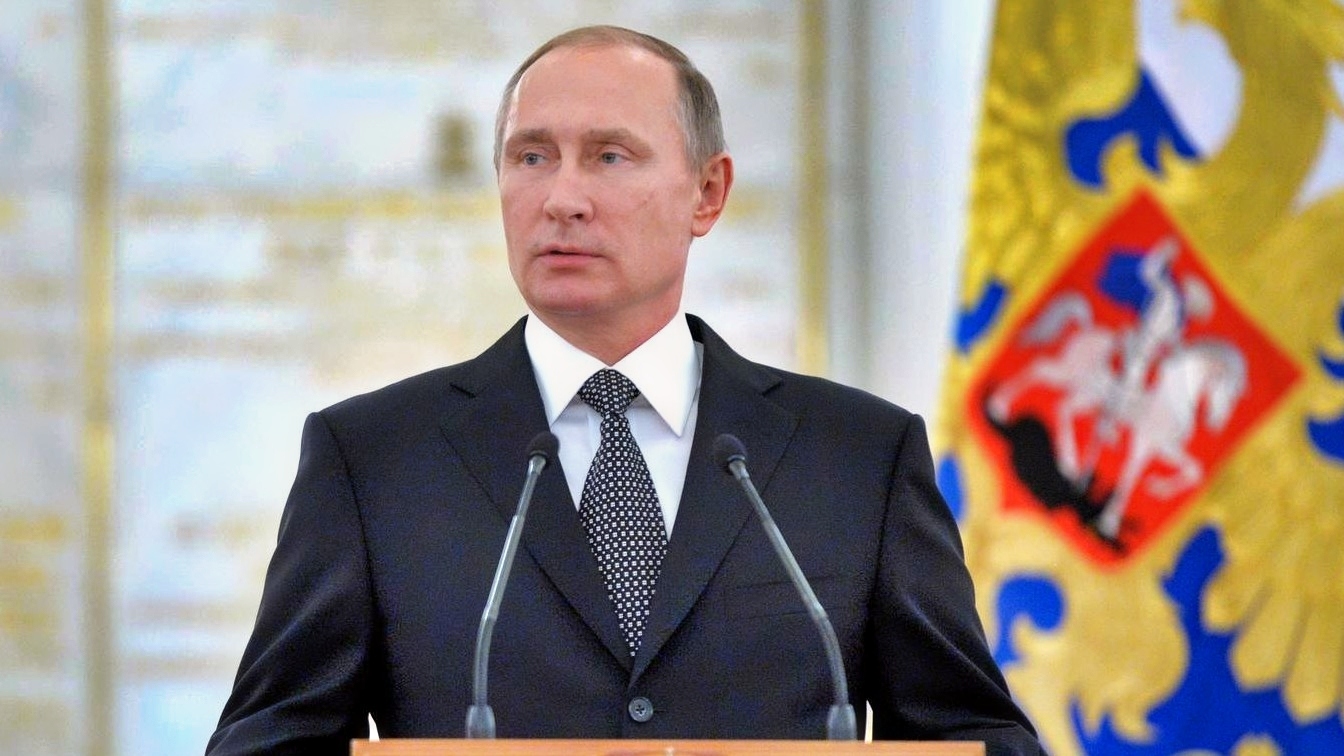
Putin Back in 2026 Photo From Russian Federation Collection Creative Commons
Although the lecture was listed in the university’s program as taking place on September 11, a video was uploaded to an educational YouTube channel known as Kurs on Tuesday, November 24.
It was the first time Chubais had given a public lecture since Moscow launched its full-scale invasion of Ukraine, according to Russian news outlet The Bell.
Economic Stagnation Ahead?
After spending much of his 90-minute talk analyzing Russia’s economic transformation in the 1990s, Chubais examined whether Russia can still be classified as a market economy.
He listed macroeconomic stability, private property, and free pricing as the key elements of a market economy.
While saying that the latter two components had been “weakened and will continue to weaken further,” Chubais added that the economic structures created in the 1990s were robust enough to avoid economic collapse.
According to Meduza’s English translation of Chubais’s lecture, he predicted there would be “no economic catastrophe in the country” but also “no economic growth in the country,” but “stagnation.”
Ex-Kremlin Man Commends Putin and Nabiullina
Despite his bleak view of Russia’s economic future, Chubais recognized that Putin had backed those working to ensure economic stability.
He said financial stability was being “brilliantly maintained.” He commended Bank of Russia Governor Elvira Nabiullina for her efforts to bring inflation back to four percent, saying she was “performing miracles.”
But Russia’s central bank has recently admitted that inflation is more stubborn than originally thought.
On October 23, the Bank of Russia decided to hold its key interest rate steady at 14 percent and raised its 2026 inflation forecast to a range of 7.1–7.6 percent.
“Current price pressures remain elevated. Inflation expectations stay high,” the central bank said in a statement issued the same day.
Ukrainian Attacks are Hitting Russia’s Economy
Nabiullina told members of Russia’s lower house of parliament, the State Duma, in a plenary session on November 12 that strikes on Russian industry had affected economic growth.
She told the Duma deputies that GDP growth of up to 1% at year-end was to be expected.
She also acknowledged the difficulties of using monetary policy to counter inflationary pressures from sanctions, higher taxation, and drone strikes on oil refineries.
“We cannot eliminate the root causes affecting production capacity and costs with the key rate,” she said.
The International Monetary Fund (IMF) has also been muted in its assessment of Russia’s economic outlook. It cut forecasts for Russian economic growth in 2026 and 2027 to 0.9 percent in its October World Economic Outlook report.
Russian Economic Development Minister Maxim Reshetnikov referred to his ministry’s economic forecasts as “moderately conservative” at a September 24 government meeting.
“The implementation of active structural changes is required,” Reshetnikov told government officials, commenting on the prerequisites for sustained economic growth.
Moscow Boosts War Spending
The publication of Chubais’s lecture coincided with the Russian State Duma’s approval of the federal budget for 2027–29 on Tuesday.
Next year’s proposed defense spending has been set at around 17.15 trillion rubles ($208.9 billion), up from 12.93 trillion rubles in 2026, the Associated Press news agency said.
Lawmakers also separately approved additional taxes on mining companies and income from citizens’ investments.
United Russia lawmaker Dmitry Kobylkin described the legislation as a “victory budget” in a statement following the budget’s approval on Tuesday, highlighting provisions for national defense, veterans, and social support.
The Federation Council’s budget committee endorsed the legislation on Wednesday, ahead of a full vote in Russia’s upper house of parliament scheduled for November 27.
Chubais’ Legal Woes
Since leaving Russia in 2022, Chubais’s ties with the Kremlin have soured substantially.
Putin hinted in September 2023 at the Eastern Economic Forum in Vladivostok that Chubais may have left Russia because of concerns over a “big financial hole” at the state-owned nanotechnology firm Rosnano, which Chubais headed from 2008 to 2020.
A Moscow arbitration court in April 2026 partially granted Rosnano’s lawsuit seeking damages from Chubais and other former Rosnano executives.
“The truth is on our side. We will keep fighting,” Chubais’s lawyer, Pavel Khlyustov, told Russian business outlet RBC following the April 3 ruling.
Canada, which originally included Chubais on its sanctions list in June 2025, delisted him on August 13, 2026.
Canadian authorities decided there were “reasonable grounds to repeal this listing,” the Canadian government’s notice of regulation said.
About the Author: Georgia Gilholy
Georgia Gilholy is a journalist based in the United Kingdom who has been published in Newsweek, The Times of Israel, and the Spectator. Gilholy writes about international politics, culture, and education.


