
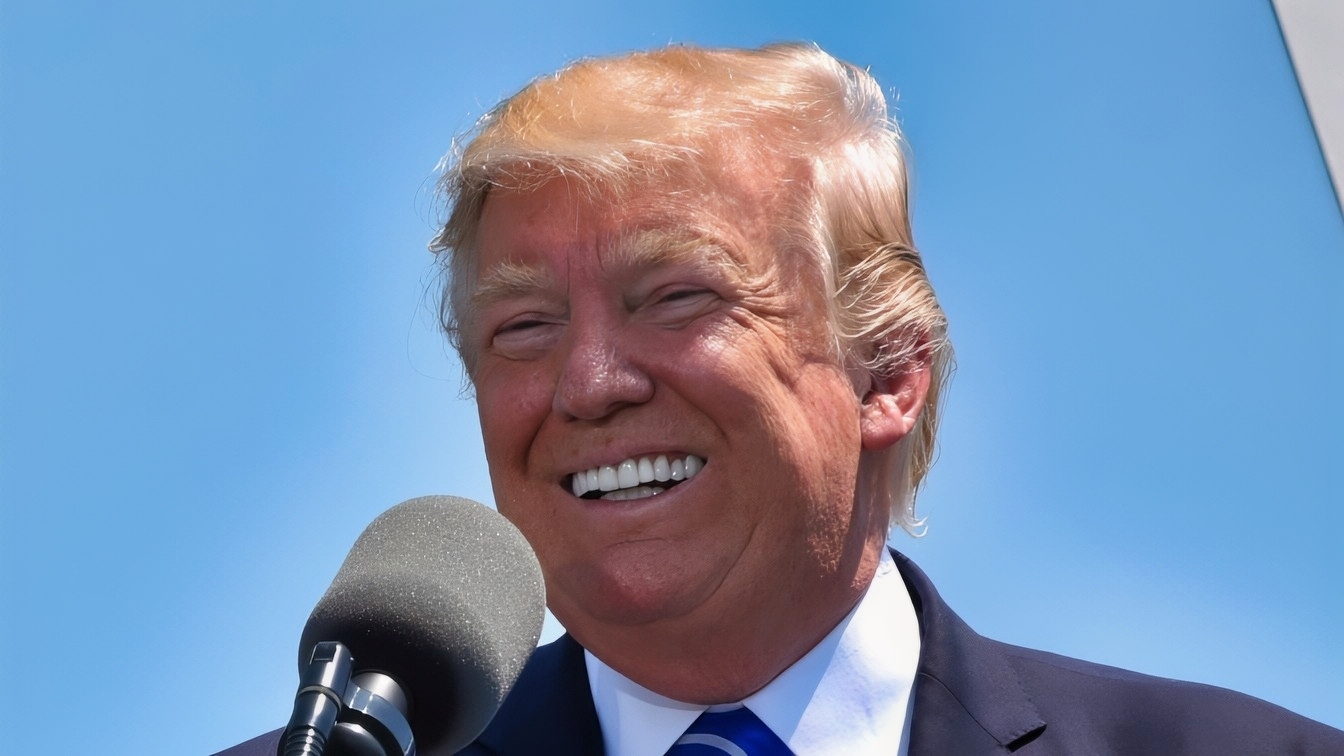
When President Donald Trump recently and unexpectedly announced that the United States would end its annual military assistance to Israel by the end of 2026, two years earlier than the existing agreement between Jerusalem and Washington schedules it to expire, he caused turmoil in Israel and surprised the country’s leaders.
On November 5, Israeli President Isaac Herzog admitted that the announcement took him by surprise.
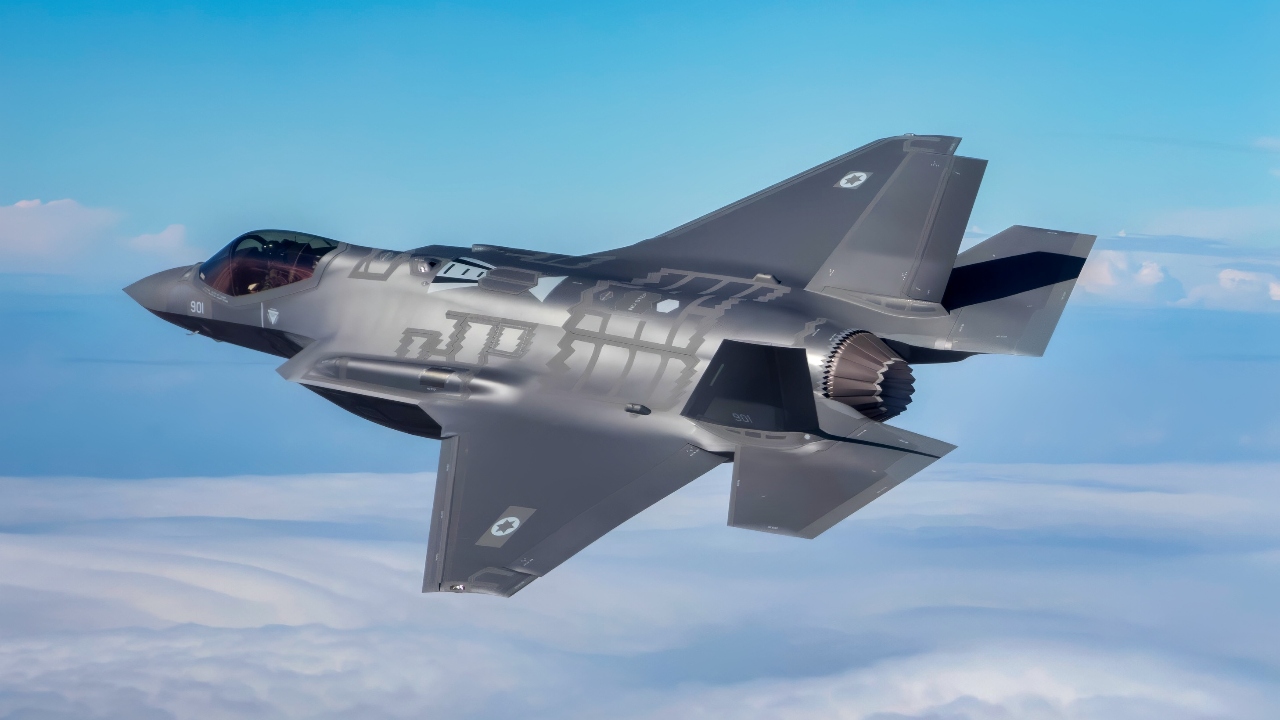
F-35I Fighter from Israel. Image Credit: Creative Commons.

F-35I Adir High in the Sky. Image Credit: IDF/Creative Commons.
The president made the announcement during an interview on election day with Fox News on November 3. He argued that Israel is wealthy enough to purchase its own weapons from the United States without financial assistance from Washington.
The announcement also came as the Republicans faced a historic defeat in the midterm elections, with the party’s relationship with — and support for — Israel being one of the most controversial and defining issues among many American voters.
And while President Donald Trump insists that Israeli Prime Minister Benjamin Netanyahu supports the move, the sudden announcement appears to have surprised many high-profile officials in Israel and indeed the United States.
It was such a surprise, in fact, that even the American ambassador to Israel admitted he doesn’t know exactly when the assistance will end.
Herzog Was Blindsided
While speaking with representatives of the Israeli Yashar party on Thursday, President Herzog expressed his concerns about the announcement and confirmed that he had not been informed of the news ahead of time.
“The issue of American aid worries me greatly,” he said at the meeting in Jerusalem. “It hit me like a bolt out of the blue.”
Israeli officials have reason to be concerned.
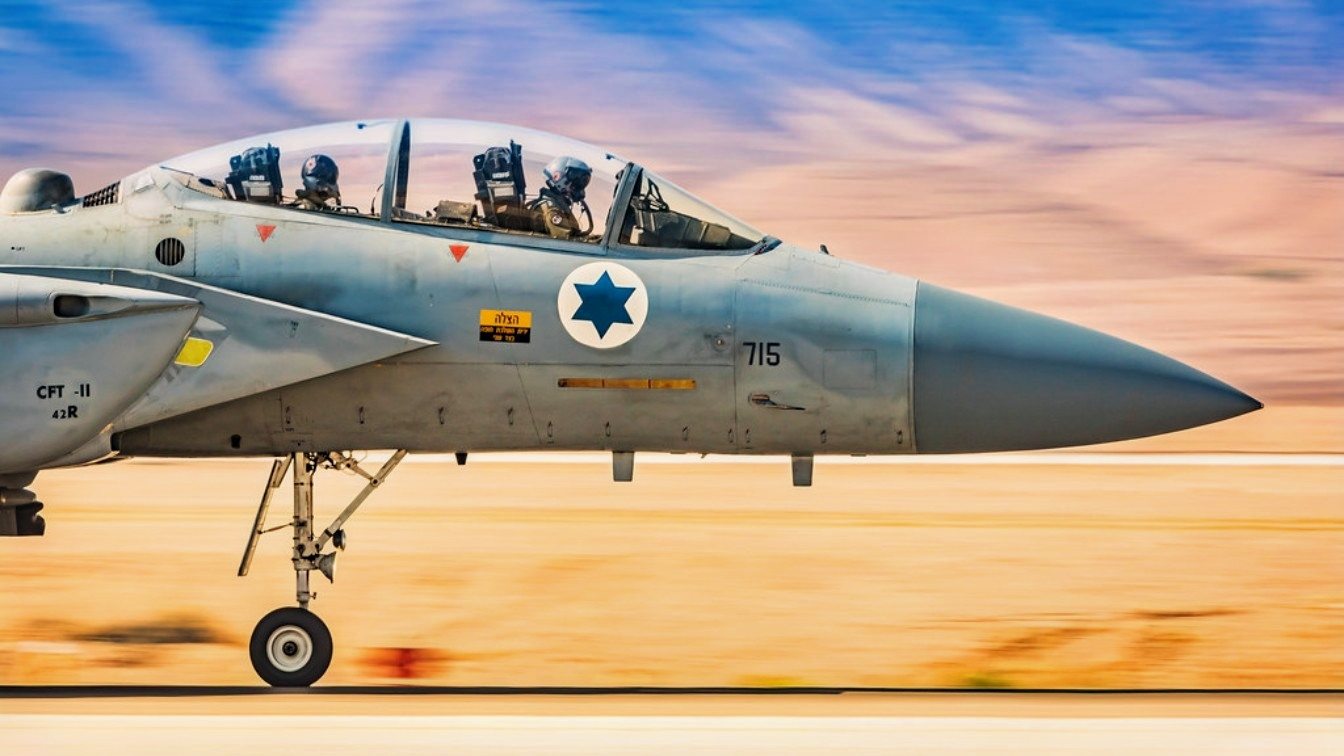
Israeli Air Force F-15I Image Credit IDF
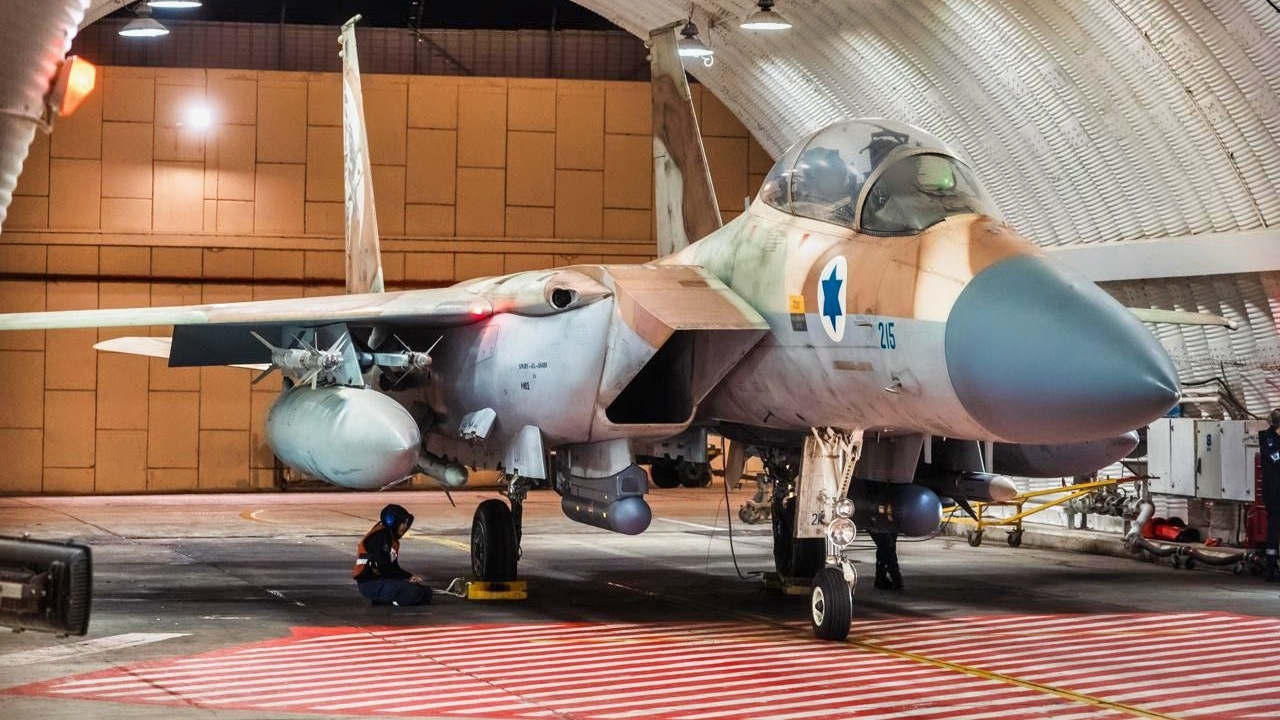
F-15I Fighter Israeli Air Force. Image Credit: Creative Commons.
Under a memorandum of understanding signed in 2016, the United States agreed to provide Israel with $38 billion in military assistance over the next decade.
That assistance included $3.3 billion given annually for military financing, and another $500 million per year for missile defense programs.
The agreement was not scheduled to expire until September 2028.
However, the president told Fox News that the assistance would end at the end of the year.
“We are giving them 4 billion,” Trump told host Brian Kilmeade. “We are. But it gets cut off at the end of the year.”
The president even suggested that Netanyahu had proposed the change himself — although the Israeli leader had previously discussed phasing out American aid over a much longer period.
It remains unclear exactly what transpired before Trump made the announcement.
However, commentators have suggested that it may amount to little more than a last-minute Hail Mary effort to win over support for the Republicans as Americans overwhelmingly cast their votes for Democrats this year.
Netanyahu Breaks His Silence
After avoiding the topic for days, Netanyahu’s office issued its first public response on November 6, arguing that the news reflected Israel’s stronger, more independent relationship with Washington.
Ynet reported on Friday, however, that Israeli diplomatic officials are still discussing the precise timing and that a final decision is still to be made.
It remains unclear, then, whether Trump intends to terminate assistance immediately or negotiate an earlier end to the agreement already in place.
And those details matter, too, because Israel has already planned its military expenditures on the basis that it will continue receiving American financial support through 2028.
Abruptly ending those expected payments will require changes to weapons procurement and missile defense funding, or will strain the Israeli government to find the money elsewhere.
Even Trump’s Ambassador Doesn’t Know What Happens Next
Even in Washington, what comes next is unclear.
U.S. Ambassador to Israel Mike Huckabee, a longtime ally of the president, has admitted that he does not know exactly when U.S. military assistance to Israel will end.
In an interview with Israel’s Channel 12 on Thursday, Huckabee said the administration is still seeking clarification on the plans.
“I’m not sure. I don’t know that we know the answer to that just yet,” Huckabee said. “We’re asking for some clarity on that. I’m sure the Israelis are as well.”
Huckabee also defended the United States’ years of financial assistance to Israel, noting that much of the money ultimately returns to the United States through Israeli purchases of American military hardware.
He argued that Washington should now move toward building a relationship with Israel based on trade rather than aid — but his comments showed little clarity about what the president is planning, or whether he has formulated a plan at all.
Then there’s the question of Congress.
The existing assistance arrangements already have bipartisan legislative support, meaning that President Trump could, in theory, face legal and political complications. Given that Democrats will control the new Congress, however, the president may not have much trouble cutting off support — he may just have to swallow other legislative pills in the process.
About the Author: Jack Buckby
Jack Buckby is a British researcher and analyst specializing in defense and national security, based in New York. His work focuses on military capability, procurement, and strategic competition, and he produces and edits analysis for policy and defense audiences. He brings extensive editorial experience, with a career output spanning over 1,000 articles at National Security Journal, and has previously authored books and papers on extremism and deradicalization.


