

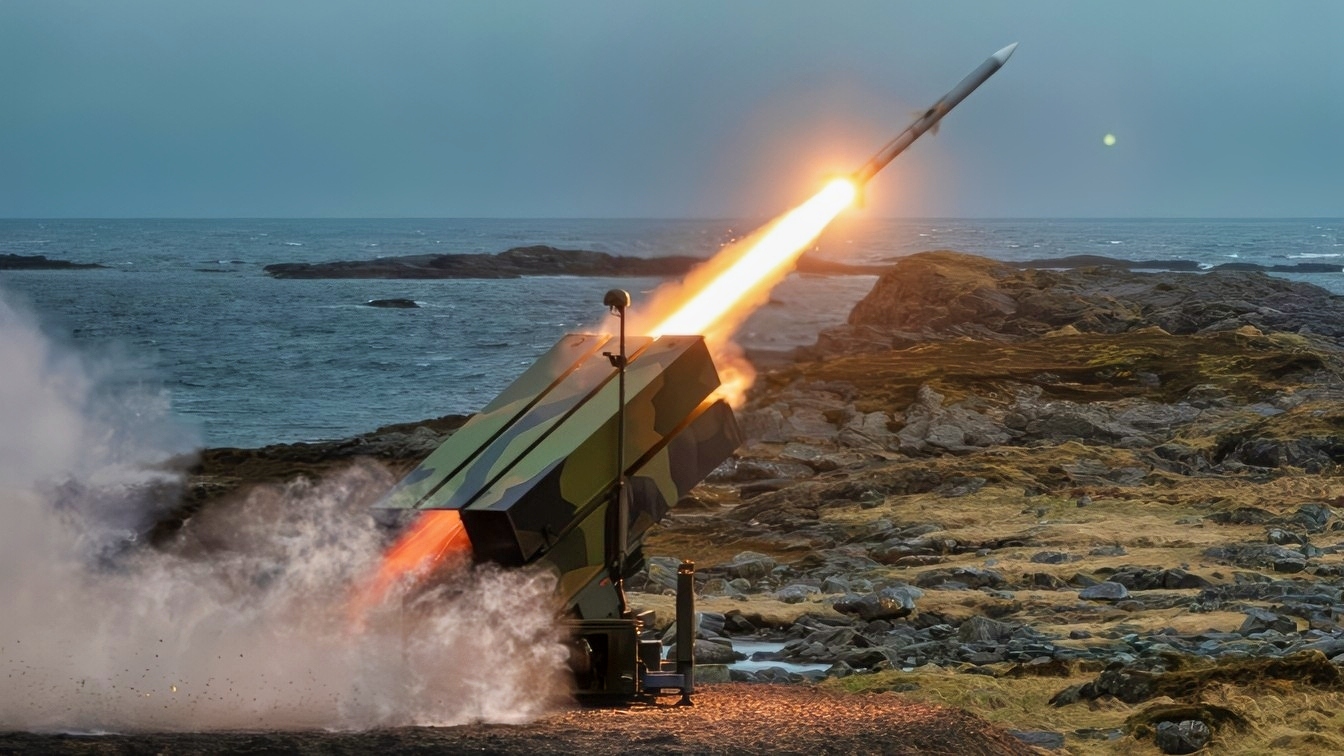
Tanker traffic through the Strait of Hormuz has risen this month despite intensifying Iranian attacks on commercial shipping and rising costs for companies transporting oil out of the Persian Gulf.
The seven-day moving average of daily transits by vessels carrying crude oil, refined petroleum products, and liquefied natural gas (LNG) remained above 26 throughout November through November 19, according to Vortexa data Bloomberg reported on Thursday.
Oil Platform. Image Credit: Creative Commons.

Generic Oil Tanker Image. Image Credit: Creative Commons.
For at least two-thirds of October, this average was below 25.
While tanker traffic appears to be rising, this does not necessarily mean that the amount of oil available on world markets is also increasing.
Reduction in VLCC Crossings
Vortexa has noted a slight reduction in the number of both very large crude carriers (VLCCs) and Suezmax tankers crossing the strait. However, it has noted that smaller tankers are increasingly being utilized.
Generally, these smaller tankers are used to move oil products and are now increasingly being used to move crude, Bloomberg reports.
Furthermore, Vortexa noted that tanker traffic could be underestimated due to signal interference, falsified location data, and vessels traveling with their tracking systems switched off.
Early data from commodities market intelligence provider Kpler, reported by the Financial Times on November 21, suggested that the amount of oil moved through Hormuz in the second week of November was around half that moved in the first week.
“Iranian attacks on shipping are averaging 1 to 1.5 a day,” Jorge León, head of geopolitical analysis at Rystad Energy, was quoted as saying.
He also warned of “a lot of under-reporting.”
Iran Alleges More Tanker Attacks
Iran’s Islamic Revolutionary Guard Corps (IRGC), which Washington lists as a terror organization, claimed on Thursday that two oil tankers had exploded and caught fire after striking naval mines near Oman.
Their claims have not been independently verified.
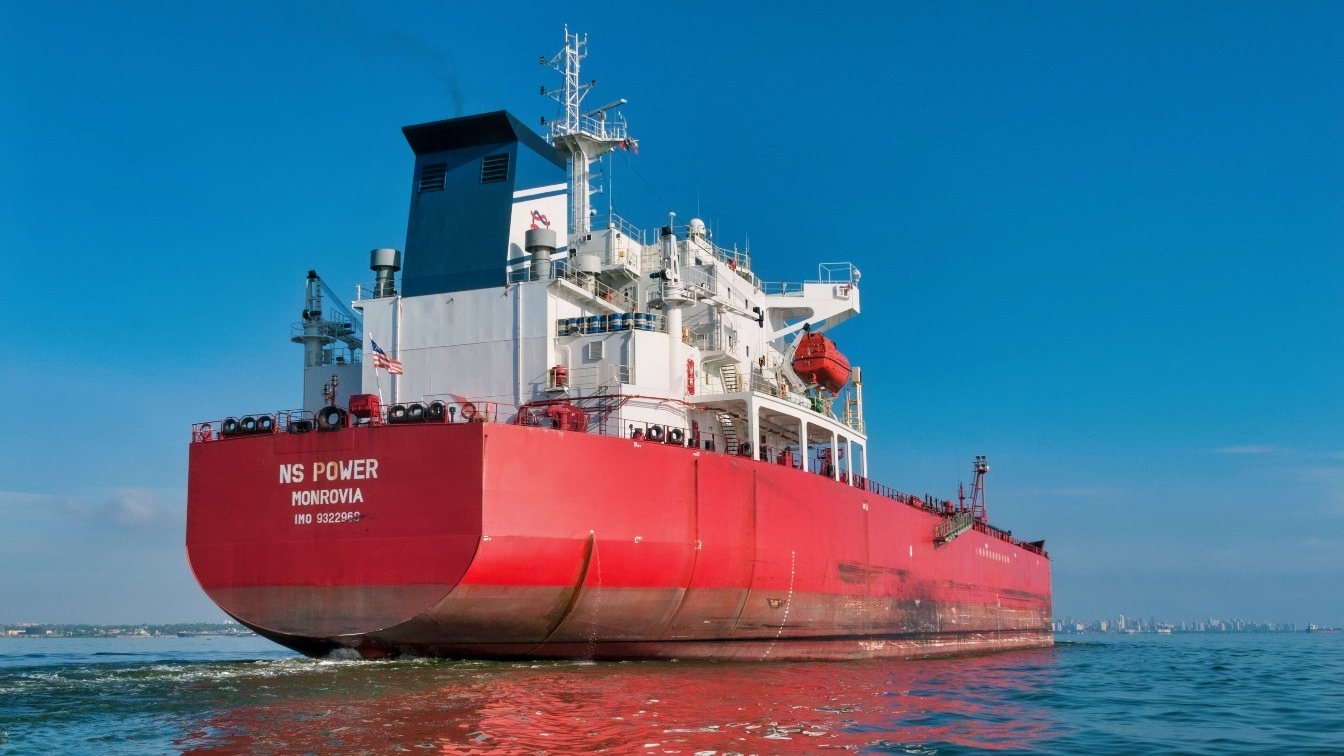
Oil Tanker. Image Credit: Creative Commons.
One of the tankers reportedly contained over two million barrels of oil, the IRGC said in a statement carried by Iran’s semi-official Tasnim news agency, according to Reuters.
This followed similar Iranian claims made on Wednesday.
Independent shipping security groups have in the past cast doubt on Tehran’s dramatic mine attack claims.
INTERTANKO, the International Association of Independent Tanker Owners, in a security note to its members on November 13, of “much false reporting of incidents and attacks circulating on social media.”
The group also said it had discovered “no statistically significant link” between ships that had been attacked and those listed on Iran’s shipping blacklist.
Iran Extends ban to Tugboats
Iran has also extended its ban on commercial shipping in the Strait of Hormuz to include tugboats.
Iran’s Persian Gulf Strait Authority said on November 24 that it had placed 26 tugboats on its “Non-Compliance List.”
In a post on X reported by Bloomberg, the authority accused the operators of “providing services to non-compliant vessels” in what it described as an “illegal corridor.”
The number of ships currently on this list has therefore risen to 266.
Tugboats have been instrumental in rescuing and repairing tankers during the war.
On Tuesday, Captain reported that four commercial ships were attacked on November 22.
Maritime Bodies Issue Warnings
As of November 23, the International Maritime Organization (IMO) had confirmed 141 maritime security incidents in the Middle East and the deaths of 25 seafarers.
IMO Secretary-General Arsenio Domínguez has previously called on states to improve compliance with international maritime regulations.
“They must be respected and enforced effectively,” he said in a statement from the IMO on November 11.
He also took issue with commercial activities that “expose seafarers to unacceptable risks.”
The cost of transporting oil through Hormuz, together with additional insurance premiums, has approached wartime highs, Bloomberg reported.
Recovery ‘Threatened’ By Renewed Conflict
Brent crude oil futures slipped to $93.79 a barrel on Thursday morning after rising 3.5% in Wednesday’s trading.
“The broadening of the Middle East conflict threatens to halt the recovery,” ANZ analyst Daniel Hynes told Reuters on Thursday.
PVM Oil Associates analyst Tamas Varga told Reuters on Thursday that he expected Brent crude to trade within a range of approximately $88 to $97 a barrel.
The Strait of Hormuz is “one of the world’s most critical oil transit chokepoints” and represented around 25% of the world’s seaborne oil trade in 2025, according to the International Energy Agency.
In a 24 November column for Reuters, Clyde Russell referenced Kpler data showing that Middle Eastern crude oil exports had dropped to 13.96 million barrels per day in the week beginning November 16, from 20.86 million in the week starting October 12.
“It is only a matter of time until crude markets start to tighten once more,” Russell wrote.
About the Author: Georgia Gilholy
Georgia Gilholy is a journalist based in the United Kingdom who has been published in Newsweek, The Times of Israel, and the Spectator. Gilholy writes about international politics, culture, and education.


