

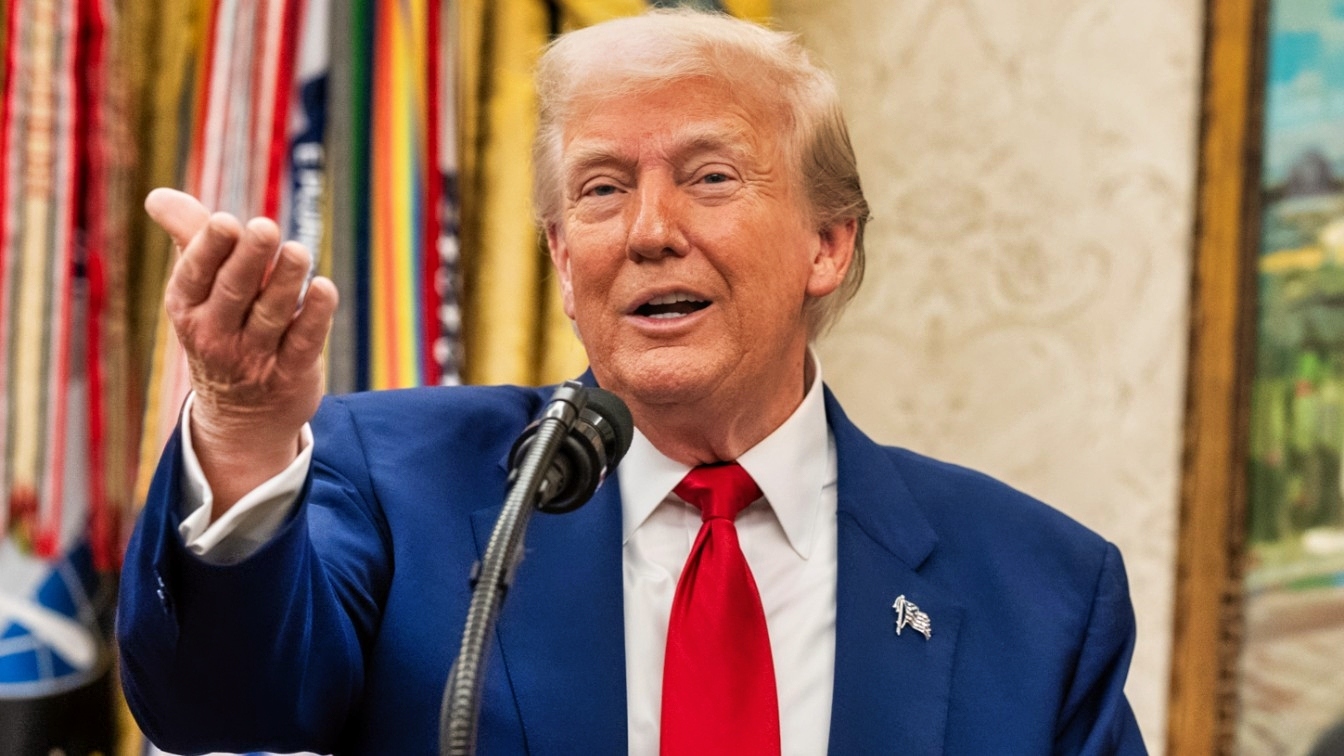
November 3 is just around the corner, and President Donald J. Trump faces a historic defeat in this year’s Midterms.
Of course, he doesn’t see it that way.
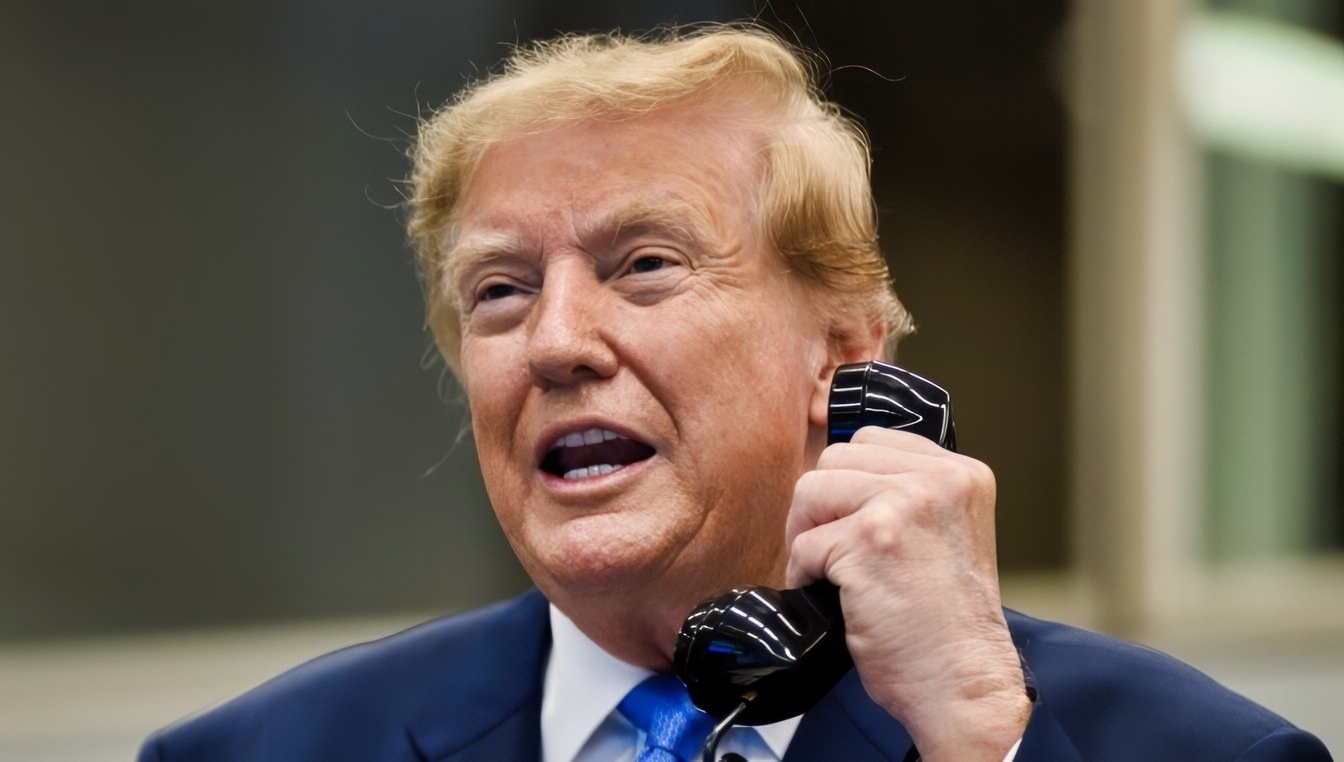
President Donald J. Trump calls the International Space Station from NASA Mission Control Center at the NASA Johnson Space Center, Friday, August 28, 2026, in Houston, Texas. (Official White House Photo by Daniel Torok)
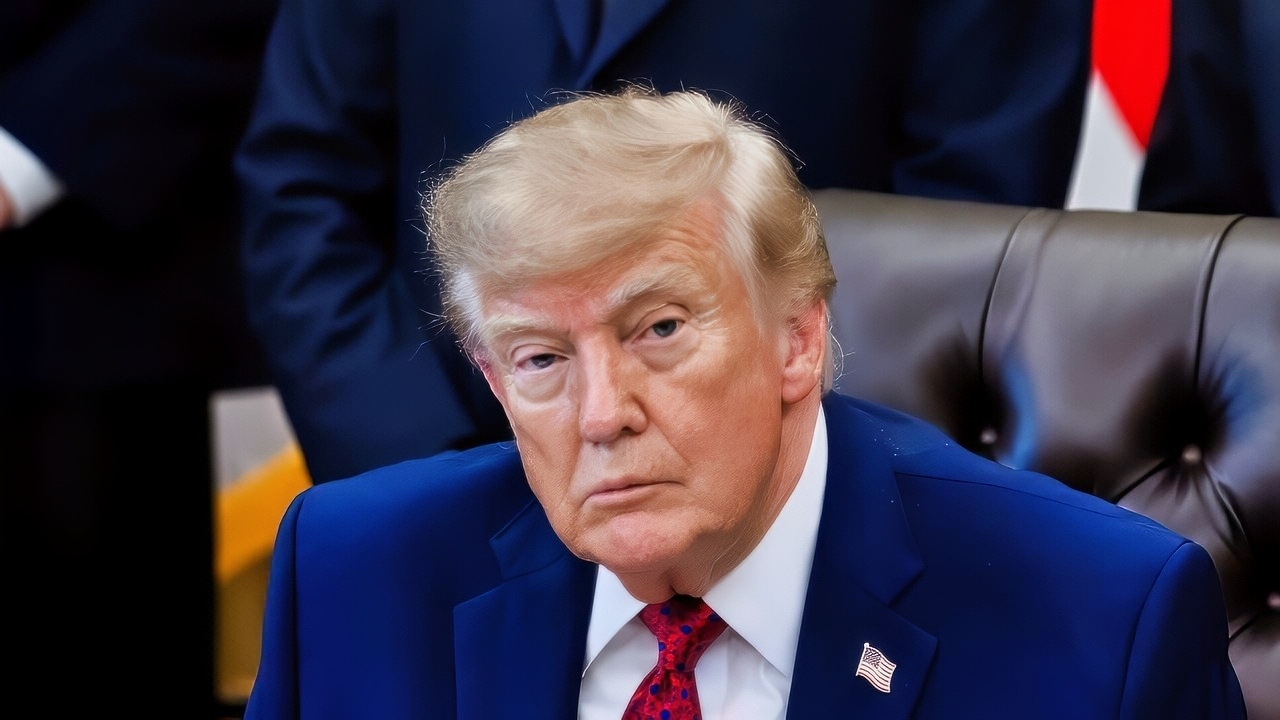
Donald Trump at Oval Office Event Creative Commons Photo
As he keeps telling the world, the negative polling for Republicans is not “his” polling numbers.
Contrary to what the forty-seventh president believes, however, the negative poll numbers indicate how unpopular the president’s policies are.
A New FT Poll
One new Financial Times/Focaldata poll highlights how deeply unsatisfied with the GOP American voters are when it comes to their handling of the economy, inflation, and the war with Iran.
According to the poll, Republicans will lose significant seats in the US House of Representatives.
The president’s overall approval rating is currently a meager 34 percent, the lowest of his presidency (and lower than George W. Bush’s approval rating when the GOP lost the 2006 Midterms).
Only 25 percent of registered voters approve of the president’s handling of jobs and the economy. Around 20 percent approve of his handling of inflation.
Meanwhile, more than two-thirds of respondents believe the American economy is headed in the wrong direction.
In other words, the president and GOP are facing a serious problem with just a few weeks left before people take to the polls.
This is especially problematic because the president and GOP convinced many Americans in 2024 that they had effective plans to restore economic prosperity, reduce prices, and strengthen American industry.
The US labor market is not doing too hot either. Long a lagging indicator, the latest jobs report shows that the economy added just 29,000 jobs in September.
That was much lower than what economists had hoped.
Now, growing evidence suggests the economic recovery, the Golden Age the president and GOP keep touting, is mostly imagined.
Americans are growing more worried and annoyed by the White House’s constant Pollyanna-ish refrains.
Compounding all these economic woes has been the president’s war of choice with Iran.
That conflict has driven up energy prices and borrowing costs, squeezing Americans financially at an already difficult time.
For instance, diesel prices in America reached a record $6.53 per gallon in late September.
Diesel matters because it powers commercial transportation, agricultural machinery, and industrial equipment.
Trump is doing his best to stop the bleeding now.
He’s taken to more campaign stops, and the Republican Party is dumping unheard-of amounts of money to help candidates campaign in states Trump won in 2024, sometimes by double digits.
But because the president’s policies are so unpopular, his support for Republican candidates may do more harm than good.
In fact, roughly 45 percent of registered voters believe Trump is making it harder for Republicans to win congressional elections.
Plus, the Financial Times poll found that voters prefer Democratic congressional candidates over GOP candidates by more than five percentage points.
The Cook Political Report recently shifted 18 House contests toward Democrats, showing that the political environment is getting increasingly rough for Republicans heading into November 3.
The Revenge of the Suburbanites
Things get dicey for Republicans in the suburban districts.
In these middle- and upper-middle-class neighborhoods, much of the Republicans’ future will be decided.
In these districts, independents and more moderate Republicans are less forgiving of Trump. These will be the most impactful areas for Republicans.
Things get more interesting and complicated when you look at how many registered Republicans support Trump. Today, fewer than 70 percent of registered voters who supported Trump two years ago today support him.
In May of this year, that number was at 80 percent.
However, around 80 percent of that cohort of Trump supporters still intend to vote for Republican Party congressional candidates in November.
That number might, in the end, save the GOP from some of the worst-case scenarios.
Although it still doesn’t help them win the whole game.
At its core, the opposition to Trump goes back to his unpopular war of choice with Iran that began on February 28.
Nearly two-thirds of respondents think Washington should prioritize a quick peace deal with Iran rather than continuing military operations in pursuit of more favorable terms.
In fact, fewer than one-quarter of registered voters approve of Trump’s handling of the war so far.
These numbers come after the forty-seventh president refused an Iranian proposal in September to reopen the Strait of Hormuz (SoH).
Opposition to AI
Another area of disagreement between voters and President Trump is artificial intelligence (AI).
Around two-thirds of registered voters support binding federal regulations governing AI companies and favor a more cautious approach to technological development.
Meanwhile, Trump wants faster AI development, and he’s even become publicly dismissive of anyone raising concerns.
A Slow-Rolling Disaster
In all, the president’s numbers are collapsing.
His policies are increasingly unpopular.
The GOP is being blamed not only for its failures but for those of the president. The American people are demanding change.
All this comes with only a few weeks left before Election Day, and the president is trying to fix the problem in spurts by appearing more on the campaign trail.
However, this is not helping. Whether the Republicans lose the Senate and the House, or just the House, the GOP faces a painful electoral outcome next month.
And that loss will be entirely Trump and his party’s fault.
About the Author: Brandon J. Weichert
Brandon J. Weichert is the Senior National Security Editor. He also manages The Weichert Brief on Substack. Weichert also hosts “National Security Talk” on Rumble. He is the author of four bestselling national security books, most recently A Disaster of Our Own Making: How the West Lost Ukraine (Encounter Books). Follow him via Twitter/X @WeTheBrandon.


