

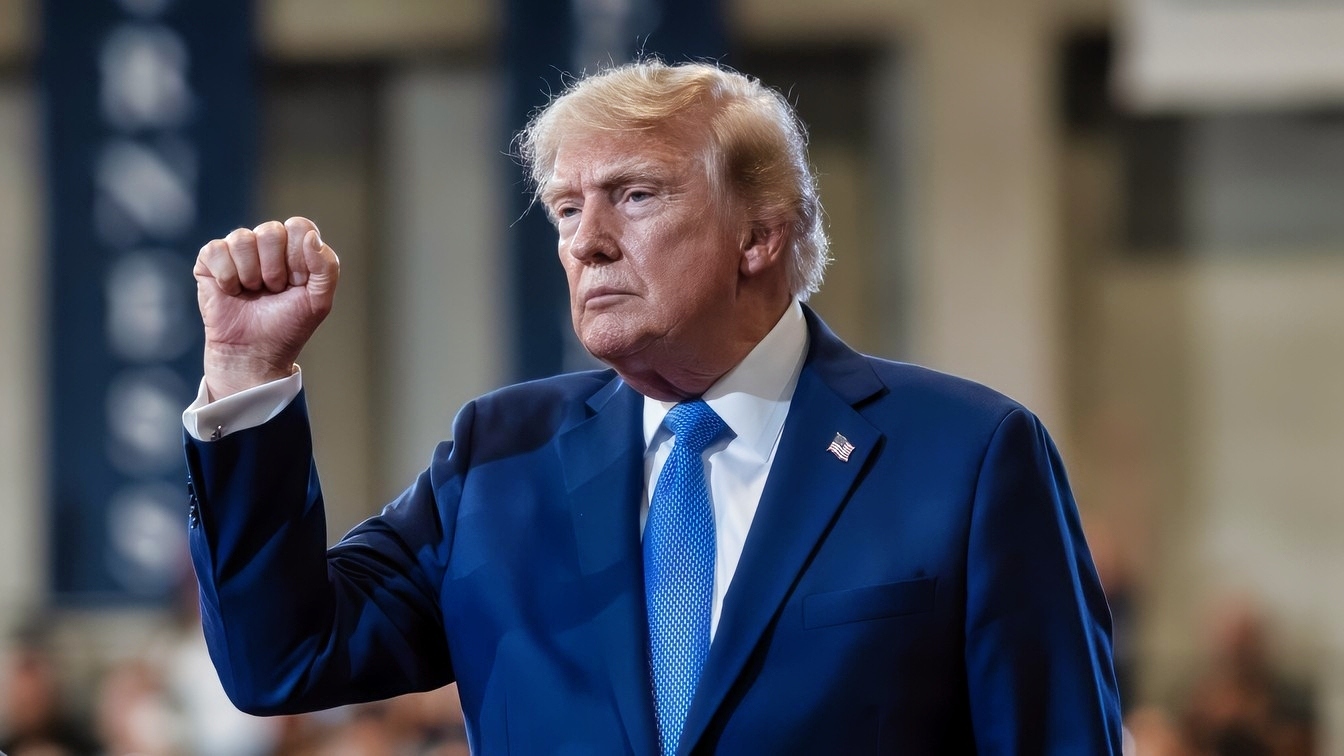
Over the last decade, Donald Trump has often relied on an extremely loyal base that has shown up for him in all three of his presidential runs.
But now, with the midterm elections weeks away, shaping up to be a bloodbath for Trump’s party, there are signs that the president is losing some support from voters of his own party — and that many Republicans may stay home this November.
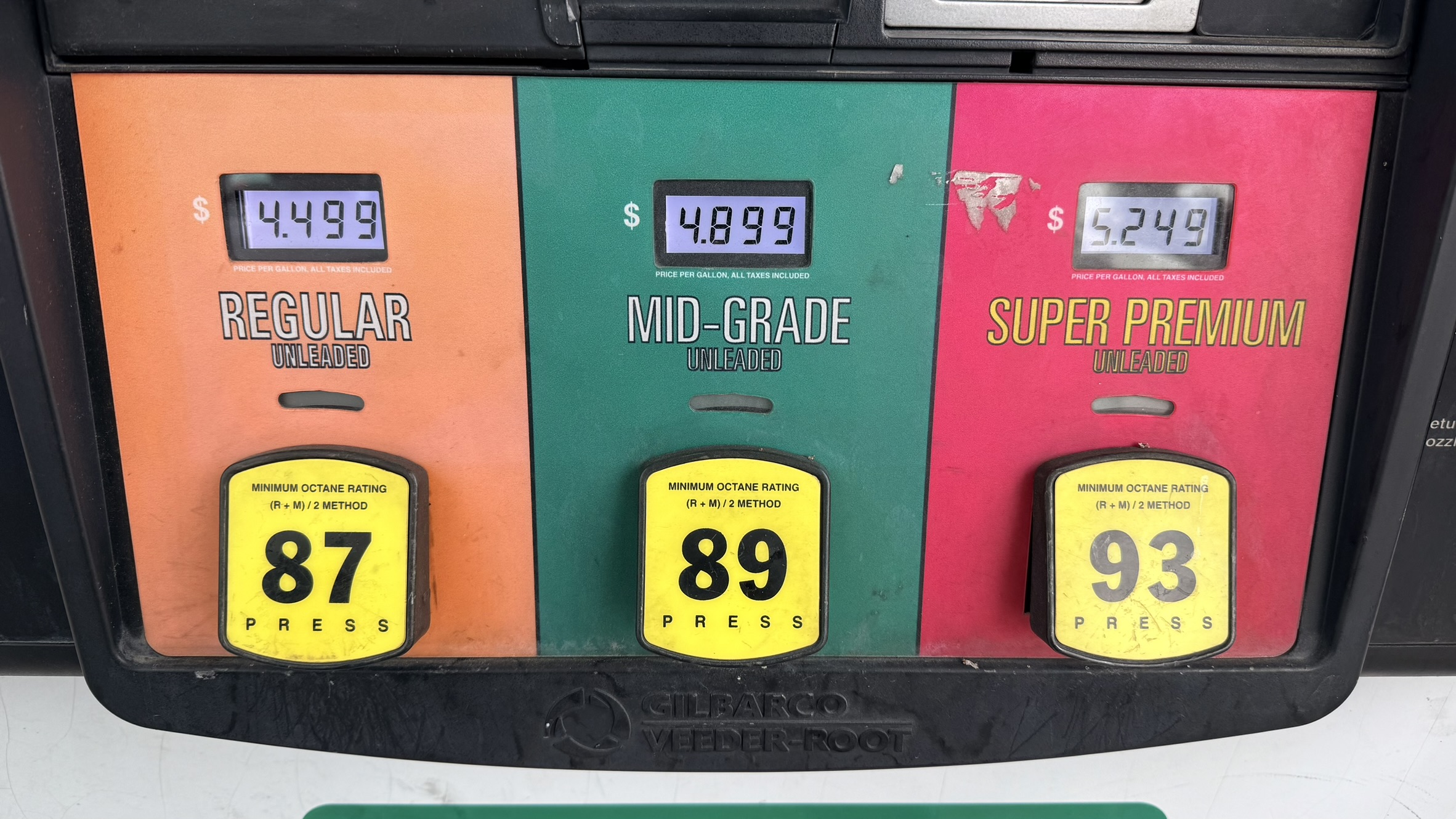
Gas Prices on May 9 outside of Orlando, Florida. Image Credit: National Security Journal.
Stories throughout the year have pointed to flagging Republican enthusiasm and the idea that Trump’s spell on the Republican base, after a decade when it usually seemed unbreakable, is weakening.
According to the New York Times, Trump’s declining support could create a dynamic in which Democrats notch a major midterm victory without massive turnout from their own base, or even by converting persuadable swing voters.
Rather, the big factor could be Republican voters staying home.
“The red undertow,” a coinage of political analyst Charlie Cook, rather than a “blue wave” or “red wave,” is how the Times describes this potential result.
Cook predicted that undertow will “pull many Republicans under and significantly trim the margins” of others.
Trouble in Michigan
Trump won Michigan in 2016 and 2024, but lost it in 2020.
Michigan has a closely contested Senate race this year, between Democrat Abdul El-Sayed and Republican Mike Rogers.
If he wins, El-Sayed would be the first Muslim ever elected to the U.S. Senate.
The state also has contested House races and a governor’s race in which Democrat Jocelyn Benson is comfortably ahead of Republican John James.
The Times, weeks before the election, visited a part of Western Michigan that had been a Trump stronghold in previous elections and found that enthusiasm for Trump has seriously flagged, including “more signs for blueberries and eggs than for political candidates,” and a notable lack of political door-knockers.
The newspaper also spoke with several people who previously voted for Trump but have lost enthusiasm for him.
Not Keeping Promises
One man who voted for Trump in 2024 invoked Trump’s call to vote as if Trump were on the ballot, stating, “That’s exactly what I’m going to do — not vote.” That voter specifically referenced the Iran War and how Trump positioned himself as being on the “ticket of peace,” before launching a “war of choice” in Iran.
Voters also cited high gas prices and the cost of living as reasons they have soured on Trump lately. Others point to general fatigue with Trump himself and with the political battles that have centered on him over the last decade.
A Generic Disadvantage
According to the RealClearPolling average, Democrats lead the generic ballot by 7.9 points, with every poll in the average showing Democrats ahead of Republicans, though the advantage is slightly below the peak of over 8 points they reached a few days earlier.
RealClearPolitics’ average also shows El-Sayed winning in the Michigan Senate race, with every poll included showing the Democrat ahead, except one that shows the race tied.
After November
What happens after the midterm elections? If Democrats win, they will control one or both houses of Congress, giving them subpoena power and the ability to push investigations into various Trump controversies and scandals from the first two years of his second term.
It will also put an end to any of Trump’s hopes for a legislative agenda, although most of Trump’s actions as president haven’t been done at the legislative level.
If he loses the Senate, Politico reported, Trump might even lose the ability to easily fill judicial vacancies or confirm new cabinet secretaries if any of the current ones leave office. There’s even speculation that, if Democrats win the Senate, the GOP could push Clarence Thomas or Sam Alito to retire quickly to confirm a replacement before Democrats take control of the Senate.
Beyond that, regardless of who wins or loses, the election will make Trump a lame duck: only two years left in his term, no chance to run again, and no more elections left to fight. And before long, the 2028 presidential campaign will get underway, reinforcing the sense that politics is finally moving on from Donald Trump.
About the Author: Stephen Silver
Stephen Silver is an award-winning journalist, essayist, and film critic, and contributor to the Philadelphia Inquirer, the Jewish Telegraphic Agency, Broad Street Review, and Splice Today. The co-founder of the Philadelphia Film Critics Circle, Stephen lives in suburban Philadelphia with his wife and two sons. For over a decade, Stephen has written thousands of articles on politics, national security, technology, and the economy. Follow him on X (formerly Twitter) at @StephenSilver, and subscribe to his Substack newsletter.


