

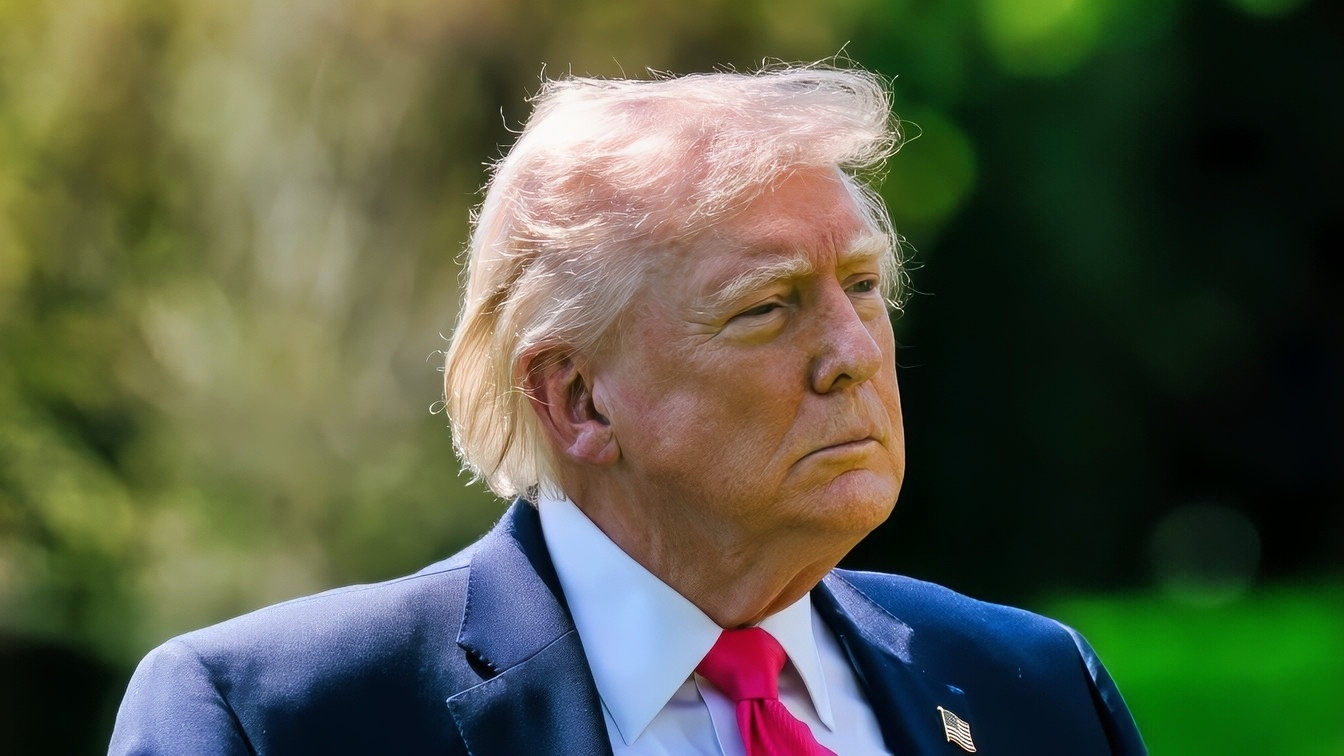
With less than a month before the November 3rd midterm elections, President Donald Trump faces increasingly dire polling. New state-by-state data from Civiqs shows Trump with positive net approval in just 11 states. That leaves him behind in 39 states. National surveys tell a similar story.
Recent Reuters/Ipsos and AP-NORC polls place Trump’s approval at approximately 31–32 percent.
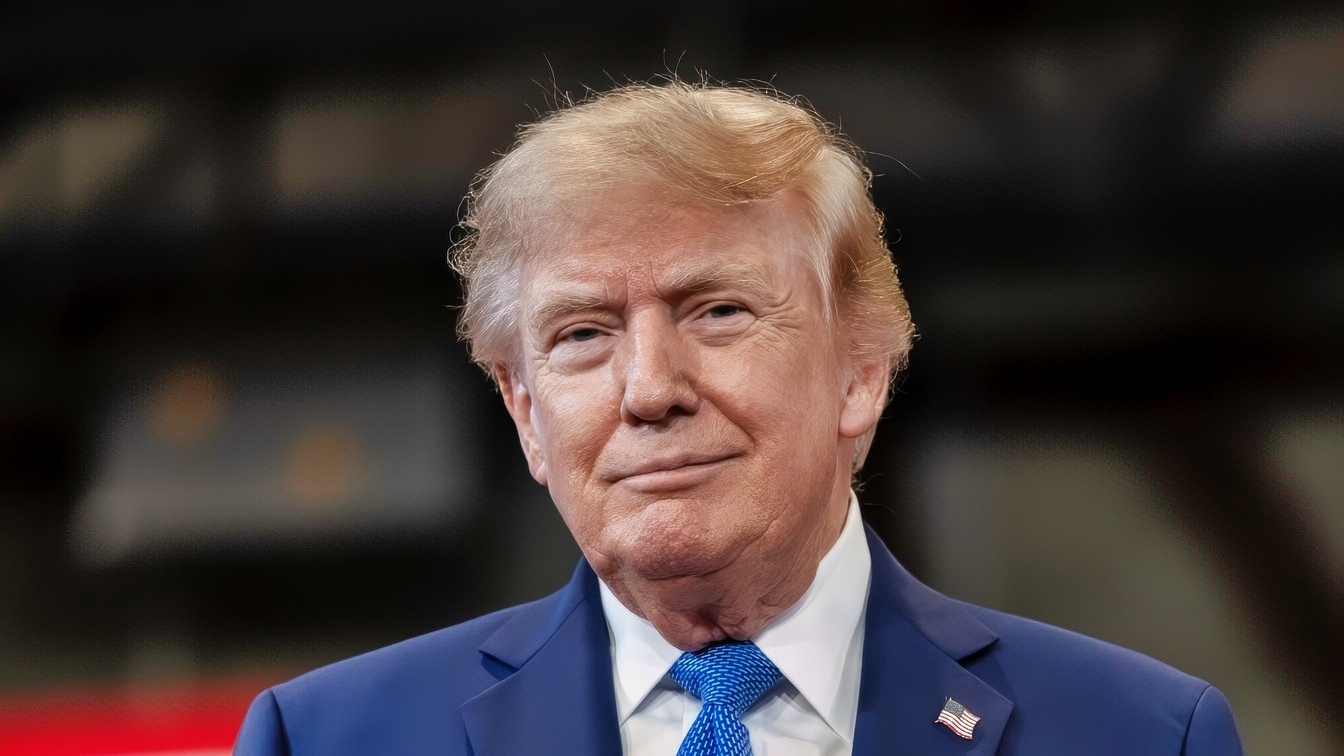
President Donald J. Trump delivers remarks at the David S. Mack Center for Training and Intelligence in Garden City, New York, Friday, August 14, 2026. (Official White House Photo by Molly Riley)
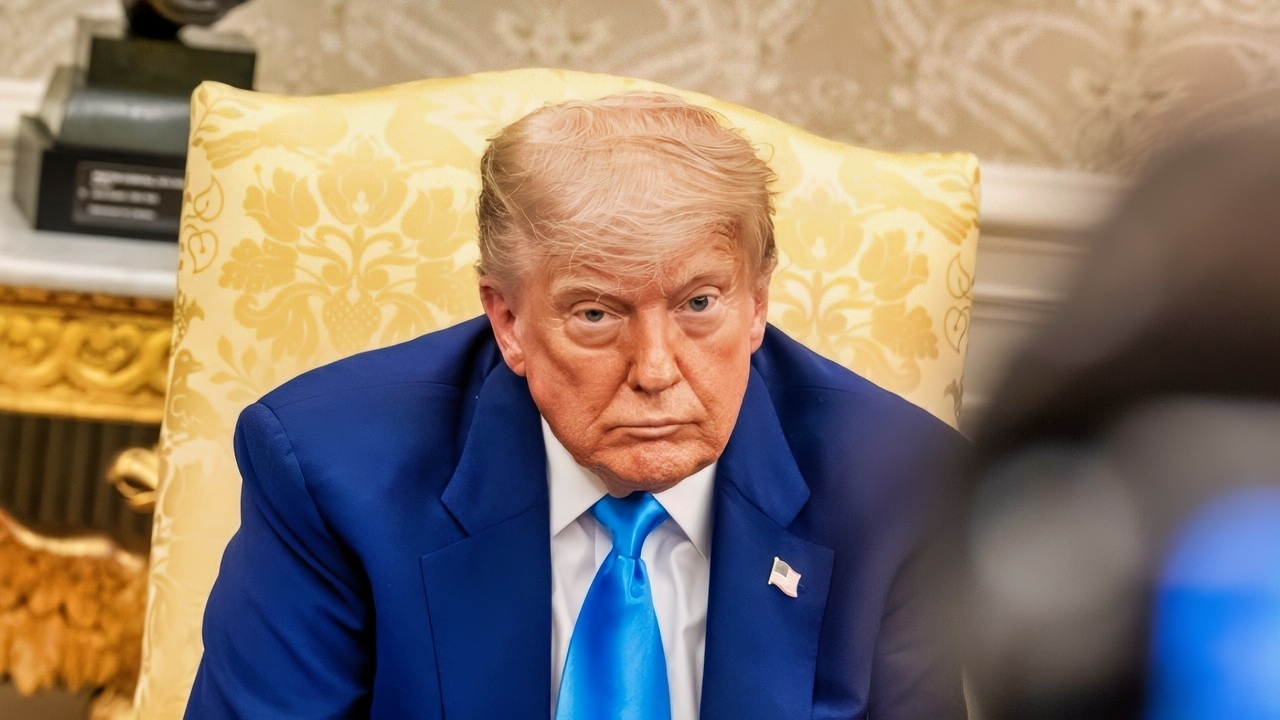
President Donald Trump meets with President of South Africa Cyril Ramaphosa, Wednesday, May 21, 2025, in the Oval Office. (Official White House Photo by Daniel Torok)
Major polling averages are somewhat higher, around 37–39 percent, but still show disapproval near 60 percent. These suppressed numbers pose significant problems for Republican candidates trying to maintain control of Congress.
Will Trump’s unpopularity cost his party the Congressional majority on Election Day?
Only 11 States
According to Civiqs tracking, Trump has positive net approval only in Alabama, Arkansas, Idaho, Kansas, Montana, North Dakota, Oklahoma, South Dakota, Utah, West Virginia, and Wyoming. All 11 voted for Trump in 2016, 2020, and 2024.
And all are overwhelmingly Republican-leaning states. Wyoming remains the strongest, where Trump’s net approval is +16 points.
In the other ten states, Trump’s net approval ranges from +2 to +10 points. So even in reliably pro-Trump Republican electorates, the president’s margins are modest. Of course, Trump’s negative net approval in a state doesn’t mean the state will vote Democrat. But the breadth of Trump’s unpopularity is notable.
National Polling Even Worse
The state-by-state numbers are consistent with several recent national polls.
Reuters/Ipsos, on October 5, found just 32 percent of respondents approved of Trump, matching a career low. AP-NORC, on October 1, found Trump had just a 31 percent approval rate, the lowest recorded by that survey across Trump’s two presidencies.
For comparison, AP-NORC’s previous low occurred in late 2017. This suggests Trump isn’t merely experiencing a routine dip in popularity; he is polling near the bottom of his historical range. With the election less than four weeks away, little time remains for a meaningful recovery.
Granted, individual polls have sampling uncertainty, which is why polling averages provide a broader, more useful perspective.
But according to October 6 figures from RealClearPolitics, the New York Times, and Silver Bulletin, Trump is consistently down by about 21–23 percentage points.
The exact numbers vary by poll, but the underlying conclusion is consistent: roughly three in five Americans disapprove of Trump’s job performance. This places the Republican Party in a tough spot heading into midterms. Polling averages aren’t election forecasts, but presidential approval can still influence congressional elections.
Hispanic Support
The Reuters/Ipsos survey found that only 24 percent of Hispanic Americans approve of Trump’s performance. Reports show Trump currently has the lowest approval among Hispanic respondents than at any other time during either Trump presidency.
This is particularly significant given his electoral gains with Hispanic voters. In 2020, just 36 percent of Hispanic voters supported Trump, but in 2024 the number had climbed to 48 percent. This improvement helped Trump win in 2024. But now polling suggests his standing with the Hispanic constituency has deteriorated. This trend isn’t dispositive, but it raises questions about whether Trump’s 2024 coalition will hold together for 2026.
Problems for Republicans
Trump’s approval rating will likely have downstream effects. Midterm elections are historically difficult for the president’s party.
Opposition voters often become more energized, as elections often serve as a referendum on the incumbent administration.
Trump’s approval numbers suggest Republican candidates may face significant headwinds, particularly in competitive suburban and swing districts, where vulnerable Republicans must choose between embracing Trump and distancing themselves. Neither option is especially appealing.
The Final Month: Trump Can Only Save Trump and the GOP
Trump has less than one month to right the ship. His approval could technically improve, though he is running out of time.
To improve, Trump would likely need the conflict with Iran to de-escalate, energy prices to decline, and some positive economic news to emerge.
But presidential approval doesn’t typically move that fast. Still, the Republicans could be alright.
Election outcomes depend on variables far more complex than presidential approval. Don’t treat polling data as a projection of how the states will vote.
About the Author: Harrison Kass
Harrison Kass is a writer and attorney focused on national security, technology, and political culture. His work has appeared in Tablet, City Journal, The Hill, The Spectator, and The Cipher Brief. He holds a JD from the University of Oregon and a master’s in Global & Joint Program Studies from NYU. More at harrisonkass.com.


