
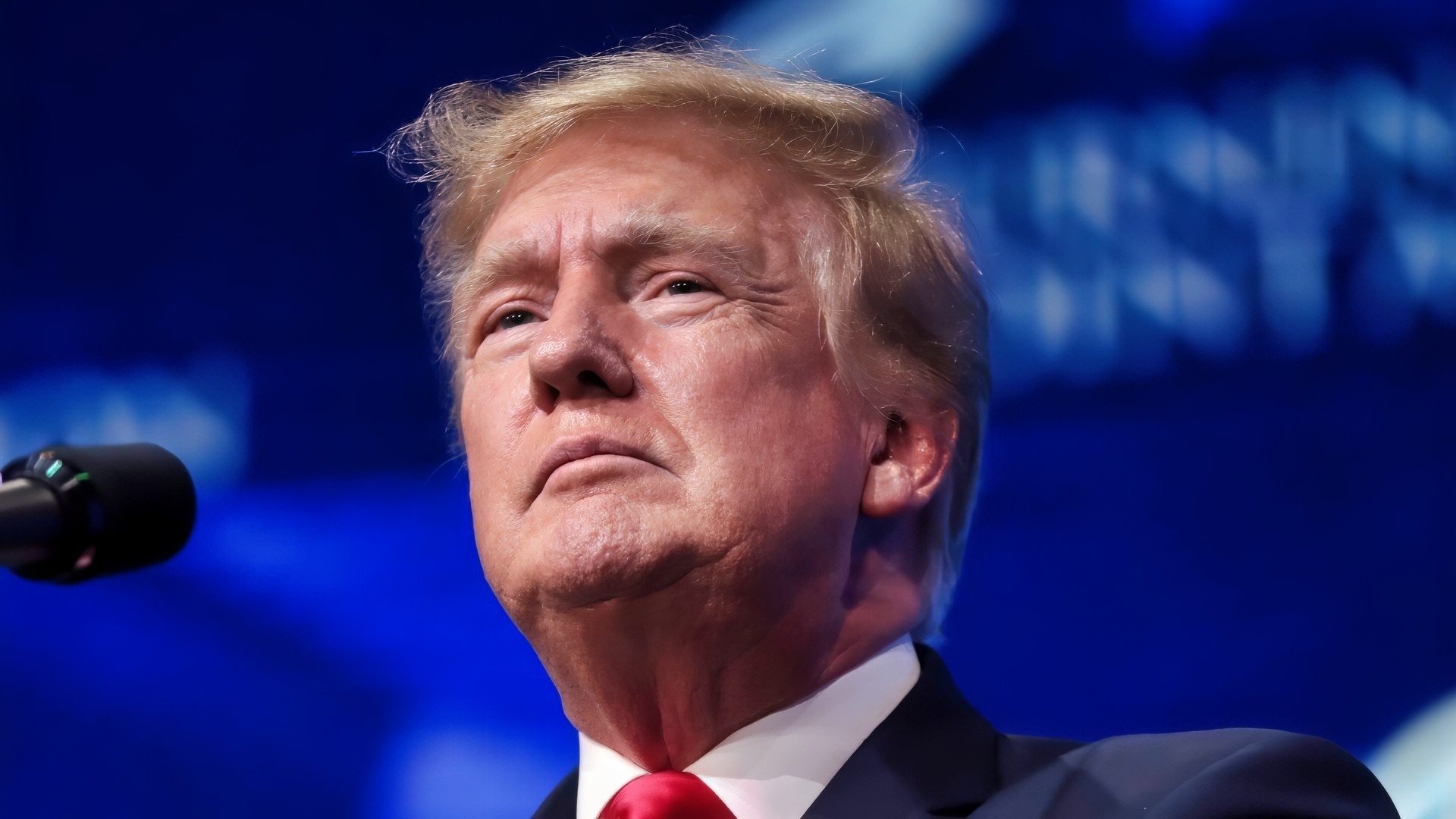
Republicans began openly questioning President Donald Trump’s leadership on Wednesday morning after sweeping midterm defeats cost the party control of both chambers of Congress.
Party figures pointed to the Iran war, rising household costs, and Trump’s political style, according to Politico.
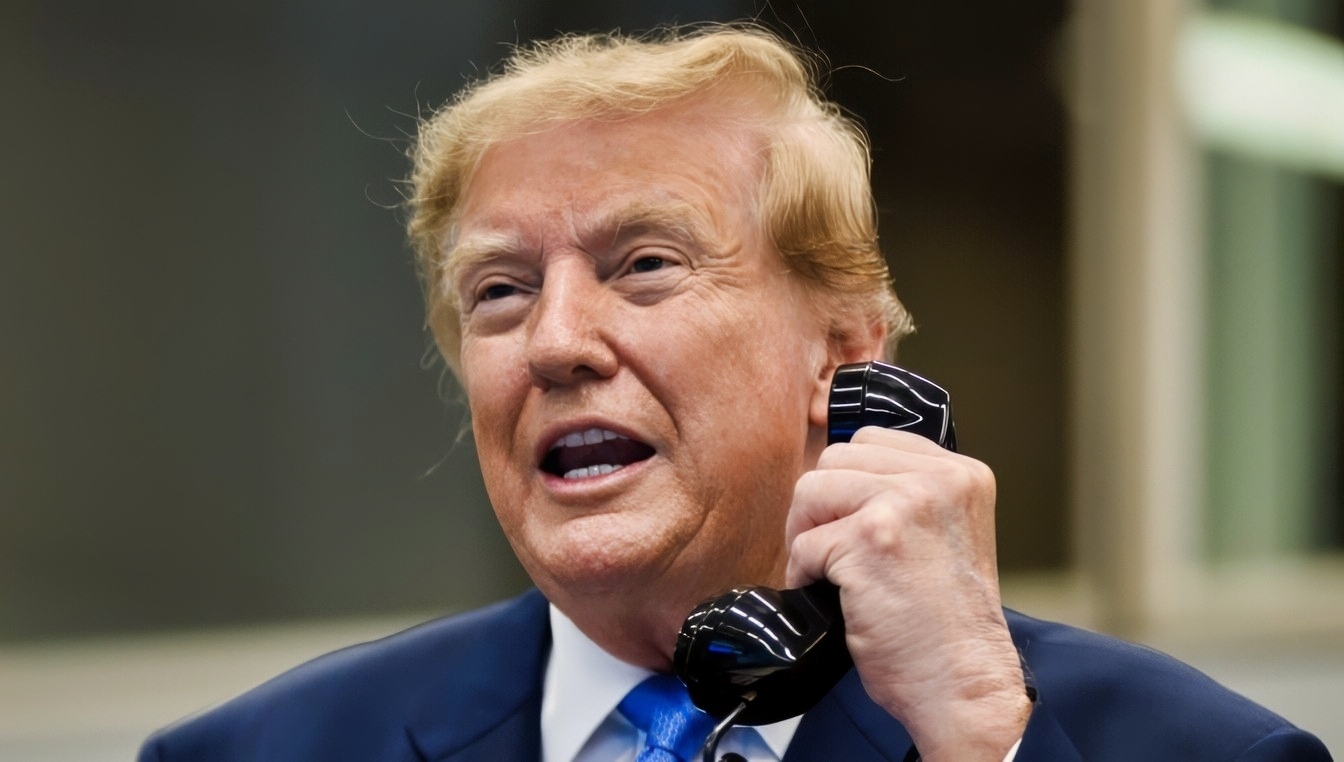
President Donald J. Trump calls the International Space Station from NASA Mission Control Center at the NASA Johnson Space Center, Friday, August 28, 2026, in Houston, Texas. (Official White House Photo by Daniel Torok)
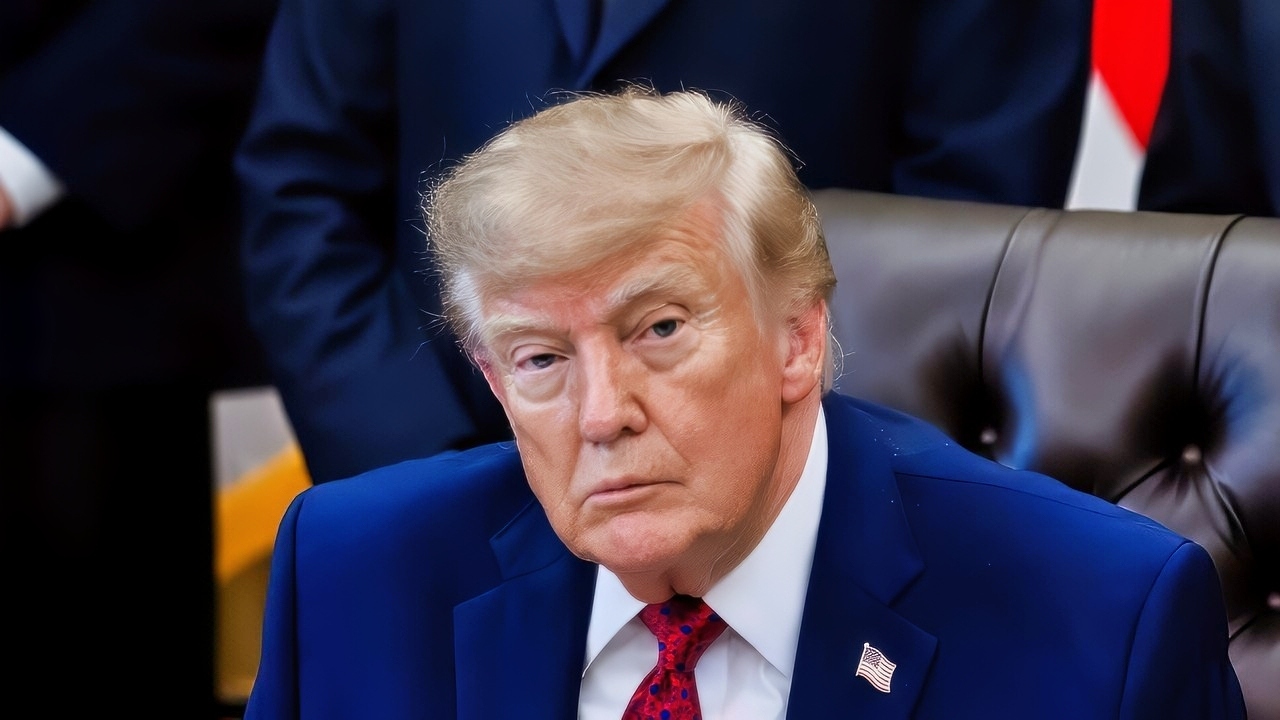
Donald Trump at Oval Office Event Creative Commons Photo
Trump’s advisors, as well as the president himself, were openly critical of some Republican candidates in the aftermath of Tuesday’s elections in which the Democratic Party won control of both the House and Senate, gaining seats across battlegrounds and traditionally Republican states, including Texas, Kansas and South Carolina.
Questioning the President
Matt Dole, the Republican chair in Ohio’s Licking County, told Politico that part of the party would seek a return to normalcy without necessarily abandoning Trump’s policies.
“There’s a little bit of a reckoning in the Republican Party about where they go,” said Dole following the election results. “I think you’re going to see a part of the Republican Party advocate for a return to normalcy, which is not repudiating.”
Bobby Charles, the defeated Republican gubernatorial candidate in Maine, offered a more direct assessment. “It sounds a little ironic, but I am nevertheless optimistic for the future because Trump’s going to be gone in two years.”
Other criticism remained anonymous.
A senior Senate Republican official rejected candidate quality as an adequate explanation for the scale of the defeat and blamed Trump.
The White House did not immediately respond to Politico’s request for comment.
Trump Hits Back
The president was critical of some Republicans on the ballot, telling the Wall Street Journal that some candidates “could have been better.”
“Some of them had a lot of flaws, and obviously they were not acceptable to the voters,” Trump said. “You know, you can only do so much.”
Several candidates won their primaries in part due to Trump’s insistence, including defeated Republican Sen. Darline Graham of South Carolina and Texas Attorney General Ken Paxton, who lost to Democrat James Talarico in the state’s Senate election.
“I tried to help them,” Trump continued. “Darline worked very hard; they worked hard. But they both didn’t make it.”
The president was particularly critical of defeated Texas Governor Greg Abbott, whom he described as a “RINO [Republican in Name Only].” Gov. Abbott lost to Gina Hinojosa, who will become the state’s first Democratic Party governor since 1995.
“If Greg Abbott, the Governor of Texas, hadn’t become a RINO in the last six months of his political life, he wouldn’t have lost,” Trump wrote on Truth Social. “He went back to his original formula, and it wasn’t pretty!”
Advisors and Aides Respond
Trump’s closest aides were critical of defeated Republican candidates, blaming a myriad of factors including Fox News, RINOs, and “lazy” candidates.
Trump adviser Alex Bruesewitz blamed the GOP’s poor election performance on “uninspiring, lazy, and thoroughly ineffective communicators,” explicitly singling out Rep. Mike Collins, whom Democratic incumbent Sen. Jon Ossoff defeated. Collins’ campaign did not immediately respond to Politico’s request for comment.
Bruesewitz lambasted candidates who had boarded Air Force One and left their states five days before Tuesday’s elections, even after the president had traveled to campaign for them.
“They’re so dependent and so reliant on the president,” Bruesewitz said. “The president’s strength has allowed Republicans to coast for a decade. His endorsement has cleared the field for them in their primaries and oftentimes in general elections. Most of them have never had to fight in a tough race, so they forgot the basics of campaigning and communicating in a digital era.”
Trump Partially Blames Iran War and Gasoline
Speaking to the Journal as results came in, Trump acknowledged that the war with Iran contributed to Republican losses across the country. “Iran was a piece of it,” he told the publication.
Nevertheless, he stood by his decision to go to war with Iran, adding: “I don’t think about it. I did the right thing. I would have done it again.”
Trump told the Journal that oil prices, rather than the war itself, were the biggest political setback.
He referred to rising commodity costs in a separate telephone interview with Fox News, where the president linked the Republican setback to the financial burden of higher gasoline prices.
“I don’t think it’s the war, I think it’s the gas prices,” Trump said.
About the Author: Shay Bottomley
Shay Bottomley is a British journalist. He has written for the Western Standard, Business Insider, Maidenhead Advertiser, Slough Express, Windsor Express, Berkshire Live and Southend Echo.