

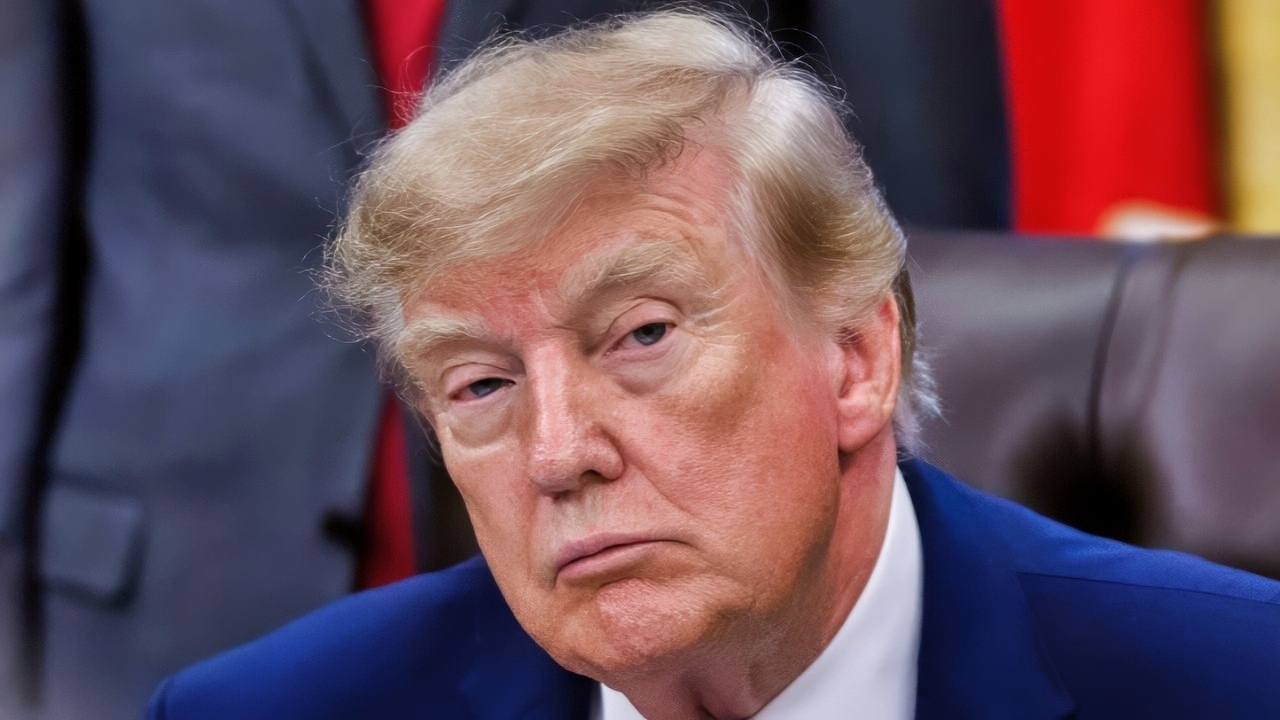
Last week, President Donald Trump announced a shocking agreement with Russia to buy diesel fuel from the country, as diesel prices hit a record high, exceeding $6 a gallon for the first time in history earlier this fall.
According to the Associated Press, the deal, struck during a phone call between Trump and Russian President Vladimir Putin, abruptly reverses years of U.S. policy and undermines the Western sanctions regime. Russia will supply 300,000 tons of diesel immediately, then 500,000 tons in November, and an additional 1 million later.
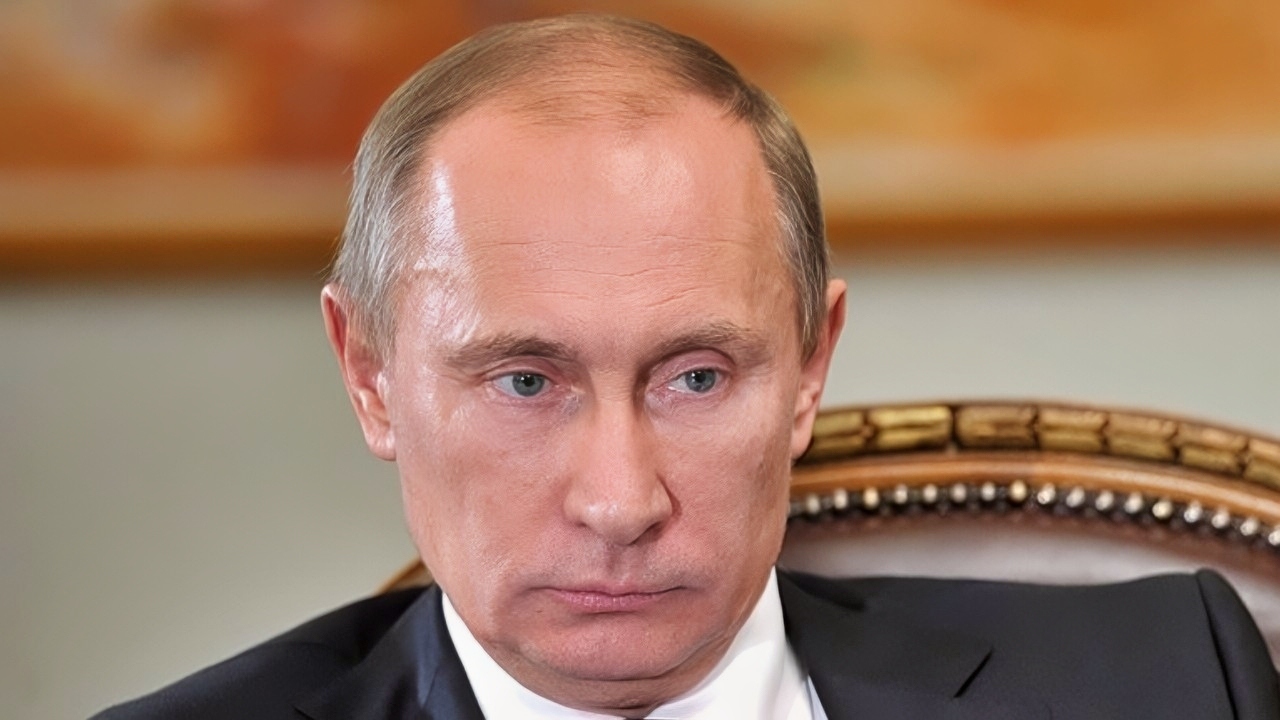
Putin in 2012 Creative Commons Photo
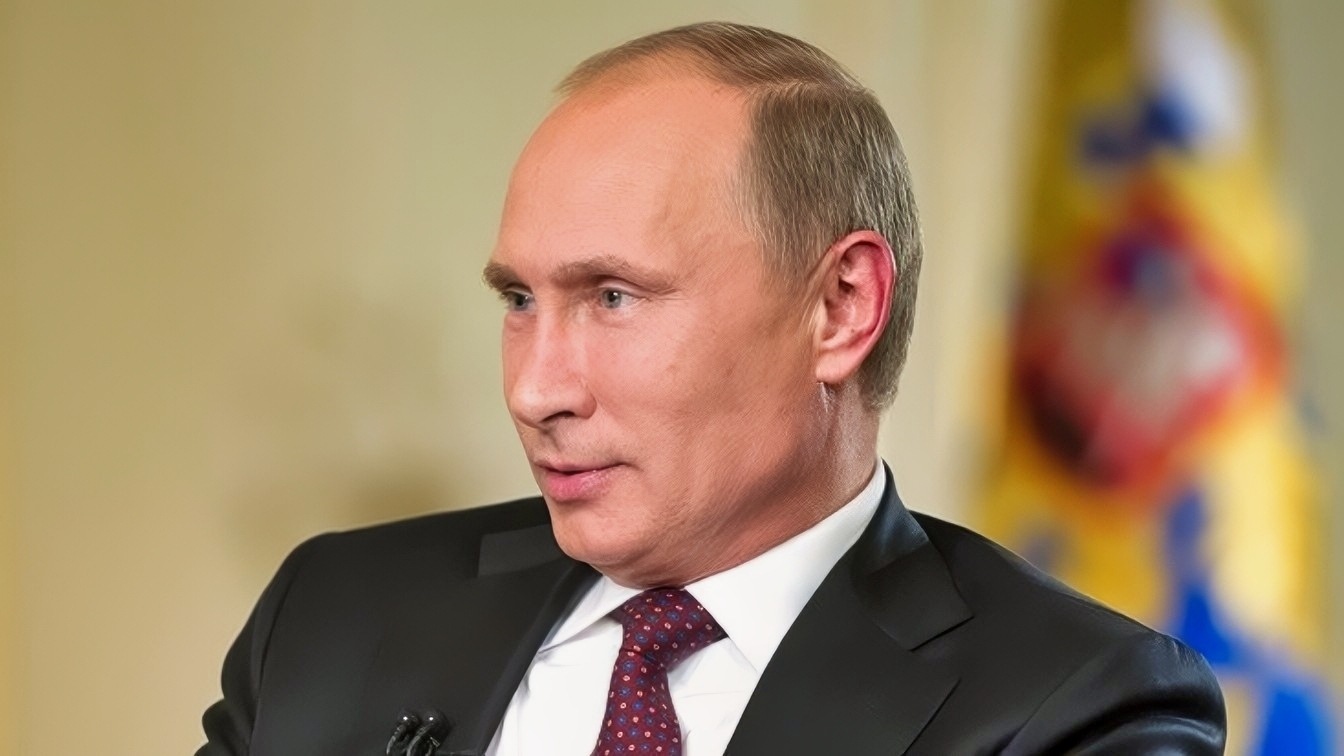
Putin Interview from Back in 2012 Image Credit Creative Commons
The West, since Russia’s invasion of Ukraine in early 2022, has hit Russia with a variety of sanctions, many of them aimed at Russian oil. Less than a month ago, Trump signed a new law, named for his late friend, Sen. Lindsey Graham (R-SC), who spent his final weeks pushing for it, to target Russia’s oil revenues, specifically by targeting countries that buy Russian oil and gas.
This move by Trump — who, for good measure, called this weekend for Volodymyr Zelensky to be replaced as president of Ukraine, and blamed Ukraine’s strikes on Russian oil infrastructure for high gas prices at home — has upset quite a few Republicans, including those who are currently campaigning in the midterm elections.
Trouble on the Trail for Donald Trump
According to Axios, the deal has put some Republican Russian hawks in an uncomfortable position on the campaign trail, with the midterms just three weeks away.
As the analysis says, Republican candidates are already saddled with unpopular Trump positions, from the state of the economy to the Iraq War, while the president has now given them another, having thrown an economic lifeline to Vladimir Putin. Many Republicans have been vocal about their criticisms of Russia, and now face a choice of sticking with those criticisms, reversing themselves, or saying nothing.
The Trump-Putin deal, Axios said, “packs some of the GOP’s biggest liabilities into one decision,” those liabilities being the continuing war in Iran, Trump centering himself in the midterm election campaign, and differing views in the party over Russia.
Axios also noted that energy analysts say the diesel deal is unlikely to deliver cost savings at the pump, at least not right away.
Republicans Strike Back
Clear signs of GOP rebellion are emerging over the deal, with The Hill reporting that Trump was “picking a fight” with Senate Republicans over it. Trump needed those senators’ votes to pass the sanctions bill just weeks earlier. Some of those senators, per The Hill, worked hard to pass that bill and resent that the president has so quickly undermined it.
Rep. Brian Fitzpatrick (R-PA), one of the most vulnerable Republican incumbents in the House, said he would force a House vote to block the deal. Many senators, including Sen. Susan Collins (R-ME), who is also facing a tough re-election battle in Maine, criticized the deal in the days after it was announced. Collins, who co-sponsored the sanctions bill, said on social media that Trump had “recently signed but is now not following.”
Sen. Thom Tillis (R-NC), who is not running for re-election, said this week that the deal between Trump and Putin may violate laws that say the president cannot lift sanctions without first notifying Congress. Three Democratic senators joined Republicans in denouncing the deal with Russia.
Even Laura Loomer, perhaps Trump’s strongest ultra-loyalist on social media, slammed the deal with Putin, arguing on X that buying oil from Russia “puts money back into the coffers of the Islamic regime of Iran that chants Death to America.”
The report stated that many Republican senators “privately” oppose the deal, and many are likely to come forward with their opposition in the coming days.
One senior Senate Republican aide told The Hill that, in agreeing to a deal with Putin to buy oil in exchange for potentially lower energy prices, the president “did a deal with the devil from the looks of it.”
Danielle Pletka of the American Enterprise Institute called the deal “a lifeline for Putin” and “an act of desperation by a president who doesn’t see the optics.”
About the Author: Stephen Silver
Stephen Silver is an award-winning journalist, essayist, and film critic, and contributor to the Philadelphia Inquirer, the Jewish Telegraphic Agency, Broad Street Review, and Splice Today. The co-founder of the Philadelphia Film Critics Circle, Stephen lives in suburban Philadelphia with his wife and two sons. For over a decade, Stephen has written thousands of articles on politics, national security, technology, and the economy. Follow him on X (formerly Twitter) at @StephenSilver, and subscribe to his Substack newsletter.


