
Trump Faces Iran Pressure From All Angles – President Donald Trump is facing immense pressure to bring the war with Iran to an end, with criticism rife among his own supporters, polling putting the Republicans behind the Democrats ahead of the November midterms, and criticism from a former senior Pentagon official all hitting headlines in just the last day.
The challenge is simple: There seems to be no end in sight.

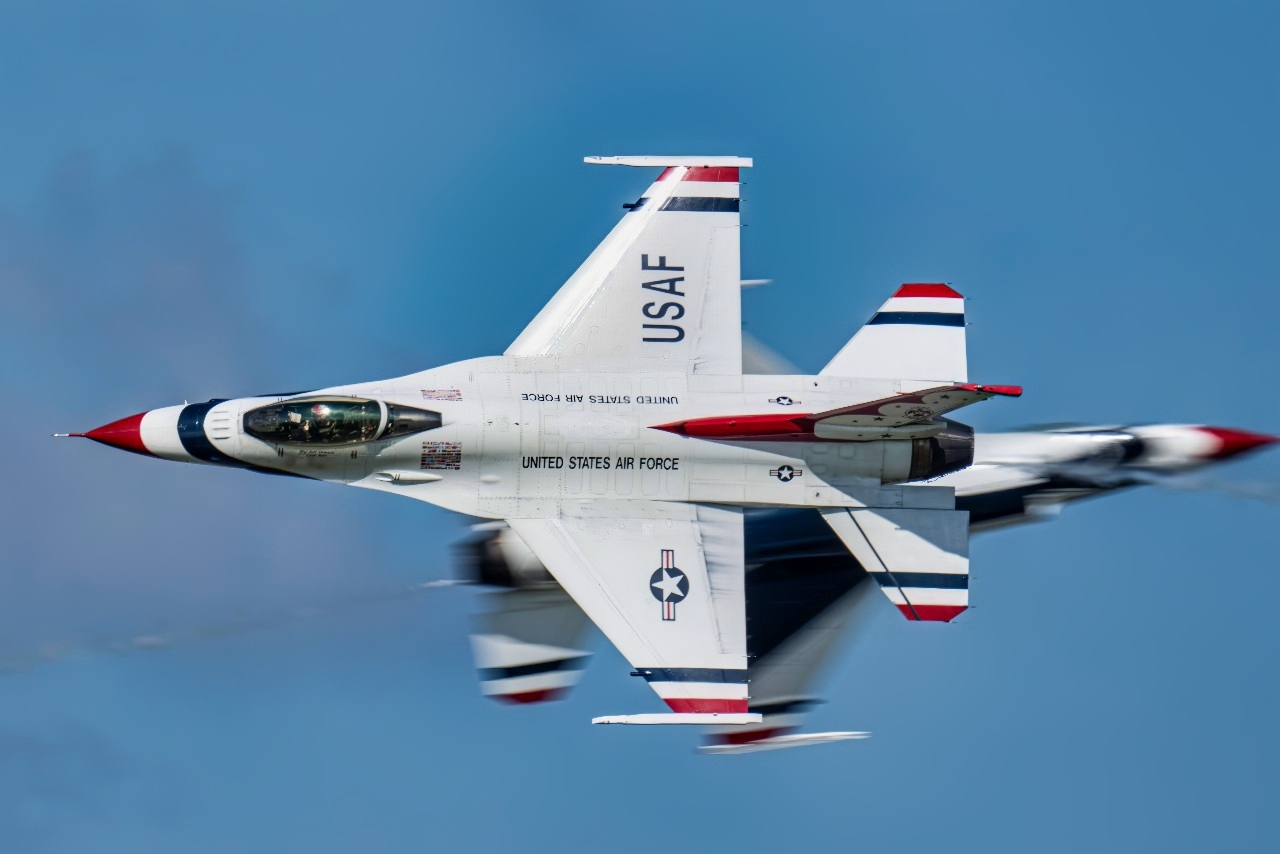
U.S. Air Force Staff Sgt. Jason Lewey from the 8th Aircraft Maintenance Squadron marshals an F-16 Fighting Falcon from the 35th Fighter Squadron at Kunsan Air Base, South Korea, after returning from a training mission during RED FLAG-Alaska 09-2 at Eielson Air Force Base, Alaska, on April 20, 2009. RED FLAG-Alaska provides training for deployed maintenance and support personnel in sustainment of a large-force deployed air operation. (DoD photo by Senior Airman Jonathan Snyder, U.S. Air Force. (Released))
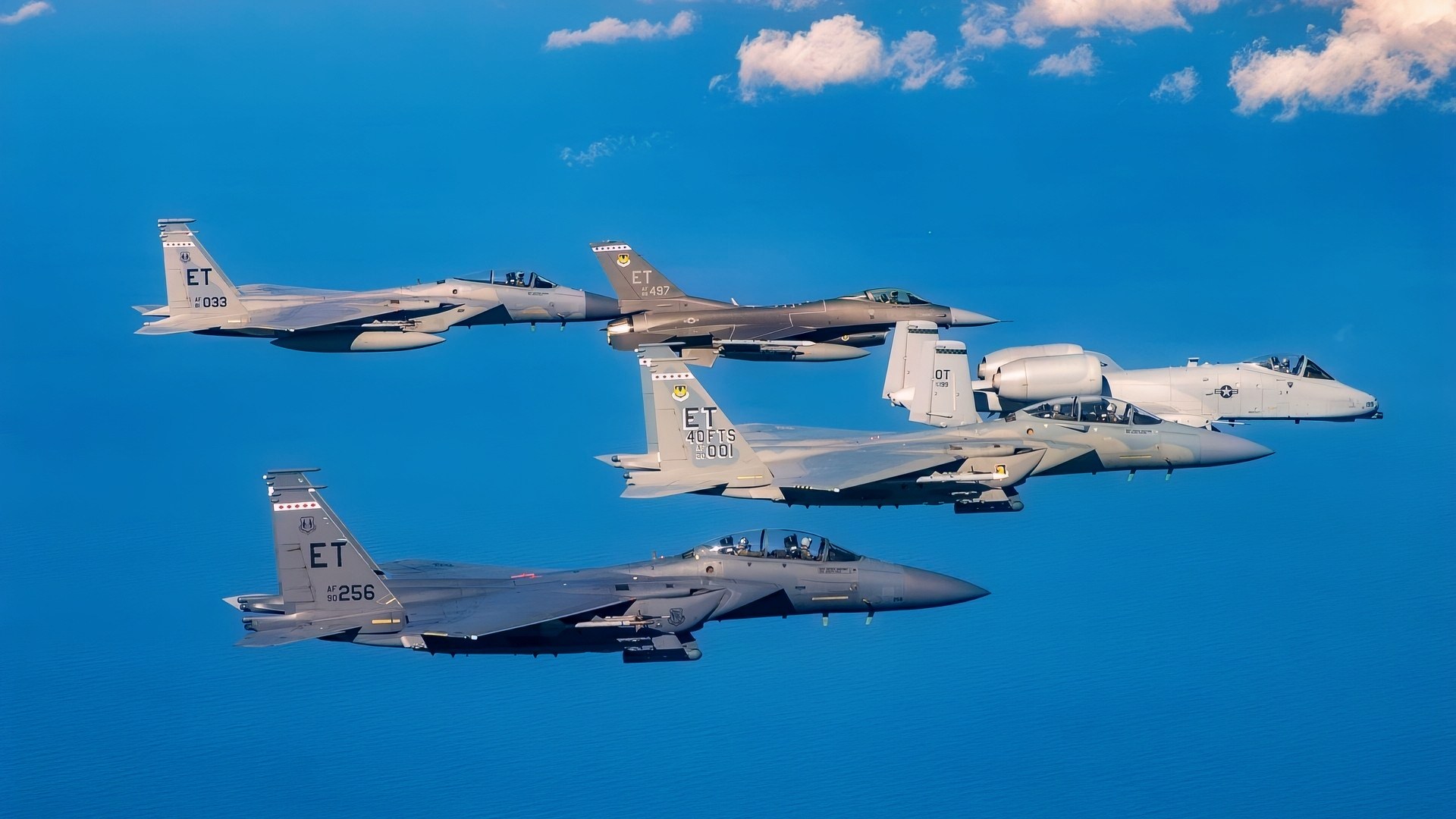
A formation of 4th generation fighter jets from the 40th Flight Test Squadron flies near Eglin Air Force Base, Fla, Jan. 31, 2022. The 40th FLTS executes developmental flight tests for fourth generation fighter aircraft to include the A-10, F-15 and F-16. (U.S. Air Force photo by Tech. Sgt. John Raven)
Comments from inside his own administration and a series of firings and resignations all indicate that the White House doesn’t have the grip over Iran it would prefer the world believe, and there’s no sign the regime in Tehran intends to back down soon.
The pressure ramped up significantly on Sunday, September 6, when former Air Force Secretary Frank Kendall questioned advice given to President Trump before he announced the strikes in February.
Energy Secretary Chris Wright, meanwhile, has acknowledged that Washington may never secure the nuclear agreement with Tehran that the president touted as achievable.
It’s a huge political and economic problem for President Trump, who is quickly showing just how much damage a small regional conflict can do to the world economy.
Energy prices are reaching record levels, and the Trump administration cannot assure commercial operations or world governments when the conflict will end.
Questions Over How the War Began
One of the big questions analysts have had for President Trump since the early days of the war is what intelligence or advice he was given ahead of launching the February strikes that suggested the Iranian regime would concede to the West.
It is a regime that has spent decades chanting “death to the West,” and it is the largest state sponsor of terrorism in the world. It is an entirely ideological regime hell-bent on destroying the West or resisting it for generations if necessary, but Trump launched the war with the expectation it would fold.
And it hasn’t.
Former Air Force Secretary Frank Kendall raised the same question during an interview with Martha Raddatz on ABC’s “This Week” on Sunday. During the interview, he asked what advice the president had received before committing the United States to the conflict.
“What I don’t understand, frankly, about the Iran war is what advice was given to the president that led him to start this conflict?” Kendall asked.
Kendall, who served as the Air Force secretary during the Biden administration, said that the course of the war has so far been largely predictable and that the expectations that the initial U.S. and Israeli attacks would bring down the government were wrong.
“The illusion that the Iranian regime would suddenly fall and this would be a very short conflict was not one that’s been held by anybody else until now,” he said.
The questions come as the conflict enters its seventh month with no end in sight. U.S. and Iranian forces again exchanged attacks over the weekend, with U.S. forces striking three Iranian oil tankers on Saturday after Iran launched ballistic missiles at American vessels. Neither vessel was hit.
Trump May Not Achieve His Goal
Also on Sunday, Energy Secretary Chris Wright acknowledged during an interview with ABC’s Martha Raddatz that the United States may not secure the nuclear agreement that Trump sought from Tehran. Wright explicitly acknowledged that “there may not be a nuclear agreement,” and suggested that Washington may simply have to continue destroying Iranian nuclear capabilities over time. He said that an agreement may also have to wait for a future Iranian government that is less hardline.
That leaves the Trump administration facing the prospect of an open-ended military conflict rather than a short-term fight that ends with a negotiated settlement.
When Raddatz asked whether preventing an Iranian bomb would mean attacking the country again whenever its capabilities recover, Wright appeared to confirm it.
It would effectively mean that the United States becomes embroiled in a long-term “mowing the lawn” operation, whereby it regularly deploys forces and assets to take out Iranian infrastructure once it is built — a problem that could also be complicated by measures from the Iranian side, including burying those facilities much deeper underground.
The Political Costs Are Mounting
Trump hoped this war would only last weeks, but as we approach month seven, a new NBC News Decision Desk poll published on Sunday found that 69% of Americans disapprove of Trump’s handling of the Iran conflict. 31% said they approve, and Trump’s overall approval rating stood at 36%.
The economic consequences are hard for Americans to ignore, too, with gasoline averaging around $4.14 per gallon over Labor Day weekend.
Trump knew the midterm elections in November would be hard for Republicans to win. He also knows that they are consequential. After all, if the Republicans lose Congress, the president will be forced to govern via executive order for the final two years of his final term in office. But the president should also be aware that those slim chances are now far slimmer, with the Iran war now likely to continue for months longer and the economic consequences expected to be felt for years.
About the Author: Jack Buckby
Jack Buckby is a British researcher and analyst specializing in defense and national security, based in New York. His work focuses on military capability, procurement, and strategic competition, producing and editing analysis for policy and defense audiences. He brings extensive editorial experience, with a career output spanning over 1,000 articles at National Security Journal, and has previously authored books and papers on extremism and deradicalization.


