

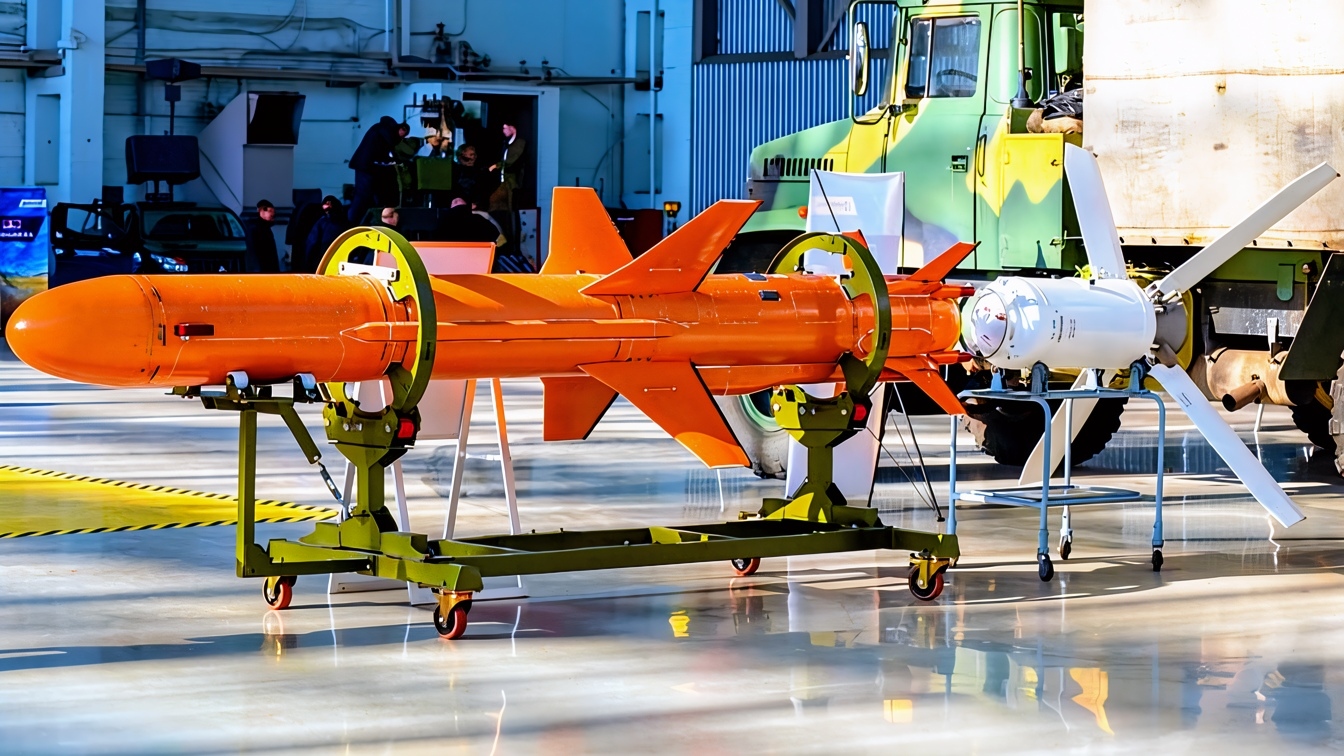
Last month, President Donald Trump warned Ukraine’s Volodymyr Zelensky to stop attacking Russian energy facilities, even at one point announcing, falsely, that Ukraine and Russia had agreed to an “energy ceasefire.” Eventually, Trump made the shocking announcement of his own energy deal with Russia, although more than a month later, none of that diesel has yet reached the stores in the United States.
Ukraine has continued to attack Russian energy facilities, including strikes so far in November on facilities in Samara Oblast, Volgograd, and the Omsk oil refinery, which is Russia’s largest.
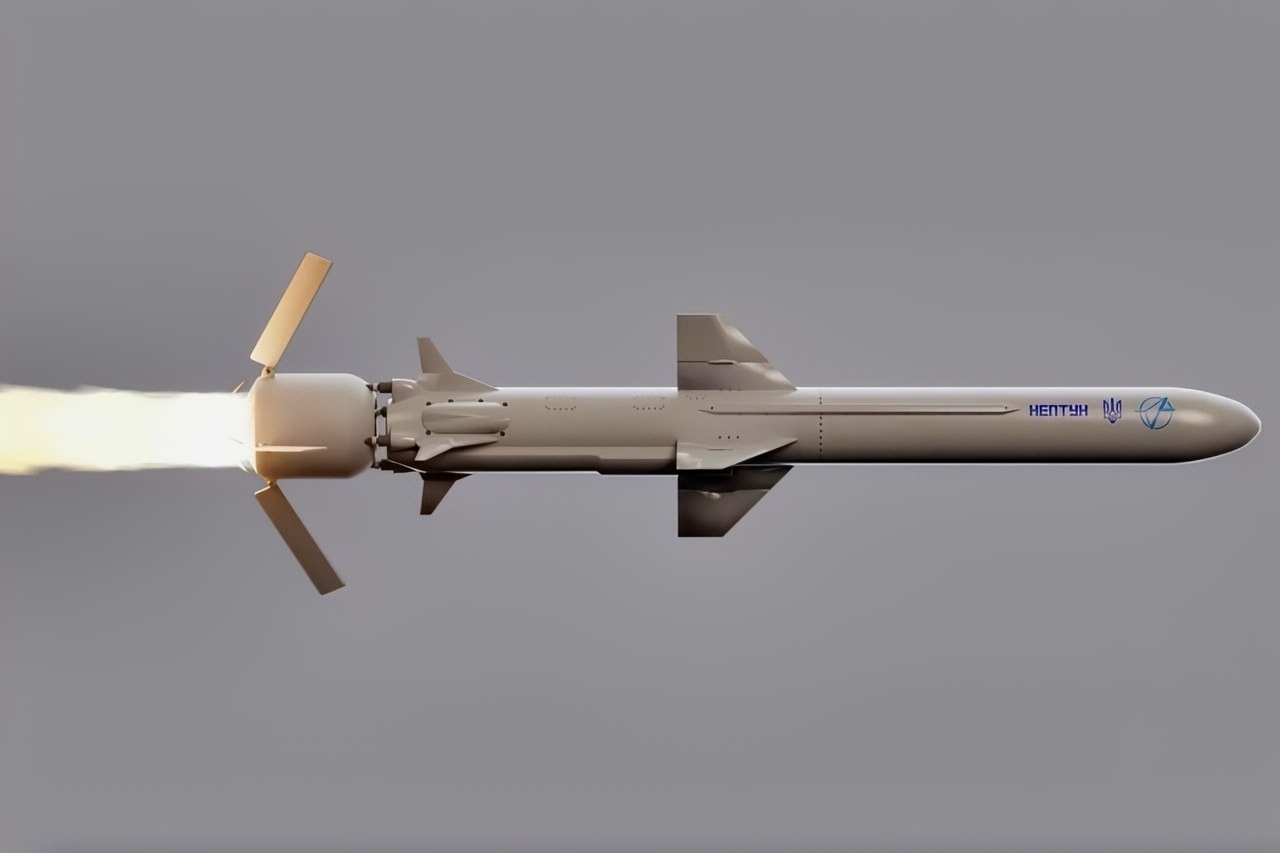
Neptune Missile. Image Credit: Government of Ukraine.
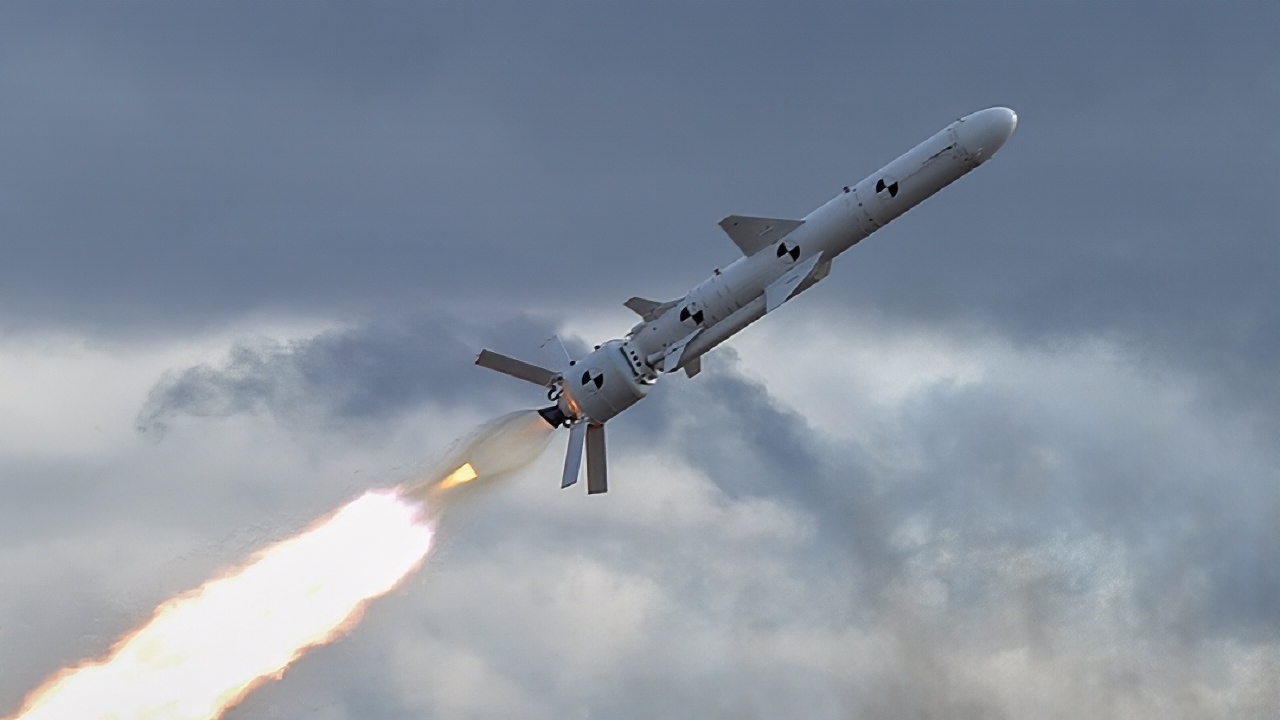
Neptune Missile. Image Credit: Creative Commons.
And this week, Zelensky announced that Ukraine has succeeded in knocking out more than half of Russia’s oil refining capacity.
Per The Kyiv Independent, Zelensky said in an evening address on Sunday that Ukraine has taken 55 percent of Russia’s refining capacity offline.
“In total, we have already neutralized more than 55% of Russia’s oil refining capacity,” the Ukrainian president said in the address, citing a report authored by Major General Mykhailo Drapatyi. “This is a fitting response to Russia’s refusal to de-escalate and to their strikes against our energy infrastructure.”
More Help Needed
While Zelensky touted the success of Ukraine’s recent strikes on Russian facilities, he continued to warn that Russia has continued to attack Ukraine with ballistic missiles and other weapons; additional help is needed from Western allies, especially as the winter season grows colder.
“The Russians have adopted a tactic of singling out a specific region and concentrating their strikes on it—targeting power grids and substations—over the course of several days,” the Ukrainian leader said in the address.
“It is crucial that people receive the necessary assistance and that energy supplies return to predictable schedules.”
The Status of Peace Talks
Trilateral talks, the first of their kind in months, took place last week, with representatives from the U.S., Russia and Ukraine, but no breakthroughs were reached.
In his address, Zelensky looked ahead to upcoming talks with European leaders.
“We have the opportunity to define a robust, unified European stance—one that is 100% geared toward victory,” the Ukrainian leader said, per The Kyiv Independent. “The Ukraine-U.S.-Russia dynamic must evolve—not just into a quadrilateral format, but into something significantly stronger.”
Seeking to Divide Europe
Zelensky is clearly hoping for a united Europe taking up its cause. Russia, it’s clear, has a different vision.
Al Jazeera reported this week on what happened in those trilateral talks, and how it seems to signal a new way forward for the Russians.
The Russian diplomats who showed up for the talks in Abu Dhabi, the report said, “presented demands that go far beyond any peace settlement.” Moscow, in fact, has “shifted the focus of talks from a ceasefire and peace to demands that, if accepted, could dismantle Europe’s post-Cold War security architecture, analysts said.”
Their demands have included NATO pulling troops out of parts of Europe, promising not to expand, and even gaining the ability to make nonaggression pacts with individual European countries, which would likely contradict NATO obligations.
“Agreements of this kind could be reached, among other things, with individual NATO member states, which would then receive, for instance, additional individual security guarantees,” Russian negotiator Alexey Drobinin told the press after the talks in Abu Dhabi.
“NATO Will Collapse”
Boris Bondarev, a former Russian diplomat who quit his post after the initial Russian invasion, had some eye-opening comments for Al Jazeera.
“NATO will collapse, and European nations will [individually] be face to face with Russia,” Bondarev told the outlet, in reference to what he sees as Russia’s strategy at the moment. “Europe will surrender to Russia without firing a single shot in its defense, without losing a single soldier or spending a single shell.”
Bondarev published a book last month called Time to Win the War: How to Stop Putin’s Russia and Secure a Lasting Peace.
Maria Kucherenko, executive director at the Strategic Intelligence Institute, told Al Jazeera that those asks were part of a pattern of Russia “asking for everything” in negotiations.
Russia’s “demands will be maximalist, the way they used to be, and they will be deceptive about the sequence of steps,” Kucherenko said of the strategy.
About the Author: Stephen Silver
Stephen Silver is an award-winning journalist, essayist, and film critic, and contributor to the Philadelphia Inquirer, the Jewish Telegraphic Agency, Broad Street Review, and Splice Today. The co-founder of the Philadelphia Film Critics Circle, Stephen lives in suburban Philadelphia with his wife and two sons. For over a decade, Stephen has authored thousands of articles that focus on politics, national security, technology, and the economy. Follow him on X (formerly Twitter) at @StephenSilver, and subscribe to his Substack newsletter.


