

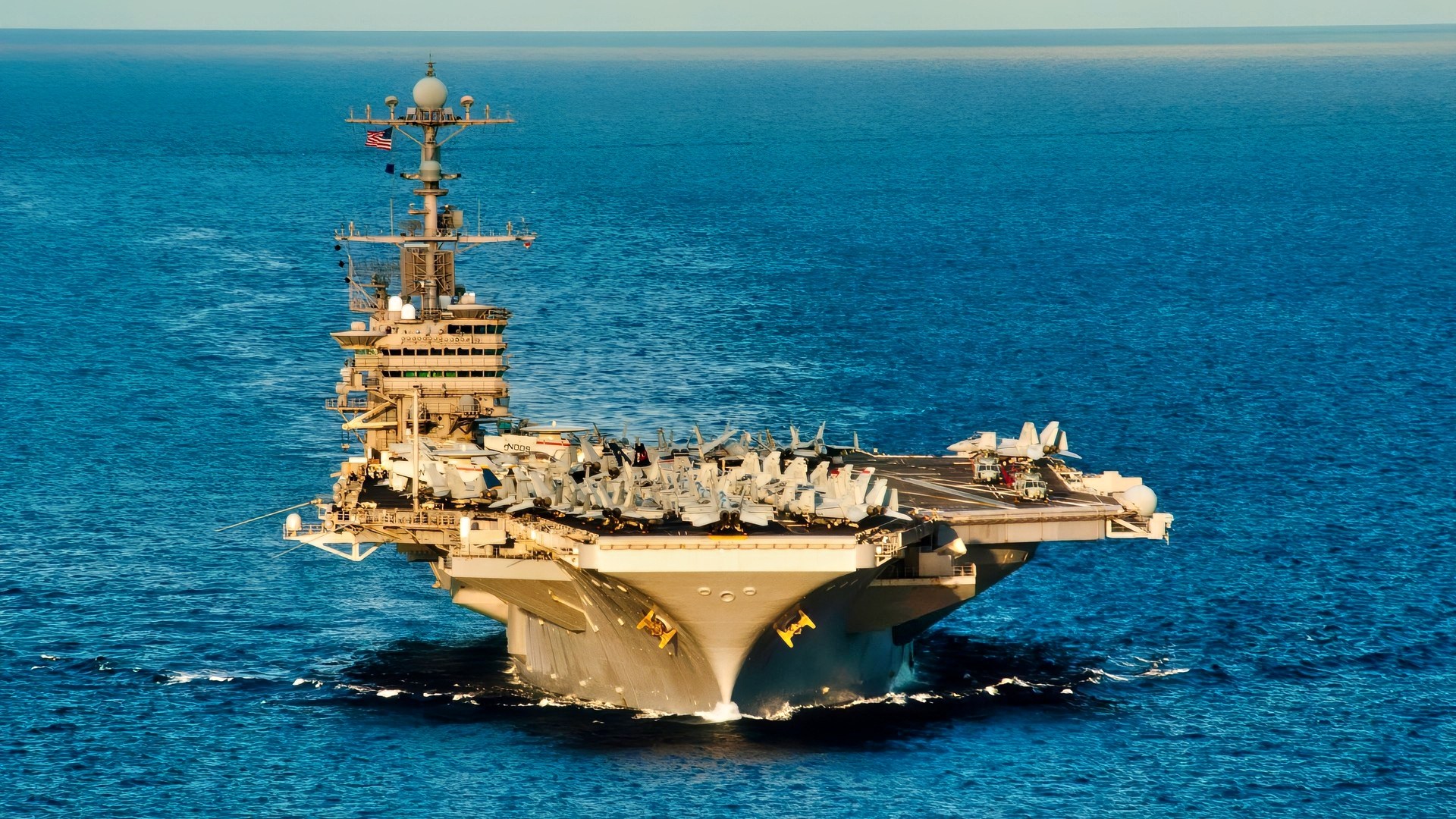
Iran Is “Fully Prepared for War,” Foreign Minister Says: Iranian top officials last week made a rare visit to the United States, with the nation’s president, Masoud Pezeshkian, addressing the United Nations General Assembly, becoming the first foreign leader ever to do so while his country was at war with the United States.
In his speech, Pezeshkian urged the United States to return to the June Memorandum of Understanding framework, which temporarily halted the war before the deal collapsed the following month.
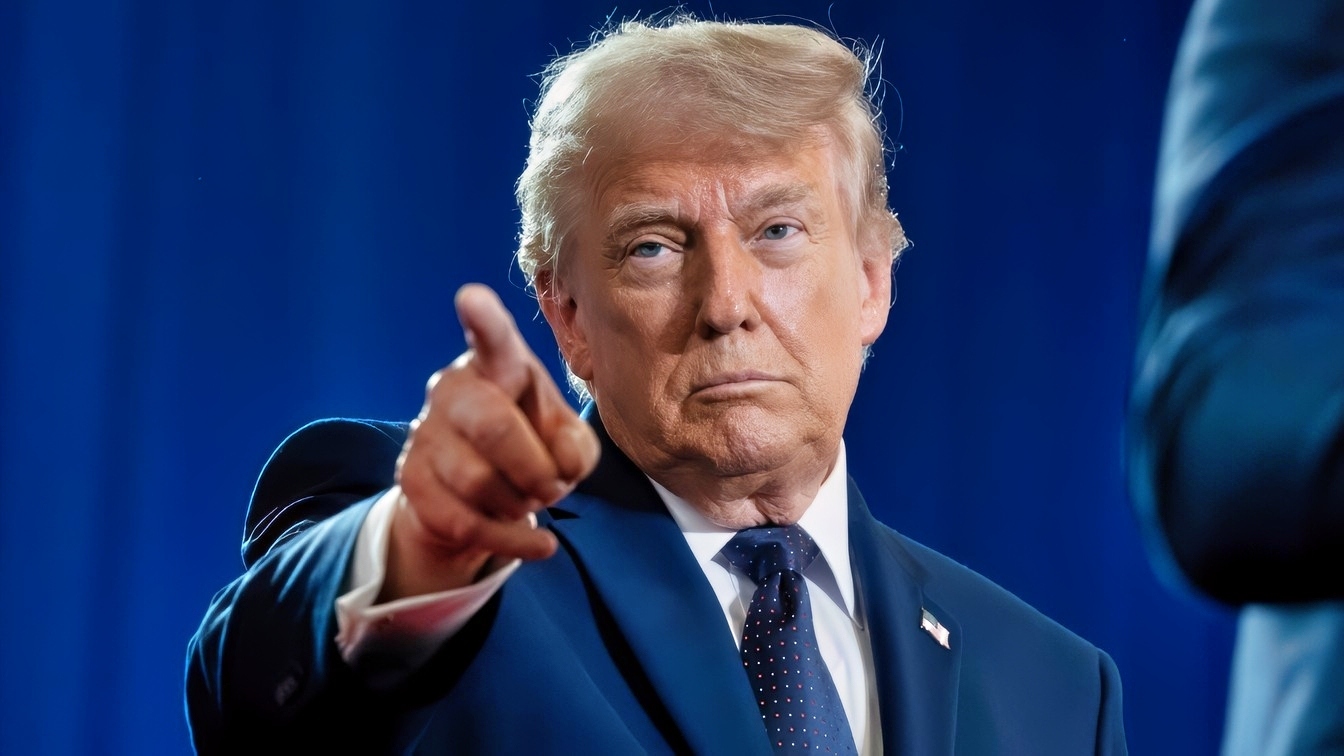
President Donald J. Trump delivers remarks on the economy at Rockland Community College in Suffern, New York on Friday, May 22, 2026.(Official White House Photo by Joyce N. Boghosian)
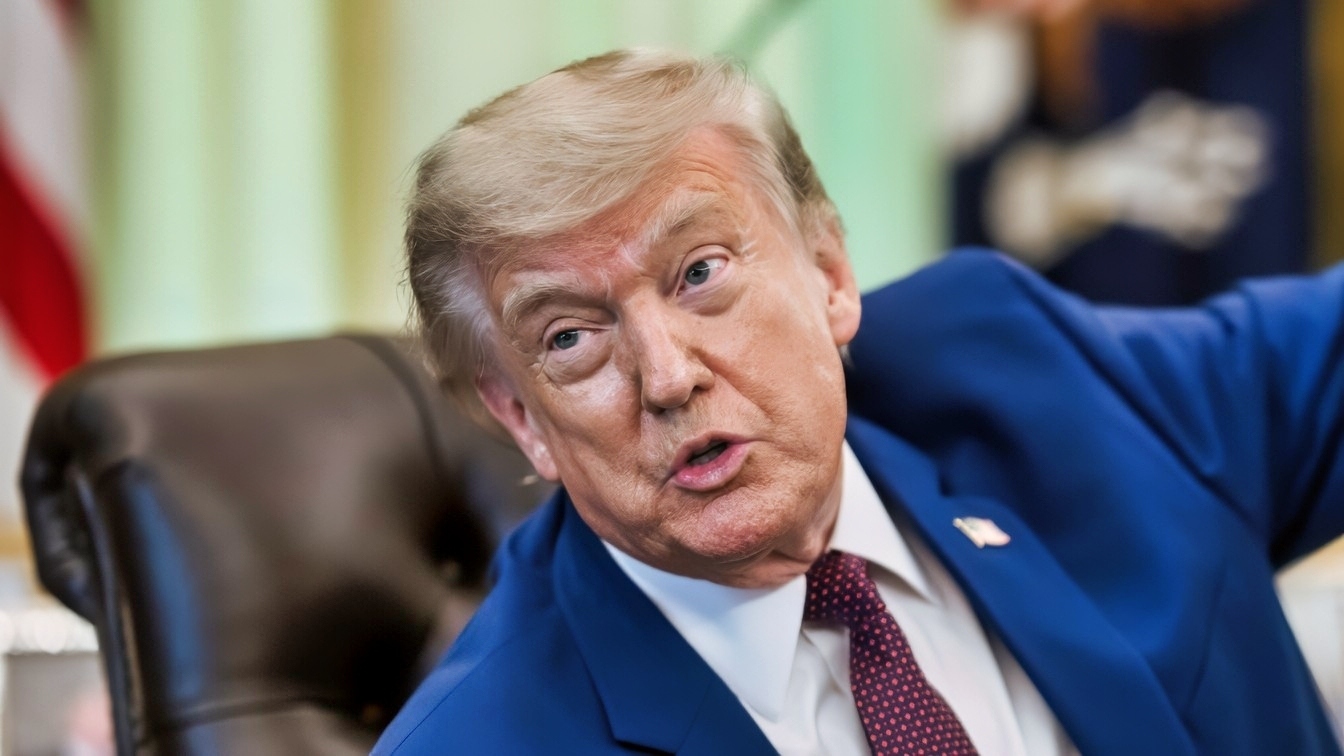
President Donald J. Trump signs Executive Orders in the Oval Office, Wednesday, June 3, 2026. (Official White House Photo by Molly Riley)
At the same time, Qatar pursued indirect diplomacy on the sidelines of the General Assembly, though it did not result in any diplomatic breakthrough. Reports at the time said Iran had offered, through Qatar, a version of the Memorandum of Understanding that would lead to a seven-day ceasefire and a reopening of the Strait of Hormuz after that period, with the lifting of sanctions on Iran, the lifting of the U.S. blockade, and other concessions.
Discussions on the status of Iran’s nuclear programs would follow.
However, Trump over the weekend rejected the offer, stating that Iran had only made the offer because “they’re losing so badly.”
Days earlier, in his own General Assembly speech, the U.S. president had openly mused over whether to “annihilate” Iran, as opposed to returning to peace talks.
The U.S. strategy seems to involve continuing pressure on Iran and ultimately convincing it to accept a settlement more favorable to the U.S.
Araghchi’s View
Iranian Foreign Minister Abbas Araghchi was also part of the delegation in the United States, and on Sunday, he appeared on NBC’s Meet the Press, which is also rare for a top Iranian government official.
In the appearance, Araghchi said Iran is prepared to return to full-on war but has not yet fully abandoned diplomacy. It is, the foreign minister told Meet the Press, President Donald Trump’s choice which path to pursue.
Araghchi said in the interview that while Trump has publicly rejected the diplomatic overture, that rejection has not been officially communicated through the mediators.
Also appearing on the NBC show was U.S. Ambassador to the United Nations Mike Waltz, who represented the Trump Administration’s position that they were rejecting the peace proposal for “a number of reasons,” including an unwillingness to allow Iran access to billions of dollars in frozen funds.
Waltz also questioned whether the president and foreign minister were really “calling the shots” in Iran, as opposed to Iran’s Islamic Revolutionary Guards.
The foreign minister also said in the NBC interview that he does not care about the timing of the midterm elections in the United States, which are now just over a month away. But it’s clear that Trump does care about that timing, even stating in the General Assembly speech that he was eyeing a deal after the November vote, and that Iran was “waiting to see how I do in the midterm election.”
Trump’s Threat
According to a Wall Street Journal story published over the weekend, Trump made it clear he rejected Iran’s proposal from last week. In addition, aides told the newspaper that the president hinted at more bombing of Iran to come after the midterm elections.
The Journal reported that Trump is skeptical about whether his demands would be met in negotiations. And while he did not say it on the record, the newspaper said that Trump has told aides that he expects to resume bombings after the midterm elections, although officials made it clear that the president is not interested in returning to “major combat operations,” in part due to concerns over dwindling munitions stockpiles.
Officials, however, told the Journal that Trump’s views on Iran could shift, as they have throughout the year, and things could change after the midterm elections.
The newspaper account described the current state of the conflict as a “liminal space between war and peace,” as there have been few strikes lately, but many outstanding issues remain, from the status of the Strait of Hormuz to U.S. sanctions on Iran.
If Republicans have a bad night in the midterm elections in November, Iran may be a big reason why, as an NBC News Decision Desk Poll recently found that just 31 percent of respondents approve of the president’s handling of the Iran War.
About the Author: Stephen Silver
Stephen Silver is an award-winning journalist, essayist, and film critic, and contributor to the Philadelphia Inquirer, the Jewish Telegraphic Agency, Broad Street Review, and Splice Today. The co-founder of the Philadelphia Film Critics Circle, Stephen lives in suburban Philadelphia with his wife and two sons. For over a decade, Stephen has authored thousands of articles that focus on politics, national security, technology, and the economy. Follow him on X (formerly Twitter) at @StephenSilver, and subscribe to his Substack newsletter.


