


Democrats are taking over Congress, with big majorities in both houses, in January, and are already planning numerous investigations into various aspects of the Trump Administration. And even before the new Congress is seated, the Administration is finding various ways to push back.
One Trump-aligned U.S. attorney has written letters to incoming committee chairpersons, warning them they could be committing crimes if they pursue such investigations.
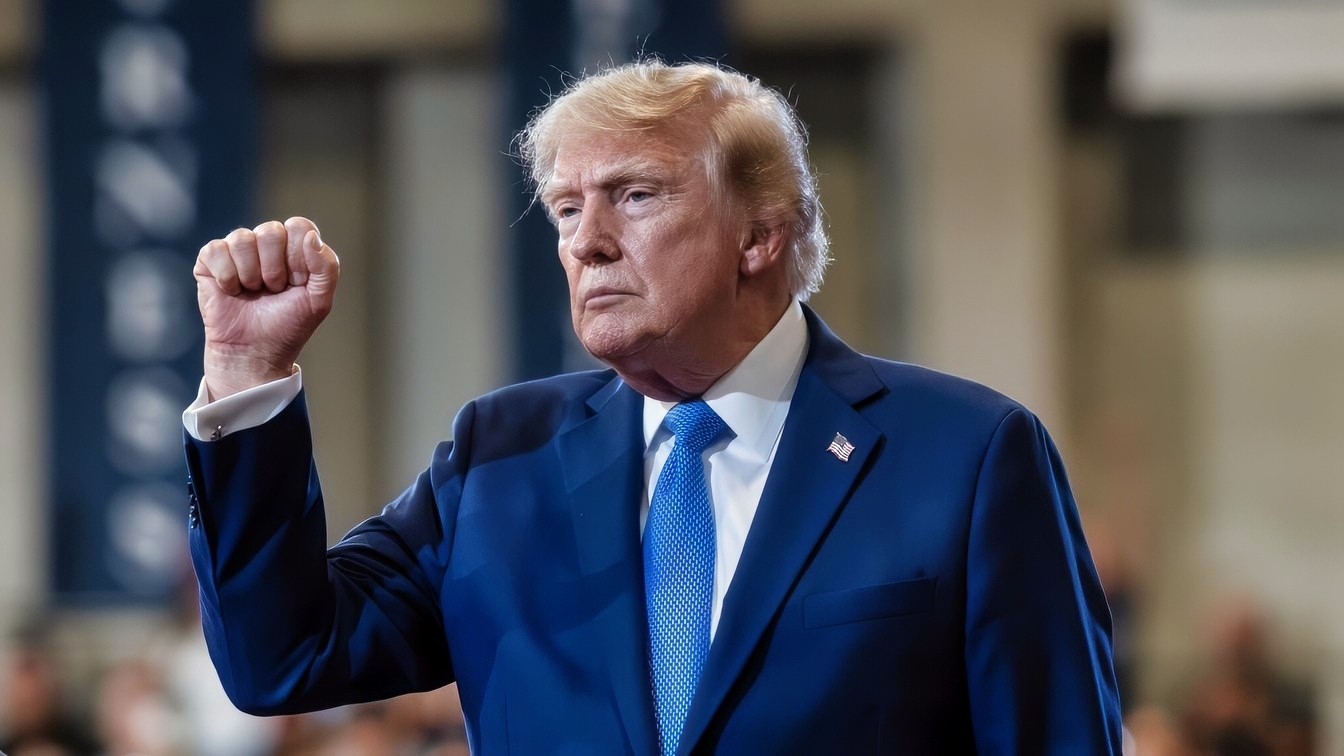
President Donald J. Trump delivers remarks at the David S. Mack Center for Training and Intelligence in Garden City, New York, Friday, August 14, 2026. (Official White House Photo by Molly Riley)
Now, the Trump Administration is taking another action to make things harder for those investigating them.
Last week, Trump signed an executive order called “Protecting the Executive’s Privileges and Enhancing Efficiencies in Federal Contracting.”
According to The Hill, the order would require government contractors to “alert the White House and get its blessing before complying with any investigative demands.” They are also required to “abide by any instructions received from the White House and contracting agency related to the withholding of communications that the White House or the agency has determined are protected by executive privilege,” according to the text of the order.
The “enforcement” section of the order, meanwhile, lays out consequences for noncompliance, including “potential termination or cancellation of contracts and the potential debarment or suspension of contractors.”
Contractors have been involved in many activities the new Congress could investigate, including the White House ballroom, the Kennedy Center, the Reflecting Pool, various military matters, and actions related to immigration policy.
What Are the Consequences?
Rep. Dan Goldman (D-NY), in social media posts cited by The Hill, called the order “comical,” but warned that the rules could chill those companies’ activities.
“There is no reasonable reading of executive privilege that would include comms between agencies and federal contractors,” Goldman said on X. “But the WH knows that third-party businesses will cooperate with a congressional subpoena for materials that the WH does not want to be disclosed.”
Goldman added that there was no way to enforce the order legally, but any fights over it would likely drag out in court.
“The extent of obstruction and stonewalling that the WH is foreshadowing is almost unimaginable,” Goldman added. “An obvious violation of the most fundamental principles of separation of powers.”
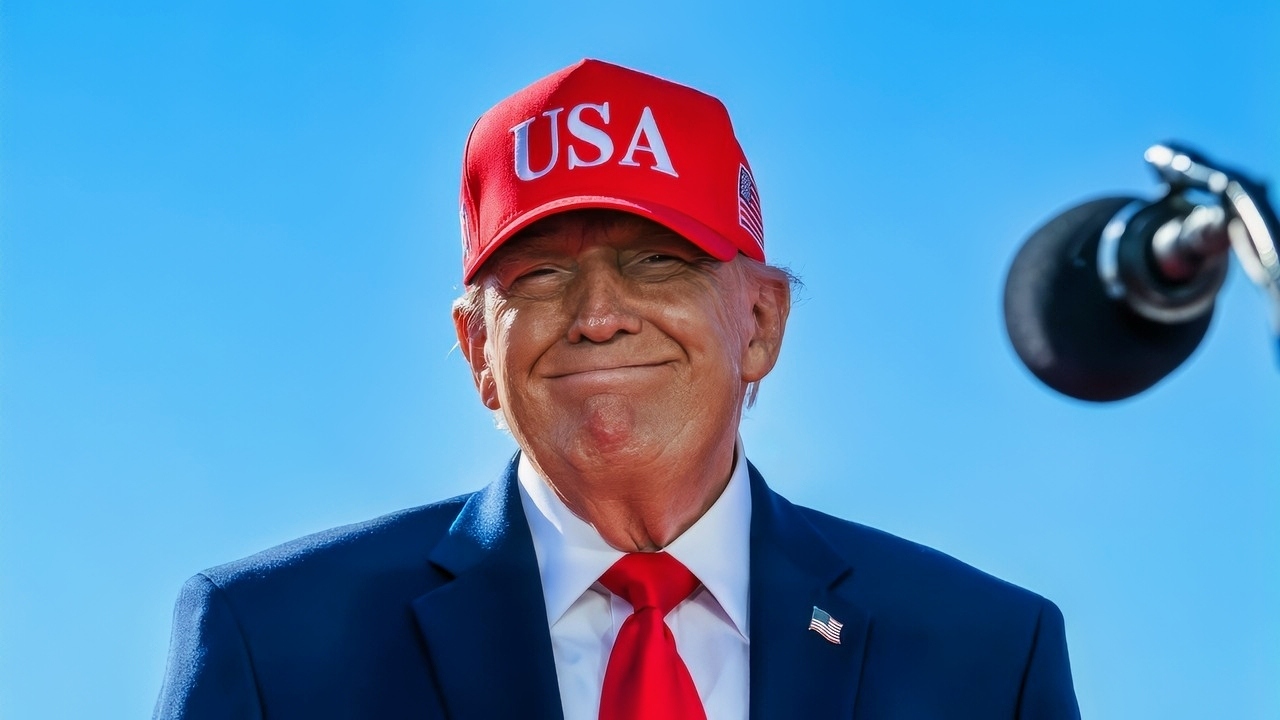
President Donald J. Trump delivers remarks on defense manufacturing investments by Anduril Industries to build a submarine and autonomous vessel shipyard at Sparrows Point, Baltimore, Maryland, Tuesday, October 6, 2026. (Official White House Photo by Daniel Torok)
Joyce Vance, a former U.S. attorney from the Obama era, wrote in a Substack post about what Trump is doing with the order, accusing the Administration of placing the “full weight of economic blackmail behind its plan for keeping Congress in the dark about what it’s been up to.” She also called the order illegal and said it was almost certain to face court challenges.
“An Affront”
In an op-ed for Government Executive, published on Monday, Jessica Tillipman, an associate dean at George Washington University Law School, called the order “an affront to Congress’ oversight authority.”
The order follows an election in which, per one poll, 7 in 10 voters said Congress wasn’t doing enough to check the president.
“When Congress asks a contractor about its dealings with the executive branch, this EO requires that the very branch under investigation be notified and coordinate the response—even if the request seeks nothing privileged,” Tillipman writes.
The law professor also writes that the order raises significant First Amendment concerns. The Administration, the professor argues, is “on weak legal footing when a contractor gives Congress nonprivileged information about potential misconduct in public spending.”
“Flood the Zone”
The order, Tillipman argues, need not survive a legal challenge to serve its intended purpose. She sees it as part of a Trumpian “Flood the Zone” strategy that has served it well over the years: “Announcing legally vulnerable policies and implementing them as quickly as possible, while letting the lawsuits challenging those actions play out over the months and years that follow.”
She adds that, when given contrary instructions by the executive and legislative branches, contractors will likely do what the Administration says, because they would face the immediate threat of having their contracts terminated.
“The White House should not be able to use its contracting power to shield its own conduct from that scrutiny or punish companies that cooperate with Congress’s constitutional oversight,” Tillipman writes.
About the Author: Stephen Silver
Stephen Silver is an award-winning journalist, essayist, and film critic, and contributor to the Philadelphia Inquirer, the Jewish Telegraphic Agency, Broad Street Review, and Splice Today. The co-founder of the Philadelphia Film Critics Circle, Stephen lives in suburban Philadelphia with his wife and two sons. For over a decade, Stephen has written thousands of articles on politics, national security, technology, and the economy. Follow him on X (formerly Twitter) at @StephenSilver, and subscribe to his Substack newsletter.


