
As Al Jazeera explained, Ukrainian attacks subsided for a time after U.S. President Donald Trump, in mid-October, declared there would be an energy cease-fire.
But Ukraine’s attacks picked up again later that month. Putin is threatening retaliation after the strikes significantly affected Russia’s energy production. As shared in the Al Jazeera report:
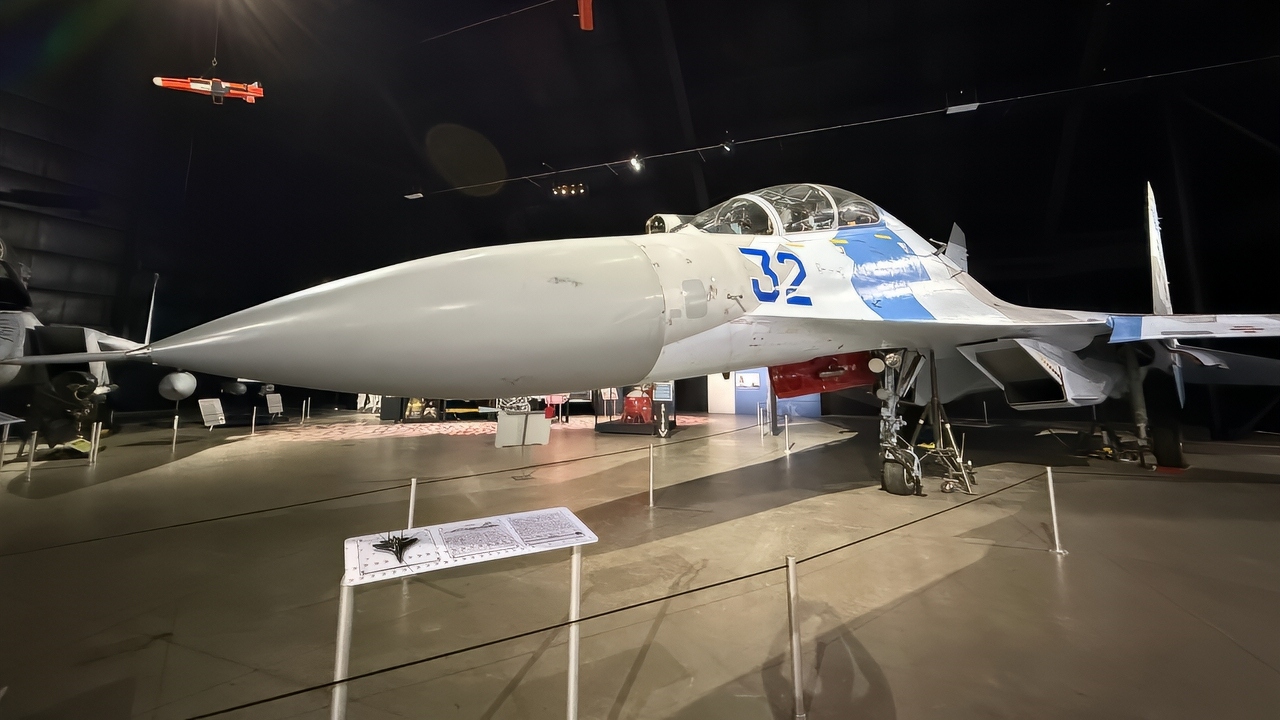
Su-27 Flanker Up Close. Image Credit: National Security Journal Taken on July 19, 2025.

Russian Su-27 Flanker from USAF Museum. Image Credit: National Security Journal.
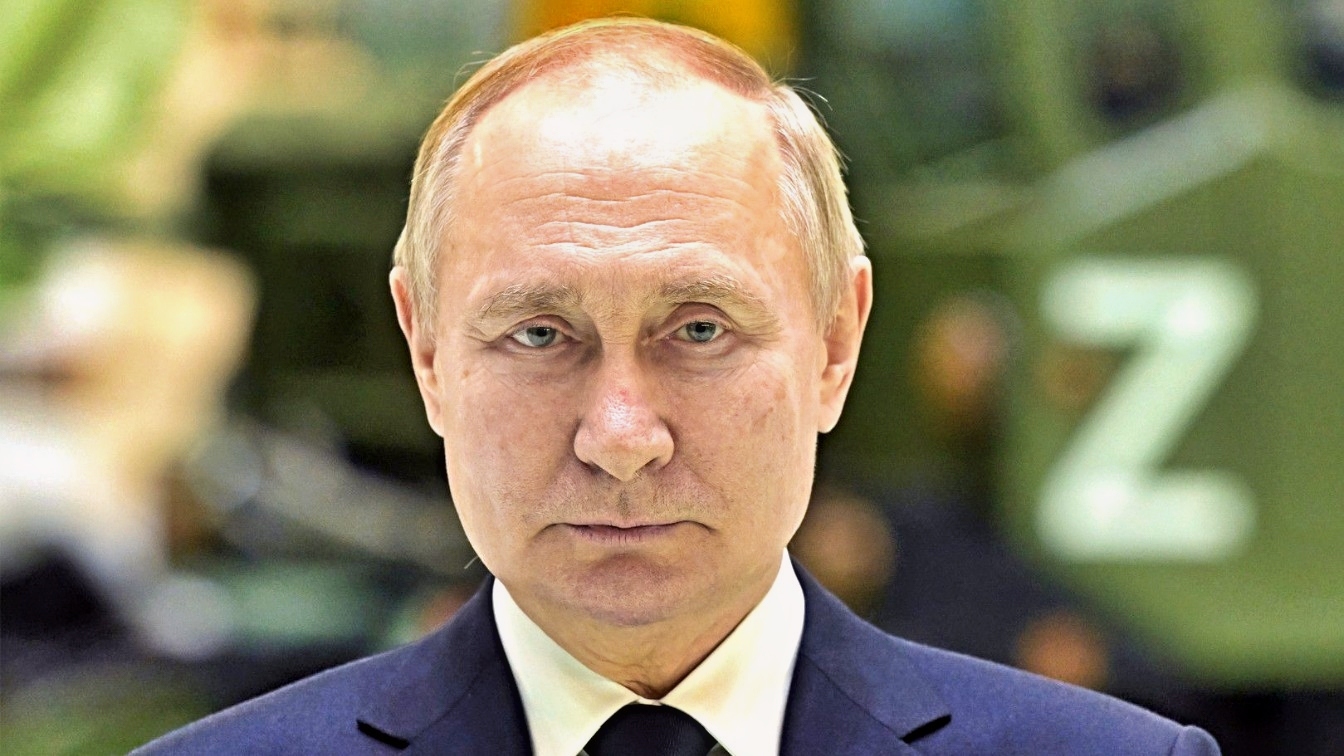
“We see that the Kyiv regime continues to attack our refining facilities, despite the US president’s appeal and direct request to refrain from such attacks. But the Kyiv authorities are ignoring this advice,” Putin told a meeting of government officials and senior oil executives in the Kremlin.
“In this regard, I would like to stress that retaliatory measures on our part are inevitable.”
Ukraine’s renewed campaign against Russian energy facilities
The open-source intelligence account Special Kherson Cat noted that Ukraine on Oct. 30 intensified its campaign to target Russian energy facilities. In the weeks since, according to the account, Kyiv’s forces have launched 18 such attacks on 16 Russian oil refineries, hitting two of them twice.
According to the Odessa Journal, citing Reuters, Russia’s daily crude oil processing had fallen by approximately 45 percent since late October, from more than 700,000 tons to around 400,000 tons.
Ukraine was not taking action for no reason.
Ukrainian President Volodymyr Zelensky supported Trump’s call for a cease-fire at the outset, provided that both sides would respect it.
As the Atlantic Council’s Peter Dickinson explained, once it became clear that Russia was going to continue bombing Ukraine’s energy grid, there was no reason for Kyiv to hold back any more.
The Ukrainian strikes have been effective, according to Dickinson, who noted the return of fuel shortages that had affected some Russian regions in the summer and added:
“The intensity of Ukraine’s recent attacks reflects Kyiv’s growing long-range offensive capabilities.
When Putin first launched the full-scale invasion in 2022, Ukraine had only very basic long-range weapons systems and was unable to conduct meaningful strikes deep inside Russia.
Almost five years on, Ukrainian long-range drones are now able to hit high-value targets at distances of up to three thousand kilometers.”
Indeed, Putin is now calling for the building of more oil refineries in Siberia and Russia’s Far East after “Ukrainian drone strikes hit all major refineries in the European and central parts of the country, many of them multiple times,” the Kyiv Post reported Nov. 25.
The Post’s report added that “according to details leaked to the Financial Times (FT), the Kremlin has proposed a joint US-Russian oil-drilling venture off Sakhalin Island in Russia’s Far East during ongoing negotiations.”
A long winter ahead for Ukraine
Putin promised retaliation for the Ukrainian campaign, and with winter setting in, Ukrainians may be in for another season of hardship. Russia’s battlefield progress has stopped or even gone into reverse over the past year, despite terrible sacrifice of personnel.
But when thwarted on the field, Russia may always shoot into the stands, and Moscow has shown no qualms about hitting Ukrainian cities with missiles and drones.
The two sides at the very least completed talks in November for the first time in nearly a year.
But they remain deadlocked on the most important matters, namely, territorial control and Ukraine’s place in Europe’s future security architecture.
Meanwhile, the war’s effects continue to spread beyond Russia and Ukraine. Ukrainian drone strikes hit Russian vessels far from the Black Sea over the past weekend, leaving a Russian corvette partially underwater at a Libyan naval base and damaging a cargo ship in the Gulf of Finland.
Days earlier, Russian missiles landed in Poland during an allied exercise.
About the Author: Joel Weickgenant
Joel Weickgenant is a freelance journalist, writer, and editor who previously served as editor of RealClearWorld and, before that, worked as an editor at Stratfor. He edits on numerous topics from geopolitics to science. Joel is based in Florence, Italy.