
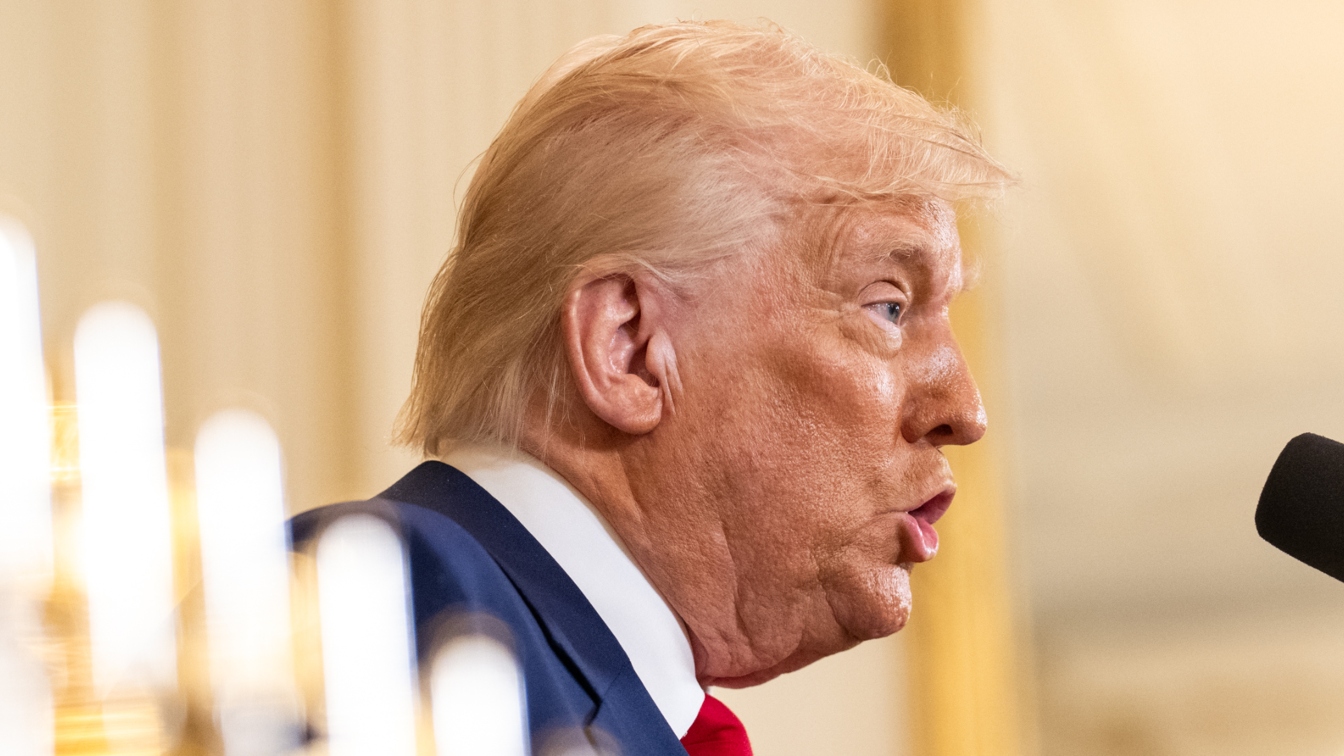
Six months after President Donald Trump launched a war he hoped would be over within “four to five weeks,” Washington is scrambling for ways to stop fighting Iran without conceding that the conflict ended without achieving the objectives laid out by the president when he addressed the American people and announced the war.
Trump has major political and economic incentives to find an off-ramp now, and they are becoming harder to ignore by the day.
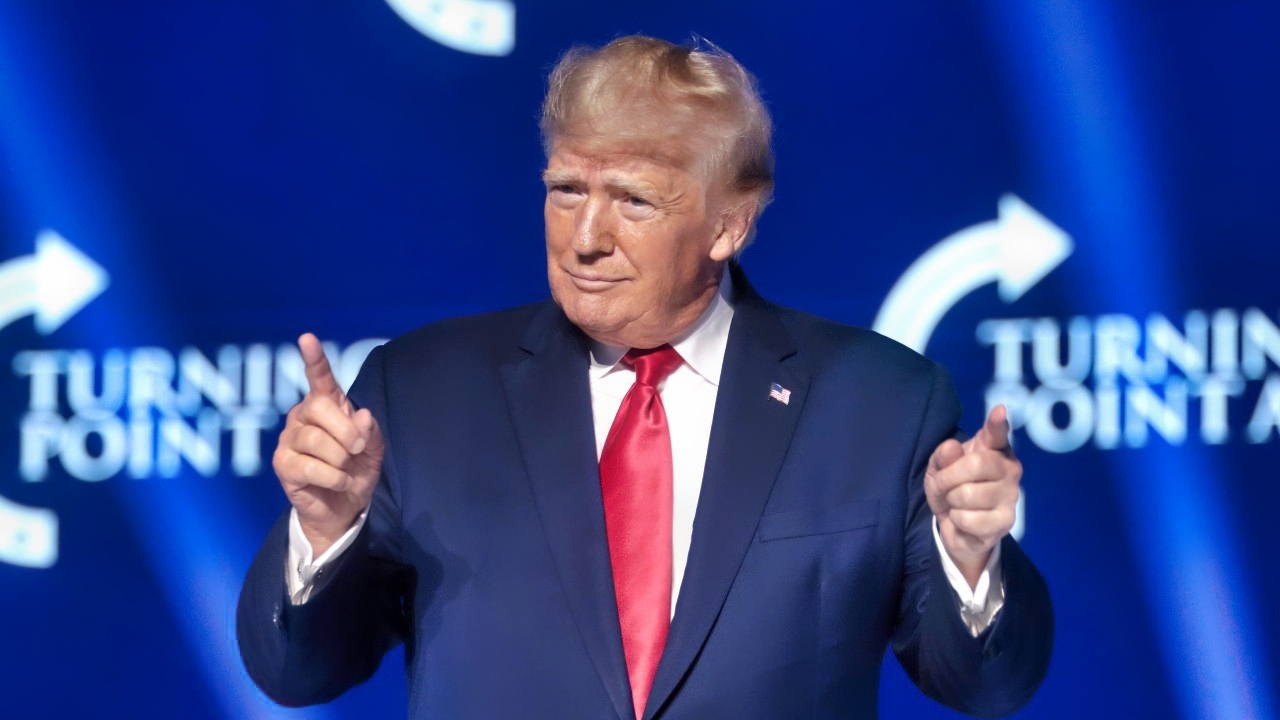
Donald Trump at Turning Points USA. Image by Gage Skidmore.
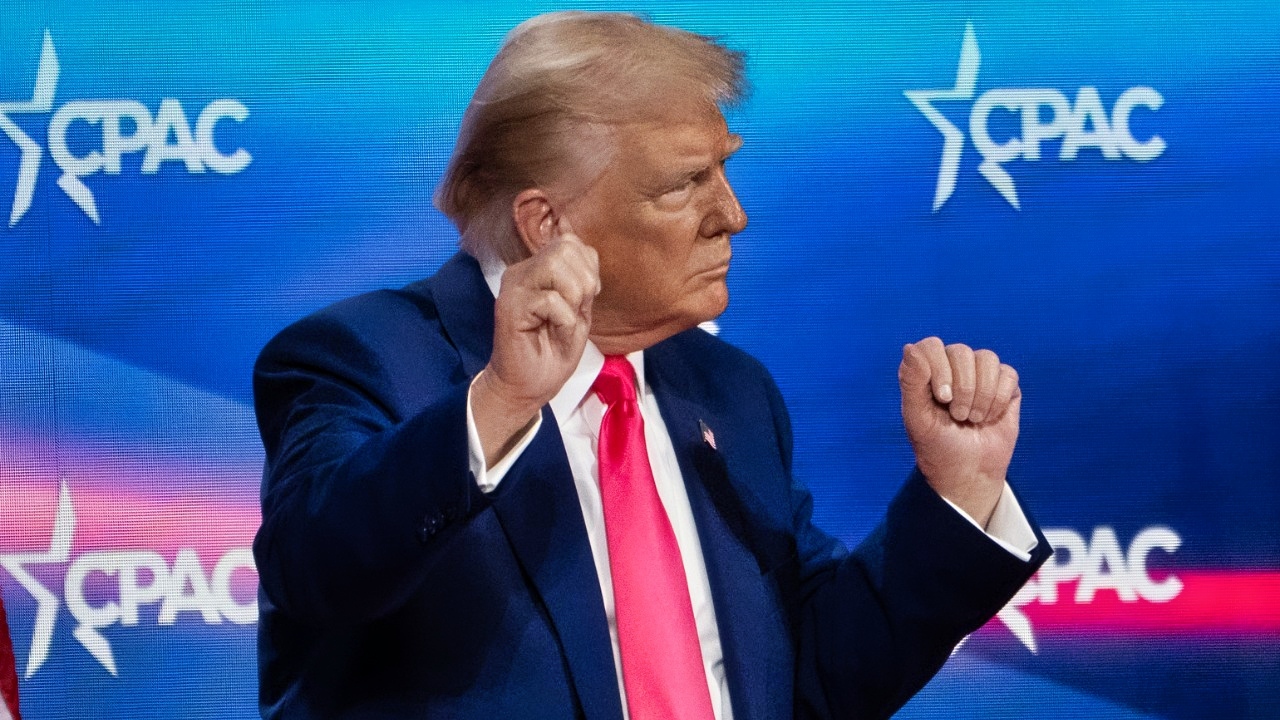
Trump Doing the Trump Dance. White House Image.
The war is straining the U.S. military, stretching its service members and resources to the limit, and contributing to higher energy prices and global economic uncertainty.
It is consuming billions of dollars and weighing on a president who was already going to struggle to maintain his party’s control over Congress in November.
Unsurprisingly, then, the president is said to be looking for ways out of the war, telling confidantes that he’d like to declare the conflict over and withdraw troops.
Simultaneously, Treasury Secretary Scott Bessent is using Operation Economic Outcast to keep the pressure on Iran without committing more military resources.
But there’s a problem: Iran doesn’t want to stop fighting, and withdrawing from the region will only enable the regime to push harder.
Trump Needs to End This War
Politically, this conflict has been a disaster for Trump. That’s not an assessment of whether the war was necessary, but of the facts.
Polls show Trump is losing support even among his most diehard supporters, as well as the independents and Republicans his party needs to maintain control of Congress.
A Reuters/Ipsos poll conducted August 21-24 found support for U.S. military action against Iran had fallen to 31%, down from 37% in March.
Even Republican support fell from 77% to 69%. Trump’s overall approval rating stood at 33%, matching the lowest Reuters/Ipsos recorded during either of his presidencies. Since then, the numbers have stayed particularly worrying.
Another Reuters/Ipsos poll released August 31 put Trump’s approval at 33%, while only 36% approved of the war.
Democrats were also substantially more enthusiastic heading into the November elections, with 46% of Democrat respondents describing themselves as highly motivated to vote, compared with 31% of Republican respondents.
And the conflict is compounding one of Trump’s biggest domestic vulnerabilities: prices.
The continued disruption of shipping through the Strait of Hormuz has limited Gulf energy exports and helped keep oil and gasoline prices elevated, raising transportation and goods-and-services costs across major economies.
Trump, therefore, has huge political reasons to end the war as soon as he can, even if the conflict with Iran isn’t actually over.
Washington Is Looking for an Exit
Behind the scenes, President Trump is reportedly weighing options to declare the war over.
The Wall Street Journal reported this week that Trump has privately discussed ending the conflict with senior advisers and has expressed a preference for bringing the war to a close as early as possible, even as the Pentagon prepares for the possibility of keeping American troops in the region well into 2027.
The military currently has around 50,000 personnel deployed in the Middle East with 19 warships.
On September 2, Reuters also reported that senior Trump aides are actively trying to keep the conflict “quiet” until after the midterms, with Vice President JD Vance and Secretary of State Marco Rubio said to be among those pushing to limit escalation.
Administration officials, the report says, are concerned that a major expansion of the war would not only continue to place extreme pressure on an already overextended military, but also further damage Republicans politically.
Washington may technically have the military power to keep fighting in Iran for now, but it doesn’t have the resources it needs to stay prepared for contingencies with Iran or China. And the world knows it.
Economic Pressure Could Give Trump His Way Out
President Trump may hope that Operation Economic Outcast gives him the way out he needs.
Treasury Secretary Scott Bessent described the offensive as the “endgame” of the war.
Since then, he has begun sanctioning financial institutions and entities that continue to do business with Tehran, warning that he will begin sanctioning major banks this week and continue into next week.
But that economic pressure can’t guarantee the president the clean exit he needs.
Tehran will still continue to attack U.S. interests, which demands an American presence in the region. Iranian hardliners even say that they are willing to fight the U.S. for generations, even in the face of sanctions.
And as long as Iran can threaten shipping through Hormuz, withdrawing American forces risks handing Tehran back its most powerful leverage – which would demand a response from the United States and other major global economic players.
Operation Economic Outcast may allow Trump to declare the war over, but Iran won’t allow the fighting to end.
About the Author: Jack Buckby
Jack Buckby is a British researcher and analyst specializing in defense and national security, based in New York. His work focuses on military capability, procurement, and strategic competition, producing and editing analysis for policy and defense audiences. He brings extensive editorial experience, with a career output spanning over 1,000 articles at National Security Journal, and has previously authored books and papers on extremism and deradicalization.


