
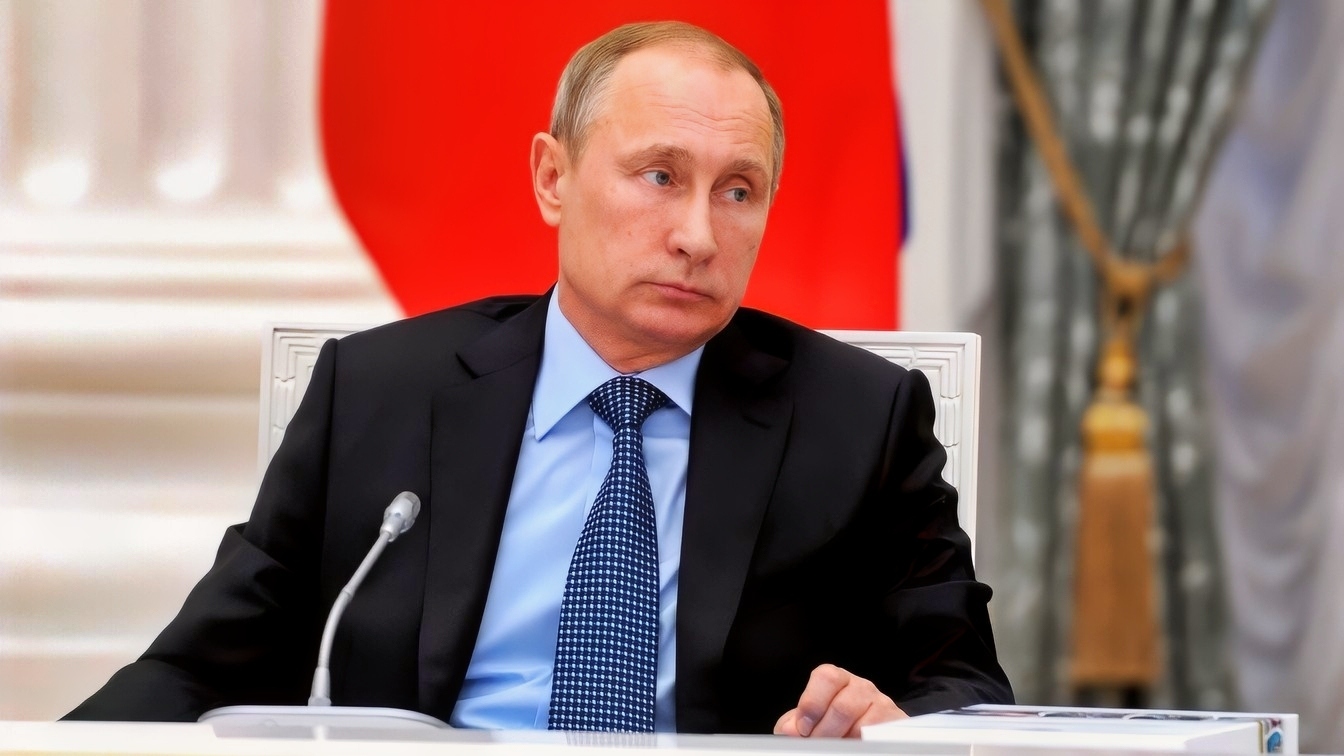
Putin’s Approval Rating Sees Big Weekly Fall: Russian President Vladimir Putin is feeling the pressure of Ukraine’s long-range strikes, having seen his steepest weekly decline in public approval since he launched the full-scale invasion of Ukraine in 2022. The shock news for the Russian leader comes from polling conducted by two state-linked survey groups, with analysts pointing to the worsening fuel crisis and poor economic conditions as the main drivers behind the drop in support.
The polling, published on Friday, July 17, showed that support for Putin fell dramatically over the past week as gasoline shortages and rising prices caused widespread concern domestically. The figures come as Ukraine continues its sustained campaign of long-range drone and missile strikes – what Zelenskyy calls “long-range sanctions” – against Russian oil refineries, fuel depots, ports, logistics infrastructure, and more. Kyiv is determined to increase the economic cost of the war for Moscow, and so far, it’s working – and now Putin is feeling the heat.
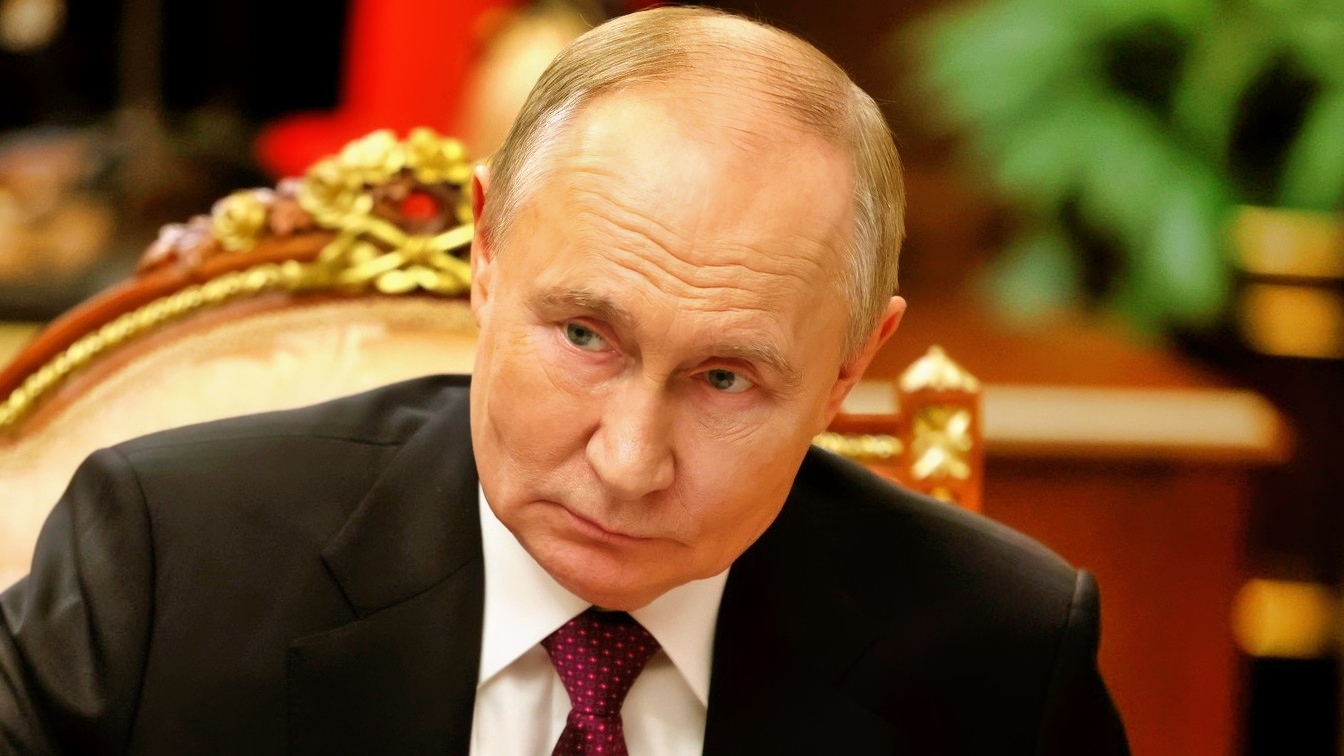
Putin in Meeting Creative Commons Photo
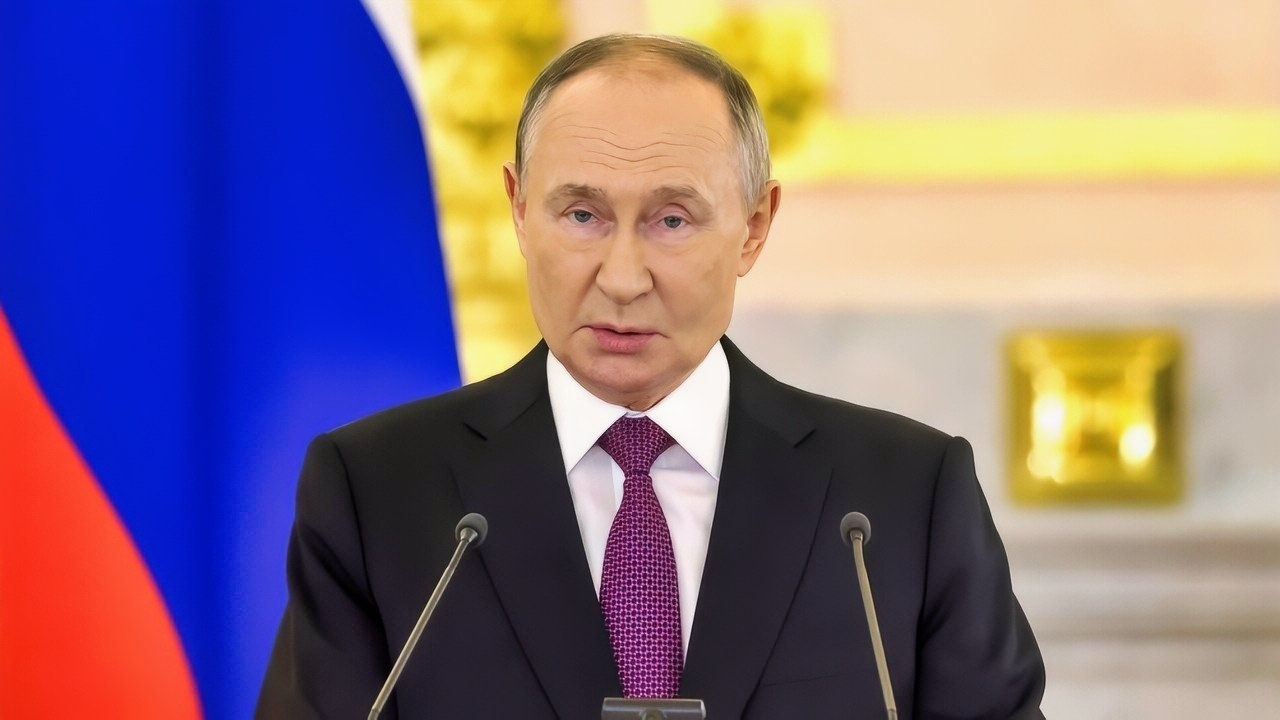
Kremlin Speech by Putin. Image Credit: Creative Commons.
Kremlin-Linked Polls Show Significant Decline
Russia’s Public Opinion Foundation (FOM), an organization that regularly conducts surveys for the Kremlin, noted the most significant drop in support. The poll, conducted between July 10 and July 12, found that 66% of respondents approved of Putin’s performance as president, down from 71% just one week earlier – a five percentage point decline that FOM has not recorded since September 2022, when a partial mobilization was announced.
Trust in Putin also fell from 69% to 67%, while the share of respondents who said they did not trust him rose to 20% – the highest level recorded since the beginning of the full-scale invasion.
The survey also showed weakening support for Russia’s government in general. Positive views of the government’s performance fell by four percentage points to 41%, with Prime Minister Mikhail Mishustin’s approval rating also declining by three points to 49%.
A separate weekly survey also seemed to mirror the results, meaning the Kremlin has no reason not to heed the warning.
State-owned Russian Public Opinion Research Center (VTsIOM) found support continuing to trend – though the numbers were somewhat less dramatic. VTsIOM reported Putin’s approval rating at 65.1%, down 0.9 percentage points over the previous week. The survey also found that trust in the president had slipped by 1.3 percentage points to 71%.
Fuel Shortages Driving Major Domestic Worry
The fuel crisis appears to be the primary factor driving the sudden downtick in support for the Russian president.
According to an analysis by independent russian outlet Agentstvo, respondents to the FOM survey identified gasoline shortages and rising fuel prices as the country’s most significant problem for the second consecutive week. Some 19% of those surveyed cited fuel shortages as their primary concern, compared to 18% who blamed the war in Ukraine and 14% who pointed to ongoing attacks on Russian territory.
Fuel shortages are now widespread across Russia, spreading in recent weeks as Ukrainian strikes target Russia’s top oil and fuel facilities – including the top 11 most critical oil refineries.
Several regions have implemented fuel rationing, while Crimea has banned the sale of fuel to civilians entirely. Motorists are also reporting waiting hours to refuel at gas stations, with some stations even running out of gasoline entirely.
Economic Confidence Is Eroding
Regular Russian citizens are not feeling confident in the national economy – and business data just proved it, too. On Tuesday, July 15, the Russian Central Bank published its latest Monitoring of Businesses survey, based on responses from thousands of companies across every major sector of the economy. The report painted one of the bleakest pictures of Russian business conditions in months. The survey found that the Business Climate Index (BCI) had plunged from 0.9 in June to -3.6 in July, its weakest reading since late 2022. Companies reported a sharp decline in new orders, weaker domestic demand, falling production volumes, worsening cash flow, and declining confidence about future sales. Manufacturers also reported increasing inventories as unsold goods accumulated, suggesting businesses are struggling to find buyers despite continued wartime government spending.
The central bank said that expectations for future output had also deteriorated across the board, affecting manufacturing, transport, retail trade, construction, agriculture, and more, while firms increasingly complained of rising production costs and a persistent labor shortage. Businesses are also reporting greater difficulty obtaining financing as Russia’s benchmark interest rate remains high.
For Putin, then, there is a lot to fix. Not only does he need to end the war in a way that doesn’t make the entire effort worthless, but he needs to take urgent action to mend the national economy. Without preventing the next round of Ukrainian strikes, it’s hard to see how the Kremlin can reasonably achieve this. With every day that goes by, more infrastructure and fuel sites are hit – and once the nation’s biggest refineries are rendered inoperable, Ukraine will continue the strikes on infrastructure at the ports.
About the Author: Jack Buckby
Jack Buckby is a British researcher and analyst specializing in defense and national security, based in New York. His work focuses on military capability, procurement, and strategic competition, producing and editing analysis for policy and defense audiences. He brings extensive editorial experience, with a career output spanning over 1,000 articles at 19FortyFive and National Security Journal, and has previously authored books and papers on extremism and deradicalization.


