

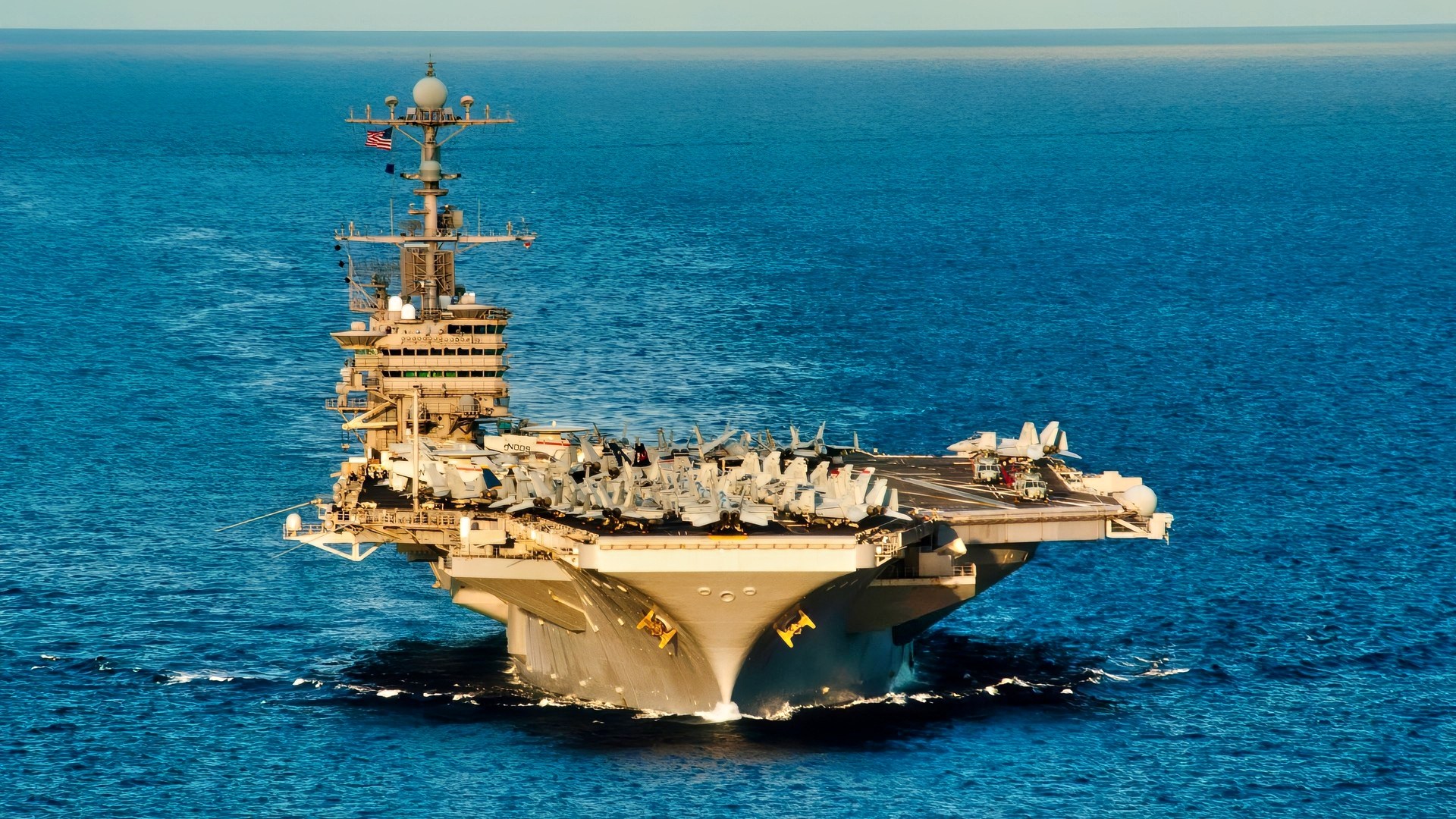
Iran has issued a dramatic deadline. It wants the U.S. to agree to its demands in the coming days, or risk continued chaos in the Strait of Hormuz.
Mohsen Rezaei, who was last month made secretary of Iran’s Supreme National Security Council, says the regime has “given the Americans four to five days to comply with Iran’s conditions.”
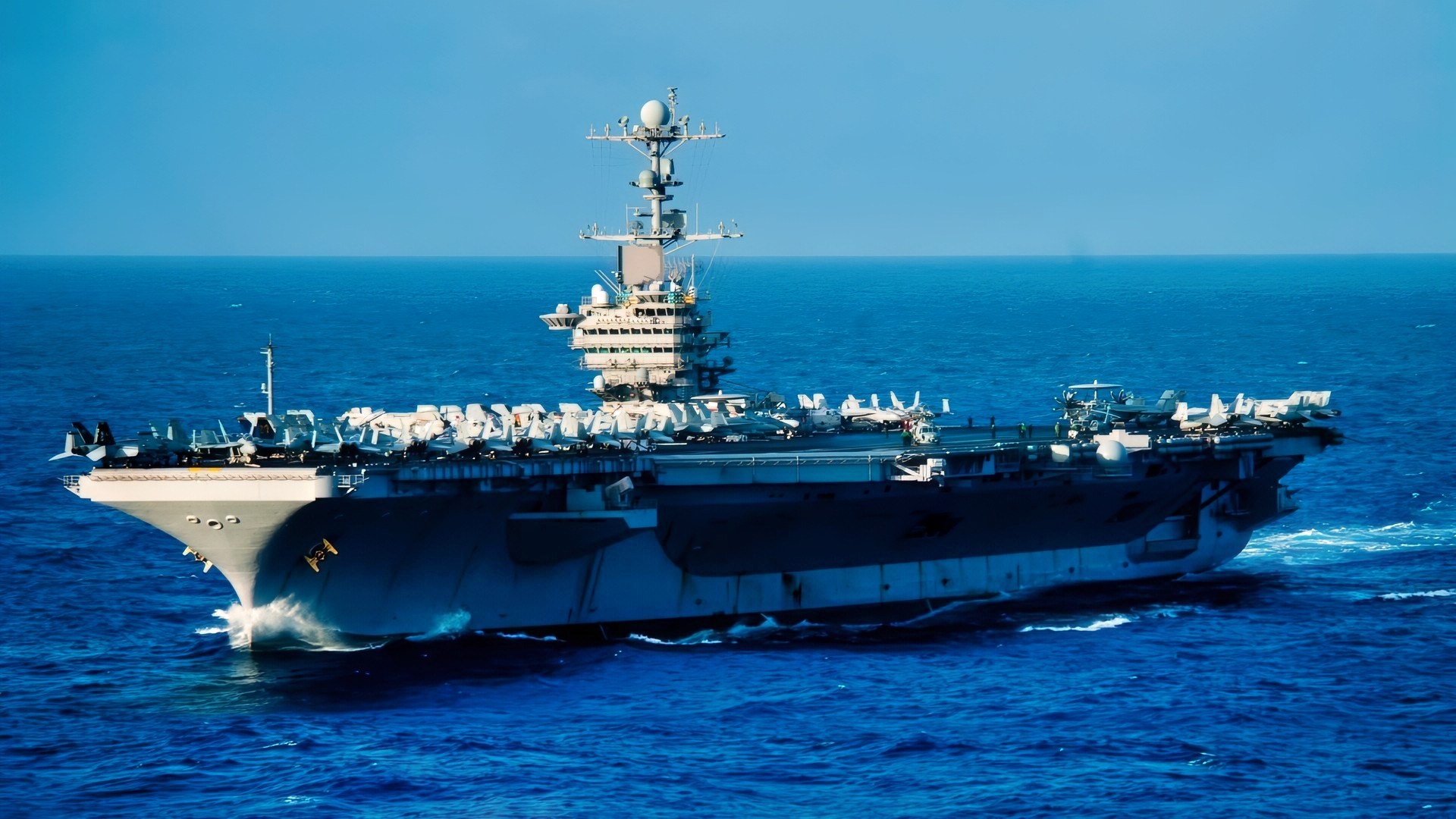
PACIFIC OCEAN (Feb. 9, 2012) The Nimitz-class aircraft carrier USS John C. Stennis (CVN 74) transits the Pacific Ocean. John C. Stennis is operating in the U.S. 7th Fleet area of responsibility while on a seven-month deployment. (U.S. Navy photo by Mass Communication Specialist 3rd Class Kenneth Abbate/Released)
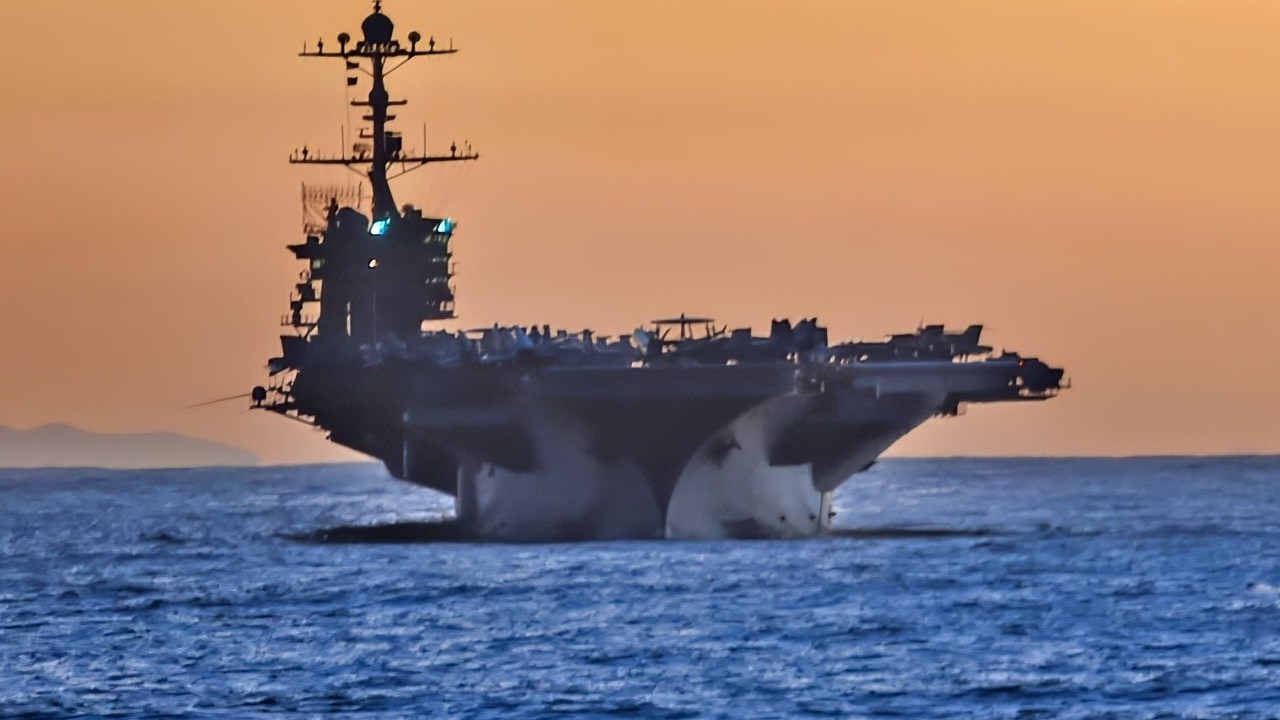
151111-N-KM939-021 PACIFIC OCEAN (Nov. 11, 2015) – USS John C. Stennis (CVN 74) travels behind the guided-missile destroyer USS Stockdale (DDG 106) during a Missile Exercise (MSLEX). Sailors from the John C. Stennis Strike Group are participating in a sustainment training exercise (SUSTEX) to prepare for future deployments. (U.S. Navy photo by Mass Communication Specialist 3rd Class David A. Cox/Released)
Rezaei remains subject to an Interpol Red Notice relating to his alleged involvement in a terror attack on a Jewish community center in Argentina in 1994.
At the United Nations General Assembly in New York City this week, Iran’s foreign minister Abbas Araghchi spoke about the potential deal.
He said that Tehran had informed the U.S. via private channels that: “If certain conditions are met, the Strait of Hormuz would be open on the end of the seventh day.” He said talks could begin again after that final day. His suggestions resemble the brief “memorandum of understanding” signed over the summer.
Iran also did not offer to reopen the strait unconditionally.
According to the Guardian, its conditions included lifting sanctions on Iranian oil, unfreezing some Iranian assets and ending hostilities in other areas, including Israel’s attacks on southern Lebanon.
Rezaei spoke of seven conditions, although Iran has not presented an official set of seven demands.
Meanwhile, a more flexible approach is being discussed behind the scenes, according to Reuters, which quoted unnamed U.S. and Western officials. In New York, American and Iranian negotiators were discussing a potential “phased” resolution to the crisis, rather than a comprehensive agreement. One Iranian official suggested that a possible approach would be for the United States “to end the blockade and reopen Hormuz.”
Unnamed Iranian officials also informed Reuters that the Islamic Republic could consider shifting the matter of tolls to separate talks, although it continues to stress that it would not wish to formally renounce its rights over the Hormuz.
A White House official told Reuters, noting that President Trump was “open to talking with Iran under the right circumstances,” but argued that sanctions and the blockade put the U.S. in a position of strength. Dennis Ross, a former negotiator for the U.S. with Iran, put it more bluntly, stating that the blockade was “strangling” Iran. “The blockade is what’s really squeezing the Iranians,” he stressed.
Meanwhile, Secretary of State Marco Rubio has kept the diplomatic door open. “We’re open to that,” Senator Rubio said on Tuesday when asked about meetings with Iran, noting, however, that the U.S. position was that “Iran can never have a nuclear weapon.”
President Trump was less nuanced when he spoke in New York this week about Iran at the United Nations General Assembly. “I have a big decision to make,” he said about Iran, adding separately that “I will never allow Iran to have a nuclear weapon.”
The squeeze is already being felt well beyond Iran’s skies and oil exports. Baghdad, Najaf, Erbil and Sulaimaniya airports have suspended Iranian flights, while the United Arab Emirates has banned Iranian airline flights following the latest round of American sanctions.
On Friday, Iran hit back with Mohammad Mokhber, an adviser to Iran’s supreme leader, warning that if other countries did not grant Iran permission for its flights, “no country in the region will have this possibility either.” Mokhber did not specify how Iran would enforce this policy.
In addition, on Thursday, President Masoud Pezeshkian told Fox News that Iran would consider diluting its already enriched uranium fuel and “submit ourselves to verification.” In his comments to NBC, he also called on Washington to return to the June memorandum before the midterm elections in November.
Not all Arab governments in the Persian Gulf region offer the same perspective on the conflict, however.
According to a new Wall Street Journal report, Saudi Arabia and the UAE are pressing the Trump administration to maintain the embargo and sanctions against Iran until a deal is reached.
Qatar and Oman, which have a far less adversarial relationship with Iran, are pressing for a phased approach that begins with opening the Strait of Hormuz and ending attacks.
Prior to the U.S. and Israel launching joint attacks on Iran in February, the Strait of Hormuz handled around one-fifth of global oil traffic. How and when that situation might be restored remains to be seen.
About the Author: Georgia Gilholy
Georgia Gilholy is a journalist based in the United Kingdom who has been published in Newsweek, The Times of Israel, and the Spectator. Gilholy writes about international politics, culture, and education. You can follow her on X: @llggeorgia.


