
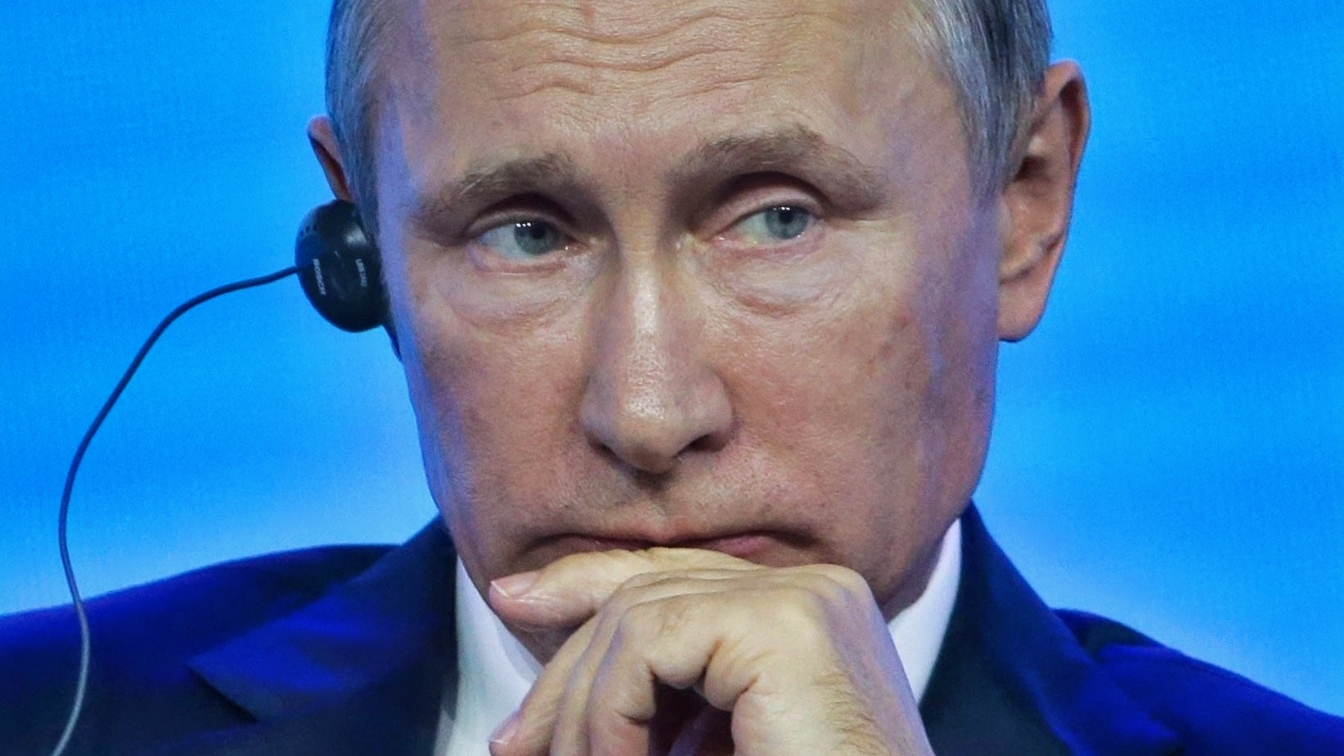
Russia Launches Massive Attack on Kyiv After Three-Day Pause – Russia launched fresh missile and drone strikes against Kyiv on Tuesday, September 8, killing five people and injuring dozens of others just hours after a temporary pause implemented for American peace negotiators came to an end.
The attacks followed visits by U.S. envoys Steve Witkoff and Jared Kushner to Moscow and Kyiv as the Trump administration made new efforts to restart negotiations and bring the war to an end.
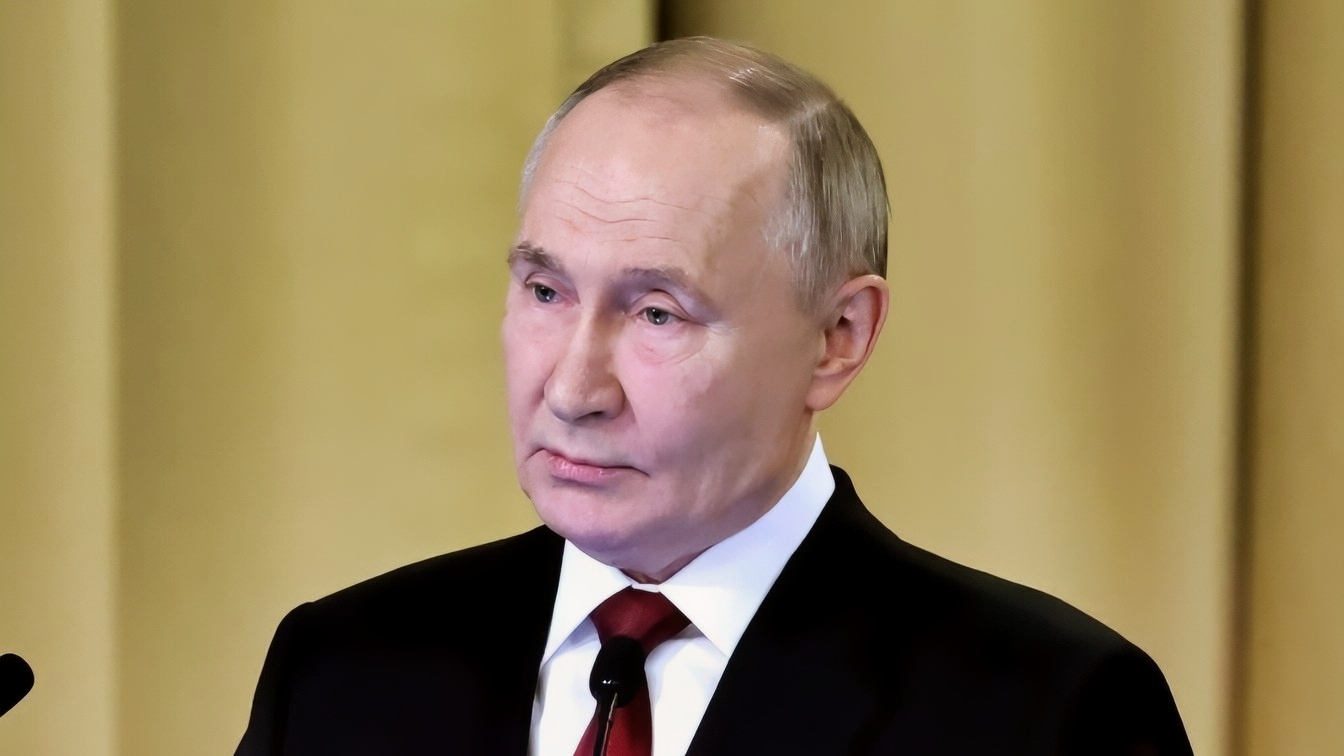
Putin in 2025 Government Meeting Creative Commons Photo
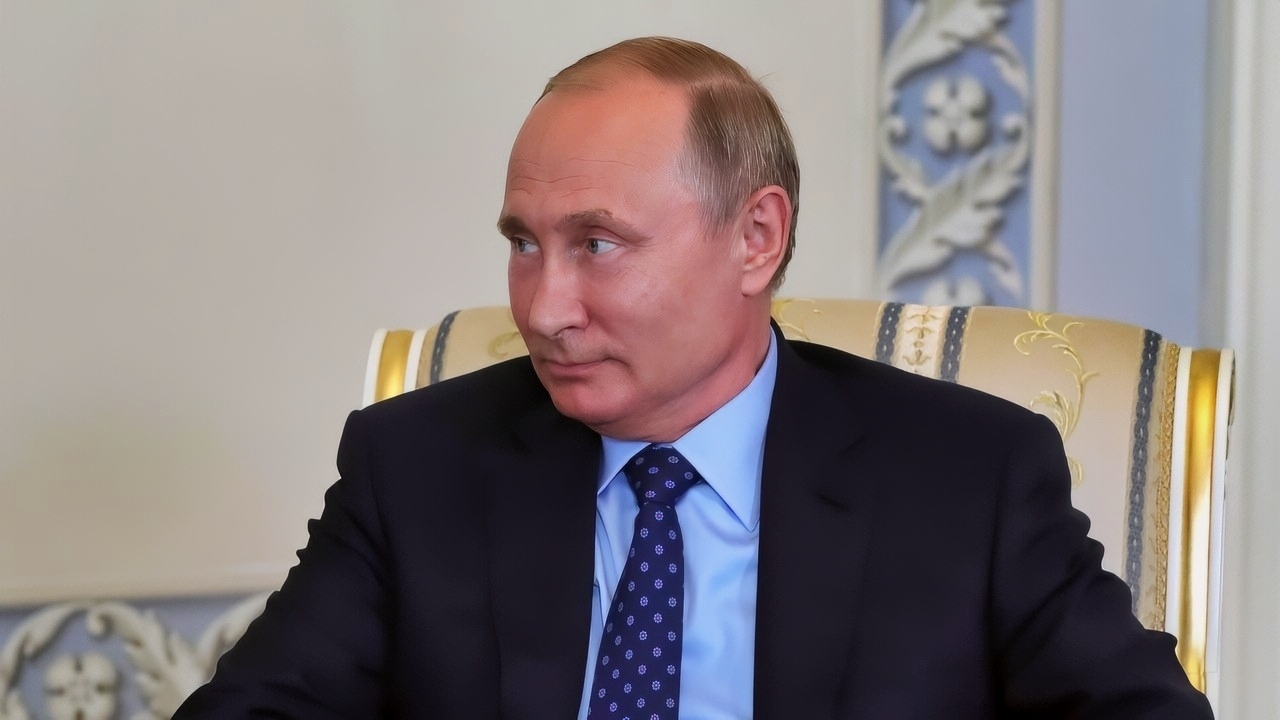
Putin May 2018 Meeting Creative Commons Photo
Kyiv Mayor Vitali Klitschko said five people were killed in the capital, including two people whose bodies were recovered following a strike on a warehouse. Close to 30 people were injured, while residential buildings, a school, a clinic, warehouses and other structures were damaged.
Russia Used Missiles and 166 Drones
Russia may have spent the recent temporary pause in long-range attacks preparing for the assault, with a substantial number of drones being launched at Ukrainian targets during the attack. According to the Ukrainian Air Force, Russia launched 166 drones in total, including its Shahed-type attack UAVs and a series of decoys designed to overwhelm Ukrainian defenses. Moscow also launched 32 Kh-101 cruise missiles along with an unspecified number of Oniks anti-ship missiles and Iskander-M, KN-23 and S-400 ballistic missiles.
It was an intense overnight strike.
Ukrainian forces say that they destroyed or suppressed 142 drones in total, and 31 of the 32 cruise missiles. Two ballistic or anti-ship missiles were also intercepted. Despite the high interception rate, something Ukrainian forces have struggled to achieve in recent weeks and months, many projectiles landed, with reports of successful strikes at 29 locations. Debris from intercepted weapons also fell at nine locations.
Kyiv and the Odesa region appear to have been the primary targets.
Kyiv Still Needs Interceptors
Ukraine is still struggling to intercept ballistic missiles owing to its ongoing shortage of Patriot missile interceptors. On Tuesday, September 8, President Volodymyr Zelensky said that Kyiv is continuing to push its Western allies for more interceptors. In a statement, Zelenskyy also confirmed that Germany was ready to provide more missiles.
“The second step taken today with our partners on air defense: Germany is ready to provide missiles for Patriots. Thank you! These are exactly the kinds of decisions that bring peace closer: when you reduce the aggressor’s ability to destroy lives. It is important that the protection of life has sufficient strength. Thank you to Germany for its principled stance, its support, and the thousands upon thousands of lives saved from Russian strikes!” Zelensky said.
Kyiv Hit In Multiple Districts
Damage was reported throughout the Ukrainian capital city, including in the Shevchenkivskyi, Holosiivskyi, Darnytskyi, Obolonskyi, Podilskyi, Solomianskyi and Dniprovskyi districts.
At least 14 apartment buildings were damaged by the strikes, along with a school, clinic, supermarket, gas station, offices, a number of warehouses and dozens of vehicles. The entrance to the Tarasa Shevchenka metro station was also reportedly damaged in the attacks.
Zelensky also described how a Ukrainian television station building was partially destroyed.
The president described the strikes as an assault on “the media and journalists.”
“Today, Russia struck the media and journalists. An attack drone hit the building of the We Are Ukraine TV channel, which is part of the United News telethon. It happened in broad daylight – while journalists were live on air. The building was partially destroyed. All necessary services are working at the site. State Emergency Service personnel have already extinguished the fire. As of now, five people have been reported injured. Unfortunately, that number may still rise,” the president wrote.
The strikes were not limited to Kyiv, however, with Russian attacks reported throughout a number of Ukrainian regions, where in Sumy, drones struck a passenger train. Around 90 passengers and crew members had already been evacuated after the train stopped as an air raid warning sounded. Another attack on a passenger train in Zaporizhzhia killed a railway worker, according to Ukrainian emergency services.
The Three-Day Pause Ends
The three-day pause in aerial strikes that preceded Tuesday’s assaults came about when Witkoff and Kushner were sent to Moscow to engage in direct talks with Russian President Vladimir Putin. The two U.S. envoys then traveled to Kyiv the following day.
Kremlin spokesman Dmitry Peskov told Russia’s TASS news agency that the Russian president had ordered forces not to strike Kyiv for three days beginning at midnight, with the ceasefire timed to ensure that strikes did not disrupt the American delegation’s visit.
Ukraine reciprocated, with President Zelensky saying on Saturday that, after speaking with the U.S. delegation, Ukraine would also refrain from striking Moscow through the end of Monday, September 7, and expected Russia to refrain from striking Kyiv.
The pause was not technically a ceasefire, however, but a temporary pause on long-range attacks against the two capital cities. Military operations and strikes continued elsewhere during that time.
About the Author: Jack Buckby
Jack Buckby is a British researcher and analyst specializing in defense and national security, based in New York. His work focuses on military capability, procurement, and strategic competition, producing and editing analysis for policy and defense audiences. He brings extensive editorial experience, with a career output spanning over 1,000 articles at 19FortyFive and National Security Journal, and has previously authored books and papers on extremism and deradicalization.


