

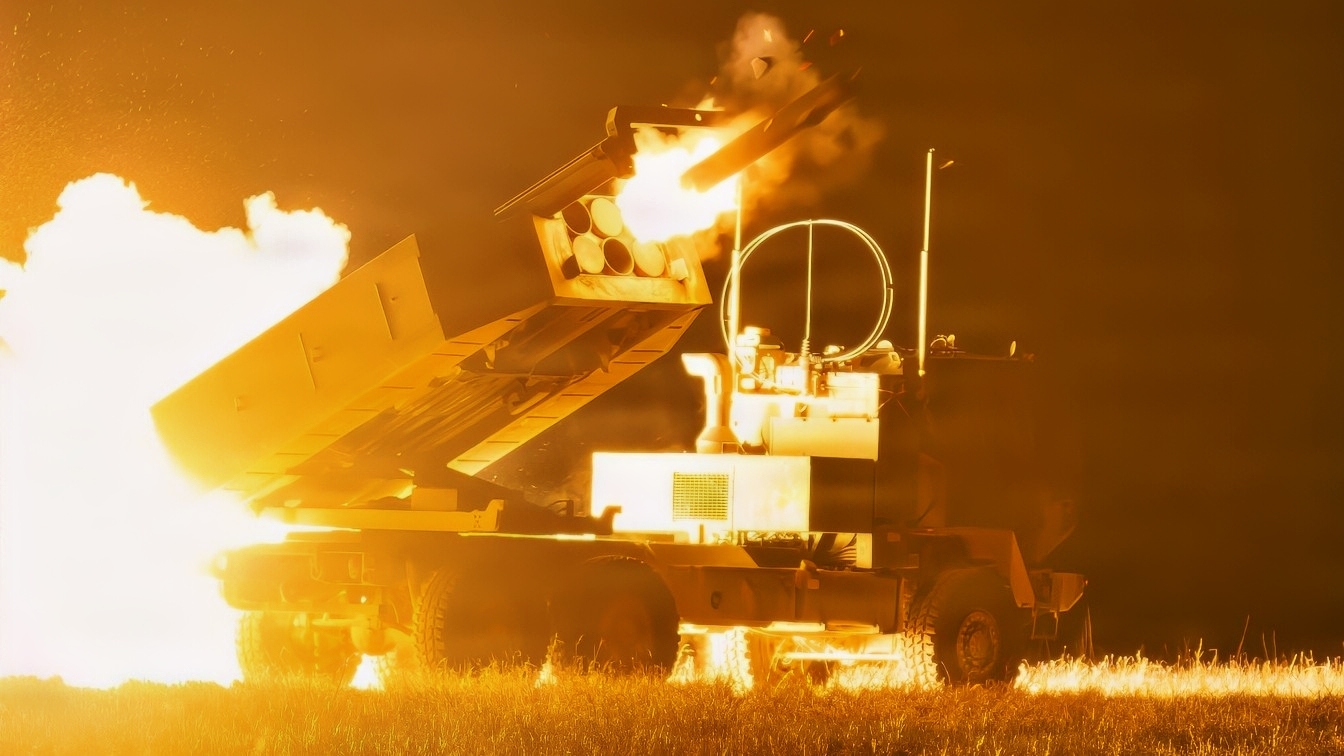
Iran has issued a major new threat as the United States prepares to hit the regime with an unprecedented wave of sanctions.
On Sunday, the Islamic Republic warned some 45 tankers in the Strait of Hormuz that it could detain, fine, or confiscate their cargoes, accusing the vessels of violating its rules in the Strait.
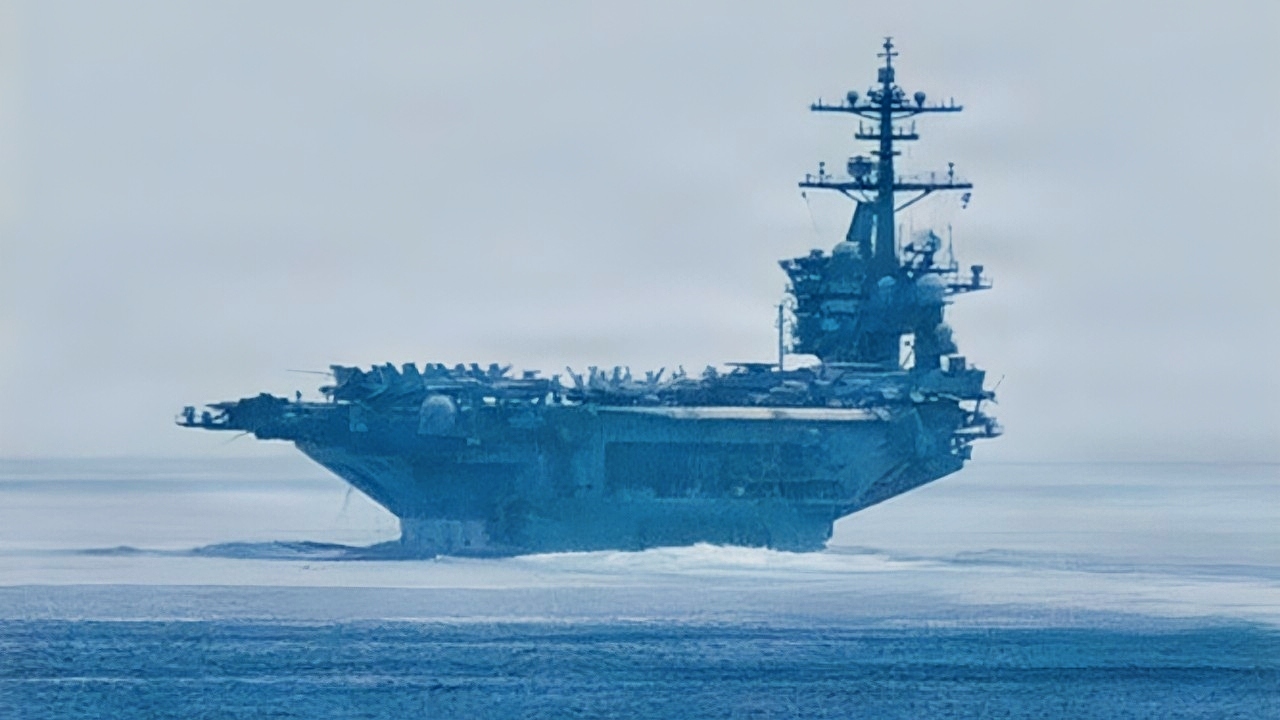
Nimitz-class aircraft carrier USS George Washington (CVN 73). Creative Commons Image.
Iran Issues Ship Blacklist
The newly founded Persian Gulf Strait Authority, a body run by the Iranian regime, published the list.
Crude oil carriers, liquefied natural gas, and liquefied petroleum gas tankers were on the list, along with ships transporting refined products like gasoline.
Iran has yet to specify the violations it accuses the vessels of, but has stressed that all shipowners need its approval before entering the strait.
Despite this, there is no sign that Iran has taken action against the vessels it has criticized.
Reuters cited Kpler data showing only four commodity vessels crossing the Strait of Hormuz on Sunday.
Overall, 89 vessels exited the strait and 103 entered last week, with traffic now close to 90% below pre-war traffic.
Blockade Remains in Place
Prior to the conflict, around 20% of global crude oil and liquefied natural gas moved through the waterway.
The U.S. naval blockade on Iran-related shipping remains in place, although it is allowing other tankers to move. According to U.S. Energy Secretary Chris Wright, the seven-day average of oil leaving Hormuz has now surged to more than 8 million barrels per day.
The Iranian economy is already in dire straits. Back in July, the country’s yearly inflation hit 66%. Food prices were 128% higher than at the same time last year.
Wider Sanctions to be Rolled Out
Washington has threatened to impose an “economic D-day”, via a raft of secondary sanctions. Such measures will likely impose harsh penalties on firms and countries that carry on doing business with Iran, such as cutting them off from dollar-based finance.
On Monday, U.S. Treasury Secretary Scott Bessent announced that Iran’s digital assets, technology, gold, aviation, and shipping sectors would be targeted in the plans.
China, Iran’s largest oil customer, is certainly under threat from new sanctions.
Iranian shipments to China fell to about 534,000 barrels per day in August, down from 823,000 in July, amid the reimposed U.S. blockade.
Last week, Beijing reacted furiously. Its Foreign Ministry spokesperson Lin Jian said China would protect its interests and rejected the use of sanctions.
Mohsen Rezaee, secretary of Iran’s Supreme National Security Council, said any cooperation with Washington’s planned sanctions would be regarded as an “act of war” and threatened to stop oil exports not only through Hormuz but from elsewhere in the Persian Gulf.
Houthis Hit Saudi Ship
Even if issues on the Hormuz somehow wind down, Iran’s proxies also have sway over other key shipping lanes.
On Monday, the Yemen-based Houthis, an Iranian-backed terror proxy, said that they attacked a tanker off the coast of Yanbu, Saudi Arabia’s main Red Sea oil port.
Bahri, the Saudi shipping company, said that one of its vessels was struck.
Yanbu’s importance has grown while Riyadh attempts to mitigate the impact of the Hormuz chaos.
Both Washington and Tehran have stressed that no direct talks are currently ongoing. However, Pakistan’s army chief, Asim Munir, touched down in Tehran on Monday following talks with Trump last week. Earlier this year, Pakistan served as an intermediary to help broach the now-expired ‘Memorandum of Understanding’ between the U.S. and Iran.
UAE Sever Tehran Trade Ties
Fresh economic pressure on Iran is already underway. The United Arab Emirates (UAE) said on Wednesday that it had halted all trade and financial transactions with Iran.
Prior to the war, the UAE was Iran’s biggest source of imports.
In 2024, some 30% of Iran’s imports came from the UAE, worth about $21 billion.
A recent report published by the Foundation for Defense of Democracies found that the blockade was likely costing Iran around $435 million a day.
About the Author: Georgia Gilholy
Georgia Gilholy is a journalist based in the United Kingdom who has been published in Newsweek, The Times of Israel, and the Spectator. Gilholy writes about international politics, culture, and education.


