
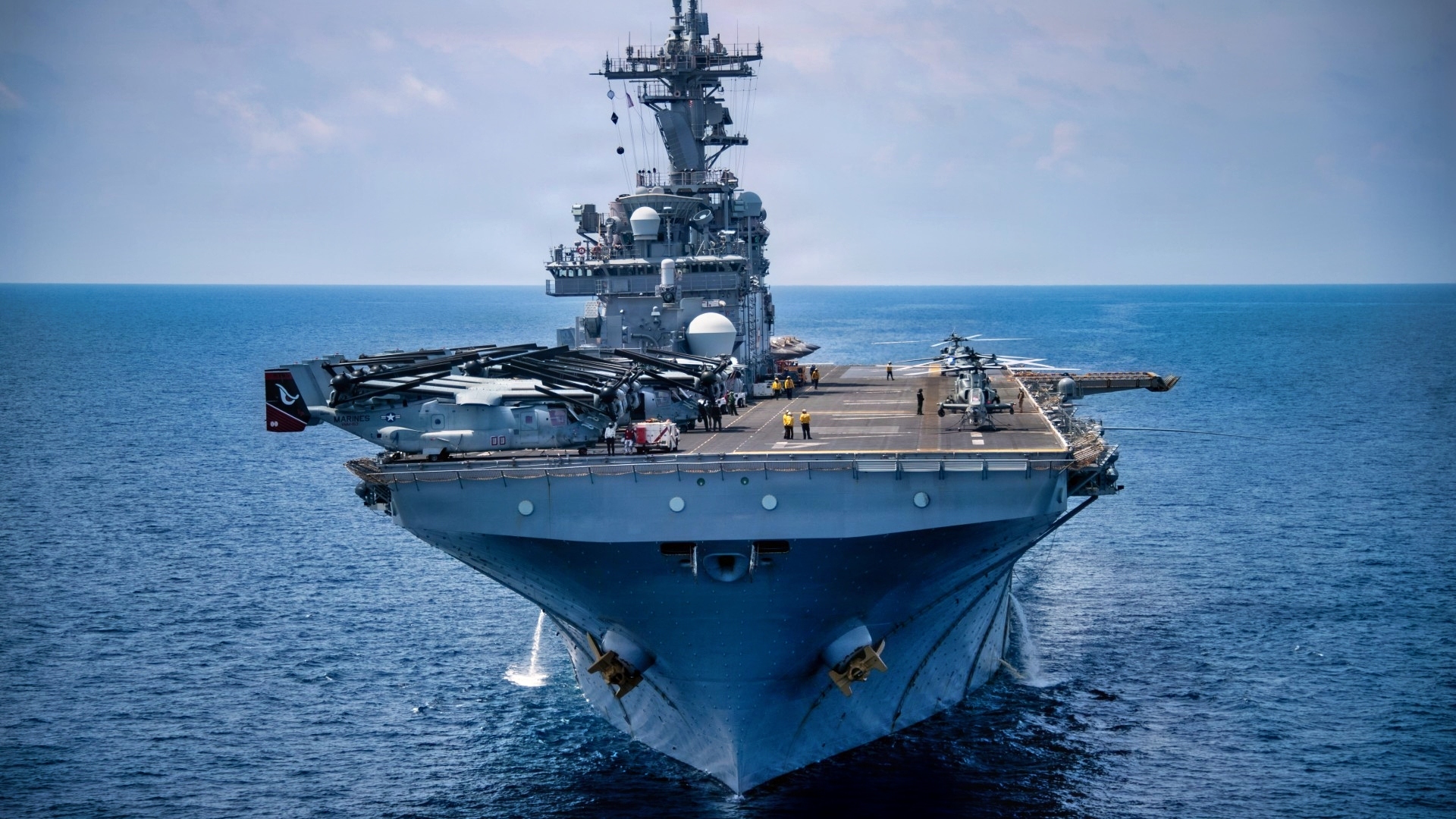
Trump Thinks He Can Wait Out Iran, But Iran Is Doing the Same – President Donald Trump, facing a missile crisis and the reality that Tehran doesn’t cave after weeks-long strike campaigns, appears to have settled on a new strategy for dealing with Iran: wait.
After months of military strikes, threats of further attacks, and even a naval blockade that is causing immense economic damage to Iran, Trump said on Sunday, August 9, that the United States is now “low-keying it” with Tehran. The president suggested that, rather than launching another major offensive, he would wait it out as Iran’s worsening economic situation will force the Islamic Republic to concede.
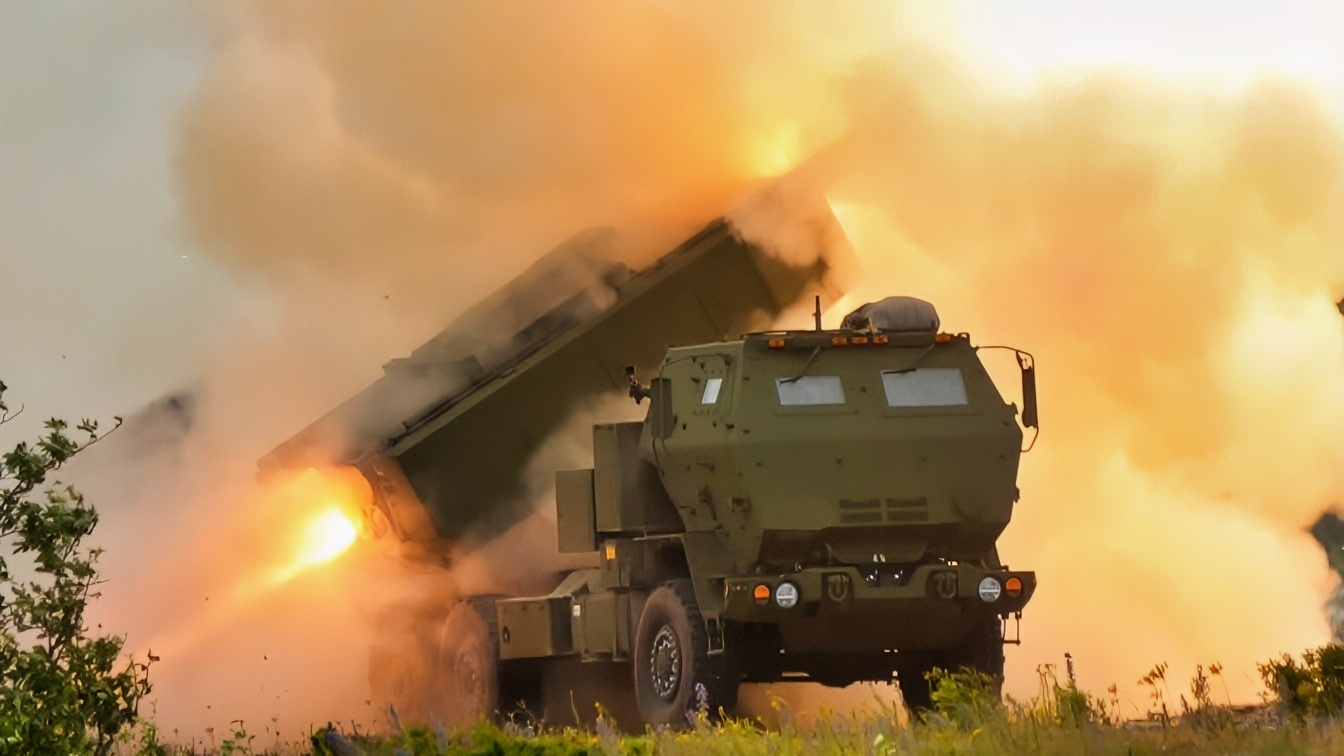
HIMARS Test US Military Creative Commons Photo
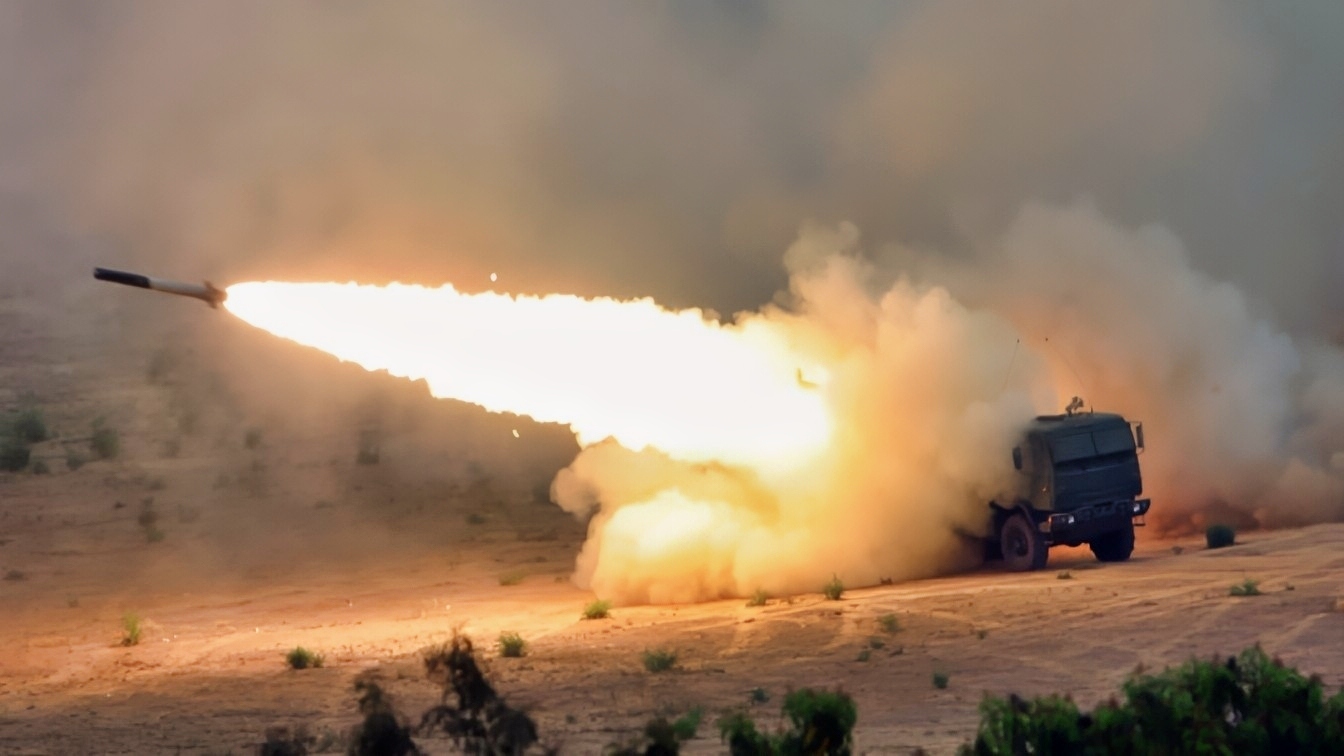
MFOR Rocket Creative Commons Photo
But Tehran has been playing the waiting game for months, and it knows Trump doesn’t have much time, either.
Throughout the conflict, Iran has prolonged negotiations or launched strikes on commercial vessels that complicate negotiations. It has maintained pressure on shipping through the Strait of Hormuz and pushed global energy markets closer to crisis, increasing the economic cost of continued confrontation. And now, Tehran is demanding major concessions to reopen the waterway, and even refusing to negotiate with President Trump at all and waiting until he leaves office.
Trump may believe that time is finally on his side. Iran, however, appears convinced that its own strategy of waiting is already working.
Iran’s Own Waiting Game
Since the Strait of Hormuz crisis began, Tehran has successfully prolonged negotiations by waiting several days to respond to communications from the United States, placing pressure on the waterway rather than treating talks as a path toward quickly restoring commercial traffic.
Iran knows that the Strait of Hormuz is its greatest leverage—and the regime has used it expertly.
When Hormuz traffic began to collapse early in the conflict, oil prices climbed, and inventories in major importing economies began to fall. A series of ceasefires and negotiations offered temporary increases in flow and hope that traffic would normalize, but Iran maintained its ability to disrupt shipping and repeatedly resisted returning to the pre-war status quo. That pressure gave Tehran something that military force could not: leverage over countries far beyond the Middle East.
Prolonged disruption in the Strait of Hormuz has caused major global economic impacts, affecting businesses, governments, and consumers. Iran knows the power it has, and that it did not necessarily need to defeat the United States military, but survive long enough to keep Hormuz restricted and make the war expensive for Washington.
In this regard, Iran has already won.
Trump Is Now Trying the Same Strategy – But He Doesn’t Have the Time
Trump is effectively attempting to reverse that calculation, but doing so five months after Iran has pushed the world to the brink of a total oil crisis.
“We are low keying it,” Trump told Axios on Sunday. “We are only semi-negotiating with them. We are just watching Iran with its huge inflation and the fact they have no money.”
Rather than immediately resuming major strikes – which the U.S. military, with its low missile stockpiles, cannot afford to do – Washington is keeping sanctions in place and maintaining its naval blockade in the hope that Iran’s economic problems continue to worsen.
The strategy assumes that Tehran will eventually decide that maintaining the confrontation costs more than making concessions.
But there are also signs that Washington’s objectives have changed, with the Wall Street Journal reporting on Sunday that Trump is privately floating the possibility of ending the war without obtaining the nuclear agreement he originally sought if Iran fully reopens Hormuz.
That would be significant, as it would represent a defeat for Washington under the president’s own previous definitions of success.
After months of Iranian resistance and disruption to one of the most important energy corridors in the world, simply reopening the Strait could give Trump the “victory” he needs to end the conflict without achieving his original objective.
Iran’s Strategy Has Already Worked
Iran has reason to believe that time is on its side, in part because its strategy of waiting it out and enduring U.S. strikes has already worked.
On Monday, the Islamic Revolutionary Guard Corps (IRGC) announced that several Iranian missiles can now change trajectory in flight to evade enemy air defenses, claiming that its newest upgrades mean the missiles can be redirected to a new target after launch. The claims are unverified, but the news is a worrying development.
Iran is now advertising improvements designed to make its missiles harder to intercept precisely when the United States is struggling to replenish the weapons needed to stop them.
Washington has expended large numbers of Patriot and THAAD interceptors and offensive weapons over the last five months, and replacing some of the inventories is expected to take years.
Trump therefore needs time, too. The difference, though, is that while Washington needs the pause to rebuild what it has already used, Tehran has already pushed the world to the brink of an oil crisis so bad that conceding to its demands seems likelier by the day – and now, it is upgrading its capabilities to make it harder to defeat when the U.S. is ready to begin strikes again.
About the Author: Jack Buckby
Jack Buckby is a British researcher and analyst specializing in defense and national security, based in New York. His work focuses on military capability, procurement, and strategic competition, producing and editing analysis for policy and defense audiences. He brings extensive editorial experience, with a career output spanning over 1,000 articles at 19FortyFive and National Security Journal, and has previously authored books and papers on extremism and deradicalization.


