

Pentagon Outsources Advice As Iran MOU 2.0 Lingers – With an Iran deal still seemingly distant, even as Washington insists a temporary arrangement in the Strait of Hormuz could be imminent, the Pentagon is now reportedly seeking new ways to pressure Tehran. According to a CNN report on Monday, August 3, a senior intelligence officer at U.S. Central Command (CENTCOM) circulated an internal email on July 29, asking military analysts to submit their thoughts on the conflict and propose new ways to pressure Iran to return to the negotiating table.
The request followed months of airstrikes and naval operations, as well as an almost two-week stint of nightly consecutive strikes, that have failed to force concessions from Tehran.
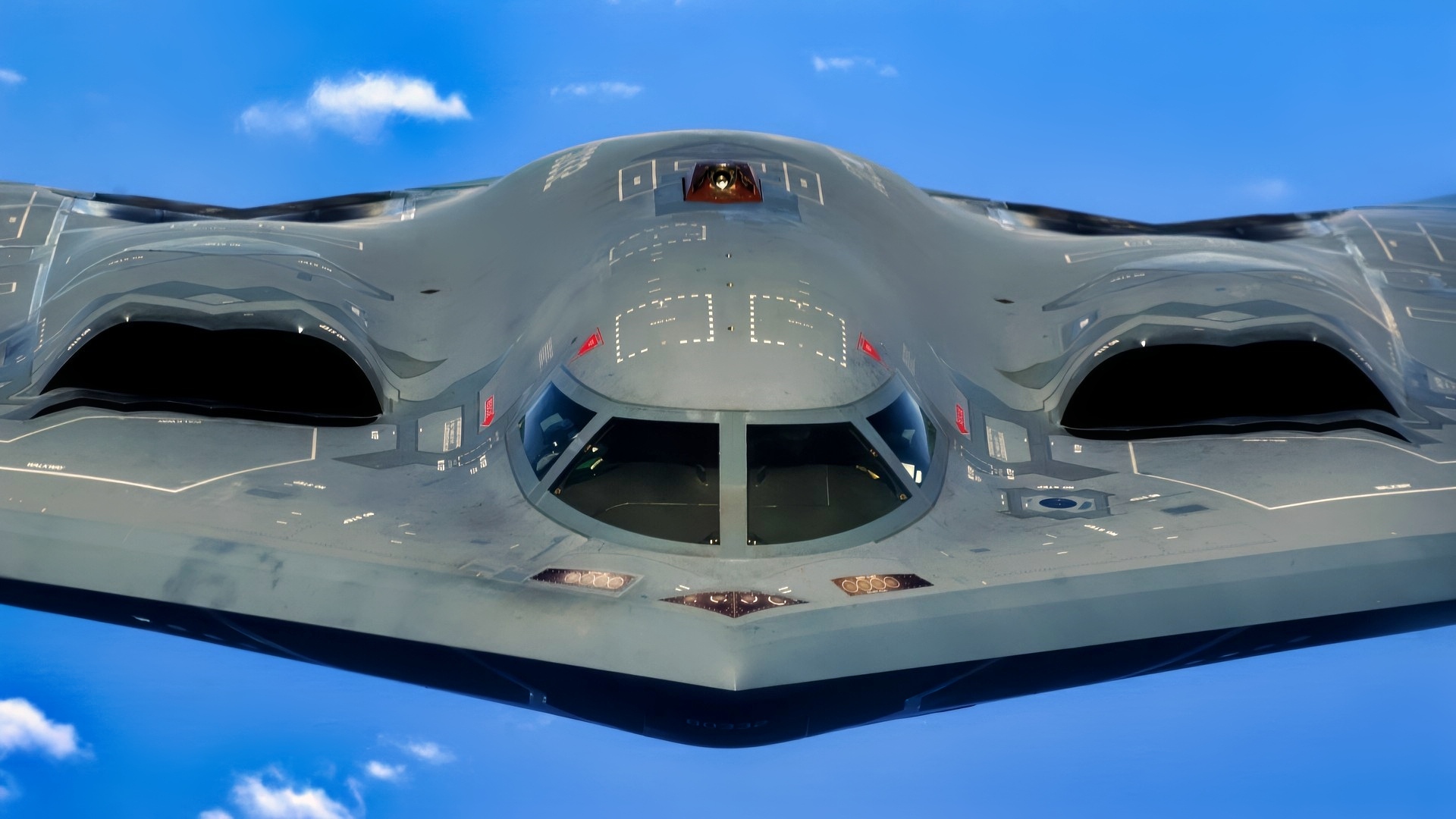
B-2A Spirit Stealth Bomber USAF Image.
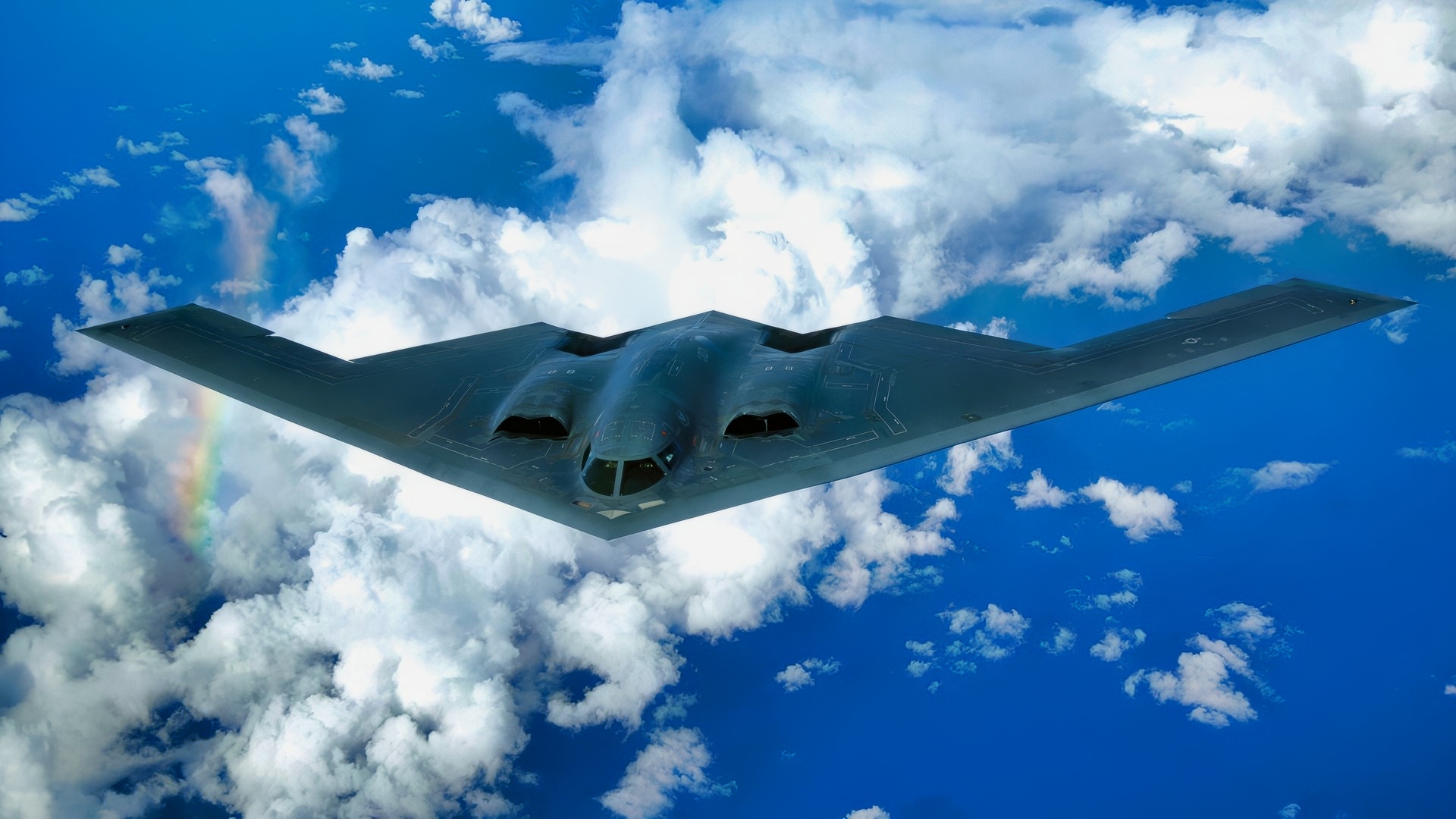
A B-2 Spirit soars after a refueling mission over the Pacific Ocean on Tuesday, May 30, 2006. The B-2, from the 509th Bomb Wing at Whiteman Air Force Base, Mo., is part of a continuous bomber presence in the Asia-Pacific region. (U.S. Air Force photo/Staff Sgt. Bennie J. Davis III)
CENTCOM Looks for New Options
According to CNN, the July 29 email circulated to military analysts asked for “new creative and unconventional ways to pressure and punish Iran.”
While military commands frequently solicit ideas from personnel across their organizations and networks, the timing of the email is notable. It may not be evidence that the Pentagon has exhausted every option yet, but it comes amid reports that the U.S. has severely degraded its long-range missile stockpile and that Tehran continues to double down on its control over the Strait of Hormuz. It also comes as the U.S. enters its sixth month of conflict with Iran, following American airstrikes and only days before President Donald Trump again postponed a threatened escalation in the hope of making a deal.
In response to CNN’s report, CENTCOM spokesman Capt. Timothy Hawkins explained that the request was the result of the command’s longstanding planning process, not a sign of desperation.
“US Central Command has a long history of thinking and working in innovative ways. Admiral [Brad] Cooper, in particular, reaches out to members of our great team, regardless of rank, to achieve the highest levels of operational performance possible,” Hawkins said.
While it may be part of a longstanding process, the email does suggest that U.S. forces do not fully have a grip on the problem, and that destroying Iranian military targets and infrastructure — and even coming close to destroying electricity and energy infrastructure — is not enough to bring the Islamic regime back to the negotiating table or force its leaders to make significant concessions.
Still No Deal
The war in Iran arguably began last year when Trump authorized B-2 strikes on Iran’s nuclear infrastructure, but the repeated exchanges of fire and the disruption in the Strait of Hormuz began in February when the United States and Israel launched a coordinated campaign against Iran’s military and nuclear infrastructure following the breakdown of diplomatic efforts.
What the White House initially expected would be a short operation has instead become a five-month-long war involving thousands of strikes across Iran.
Since February, U.S. forces have fired at everything from Iranian ballistic missile launchers and drone production facilities to air defense systems and military infrastructure supporting Iran’s operations around the Strait of Hormuz. And by the time fighting briefly paused in June as a result of the ill-fated “memorandum of understanding,” CENTCOM commander Adm. Brad Cooper said U.S. forces had fired 13,629 strike munitions at more than 13,000 targets. Operations then resumed again weeks later when the ceasefire deal broke down.
And yet, despite the scale of this enormous campaign, Washington has failed to secure either of its two strategic objectives: reopening the Strait of Hormuz or reaching an agreement over Iran’s nuclear program.
MOU 2.0 Is Coming
With military pressure failing to achieve Washington’s objectives, the Trump administration looks to be shifting its focus back toward diplomacy — and, inevitably, concessions. But even if the agreement the White House says could arrive as soon as tomorrow were to stop, it would fall well short of actually ending the conflict.
Speaking on CNBC’s Squawk Box on Tuesday morning, Treasury Secretary Scott Bessent said there was “a chance” the United States and Iran could reach a deal “today or tomorrow” that would reopen the Strait of Hormuz and restore what he described as “freedom of movement.” Secretary of State Marco Rubio later struck a similarly optimistic tone, telling reporters that there had been progress in the talks and that he hoped an agreement could be reached “very shortly.”
What is actually under discussion, however, is not a comprehensive peace agreement. Instead, it appears to be a temporary arrangement focused primarily on reopening the Strait of Hormuz while postponing negotiations over Iran’s nuclear program, sanctions, and other unresolved issues. In effect, it would amount to an “MOU 2.0” – a successor to the June memorandum of understanding that collapsed after a matter of weeks, following a series of major exchanges of fire during the time it was said to be in effect.
Whether the next agreement would prove any more durable is, of course, unclear. Iran has continued to deny holding direct negotiations with Washington and insists that it is only discussing shipping arrangements with Oman.
But if Washington pulls off a deal now, it’s only a matter of time before it comes under strain again, as Iran refuses to budge on matters related to its control of the Strait of Hormuz and its nuclear program — the latter of which the regime appears to have doubled down on since the latest round of strikes.
About the Author: Jack Buckby
Jack Buckby is a British researcher and analyst specializing in defense and national security, based in New York. His work focuses on military capability, procurement, and strategic competition, producing and editing analysis for policy and defense audiences. He brings extensive editorial experience, with a career output spanning over 1,000 articles at 19FortyFive and National Security Journal, and has previously authored books and papers on extremism and deradicalization.


