


This past weekend was surprisingly calm in the Middle East. Both the U.S. and Iran ceased their attacks against each other on Saturday and Sunday. According to some sources, the current lull is due to ongoing diplomatic efforts that seem to be yielding some positive results. On the flipside, Tehran still claims full control over the Strait of Hormuz, after it announced that it had turned away six vessels from the waterway while they were trying to pass without Iran’s permission.
There are still many issues that need to be sorted out before a lasting peace can be implemented. One has to question whether this newest pause is a sign of genuine progress, or whether both sides are simply catching their breath in preparation for future attacks.
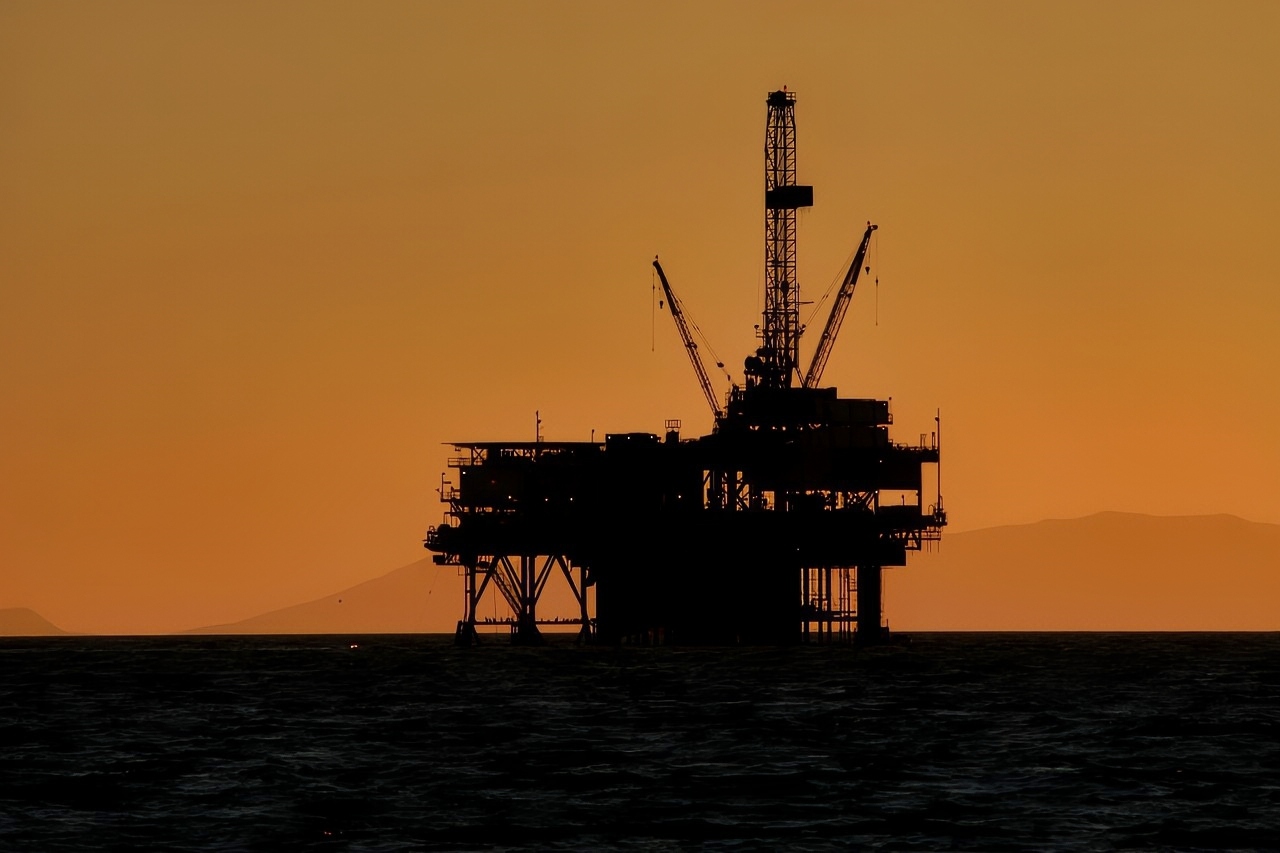
Oil Platform. Image Credit: Creative Commons.

Generic Oil Tanker Image. Image Credit: Creative Commons.
A Quiet Weekend in Iran
For three days in a row, the U.S. has refrained from attacking Iran in order to resume diplomatic efforts, a U.S. diplomat told the UN. According to Ambassador Mike Waltz, President Trump was “giving talks some space; he’s giving it a little bit of room.” The IRGC followed suit and announced that it was calling off retaliatory strikes against U.S. assets in the region. Many observers feared that Trump would escalate the war over the weekend and wage total war against Iran.
When asked whether the t had ruled out escalation, Waltz replied, “I wouldn’t go that far at all. The president is keeping all options on the table.” When speaking to CBS, he added that additional military assets were still being relocated to the Middle East.
As of right now, it is too early to say whether the current pause in hostilities is a new ceasefire. With U.S. air assets still being moved into the region, it is likely that Trump has not yet decided whether to escalate the conflict or go all in on diplomacy. The current “peace” could be undone if Iran decides to strike another tanker in the Strait of Hormuz.
Trump still has a lot of options available to him, but the longer the war goes on, the more politically costly it will be for him as confidence in his handling of the war continues to wane. The most preferable option would be to use this current lull in hostilities to renew diplomatic efforts and negotiate a peaceful end to this war.
Why the U.S. is Pausing the War
Beyond diplomacy, there are a couple of reasons why the U.S. may have decided to pause its attacks against Tehran. One reason may have been to help the oil market recover after multiple shocks from the past month.
Over the weekend, Brent Crude dropped from $98 per gallon to only $90. With the dual closures of Hormuz and Bab el-Mandeb, many economists feared that fuel prices could spiral out of control, leading to many economic ripple effects. The recent pause in attacks may have been an attempt by the Trump Administration to prevent the oil market from spiraling out of control.
Another reason may have been a lack of munitions. Recent reports indicate that the use of long-range munitions like JASSMs and Tomahawks has far outpaced current U.S. production capabilities. Air defenses have also been stretched thin, with the global supply of PAC-3 interceptor missiles running dry. Mike Waltz criticized reports from various news outlets about munitions shortages and assured that the U.S. has what it needs to wage war against Iran. Nevertheless, the primary concern is not necessarily whether we have enough munitions, but how long it will take to replace the thousands of missiles used during March alone.
Who Controls Hormuz?
Despite the current pause in violence, Iran still claims total control over the Strait of Hormuz.
According to state news outlets, the IRGC has turned six ships around that were attempting to cross the Strait without Tehran’s permission, with one ship supposedly suffering an “accident” along the way. “As previously announced, the traffic route in the Strait of Hormuz is the route specified by Iran, and other routes are contaminated and have no way out,” one Iranian news site said.
Control over the Strait has been one of the biggest points of contention in this war. Iran and Oman have been in talks over the issue, trying to work out the problems of trade routes and tolls.
According to one Iranian official, recent talks with Oman have been moving in a positive direction. The U.S. decision to halt air strikes has bolstered diplomatic efforts. Although Iran still claims control, a decision to reopen the Strait could still be reached.
While Iran and the U.S. did not trade any blows over the weekend, several of Iran’s neighbors still reported drone attacks after Iran announced a cessation of retaliatory attacks. Both Jordan and Iraq announced that they had shot down several drones that were aimed at camps housing Kurdish opposition forces. Neither government clarified the source of these drones.
Meanwhile, the Houthis in Yemen launched several attacks of their own aimed at energy infrastructure.
While the Saudi government claimed that all drones had been shot down, footage from the ground might reveal that at least one drone, or debris, had managed to impact the Aramco Abqaiq oil processing facility, resulting in large plumes of black smoke. We are unable to confirm the footage is accurate at this time.
The Saudi government has stated that it reserves the right to respond to the attacks however it sees fit.
About the Author: Isaac Seitz
Isaac Seitz, a Defense Columnist, graduated from Patrick Henry College’s Strategic Intelligence and National Security program. He has also studied Russian at Middlebury Language Schools and has worked as an intelligence Analyst in the private sector.


