

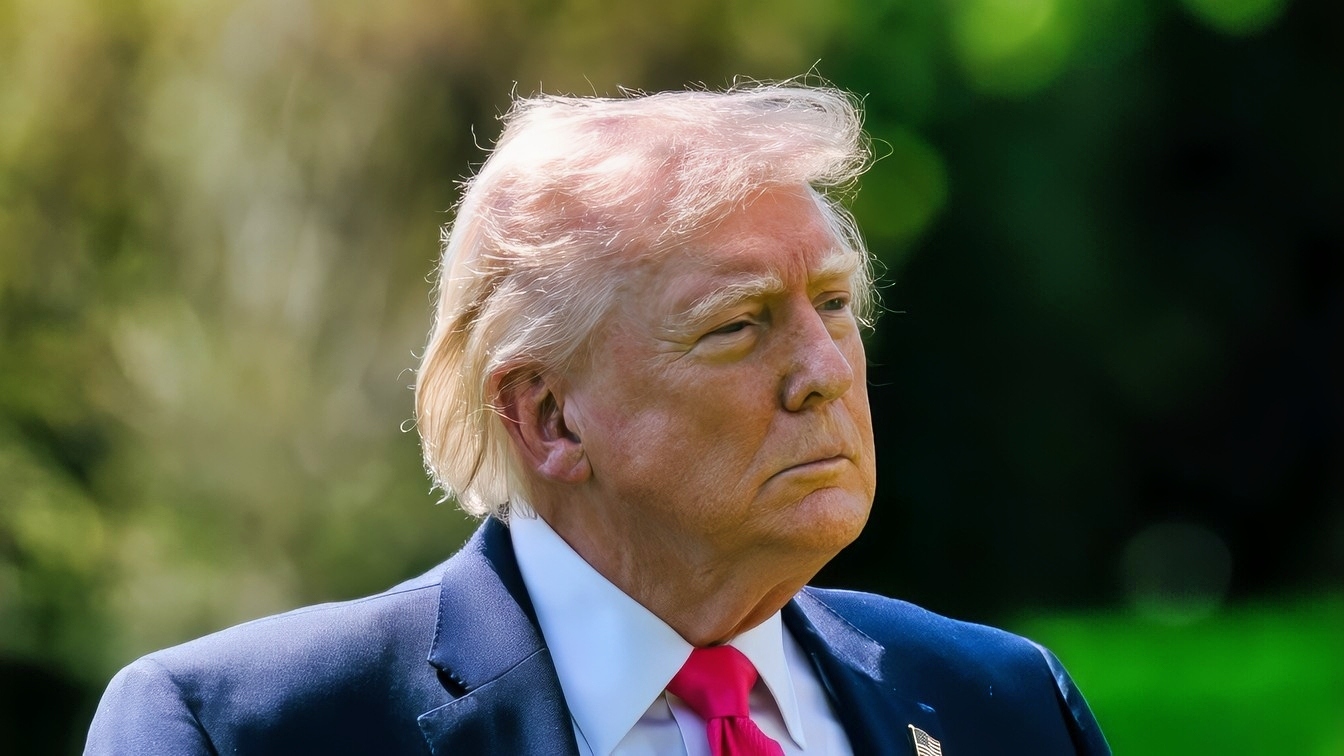
Dana White spoke at the Republican convention on behalf of Donald Trump three different times, brought a UFC card to the White House lawn on Trump’s birthday, and was even floated by the president as the next White House press secretary, just a couple of weeks ago.
Elon Musk spent hundreds of millions of dollars on behalf of Trump in 2024, did it again for Republicans in the midterms last month, and even served as a “Special Government Employee” for several months in 2025.
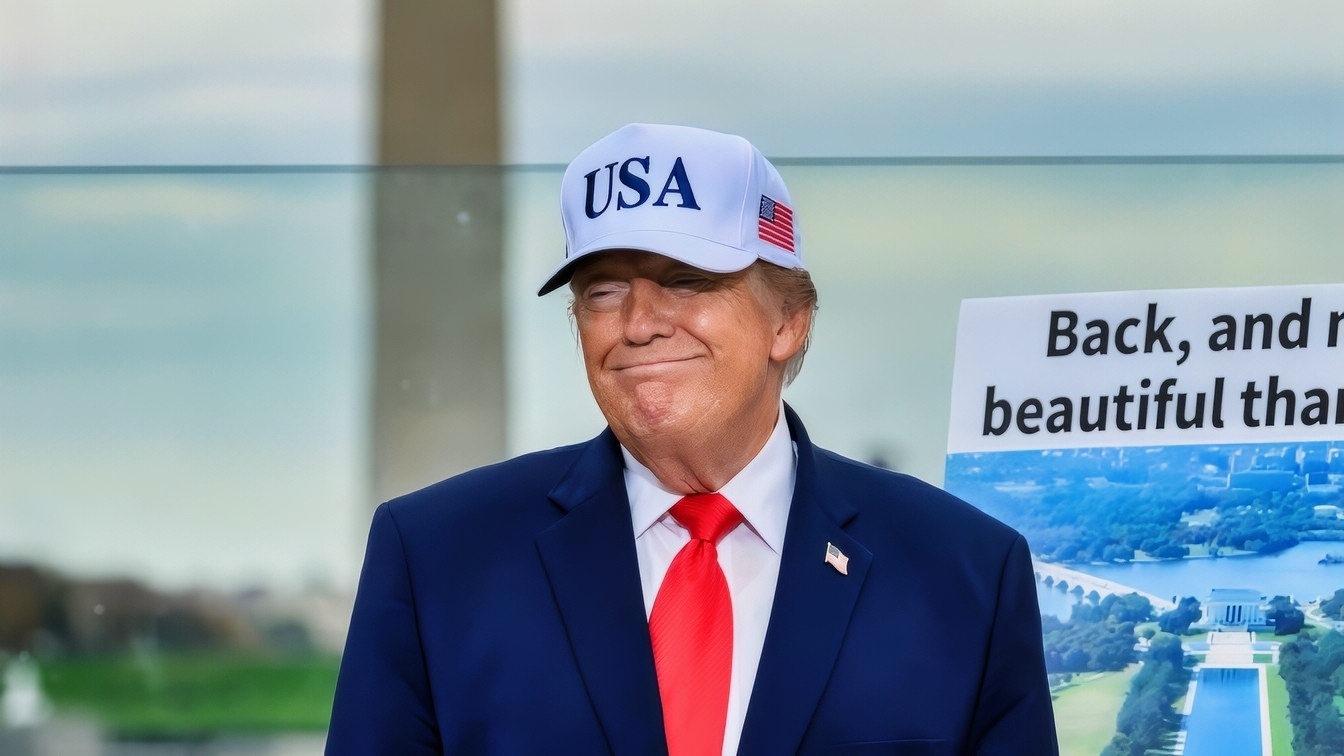
President Donald J. Trump delivers remarks the day before the midterm elections, Monday, November 2, 2026, at the Lincoln Memorial Reflecting Pool on the National Mall in Washington, D.C. (Official White House Photo by Joyce Boghosian)
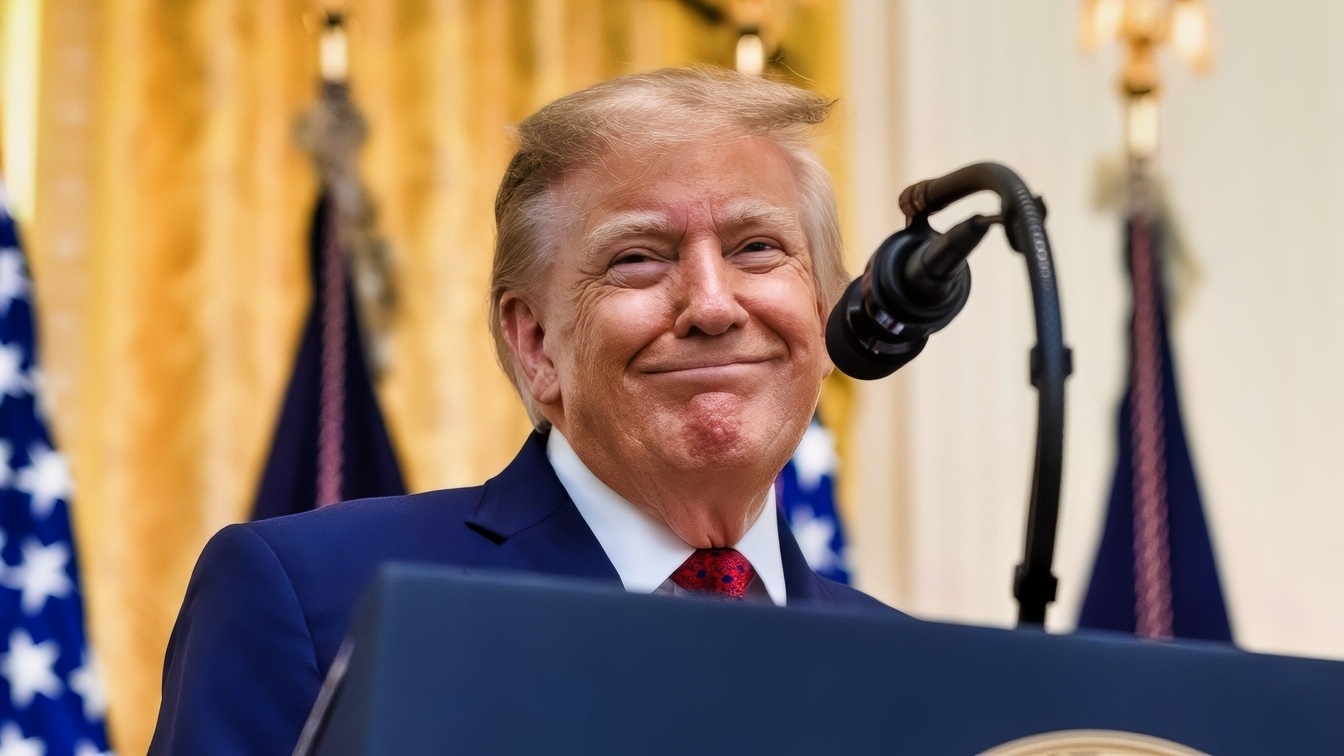
President Donald J. Trump makes remarks at a Hispanic Heritage Month Celebration in the East Room, Wednesday, September 30, 2026, at the White House. (Official White House Photo by Joyce Boghosian)
And Joe Rogan is among a coterie of podcasters and others associated with the “manosphere,” who have been credited with moving their audience towards Trump in 2024.
This is also true of many powerful people in Silicon Valley, such as Palantir CEO Alex Karp.
But now some of those people, among others, appear to be distancing themselves from that posture and from political involvement in general.
According to the Washington Post, many prominent people who backed Trump in 2024 appear to have rethought their support, as the midterm election wipeout made it clear that the “vibe shift” was temporary.
I Want Nothing to Do With Politics
“You’ll never see me involved in politics. I want nothing to do with politics,” Dana White, the longtime head of the UFC and a Trump friend, said in a post-election interview on Fox News, which he gave to the president’s own daughter-in-law, Lara Trump.
Rogan said this week that Trump has “lost most of the country.” Theo Von, a comedian and podcaster who appeared with Trump in 2024, criticized Trump earlier this year over the war in Iran.
Even Elon Musk, in an interview Wednesday at the New York Times’ DealBook conference, distanced himself from Trump, saying he was “not MAGA” and felt “foolish” about his massive spending on a losing midterm election effort.
Trump and Musk have been at odds before, but there had been no hint of an ideological break.
“I’m not sure what MAGA means,” Musk said at the conference. “If that means sort of blind adherence to a set of policies by the Republican Party, then I certainly don’t have that. I think there are, there, there are positives and negatives in both parties.”
This is a very different tone from what Musk has sounded like for the last several years, including hinting at white nationalist sympathies in his social media posts.
Musk had also moved his residence and Tesla’s headquarters from California to Texas, only for his new state to elect Democrats to the Senate and governorship this month.
However, with Democrats in Congress talking about launching investigations into Musk, his companies, his campaign finance behavior, and his use of Starlink in the Russia-Ukraine war, it remains unclear where his political loyalties will lie a year from now.
Just as the Trump coalition began to fall apart once Trump started doing things, the same thing may happen to Democrats once they take back control of Capitol Hill.
A Political Calculation
What seemed to have happened is clear: Trump’s victory in 2024, in which he won a popular vote victory, swept all seven battleground states, and assembled a unique coalition, looked like a massive realignment in American politics.
But after two years, that realignment is looking a lot more temporary. And now, with Trump a lame duck facing a hostile Congress and not able to run for another term, the clock is ticking on the Trump presidency.
Trump will only be president for two more years.
Still, Elon Musk, Joe Rogan, Theo Von, Dana White, and many other such figures will almost certainly remain powerful in the American firmament for much longer.
So they’re thinking about their interests in a way that makes Trump irrelevant, in what’s likely the president’s worst nightmare.
“Many political relationships are purely transactional, which is why companies like Palantir hire lobbyists and advisers of all stripes to inoculate themselves against the uncertainty of political tides,” the Post says in its analysis.
“When Trump is on the way up, Palantir gives $10 million to Trump’s ballroom. When Trump is on the way down, Karp argues he is more progressive than, say, Bernie Sanders.”
About the Author: Stephen Silver
Stephen Silver is an award-winning journalist, essayist, and film critic, and contributor to the Philadelphia Inquirer, the Jewish Telegraphic Agency, Broad Street Review, and Splice Today. The co-founder of the Philadelphia Film Critics Circle, Stephen lives in suburban Philadelphia with his wife and two sons. For over a decade, Stephen has written thousands of articles on politics, national security, technology, and the economy. Follow him on X (formerly Twitter) at @StephenSilver, and subscribe to his Substack newsletter.


